Information
Landmark: Palazzo BarbarigoCity: Venice
Country: Italy
Continent: Europe
Palazzo Barbarigo, Venice, Italy, Europe
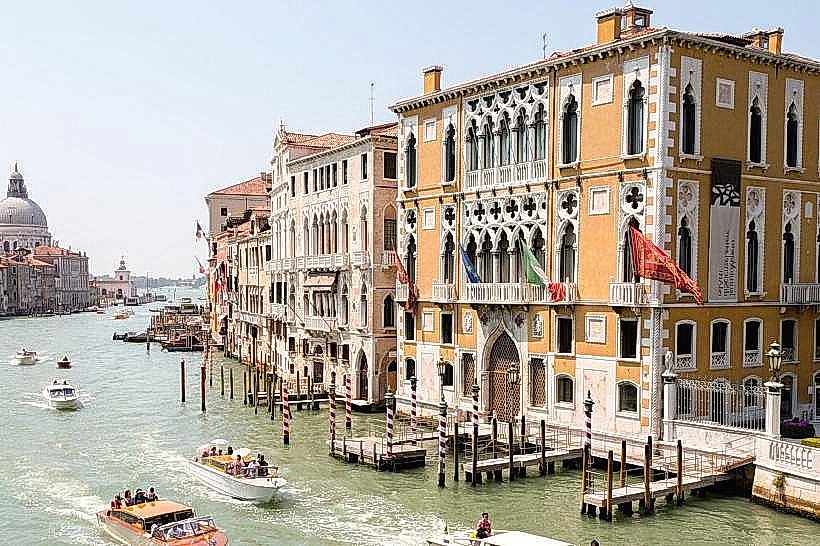
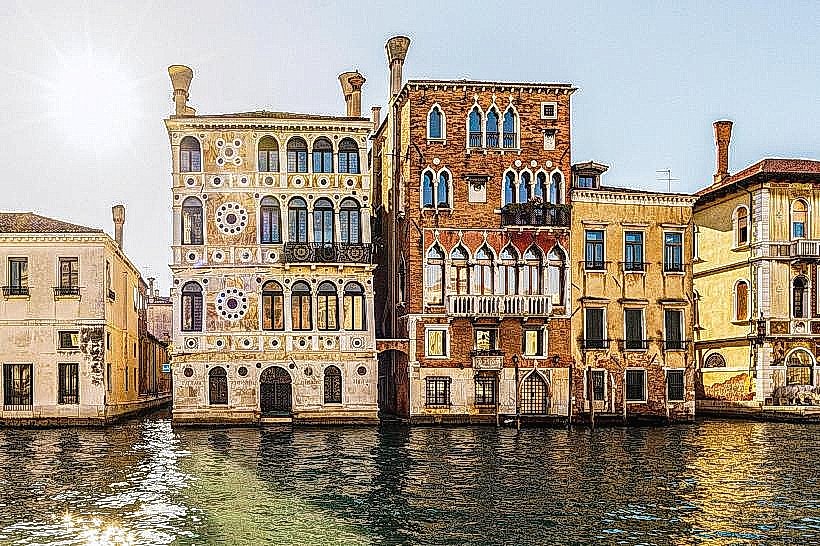
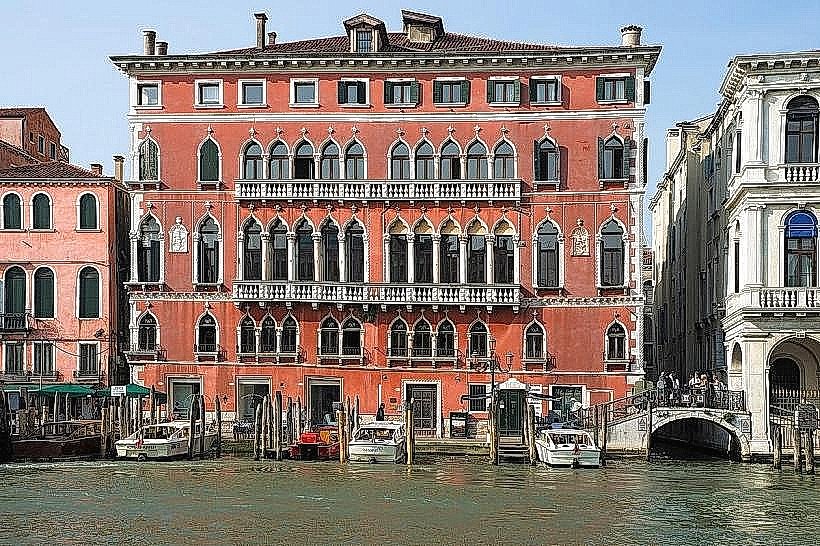
Located on the Grand Canal near the Santa Croce district, Palazzo Barbarigo is one of Venice’s most visually striking palaces, renowned for its colorful façade of Murano glass mosaics, historical significance, and architectural elegance. It exemplifies the fusion of Venetian opulence with the city’s enduring artistic traditions.
Historical Background
The palace was constructed in the 15th century for the Barbarigo family, one of Venice’s influential noble lineages, which included doges, politicians, and merchants. Over time, the palace served as both a private residence and a venue for social gatherings, reflecting the family’s wealth and prominence.
In the late 19th and early 20th centuries, the palace became particularly famous for its mosaic façade, which remains one of the few surviving examples of glass-tiled decoration along the Grand Canal. This decorative innovation highlights Venice’s continuing connection to Murano glass craftsmanship, linking private architecture to a centuries-old artisanal tradition.
Architectural Features
Palazzo Barbarigo combines Gothic and Renaissance elements, with later decorative enhancements that showcase Venetian creativity:
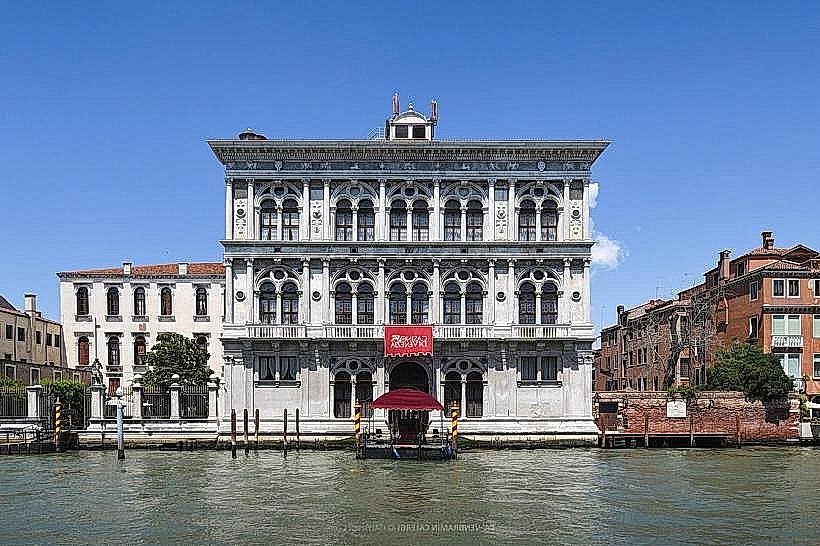
Façade: The most remarkable feature is the vivid mosaic of Murano glass tiles, arranged in geometric patterns of reds, blues, greens, and golds. This colorful display transforms the palace into a visual landmark visible from passing boats.
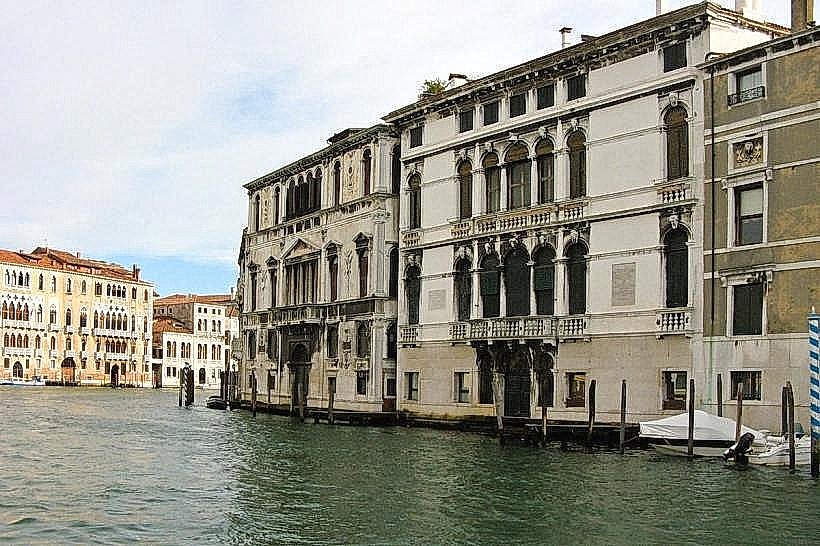
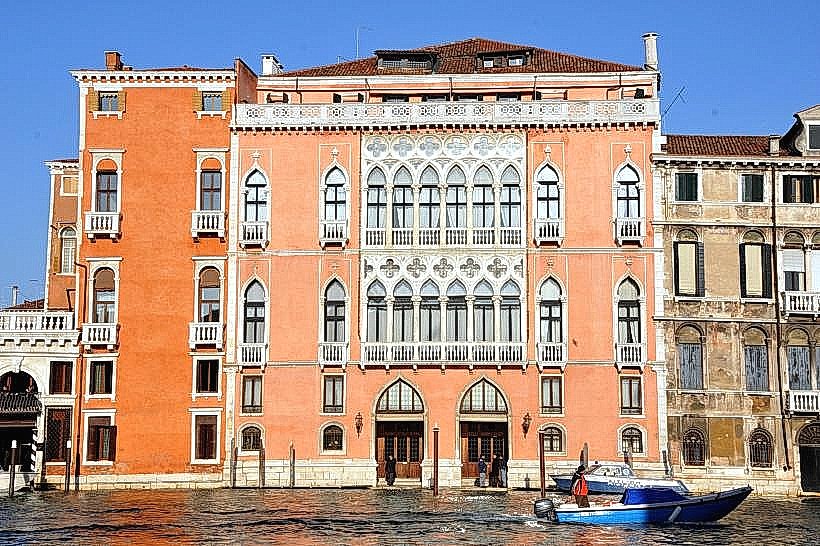
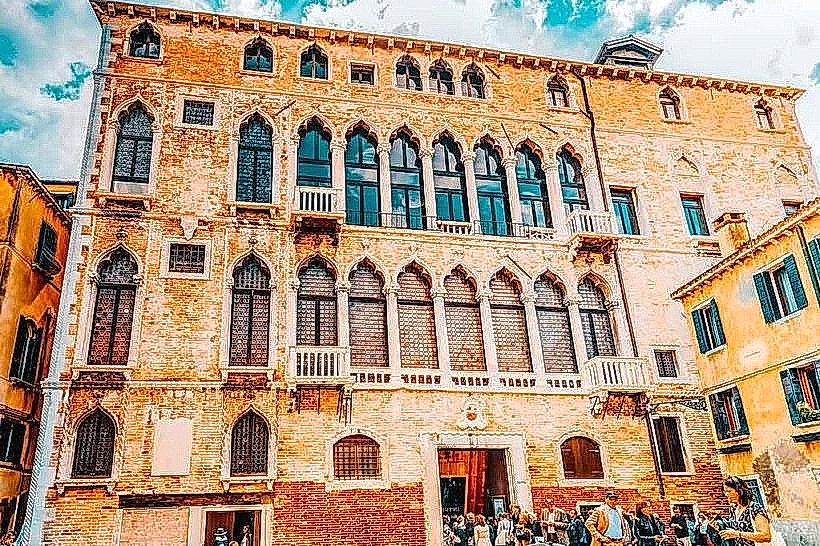
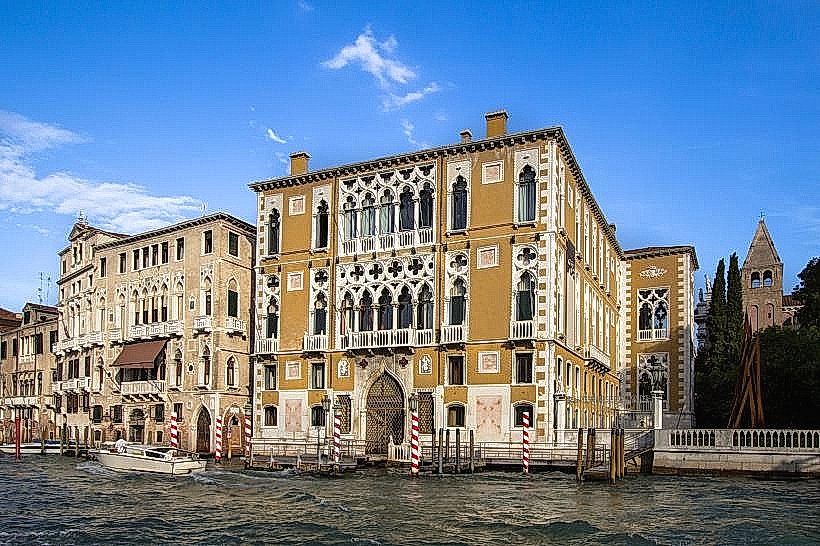
Windows and Balconies: The façade features a series of arched windows with delicate stone tracery, typical of Venetian Gothic design, complemented by small balconies that overlook the Grand Canal.
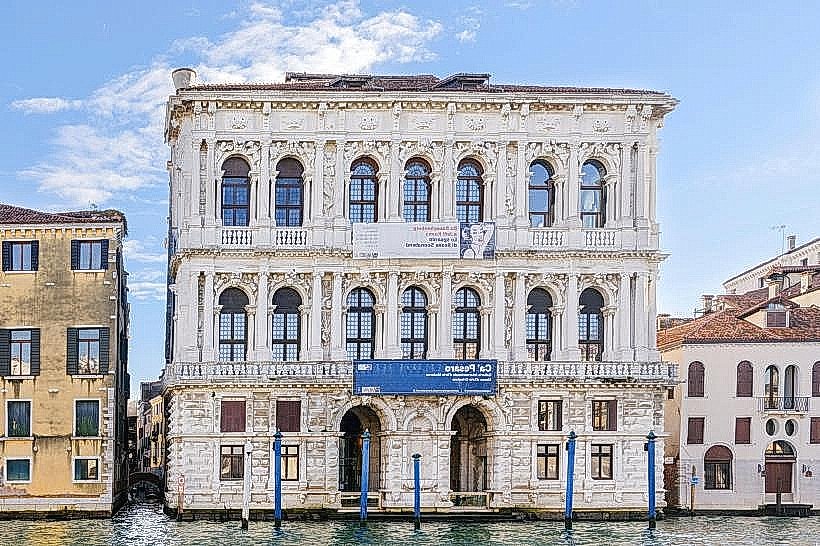
Water Door: The palace maintains a traditional water entrance, allowing access directly from the canal, reflecting Venice’s unique integration of transportation and architecture.
Interior Highlights
While the interior is not generally open to the public, historical records describe sumptuous rooms adorned with frescoes, marble floors, and rich furnishings. The palace’s interior spaces were designed for both domestic life and entertaining, with large halls for gatherings and more intimate salons for private family activities.
Artistic and Cultural Significance
Palazzo Barbarigo is closely associated with Venice’s Murano glass tradition, both through its façade and through the artistic patronage of the Barbarigo family. The mosaics demonstrate how Venetian nobles integrated local craftsmanship into architectural expression, creating buildings that were simultaneously functional, decorative, and symbolic of status.
The palace also reflects Venice’s social and cultural life, serving as a venue for gatherings, celebrations, and civic display, while illustrating the interplay between Gothic tradition and Renaissance refinement in Venetian noble residences.
Visitor Experience
From the Grand Canal, Palazzo Barbarigo is an eye-catching landmark, especially when sunlight illuminates the shimmering mosaic façade. Visitors often admire the intricate patterns and vivid colors, which contrast with the surrounding palazzi and canal waters. Its location allows for observation from gondolas or vaporetto boats, offering a quintessential Venetian visual experience.
Legacy
Palazzo Barbarigo stands as a testament to Venetian aristocratic taste, craftsmanship, and innovation. Its Murano glass mosaics preserve a centuries-old artistic tradition, while the palace itself embodies the elegance, grandeur, and aesthetic sensibilities of Venice’s noble families. It remains a vivid symbol of the city’s ability to merge architecture, art, and daily life along its iconic waterways.