Information
Landmark: Palazzo Belloni BattagiaCity: Venice
Country: Italy
Continent: Europe
Palazzo Belloni Battagia, Venice, Italy, Europe
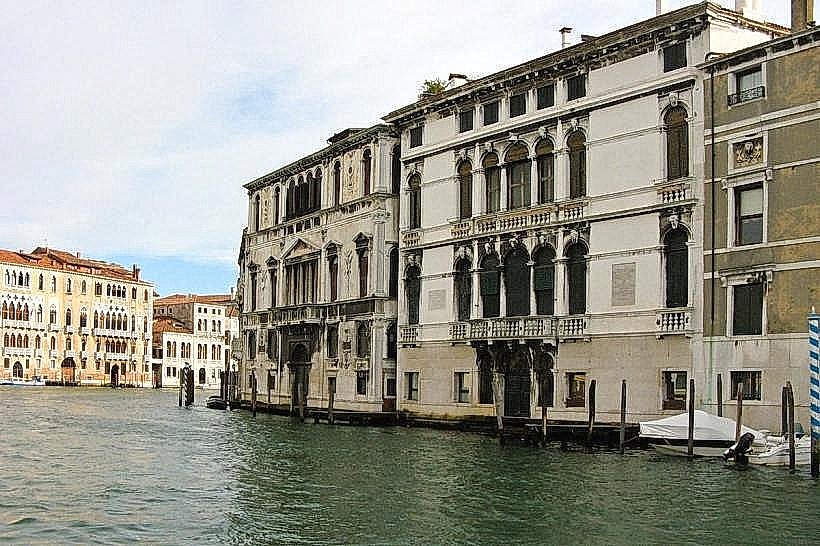
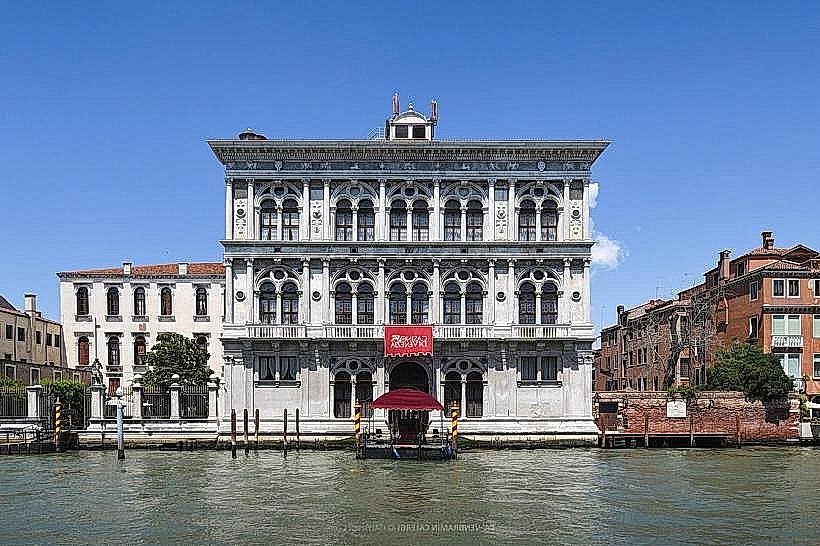
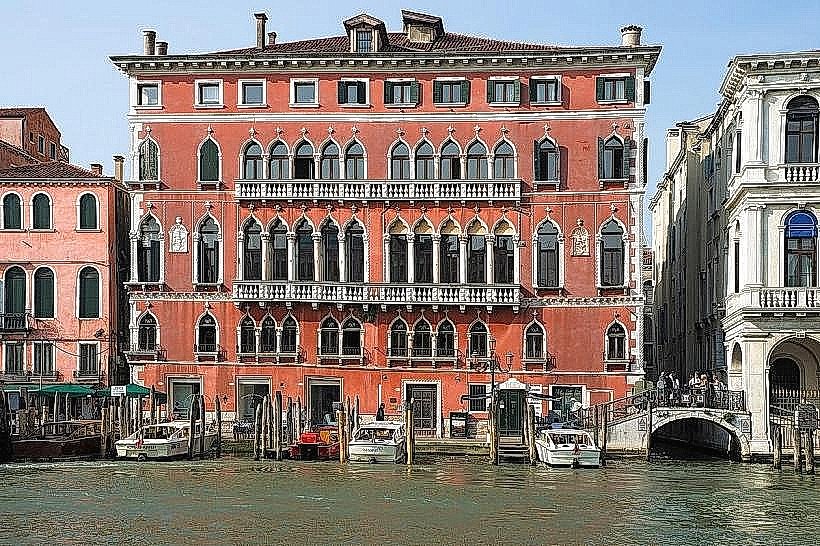
Situated on the Grand Canal in Venice’s Santa Croce district, Palazzo Belloni Battagia is a remarkable example of late Baroque residential architecture, notable for its sculptural façade, vertical emphasis, and aristocratic lineage. Its location, nestled between the Fondaco del Megio and Ca’ Tron, across from the grand Ca’ Vendramin Calergi, ensures that it is seen in dialogue with some of Venice’s most prestigious canal palaces.
Historical Background
The palace was constructed in the mid-17th century for the Belloni family, wealthy merchants and patricians who sought to assert their social prestige through architecture. The building was likely influenced, if not designed, by Baldassare Longhena, the leading Baroque architect in Venice, as suggested by the dramatic façade and ornamentation that echo his style.
Financial difficulties delayed construction, and eventually the palace passed into the hands of the Battagia family, giving it its hyphenated name. Throughout its history, it functioned primarily as a family residence, symbolizing wealth, influence, and engagement in Venice’s civic and social spheres.
Architectural Features
Palazzo Belloni Battagia stands out for its bold Baroque façade, blending classical symmetry with dramatic sculptural embellishments:
Façade: The building presents a central water portal, framed by large rectangular windows on the piano nobile, each crowned with broken pediments and intricate stone carvings. Pilasters and sculpted friezes emphasize verticality while maintaining a rhythm across the façade.
Obelisk-shaped Pinnacles: Atop the roofline, two tall obelisk pinnacles punctuate the skyline. This rare architectural flourish-found in few other Venetian palaces-adds an almost theatrical vertical accent, drawing the eye upward and contrasting with the canal’s horizontal plane.
Stonework and Ornamentation: The use of Pietra d’Istria stone, sculpted lion heads at water level, and heraldic emblems of the Belloni family (moon and star motifs) combine both decorative and symbolic functions. These details convey status and civic identity while anchoring the building firmly within Venetian stylistic traditions.
Interior Layout: While largely private today, historic accounts describe a grand piano nobile, reception halls with frescoed ceilings, and a small private oratory. The layout reflects the balance between public display and family life typical of Venetian palaces, with canal-facing rooms emphasizing visibility and prestige.
Artistic and Cultural Significance
Palazzo Belloni Battagia embodies Venetian Baroque ambition, illustrating the shift from Gothic restraint to theatrical, sculptural expression. Its elaborate façade demonstrates how mid-17th century noble families used architecture as a tool of social projection, conveying wealth, sophistication, and taste.
The building also offers insight into Venice’s urban canal culture, where palaces were designed to impress not only pedestrians but also waterborne visitors. Its sculptural elements, pinnacles, and heraldic details make it a visible statement of aristocratic identity along the bustling Grand Canal.
Visitor Experience
Visitors experience Palazzo Belloni Battagia primarily from the Grand Canal, where the full scope of its façade can be appreciated. A gondola ride or vaporetto line 1 or 2 provides ideal perspectives, allowing one to observe the interplay of light, water reflection, and sculptural detail. The contrast between the building’s dramatic vertical pinnacles and the broad, horizontal canal emphasizes the palace’s Baroque dynamism.
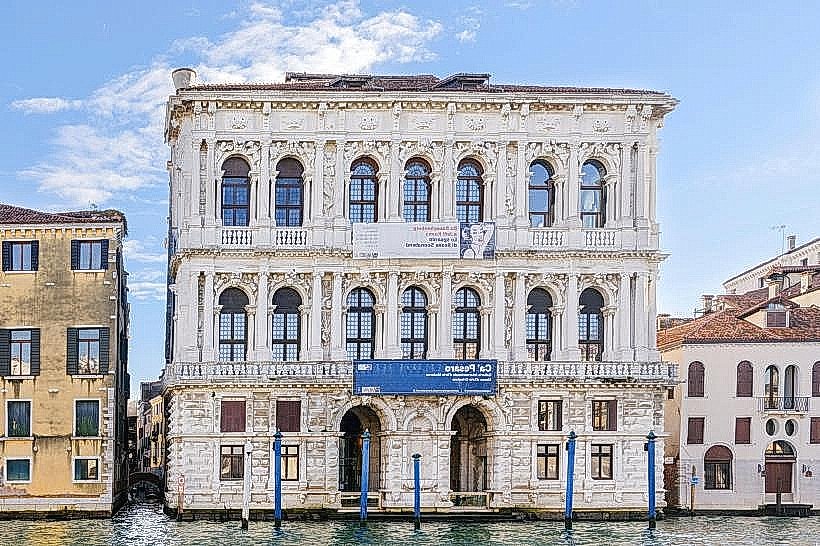
Although interiors are private, the canal-facing view communicates the palace’s historical grandeur and allows viewers to study Longhena-inspired design features, stonework motifs, and the rhythm of windows and pediments. Nearby landmarks such as Ca’ Pesaro and Ca’ Vendramin Calergi provide contextual understanding of the neighborhood’s aristocratic architectural ensemble.
Legacy
Palazzo Belloni Battagia remains an icon of Venetian Baroque residential architecture, illustrating the city’s blending of artistry, social ambition, and urban adaptation to canal life. Its sculptural façade, unique obelisk pinnacles, and noble heritage make it a vivid example of how architecture was used as both a personal statement and a public performance along Venice’s waterways.
The palace continues to represent the transition of Venice into Baroque theatricality, standing as a testament to the ambitions of patrician families and their enduring imprint on the city’s architectural identity.