Information
Landmark: Palazzo CornerCity: Venice
Country: Italy
Continent: Europe
Palazzo Corner, Venice, Italy, Europe
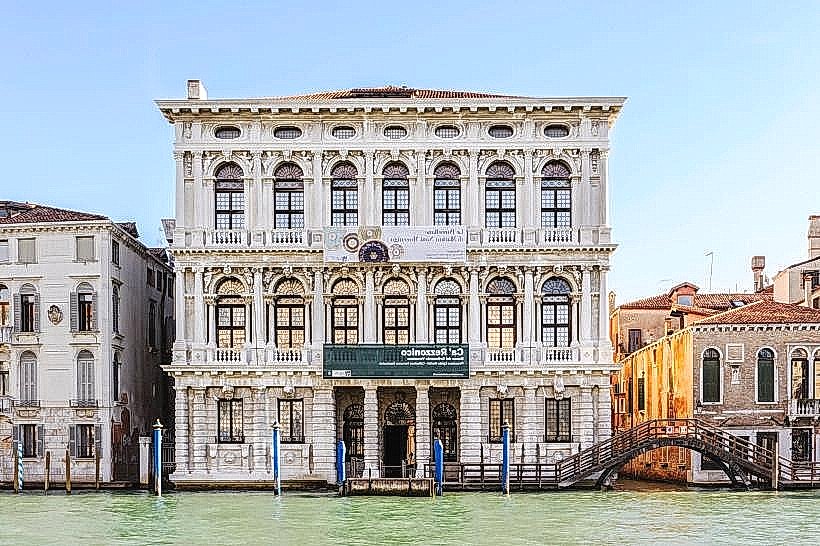
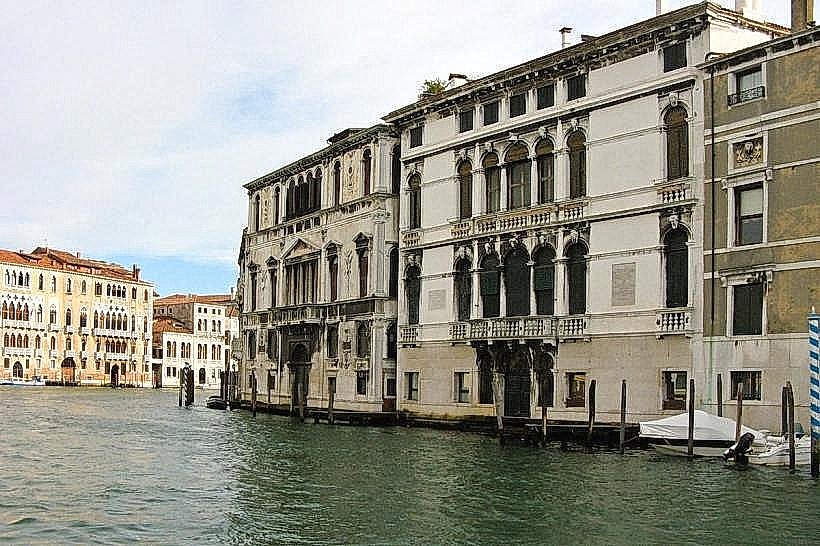
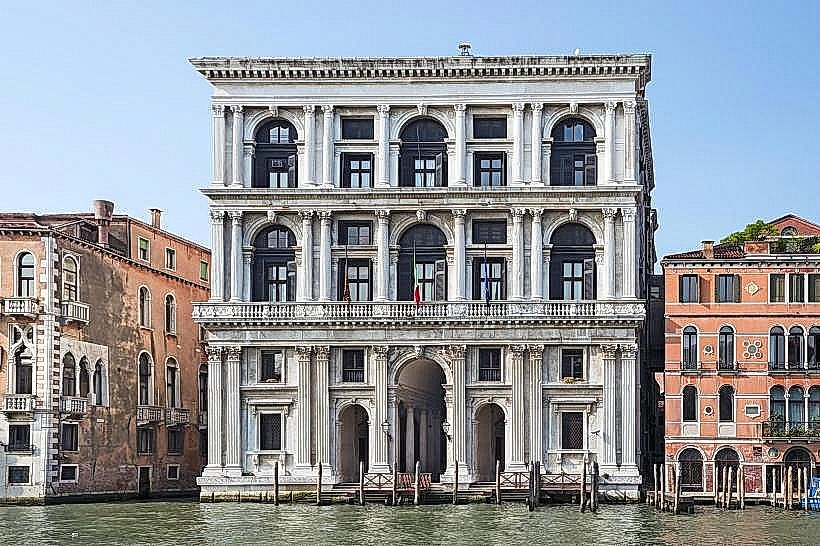
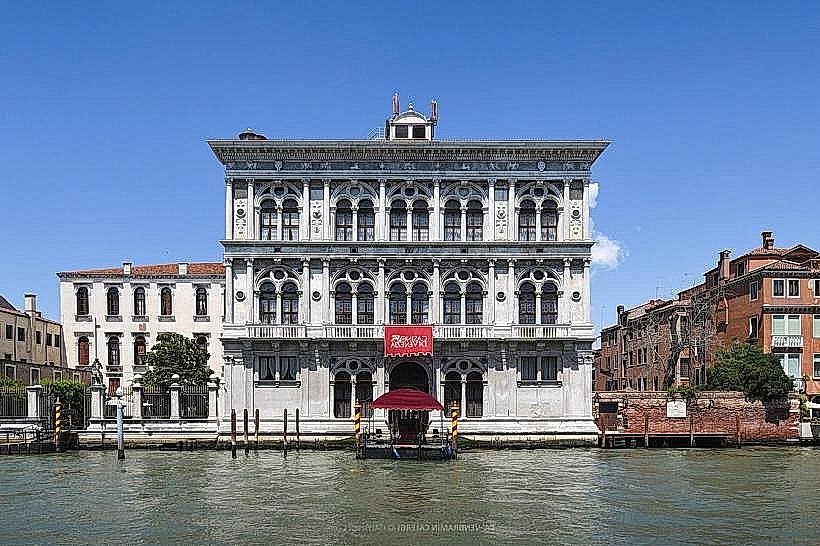
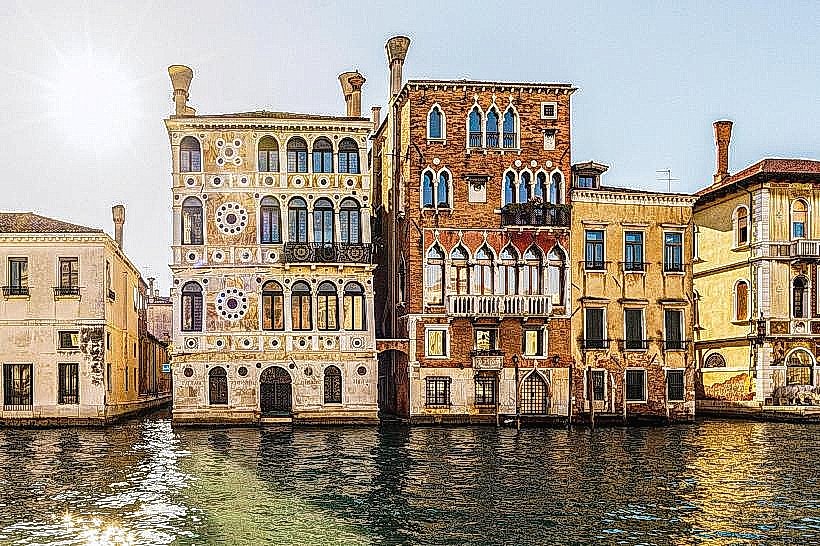
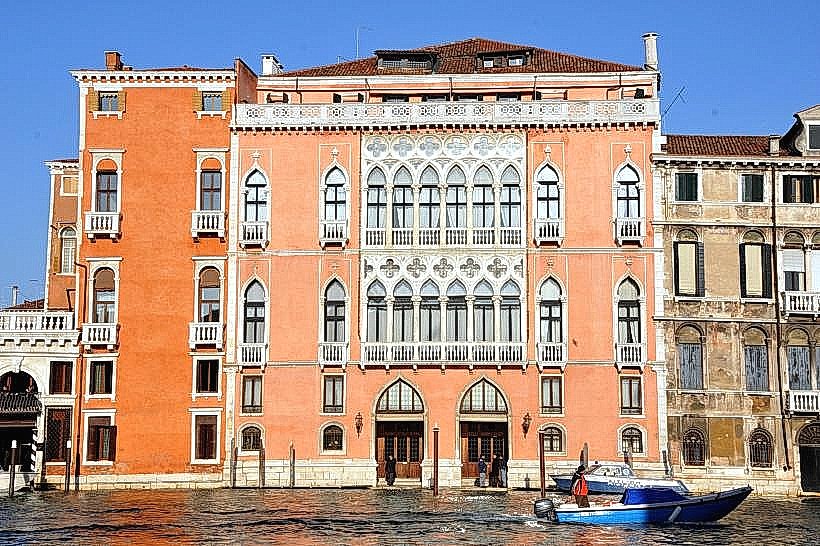
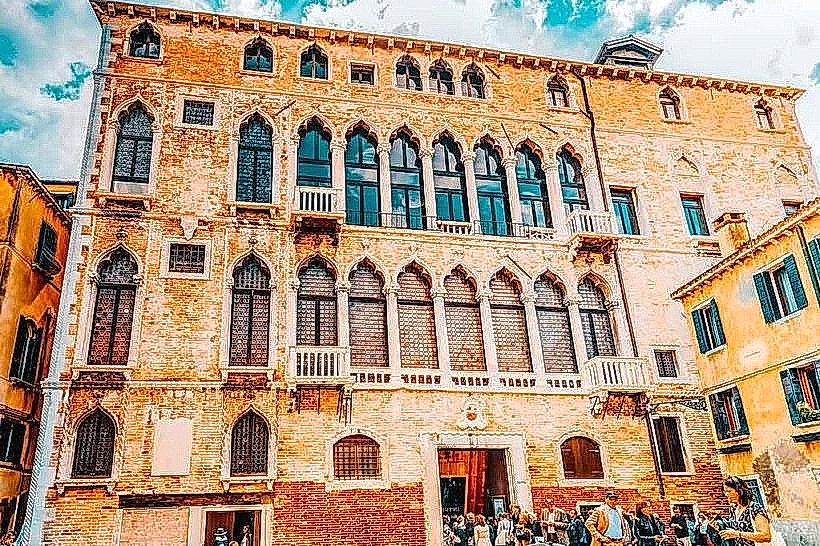
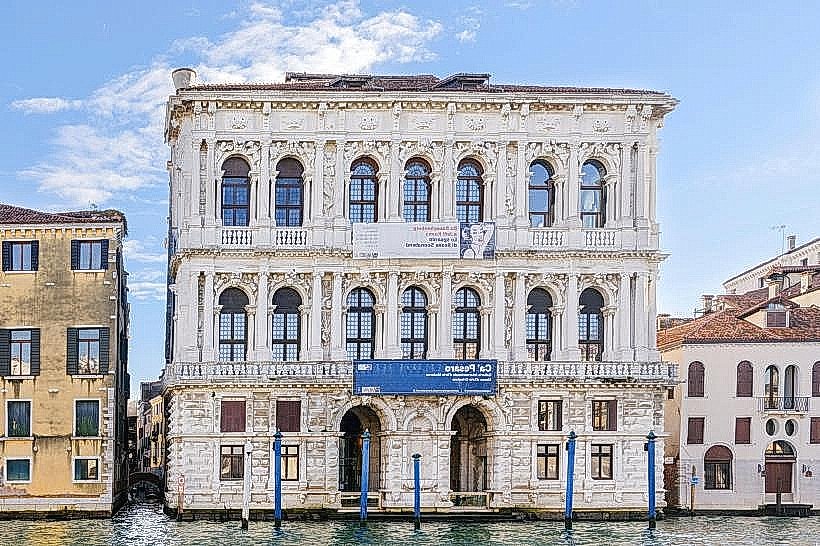
Situated along Venice’s Grand Canal near the San Marco district, Palazzo Corner (also known as Palazzo Cornaro) is a remarkable Renaissance palace notable for its elegant architecture, historical significance, and association with prominent Venetian families. Its commanding façade and strategic location make it an enduring symbol of aristocratic Venice.
Historical Background
Palazzo Corner was originally built in the 15th century for the Corner (Cornaro) family, one of the most influential patrician families in Venice. The family produced doges, diplomats, and prominent cultural figures, and the palace served as both a private residence and a space for civic and social gatherings.
Over the centuries, the building underwent renovations and expansions, reflecting changing tastes and the family’s desire to maintain its prestige. The palace is particularly associated with Dogeship and Venetian politics, embodying the connection between aristocratic residences and governance in the Republic of Venice.
Architectural Features
The palace exhibits a Renaissance style, characterized by balance, proportion, and refined classical ornamentation:
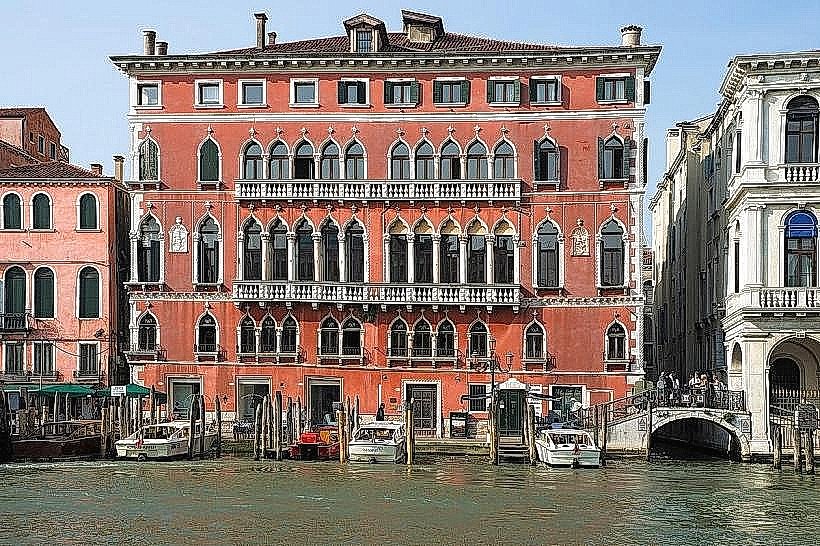
Façade: The Grand Canal façade is composed of harmonious brickwork and Istrian stone detailing, featuring arched windows and symmetrical arrangements. Decorative cornices and moldings highlight the elegance of Renaissance design.
Windows and Balconies: The palace boasts mullioned windows on the piano nobile (main floor), with delicate stone balustrades and small balconies overlooking the canal, emphasizing both status and aesthetic refinement.
Water Entrance: A traditional water portal provides direct access from the Grand Canal, a hallmark of Venetian palaces and a practical feature for transport and arrivals by boat.
Interior and Artistic Highlights
While the interiors are not generally open to the public, historical records describe grand halls and reception rooms, adorned with frescoes, stucco decoration, and lavish furnishings. These spaces were designed to impress visitors and accommodate both formal and private events.
Some palaces of the Corner family housed important artworks, though much has been dispersed over time. The interior’s scale and design reflect the blend of domestic comfort and public display characteristic of Venetian noble residences.
Cultural Significance
Palazzo Corner exemplifies the integration of civic, social, and domestic functions in Venetian palaces. Its prominent location along the Grand Canal allowed the Corner family to project wealth and influence while remaining directly connected to the political and commercial heart of the city. The palace reflects both the architectural trends of the Renaissance and the social ambitions of Venice’s ruling elite.
Visitor Experience
The palace is most commonly appreciated from the Grand Canal, either by vaporetto or gondola. Observers can admire the symmetry of the façade, the proportioned windows, and the subtle elegance of its stone details. Its understated Renaissance refinement contrasts with the more flamboyant Gothic and Baroque palaces nearby, offering a lesson in Venetian architectural balance.
Legacy
Palazzo Corner remains a symbol of Venetian aristocratic power, Renaissance architectural sophistication, and strategic urban placement. Its combination of elegant façade, historical significance, and connection to a leading noble family illustrates the role of palaces as both private homes and public statements of wealth, culture, and influence in Venice’s storied past.