Information
Landmark: Palazzo DandoloCity: Venice
Country: Italy
Continent: Europe
Palazzo Dandolo, Venice, Italy, Europe
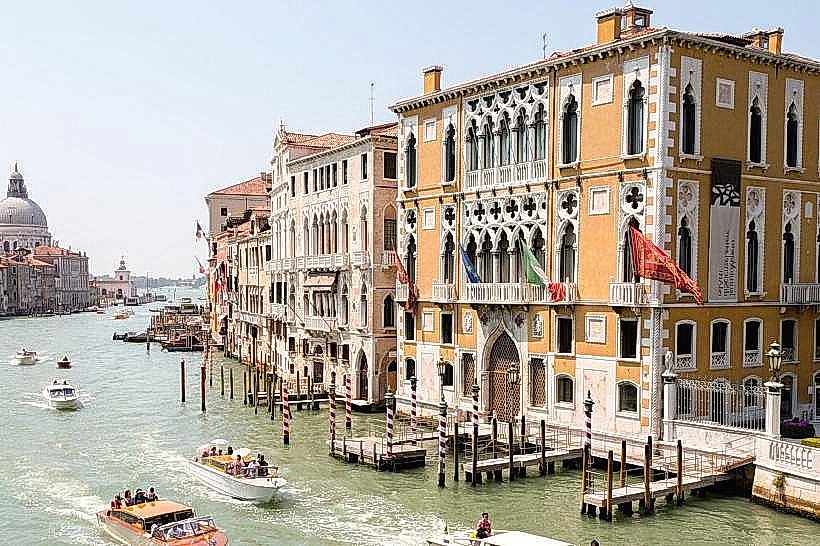
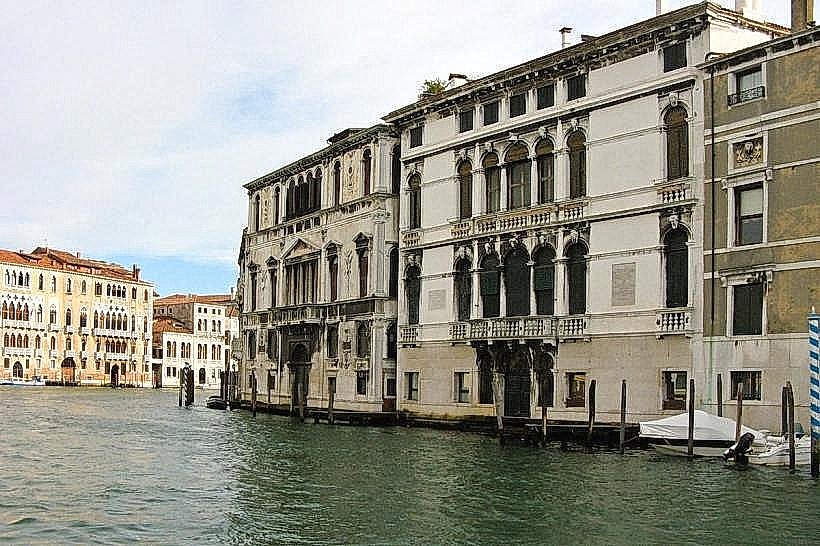
Located along the Grand Canal in Venice, Palazzo Dandolo is a historically significant Venetian palace, closely associated with the city’s noble Dandolo family. Renowned for its Gothic and Renaissance architectural elements, the palace exemplifies Venice’s aristocratic residential architecture and its integration with the canal environment.
Historical Background
The Dandolo family was one of Venice’s most prominent patrician lineages, producing several doges, military leaders, and influential statesmen. Palazzo Dandolo served as a family residence and reflected the wealth and social prominence of its owners. The palace likely dates back to the 14th–15th centuries, with subsequent modifications in later periods that incorporated Renaissance and Baroque elements.
The building is historically notable as the birthplace of Enrico Dandolo, one of the most famous doges of Venice, who played a key role in the Fourth Crusade. Over time, the palace hosted important social gatherings and was a center for family activities and aristocratic representation.
Architectural Features
Palazzo Dandolo showcases the blend of Venetian Gothic and Renaissance design, characteristic of canal-side palaces:
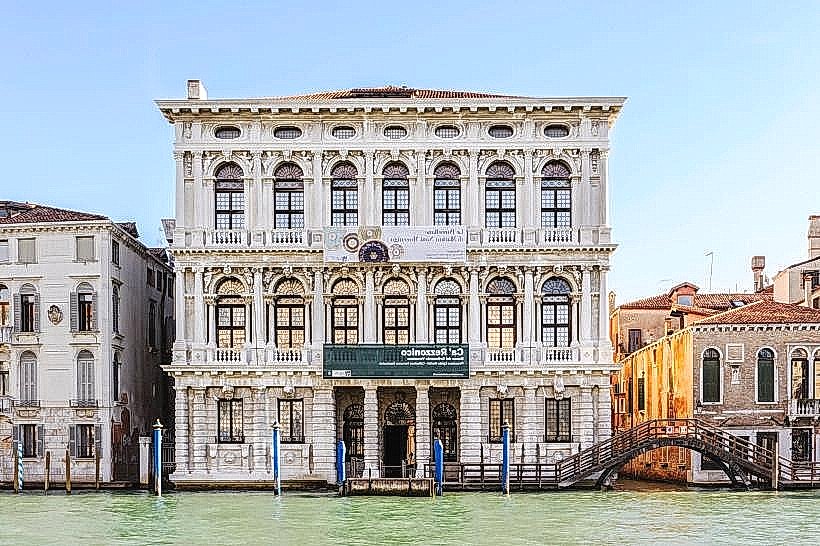
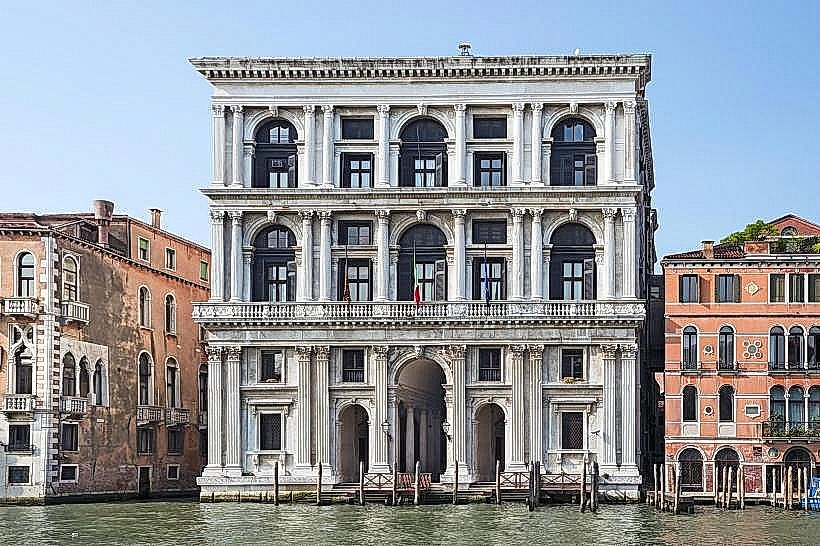
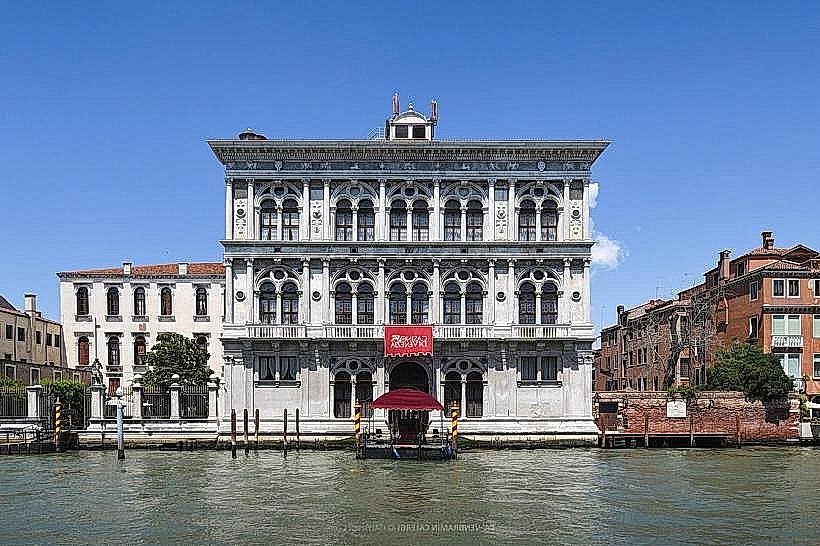
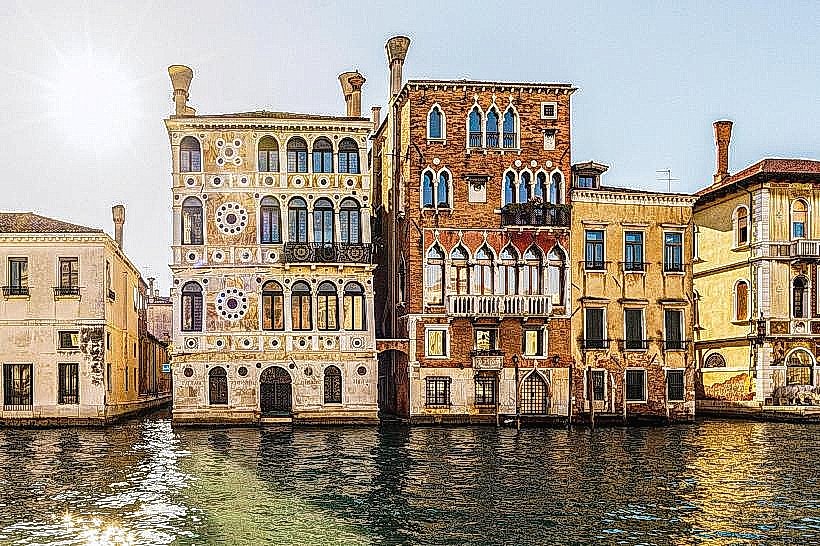
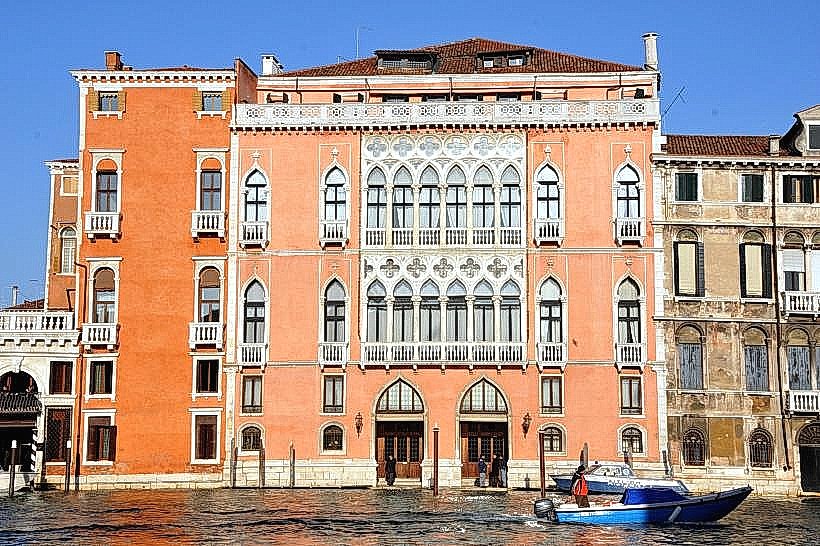
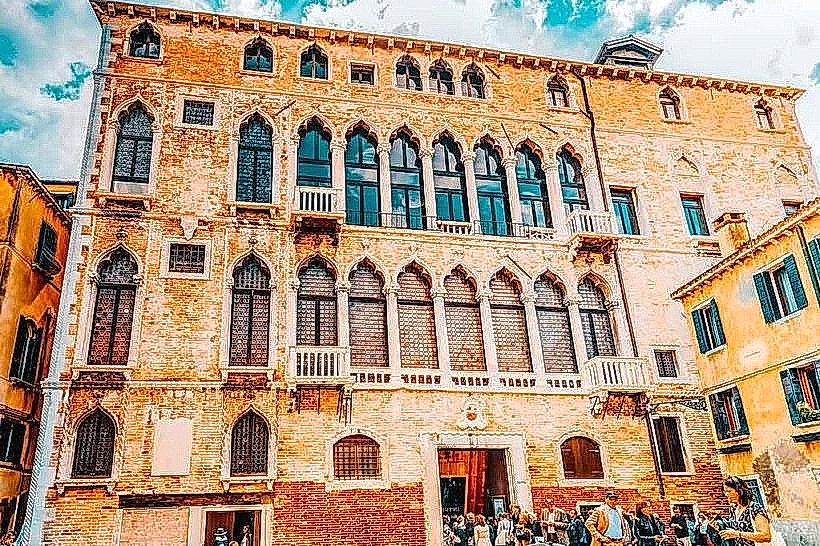
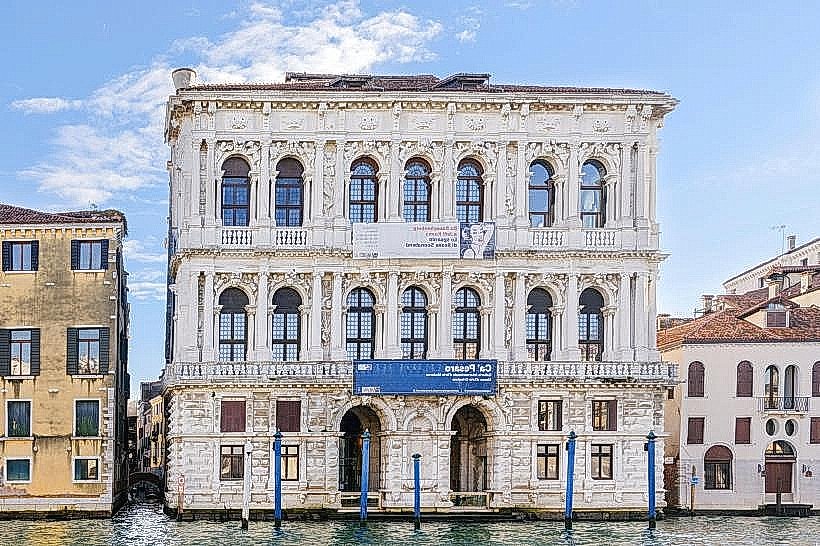
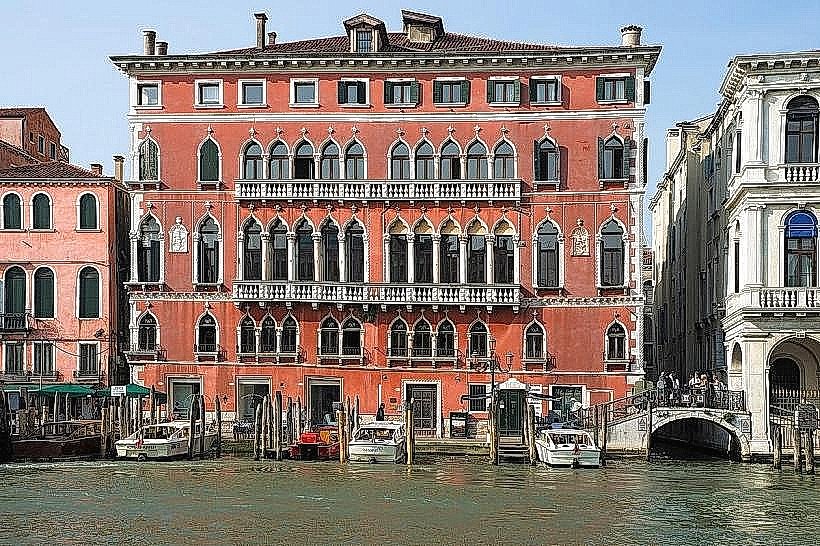
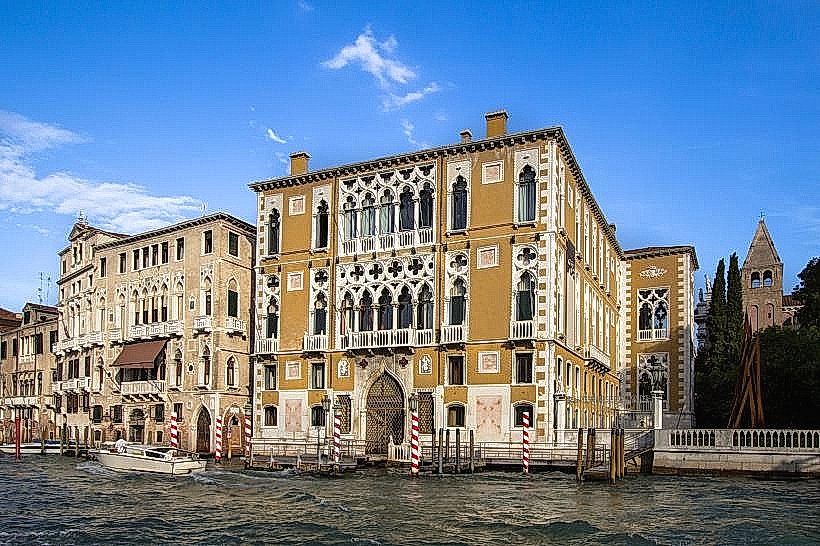
Façade: The Grand Canal façade features pointed Gothic arches on the lower floors, with mullioned windows and delicate tracery. Upper floors reflect Renaissance influences, with round-arched windows and restrained classical ornamentation.
Balconies and Water Portal: A central water entrance provides direct canal access, complemented by small balconies on the piano nobile, blending functional design with visual elegance.
Materials and Ornamentation: The palace employs brick and Istrian stone, typical of Venice, with sculpted stone cornices and decorative motifs emphasizing verticality and rhythm along the façade.
Interior Highlights
Though largely private, the interiors of Palazzo Dandolo historically featured:
Reception Halls: Grand halls for entertaining guests, adorned with frescoes, stucco work, and family heraldry.
Piano Nobile: The main floor included formal reception areas with high ceilings and large windows facing the canal, showcasing wealth and providing light-filled spaces.
Private Quarters: Upper floors housed the family’s private apartments, while smaller rooms and service areas accommodated domestic staff and practical needs.
Cultural and Historical Significance
Palazzo Dandolo represents the residential and social aspirations of Venice’s patrician families, combining public display with private domestic life. Its position on the Grand Canal emphasized both prestige and accessibility, allowing the family to participate in civic life while maintaining private dignity.
The palace also illustrates the architectural evolution of Venice, where Gothic foundations were later complemented with Renaissance refinements, resulting in a layered and harmonious aesthetic.
Visitor Experience
Though the interiors are not generally open to the public, Palazzo Dandolo can be appreciated from the Grand Canal, especially from passing gondolas or vaporetti. Observers can admire the interplay between Gothic arches and Renaissance windows, the rhythm of balconies, and the reflection of the façade in the canal waters.
The palace’s proximity to other historic palaces allows visitors to contextualize it within Venice’s aristocratic urban fabric, observing how families like the Dandolos expressed status and taste through architecture.
Legacy
Palazzo Dandolo remains a symbol of Venetian patrician heritage, blending Gothic elegance, Renaissance refinement, and canal-side prestige. Its historical associations, architectural features, and enduring presence on the Grand Canal provide insight into Venice’s social hierarchy, urban design, and aristocratic lifestyle across centuries.