Information
Landmark: Palazzo MalipieroCity: Venice
Country: Italy
Continent: Europe
Palazzo Malipiero, Venice, Italy, Europe
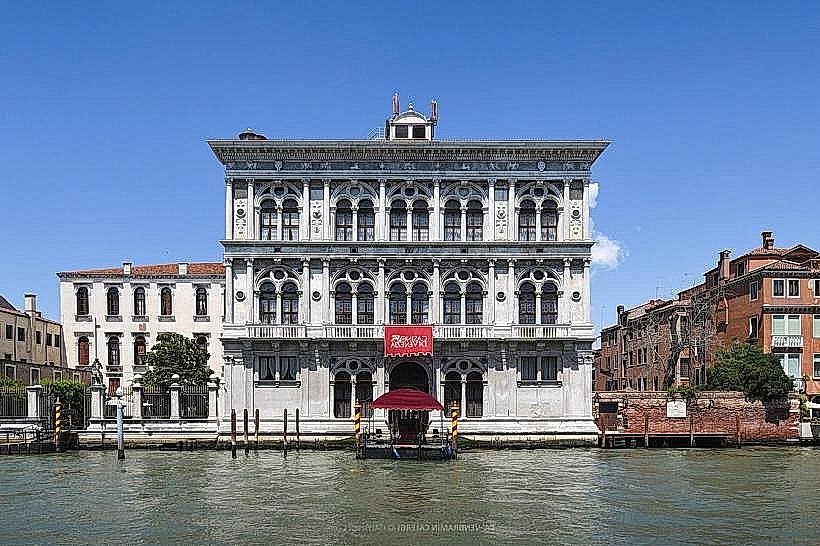
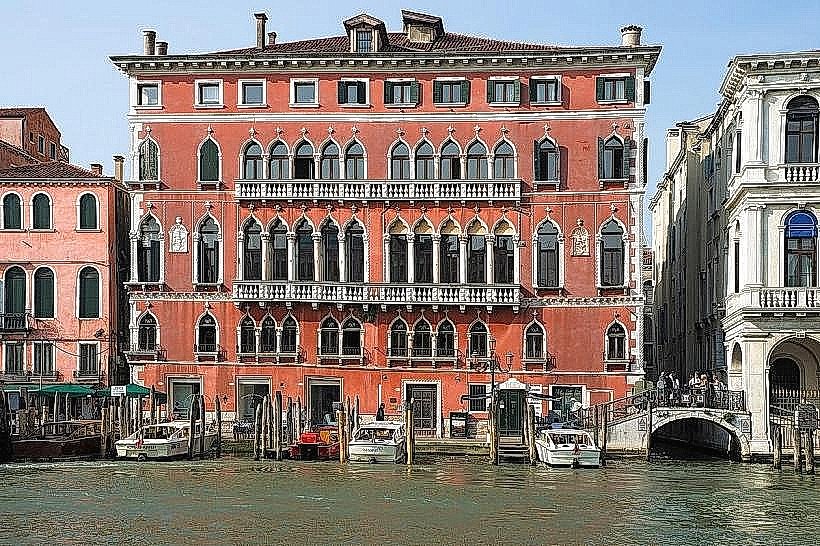
Situated along the Grand Canal in Venice’s San Marco sestiere, Palazzo Malipiero is a historic Venetian palace notable for its Renaissance façade, aristocratic lineage, and significant role in Venetian political and cultural life. The building exemplifies the way Venice’s noble families combined architectural refinement with prominence along the city’s primary waterway.
Historical Background
Palazzo Malipiero was originally constructed in the 15th century by the Malipiero family, an influential patrician lineage with deep roots in Venetian politics and trade. Over the centuries, the palace underwent renovations and expansions, incorporating Renaissance and early Baroque elements, reflecting the evolving tastes of Venice’s aristocracy.
The palace was historically a family residence and a venue for social gatherings, civic business, and artistic patronage, highlighting the dual private and public roles of Venetian noble palaces. Several Malipiero family members held prominent positions in the Venetian Republic, and the palace served as a backdrop for political and social activities.
Architectural Features
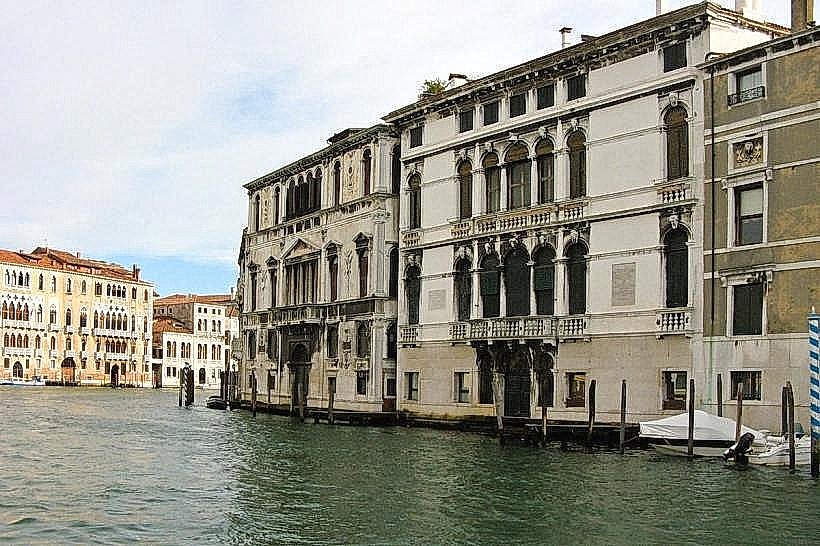
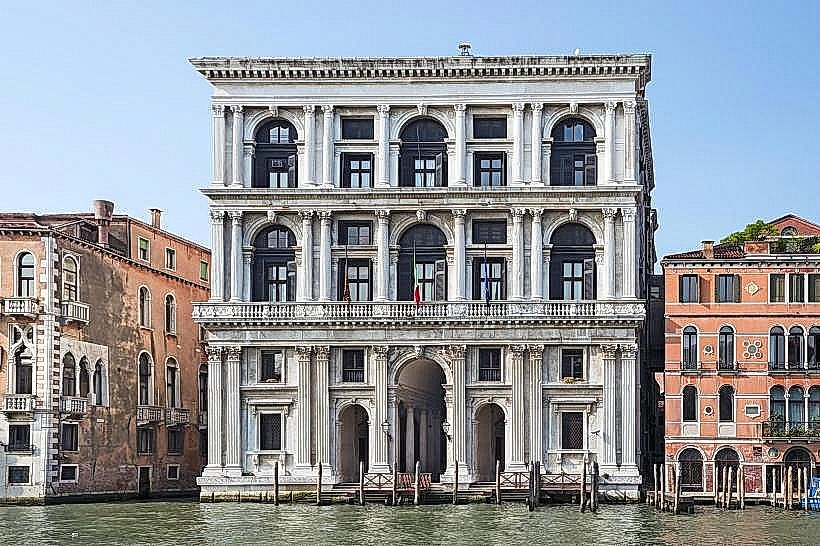
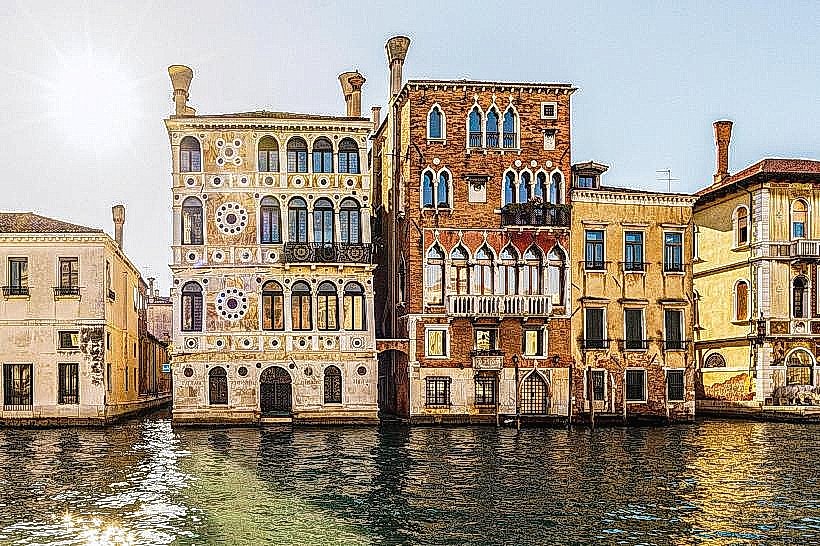
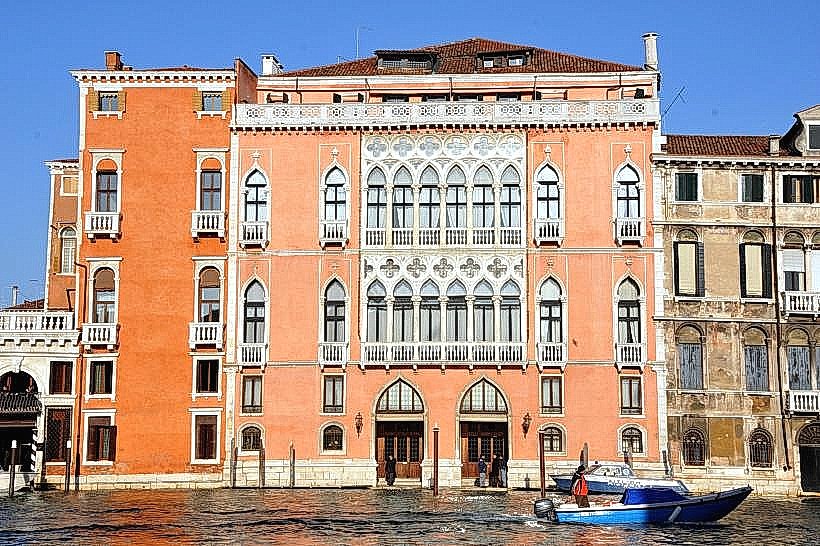
Façade: The Grand Canal-facing façade exhibits classic Renaissance symmetry, with mullioned windows on the piano nobile and decorative stone balconies. Pilasters and subtle friezes provide vertical articulation, while the ground floor features a central water portal for canal access.
Materials: Constructed with Istrian stone and brick, the palace harmonizes with the surrounding canal architecture, maintaining Venetian traditions of combining durability with aesthetic elegance.
Interior Layout: The piano nobile historically contained reception rooms, halls, and galleries adorned with frescoes, stucco work, and family heraldry. Upper floors were reserved for private family quarters and service areas.
Artistic and Cultural Significance
Palazzo Malipiero reflects Venetian Renaissance principles, emphasizing proportion, symmetry, and restrained ornamentation. Its location on the Grand Canal made it both a functional residence and a visible status symbol, illustrating the power and prestige of the Malipiero family.
The palace was also associated with artistic patronage, hosting paintings, decorative stuccoes, and other works that highlighted the family’s cultural engagement. Its presence along the canal contributes to the narrative of Venice as a city of noble façades, where architecture communicates social rank and civic identity.
Visitor Experience
Visitors can view Palazzo Malipiero primarily from the Grand Canal, whether via vaporetto or gondola. The façade’s elegant proportions, mullioned windows, and subtle detailing stand out when compared with neighboring palaces. Observing the palace from the canal gives a sense of the historical life of Venice, imagining how the Malipiero family entertained guests or conducted civic business along the waterway.
While the interiors are generally private, the external view allows appreciation of the palace’s Renaissance harmony and its integration with the Venetian urban landscape, highlighting how noble residences balanced aesthetic beauty, practicality, and social display.
Legacy
Palazzo Malipiero remains a significant example of Venetian noble architecture, illustrating the ways aristocratic families expressed wealth, taste, and civic involvement through their residences. Its harmonious façade, strategic location on the Grand Canal, and historical associations with the Malipiero family contribute to its enduring presence in Venice’s architectural and cultural heritage.
The palace continues to represent Venice’s Renaissance ideals of elegance and proportion, offering visitors a glimpse into the city’s social history and the lifestyle of its patrician class.