Information
Landmark: Pape LakeCity: Klaipeda
Country: Lithuania
Continent: Europe
Pape Lake, Klaipeda, Lithuania, Europe
Visual Characteristics
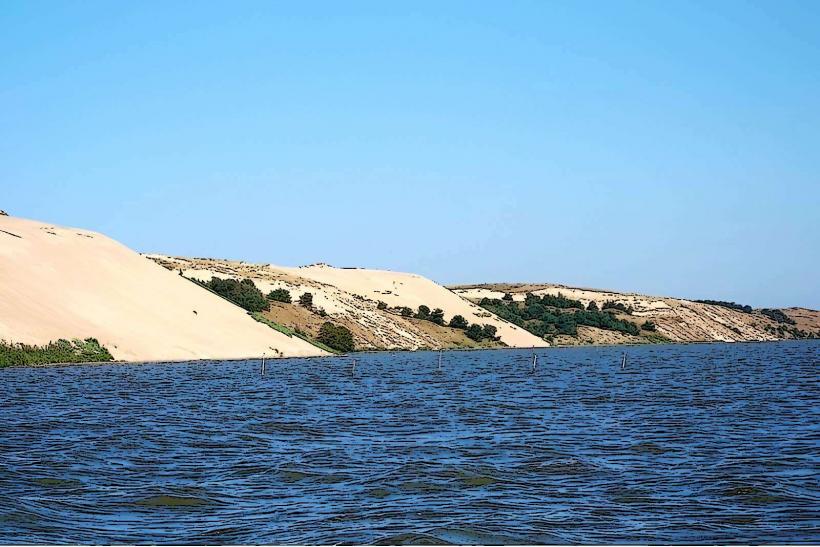
Pape Lake is a large, elongated freshwater body with an average depth of approximately 0.5 to 1.5 meters. Its water color typically ranges from greenish-brown to dark brown due to high organic matter content and dense aquatic vegetation. The lake's shores are predominantly low-lying and marshy, characterized by extensive reed beds (Phragmites australis) and sedges. To the west, a narrow strip of coastal dunes and pine forests separates the lake from the Baltic Sea. The surrounding landscape includes wet meadows, bogs, and mixed forests.
Location & Access Logistics
Pape Lake is situated approximately 55 kilometers south of Klaipeda, Lithuania. To access the lake from Klaipeda, one must travel south on the A13 national road, which becomes the A11 in Latvia after crossing the Kalnupiai-Rucava border checkpoint. The journey typically takes about 1 hour by car. Designated parking areas are available near the Pape Nature Park Visitor Center and at various trailheads around the lake. Public transport options from Klaipeda are limited; intercity buses run to Rucava (Latvia), approximately 10 kilometers east of the lake, from where local transport or a taxi would be required.
Historical & Ecological Origin
Pape Lake is a relict lagoonal lake, formed approximately 5,000 to 7,000 years ago when a former bay of the Baltic Sea was separated from the open sea by the gradual accumulation of coastal sediments and the formation of sand dunes. It is classified as a shallow eutrophic lake. The lake and its surrounding areas are part of the Pape Nature Park, established in 2004, which is a Natura 2000 site. The park's primary ecological purpose is the protection of migratory bird species, rare plant communities, and the reintroduction of large herbivores such as wild horses, aurochs, and European bison for natural grazing management.
Key Highlights & Activities
Birdwatching is a primary activity, especially during spring and autumn migration periods, from designated observation towers. Hiking is possible on several marked trails, including the Pape Lake Nature Trail, which offers views of the lake and surrounding habitats. Wildlife observation of wild horses, aurochs, and bison can be done from specific viewing platforms. Fishing is permitted with a valid license. Canoeing or kayaking on the lake is possible, offering a different perspective of the aquatic environment.
Infrastructure & Amenities
The Pape Nature Park Visitor Center, located on the eastern side of the lake, provides information, maps, and interpretive exhibits. Restrooms are available at the visitor center. Observation towers and platforms are strategically placed around the lake. Shade is limited in open marsh areas but available in forested sections of the park. Cell phone signal (4G/5G) is generally available throughout the area. Food vendors are scarce; visitors should plan to bring their own provisions or visit small shops in nearby villages like Pape or Rucava.
Best Time to Visit
The best time to visit Pape Lake for birdwatching is during the spring migration (April to May) and autumn migration (September to October), when thousands of birds pass through the area. For general nature enjoyment and hiking, the summer months (June to August) offer warmer weather and longer daylight hours. Early morning or late afternoon hours are optimal for wildlife observation and photography, as animals are most active during these times.
Facts & Legends
Pape Lake is one of the most important bird migration sites in Latvia, serving as a crucial stopover point for numerous species, including cranes, geese, and various waders. A unique ecological project within the Pape Nature Park involves the reintroduction of large herbivores – wild horses, aurochs (reconstructed through back-breeding), and European bison – to maintain the open landscape and prevent overgrowth, mimicking historical grazing patterns.
Nearby Landmarks
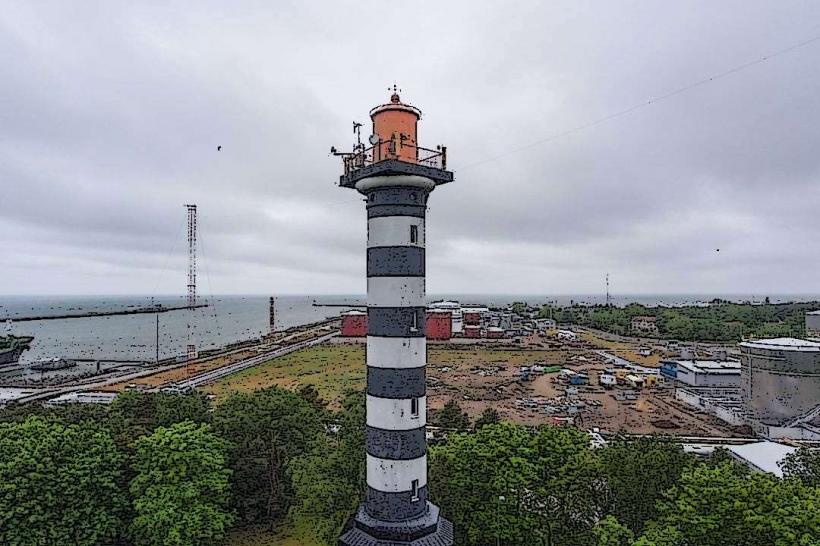
- Pape Lighthouse: 2.5km West
- Pape Ornithological Station: 1km North
- Pape Nature Park Visitor Center: 0.8km East
- Pape Village: 1.5km North
- Baltic Sea Coast: 0.5km West