Information
Landmark: Parc National La VisiteCity: Cap Haitien
Country: Haiti
Continent: North America
Parc National La Visite, Cap Haitien, Haiti, North America
Parc National La Visite is a protected area located in the Massif de la Selle mountain range of Haiti. It is situated approximately 40 kilometers southeast of Port-au-Prince.
Visual Characteristics
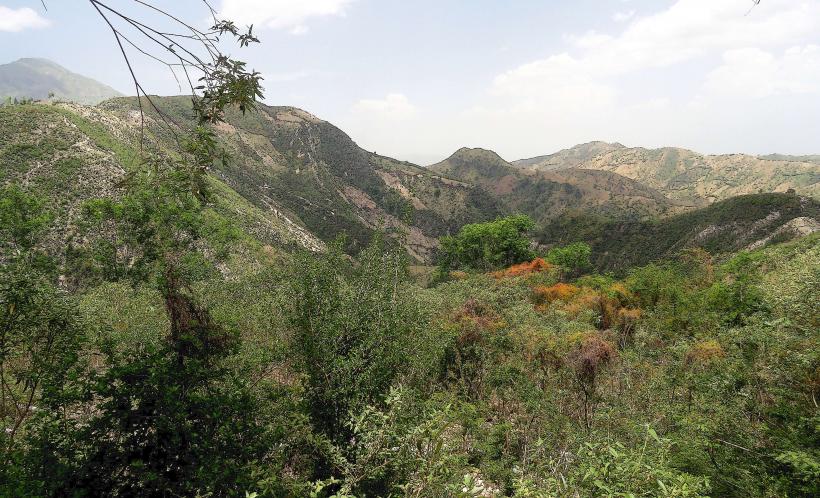
The park features montane cloud forest ecosystems characterized by dense vegetation, including pine forests (Pinus occidentalis) and various endemic plant species. Elevations range from 1,300 to 2,280 meters, resulting in cooler temperatures and frequent mist. The terrain is mountainous with steep slopes and deep valleys.
Location & Access Logistics
Access to Parc National La Visite is primarily via Route Nationale 2 (RN2) heading east from Port-au-Prince. The turn-off for the park is near the town of Seguin. From Seguin, a rough, unpaved road (often requiring a 4x4 vehicle) leads into the park. The drive from Port-au-Prince to the park entrance can take 3-4 hours depending on road conditions. Public transport to Seguin is available via shared taxis or tap-taps, but onward travel into the park is limited to private vehicles or organized tours.
Historical & Ecological Origin
Established in 1983, Parc National La Visite was created to protect Haiti's remaining montane forest ecosystems and the biodiversity they support. Ecologically, it represents a critical habitat for several endemic species, including birds and amphibians, and plays a role in watershed protection for surrounding communities.
Key Highlights & Activities
Hiking is the primary activity, with trails leading through the pine forests and to viewpoints. Birdwatching is a significant draw due to the presence of endemic species. Visitors can explore the park's diverse flora and fauna. Overnight camping is permitted in designated areas with prior authorization.
Infrastructure & Amenities
Basic infrastructure within the park is limited. There are no formal visitor centers or developed amenities. Restrooms are generally absent. Cell phone signal is unreliable to non-existent within most of the park. Food vendors are not present within the park boundaries; visitors must bring their own supplies.
Best Time to Visit
The dry season, from November to April, offers the most favorable conditions for visiting, with less rainfall and clearer skies. The best time of day for photography is generally in the morning before the clouds typically roll in, or during late afternoon for softer light. High elevations can be cool year-round.
Facts & Legends
The park is home to the Haitian Solenodon (Solenodon paradoxus), a rare, nocturnal mammal considered a living fossil. Local folklore sometimes speaks of spirits inhabiting the dense forests, particularly around ancient trees.
Nearby Landmarks
- Parc National Pic Macaya (Approx. 60km Southwest)
- Bassin Bleu (Approx. 35km West)
- Fort des Platons (Approx. 30km Northwest)
- Jacmel (Approx. 45km West)