Information
Landmark: Perdido KeyCity: Gulf Shores
Country: USA Alabama
Continent: North America
Perdido Key, Gulf Shores, USA Alabama, North America
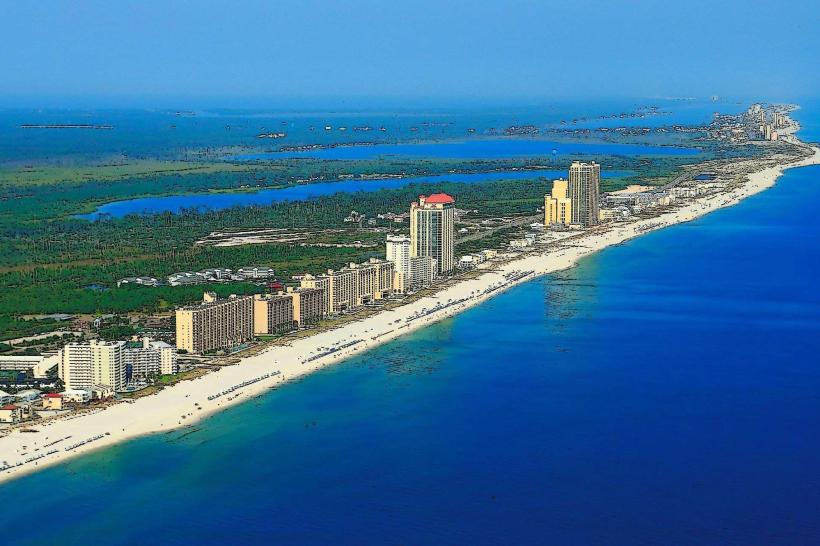
Perdido Key is a barrier island situated in Gulf Shores, Alabama, USA. It is characterized by its sandy beaches and coastal dune systems.
Visual Characteristics
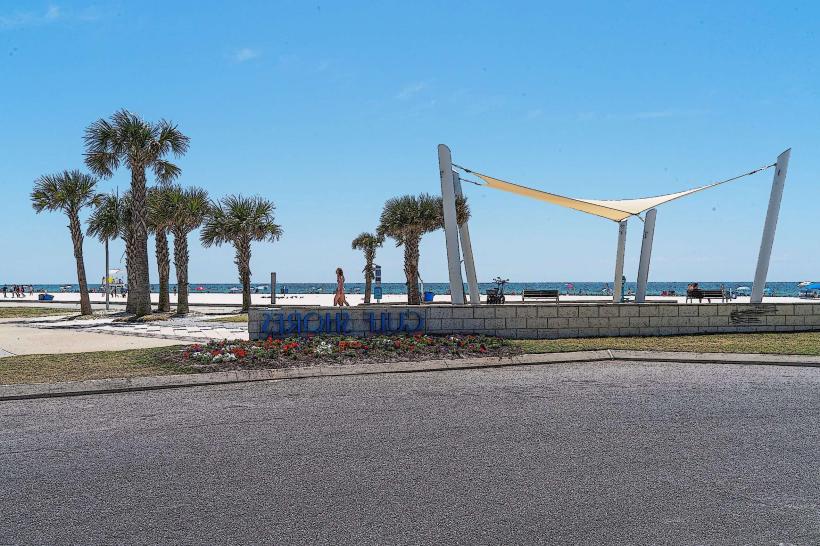
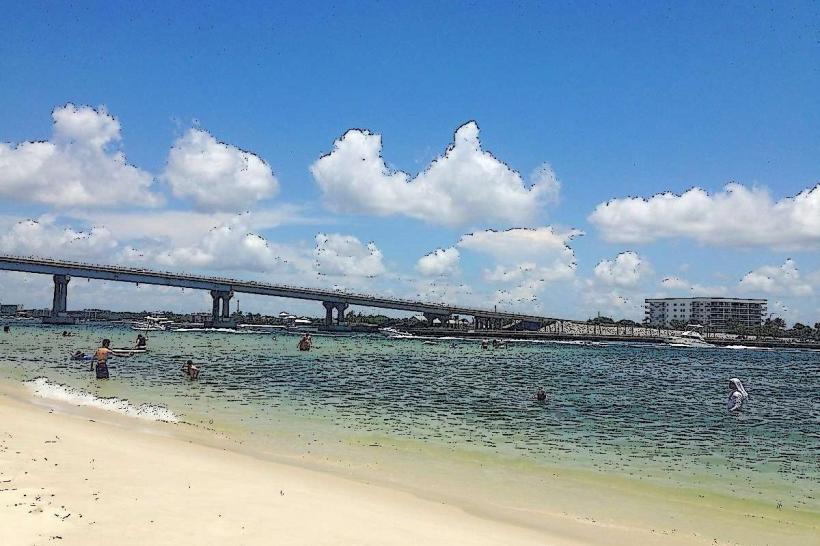
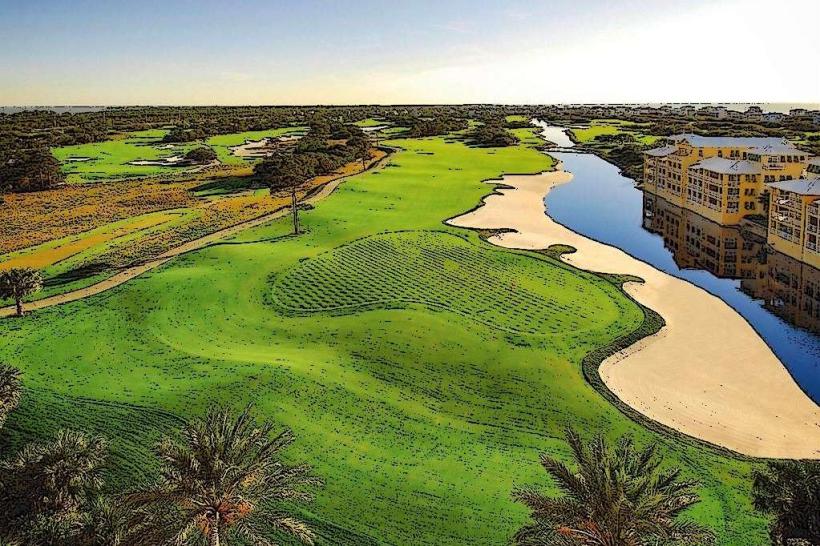
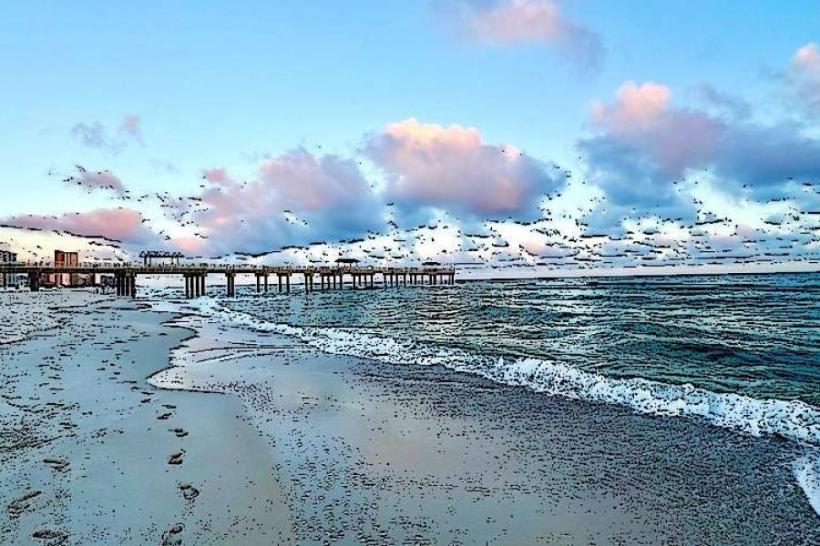
The island features white sand beaches composed of fine quartz grains. The Gulf of Mexico waters adjacent to the key are typically turquoise to deep blue. Coastal vegetation includes sea oats, palmetto, and various dune grasses adapted to sandy, saline environments. The island's elevation is generally low, with dunes reaching up to 15 feet in some areas.
Location & Access Logistics
Perdido Key is located at the western edge of Gulf Shores, Alabama, bordering Florida. Access is primarily via State Route 180 (Perdido Beach Boulevard). The island is approximately 15 miles west of the Gulf Shores city center. Public parking is available at designated beach access points along State Route 180. There are no direct public transport routes servicing the island itself; visitors typically drive or use ride-sharing services.
Historical & Ecological Origin
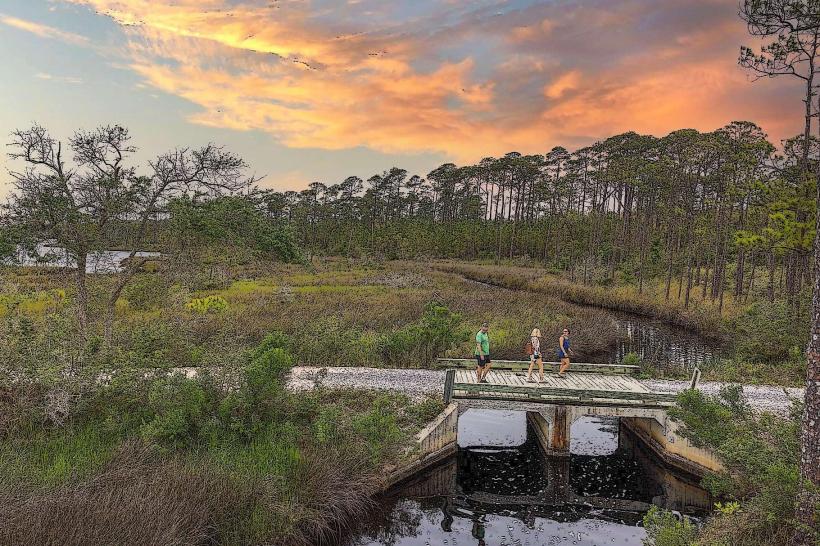
Perdido Key is a natural barrier island formed by the accumulation of sand deposits over millennia. Its geological origin is tied to the Holocene epoch, shaped by sea-level fluctuations and sediment transport along the Gulf Coast. Ecologically, it functions as a critical habitat for shorebirds and sea turtles, and its dune systems provide natural protection against storm surges.
Key Highlights & Activities
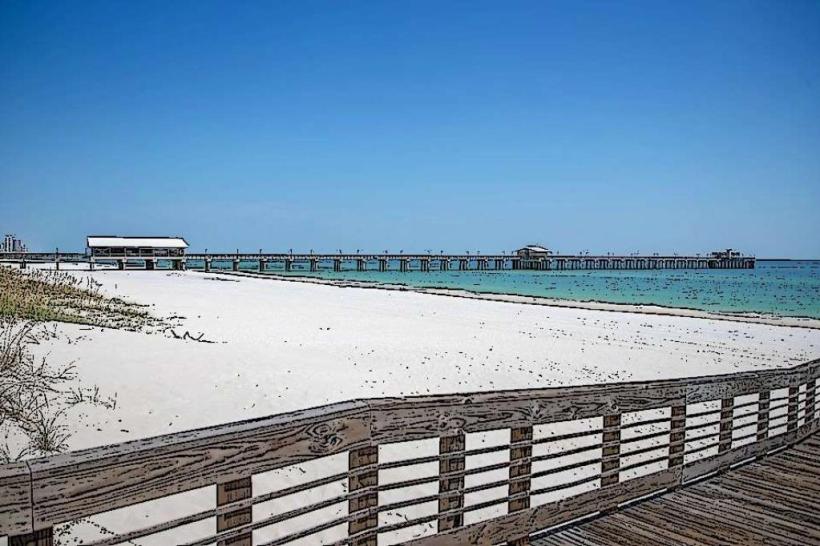
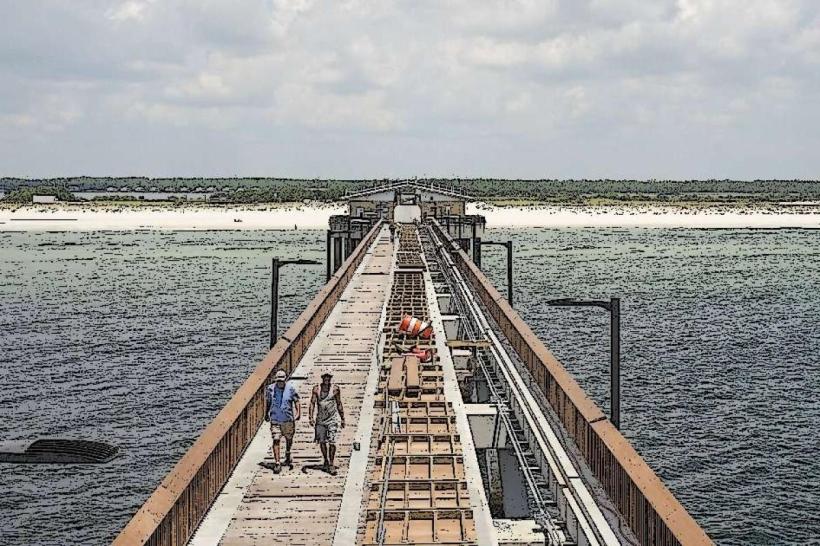
Activities include beachcombing, sunbathing, and swimming in the Gulf waters. Birdwatching is a common pursuit due to the island's status as a migratory bird stopover. Fishing from the shore or nearby piers is also possible. Kayaking and paddleboarding are suitable in calmer bay-side waters, though less common on the Gulf side due to wave action.
Infrastructure & Amenities
Beach access points often include basic amenities such as portable restrooms and trash receptacles. Shade is limited to natural dune vegetation or personal umbrellas. Cell phone signal (4G/5G) is generally available along the developed sections of the key. Food vendors are not typically located directly on the island; dining options are concentrated in nearby Gulf Shores and Orange Beach.
Best Time to Visit
The best time for beach activities is during the spring (April-May) and fall (September-October) when temperatures are moderate and humidity is lower. Summer months (June-August) are hot and humid, with increased chances of afternoon thunderstorms. For photography, early morning and late afternoon offer softer light. High tide can reduce beach width; low tide exposes more sand.
Facts & Legends
The name "Perdido" is Spanish for "lost." Legend suggests the island was named by early Spanish explorers who lost sight of it due to fog or its low profile. A verified fact is that portions of Perdido Key are part of the Gulf Islands National Seashore, managed by the National Park Service, protecting its natural state.
Nearby Landmarks
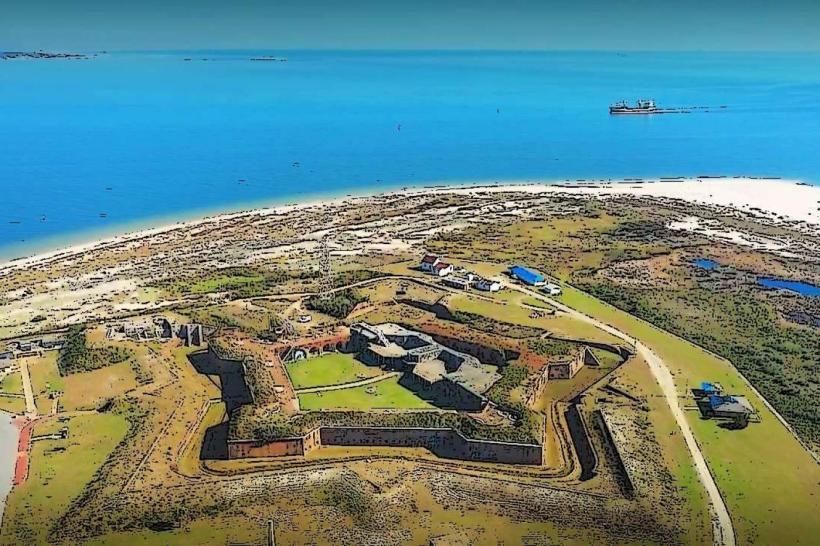
- Fort Morgan State Historic Site (8km East)
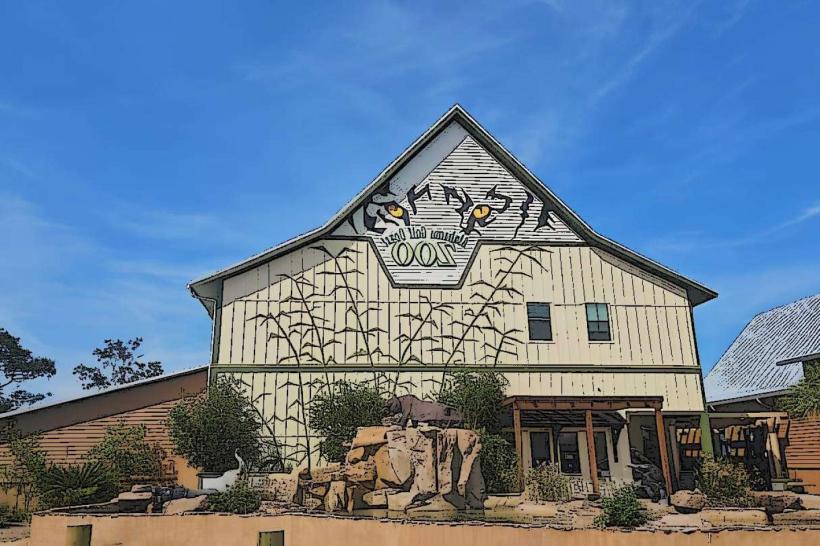
- Alabama Gulf Coast Zoo (12km East)
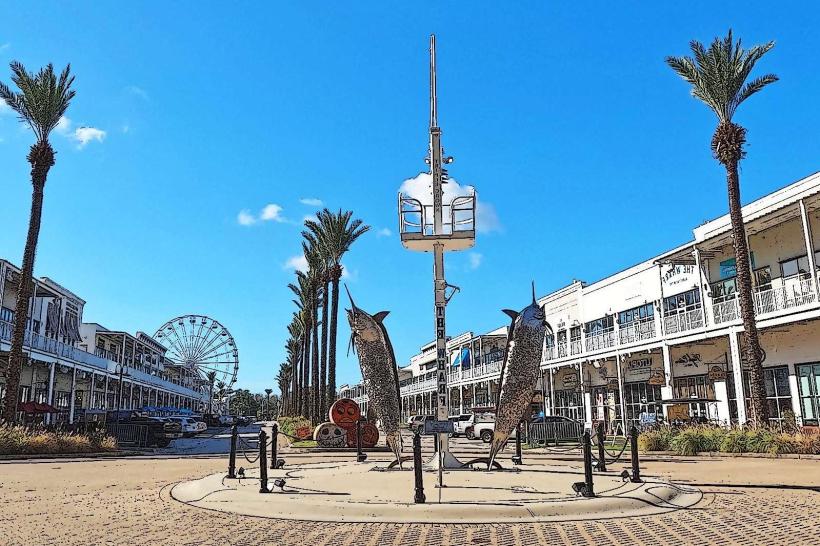
- The Wharf at Orange Beach (15km East)
- Pensacola Beach (20km West)
- Naval Air Station Pensacola (25km West)