Information
Landmark: Plaza MorazánCity: San Salvador
Country: El Salvador
Continent: North America
Plaza Morazán, San Salvador, El Salvador, North America
Overview
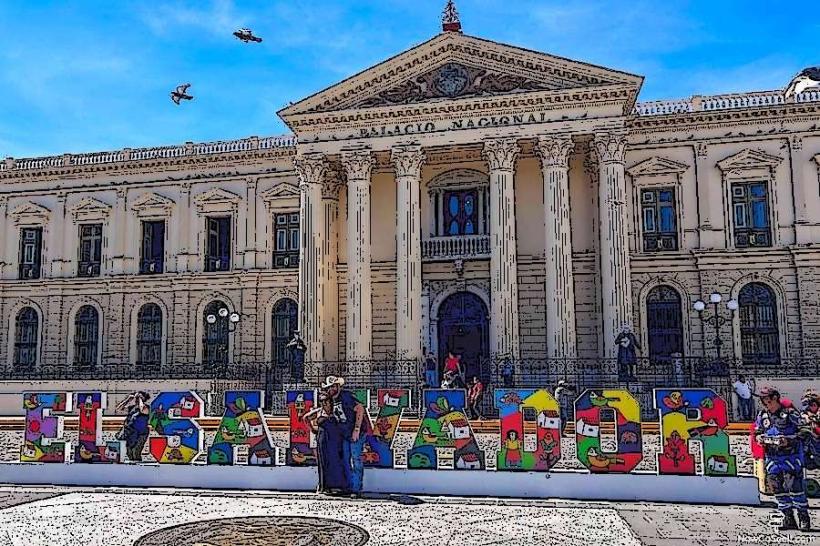
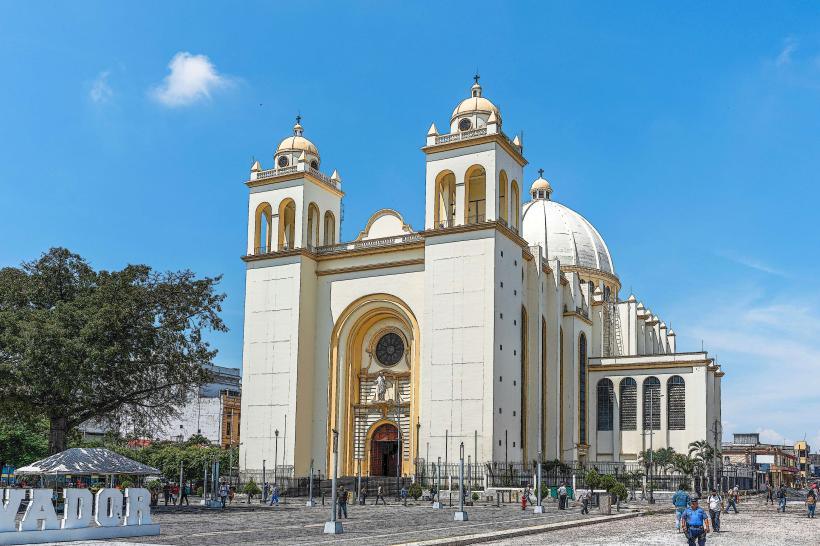
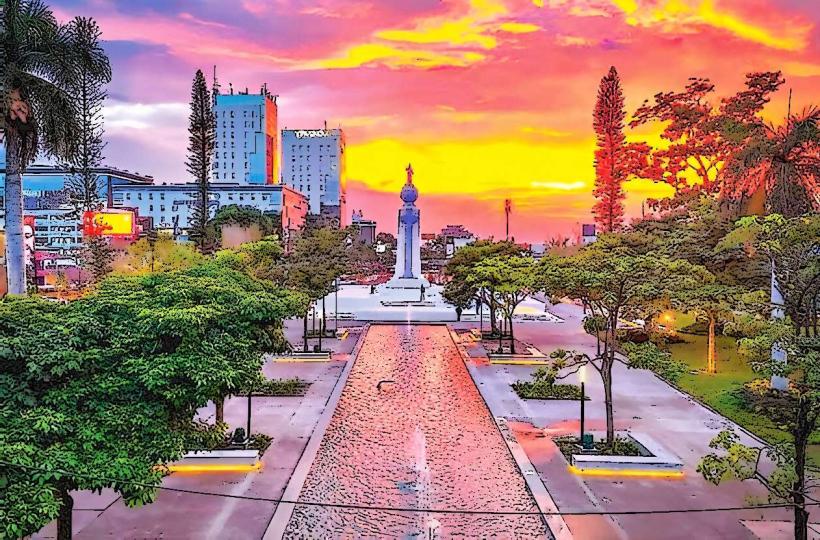
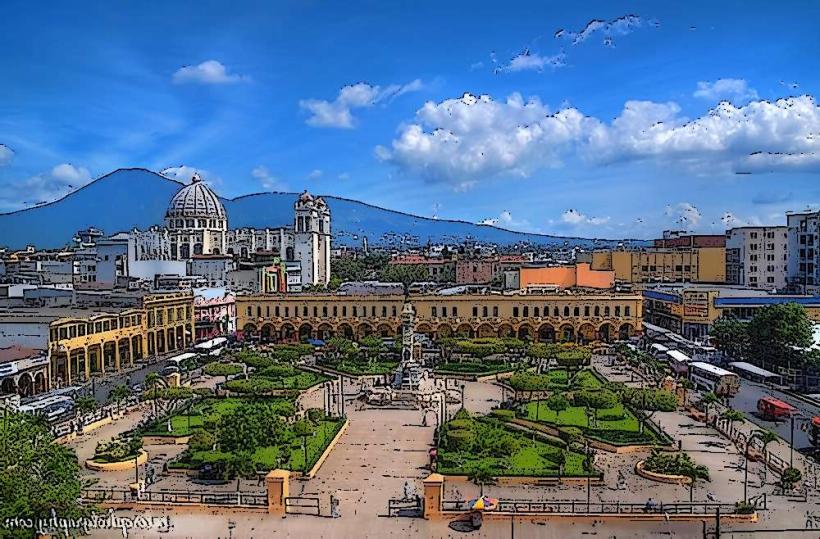
Truthfully, Plaza Morazán in San Salvador, El Salvador, is a historic public square alive with cultural significance, where the sound of street musicians often drifts through the air, while it’s named for Francisco Morazán, a 19th-century Central American leader who championed the dream of a united region, riding dusty roads to rally towns to his cause.In the heart of the city, the plaza stands out as a key landmark, framed by weathered colonial façades, dotted with stone monuments, and alive with the hum of people gathering to talk and linger, simultaneously plaza Morazán, set in the heart of San Salvador’s historic center, was created amid streets lined with fading colonial facades and open civic squares.For years, the plaza has drawn crowds for concerts, protests, and street festivals, with the smell of roasted corn often drifting through the air, not only that the square honors Francisco Morazán (1792–1842), a Honduran-born leader and soldier who fiercely championed the Federal Republic of Central America.He dreamed of bringing the countries of Central America together under one flag, and his leadership left a mark that still echoes in the streets and marketplaces today, alternatively today, the plaza still stands as a vibrant emblem of regional unity and Salvadoran pride, where flags ripple in the warm afternoon breeze.In the heart of Plaza Morazán stands its centerpiece-a tall monument honoring Francisco Morazán, bronze glinting in the sun, along with the statue shows him astride a horse, a clear nod to his bold leadership and the battles he fought for change.The bronze statue rises from a weathered stone pedestal, cool to the touch in the morning shade, besides the pedestal bears inscriptions that tell of Morazán’s role in shaping Central American history, each letter carved deep into the cool stone.As far as I can tell, On national holidays and commemorative days, people often cover the monument with radiant flowers and colorful ribbons, what’s more in San Salvador, the statue stands out as a landmark everyone knows, honoring Morazán’s fight for democracy, freedom, and the dream of uniting the region.Plaza Morazán is ringed by stately antique buildings, their weathered stone and carved balconies lending the square its rich cultural and architectural character, along with around the plaza, you’ll spot a few key landmarks-for example, the vintage clock tower with its sun-faded face.As it turns out, Just steps from the plaza, the National Theater of El Salvador-its white columns catching the midday sun-stands as the country’s oldest and most prestigious venue, built in the early 1900s, meanwhile the building showcases French Renaissance style, with gilded trim, vivid frescoes, and a sweeping stage framed in dusky wood, loosely The theater stages operas, concerts, plays, and a mix of other cultural shows, from a quiet string quartet to a lively folk dance, in addition number two stood alone, simple and sharp, like a single chalk mark on a slate.Many of the buildings circling the plaza rose during the late 1800s and early 1900s, their weathered stone façades still catching the afternoon sun, as well as the buildings blend neoclassical grace, baroque drama, and the warm charm of colonial style, with carved stone columns catching the afternoon light, slightly Believe it or not, Some of the classical buildings now house government offices, buzzing cultural centers, and shops with shining signs in the windows, on top of that plaza Morazán has long drawn crowds, serving as the backdrop for pivotal moments in El Salvador’s social and political life-speeches echoing across the square, flags snapping in the wind.Throughout the nation’s history, it’s been the stage for political speeches, fiery protests, and packed public demonstrations-sometimes with voices echoing across the square, then this destination buzzes with civic and cultural celebrations, from Independence Day parades to lively street festivals.Locals and tourists alike gather here, turning it into a lively spot in San Salvador’s historic center where music drifts from open doorways, what’s more over the years, workers have renovated Plaza Morazán, carefully restoring its historic details-like the worn stone benches that catch the afternoon sun.Curiously, The local government’s been working to protect the aged colonial buildings and breathe current life into the plaza’s public spaces, from fresh paint on faded walls to shaded benches under the trees, along with they’ve worked to fix up the walkways, add fresh lighting that spills warm gold at dusk, and keep the statue of Francisco Morazán in good shape.Today, Plaza Morazán stays bustling, a spot where locals chat on shaded benches and kids chase pigeons, while tourists come to admire its historic monuments and elegant architecture, moreover locals gather in the plaza to rest, swap news, and watch the afternoon sun spill across the stone benches.Street performers juggle or play guitar, while artists bring the sidewalks to life for passersby, also nearby markets and food stalls serve up traditional Salvadoran dishes, from sizzling pupusas to sweet empanadas.Start your tour of San Salvador’s historic district in the plaza-it’s just a short hike to the Metropolitan Cathedral, the National Palace, and the shaded benches of Plaza Libertad, therefore plaza Morazán stands as one of San Salvador’s key historic squares, where people gather for concerts, speeches, and late-night conversations under the glow of vintage streetlamps.Framed by colonial facades and the statue of Francisco Morazán, the plaza-just steps from the city’s major landmarks-still stands as a proud emblem of El Salvador’s history.
Author: Tourist Landmarks
Date: 2025-09-14