Information
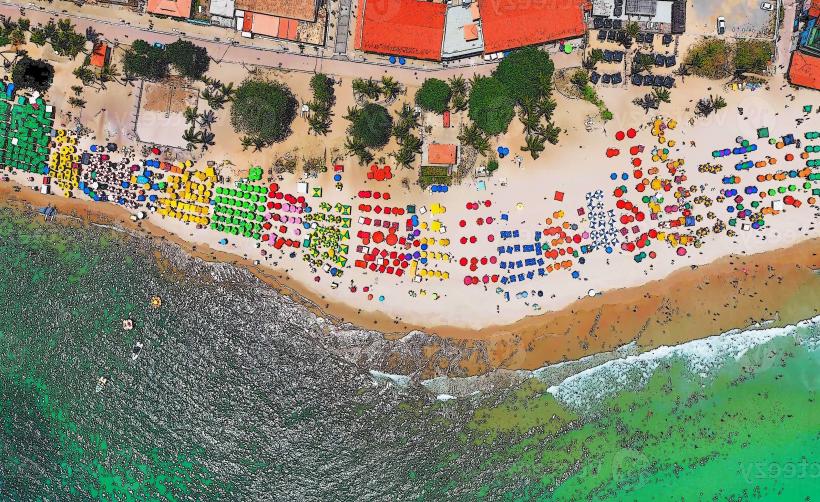
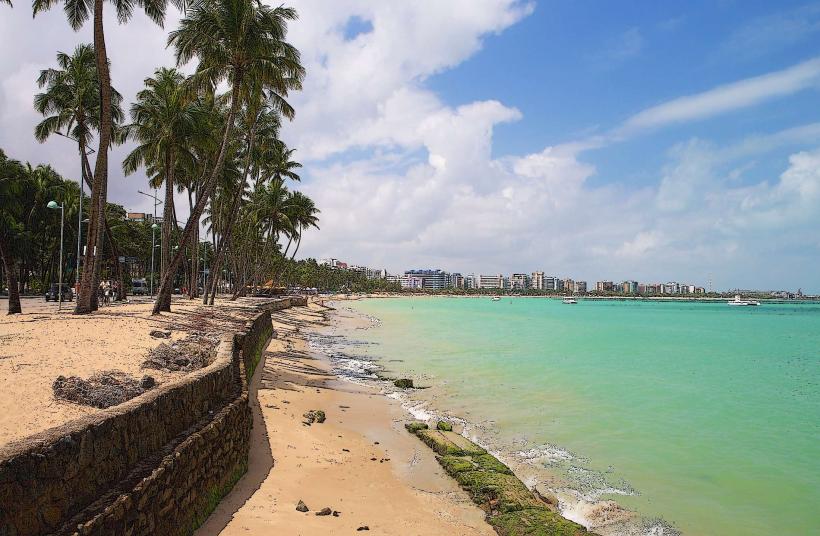
Landmark: Praia do Carro QuebradoCity: Maceio
Country: Brazil
Continent: South America
Praia do Carro Quebrado, Maceio, Brazil, South America
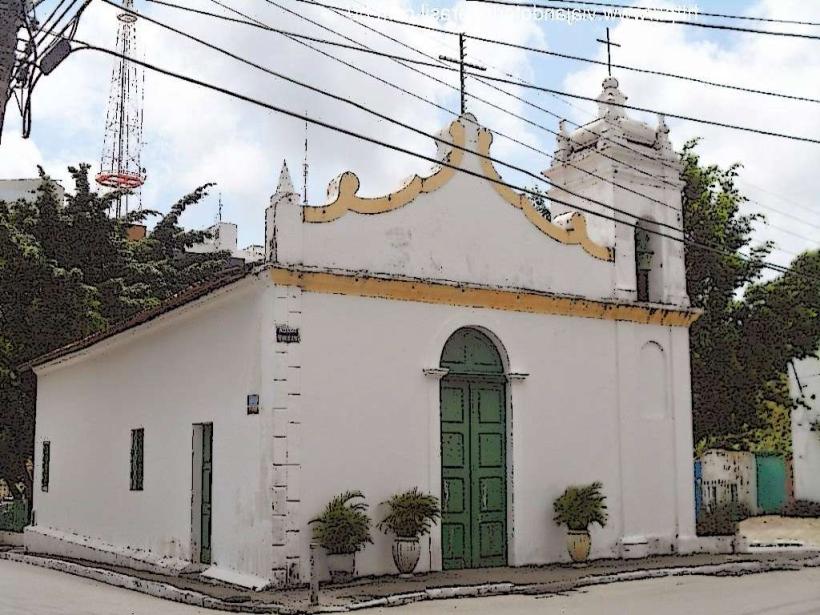
The Igreja de São Gonçalo do Amarante is a historic and culturally significant church located in the heart of Maceió, Alagoas, Brazil. This church is a beautiful example of colonial-era architecture and holds an important place in the religious and historical fabric of the city.
Here’s a detailed look at the Igreja de São Gonçalo do Amarante:
1. History:
The church was built in the 18th century, with its construction dating back to 1789, during the colonial period. It is dedicated to São Gonçalo do Amarante, the patron saint of the city, who is widely venerated for his miraculous works. São Gonçalo is known as the protector of the poor and the saint of justice and is also celebrated for his work as a preacher.
The church is one of the oldest in Maceió and plays a key role in the religious life of the local community.
2. Architectural Style:
The Igreja de São Gonçalo do Amarante is a great example of Baroque architecture, which was prominent in colonial Brazil. The church features intricate details and ornate decorations typical of the period, including:
- Impressive Facade: The facade of the church is simple yet elegant, with a baroque design that stands out against the backdrop of the surrounding buildings. Its clock tower is a notable feature.
- Interior Design: The inside of the church is richly decorated with gilded woodwork, stained glass windows, and intricate altars. The altar dedicated to São Gonçalo do Amarante is particularly impressive, with finely crafted wood carvings and religious iconography.
3. Cultural and Religious Significance:
- Patron Saint: The church is dedicated to São Gonçalo do Amarante, who is deeply revered in the region. His feast day is celebrated on January 10th, with religious ceremonies and processions drawing many worshippers from Maceió and beyond.
- Pilgrimages and Festivals: The church is an important site for pilgrims and is especially crowded during the feast of São Gonçalo, where people gather to honor the saint and seek blessings. The festivities include masses, processions, and cultural events.
- Local Identity: The church is not only a religious center but also a key part of Maceió's identity, reflecting the city's deep Catholic heritage.
4. Location:
The Igreja de São Gonçalo do Amarante is centrally located in Maceió, in the Centro Histórico (historic center) of the city, near other significant historical sites. Its central location makes it easily accessible to tourists and locals alike.
5. Renovations and Preservation:
Over the years, the church has undergone several renovations to maintain its structural integrity and preserve its historical and cultural value. Efforts have been made to restore some of its original features, including the restoration of the altar and preservation of the artwork inside.
6. Visitor Experience:
- Tourism: Visitors to Maceió often stop by the Igreja de São Gonçalo do Amarante to admire its beauty and learn about the city's religious history. The church provides a peaceful retreat from the bustling streets of downtown Maceió.
- Religious Services: For those interested in participating in religious services, the church regularly holds masses, especially on Sundays and during religious festivals, allowing visitors to experience the local Catholic tradition.
7. Nearby Attractions:
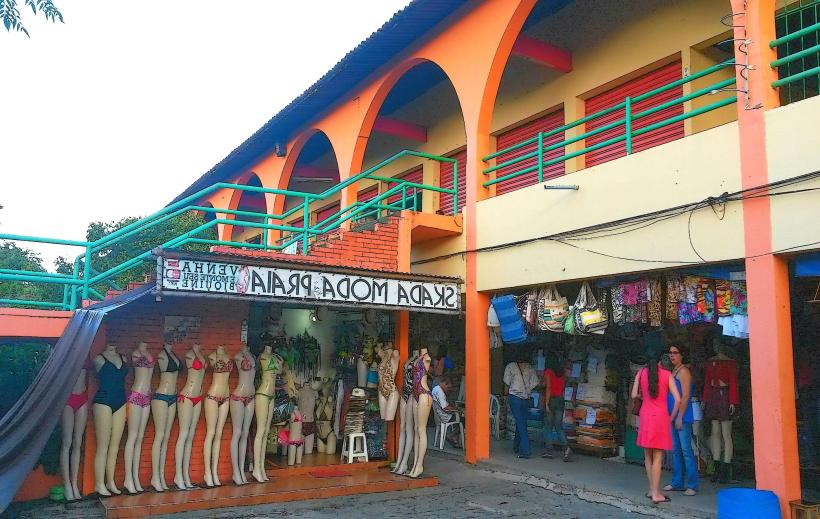
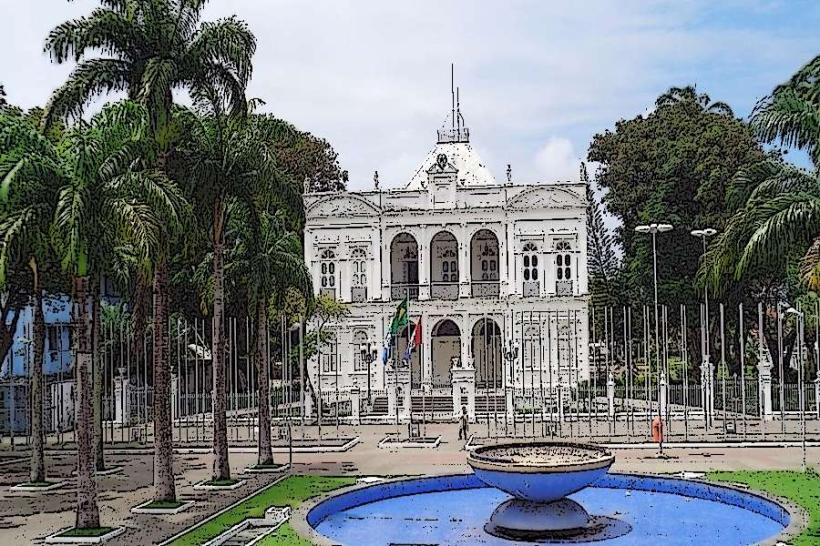
The church is located near other important sites in Maceió, including the Museu Palácio Marechal Floriano Peixoto and the Mercado do Artesanato, making it an ideal stop for a cultural and historical tour of the city.
8. Spiritual and Community Role:
Beyond its architectural and historical importance, the Igreja de São Gonçalo do Amarante plays an important role in the spiritual life of Maceió’s residents. It remains a place of reflection, prayer, and connection to the region’s Catholic traditions.
In summary, the Igreja de São Gonçalo do Amarante is a must-visit for anyone interested in Maceió's colonial history and religious heritage. Its beautiful architecture, historical significance, and vibrant community life make it one of the key cultural landmarks in the city.