Information
Landmark: Provo CanyonCity: Provo
Country: USA Utah
Continent: North America
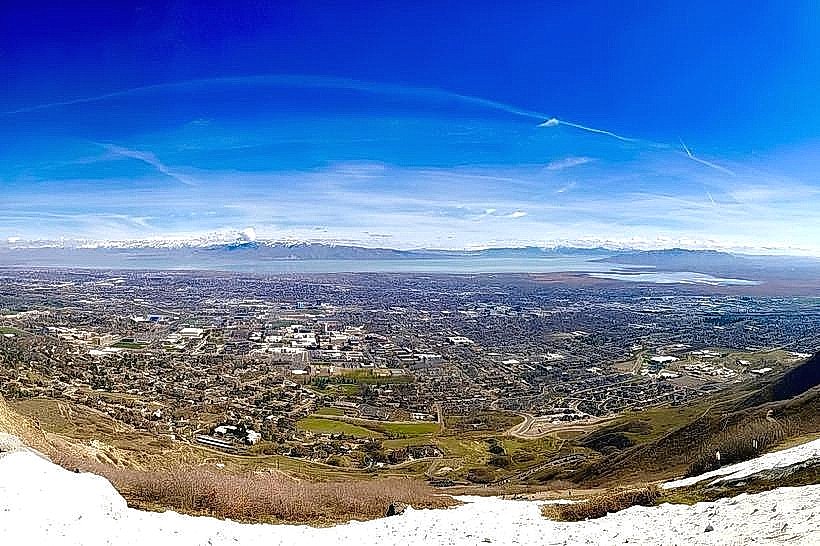
Provo Canyon, Provo, USA Utah, North America
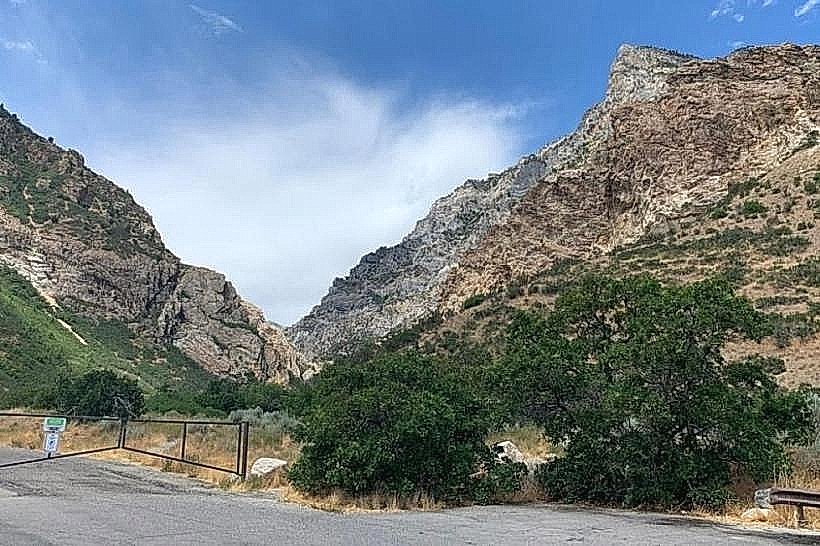
Provo Canyon, stretching between Provo and Heber City, Utah, is one of the most scenic and frequently visited natural corridors in the state. Carved by the Provo River and framed by the towering cliffs of the Wasatch Range, the canyon is a gateway to some of Utah’s most celebrated outdoor destinations-including Bridal Veil Falls, Deer Creek Reservoir, and Sundance Mountain Resort. Combining breathtaking landscapes with accessible recreation, Provo Canyon offers visitors a complete experience of Utah’s alpine beauty.
Landscape and Setting
Provo Canyon extends for roughly 24 miles, beginning at the eastern edge of Provo and climbing through dramatic mountain terrain toward Heber Valley. The canyon’s walls rise sharply on both sides, displaying layers of limestone, quartzite, and sandstone that catch light differently throughout the day-gray and pink in the morning, golden near sunset. The Provo River runs the length of the canyon, its clear, fast-moving waters cutting through dense groves of cottonwood, oak, and aspen.
Each season transforms the landscape: spring brings rushing water and wildflowers; summer reveals deep green slopes and cool riverside trails; autumn sets the entire canyon ablaze in amber and crimson; winter blankets the cliffs and pines with snow, attracting photographers and snowshoers alike.
Key Landmarks and Attractions
Provo Canyon contains several of Utah’s most iconic natural and recreational sites:
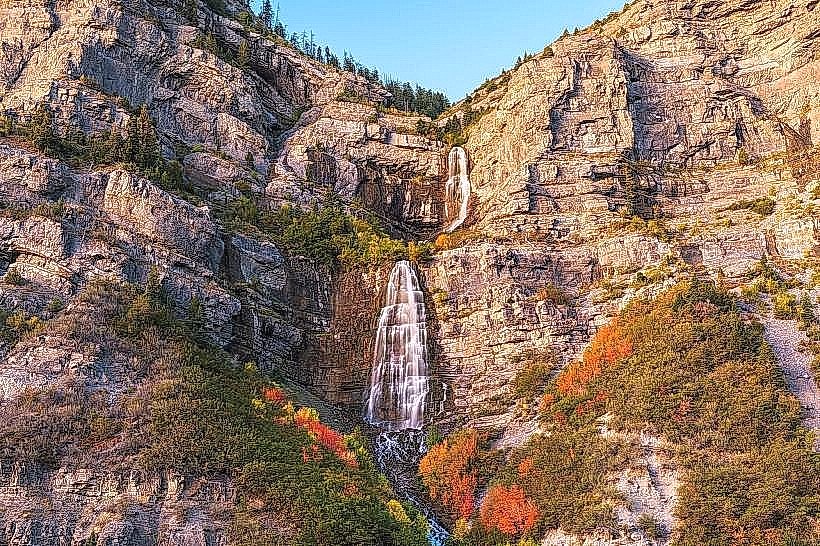
Bridal Veil Falls: Perhaps the canyon’s most famous landmark, this double-tiered waterfall cascades 600 feet down a limestone face. A paved trail leads to the base, where mist cools the air even on hot summer days. In winter, the falls sometimes freeze, creating striking ice formations that attract climbers and photographers.
Vivian Park: Located near the heart of the canyon, this park serves as a family-friendly base for picnics, fishing, and river access. The Provo River Trail passes through here, connecting cyclists and joggers with both Provo and the canyon’s upper reaches.
Sundance Mountain Resort: Founded by actor Robert Redford in the 1960s, this resort blends rustic architecture with high alpine scenery. It offers skiing, hiking, zip lines, and art workshops, all nestled beneath the shadow of Mount Timpanogos.
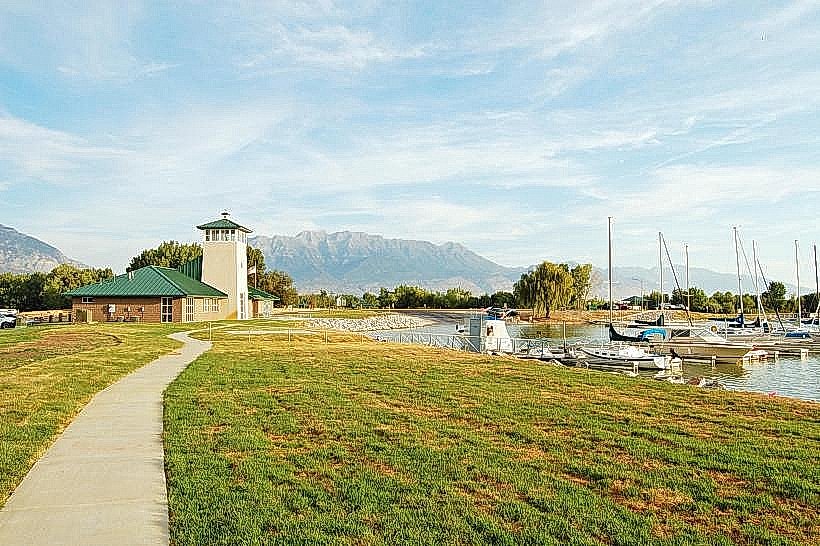
Deer Creek Reservoir: At the upper end of the canyon, this large lake provides boating, fishing, and swimming with sweeping mountain views. Windsurfers and paddleboarders are a common sight in summer.
Each stop along the canyon offers its own rhythm-from the quiet murmur of the river to the distant echo of waterfalls.
Outdoor Recreation
Provo Canyon is a year-round destination for outdoor enthusiasts.
Hiking and Biking: The Provo River Parkway Trail, one of Utah’s most scenic paved routes, follows the river for over 15 miles. For more rugged adventures, trails such as the Stewart Falls Trail or Mount Timpanogos Trailhead connect visitors with higher elevations and panoramic views.
Fishing and Water Sports: The Provo River is famous for world-class trout fishing, attracting anglers from across the country. Upstream, Deer Creek Reservoir and nearby reservoirs accommodate kayaking, sailing, and jet skiing.
Winter Recreation: When snow blankets the canyon, visitors enjoy skiing at Sundance, snowshoeing near Aspen Grove, and cross-country skiing along quiet trails lined with pine.
Every activity in Provo Canyon comes with the soundtrack of the river and the backdrop of steep rock walls-a sensory experience that feels both intimate and vast.
History and Heritage
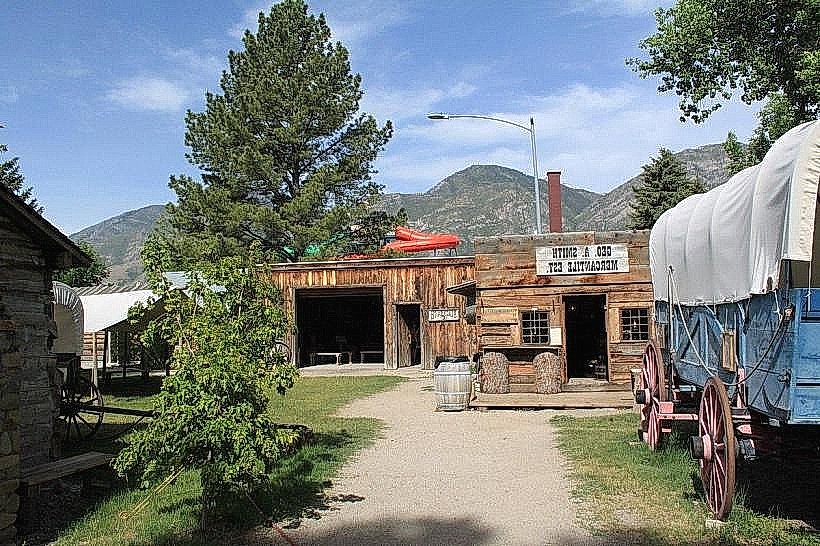
Long before settlers arrived, Ute tribes used Provo Canyon as a seasonal route for hunting and travel. In the mid-1800s, pioneers followed the same path, building the first wagon roads and later the Provo Canyon Road, which evolved into today’s U.S. Highway 189. The canyon became a key connector between Utah Valley and Heber Valley, shaping settlement and commerce in the region.
Remnants of early hydroelectric projects, such as the Olmsted Power Plant, still stand as historical markers of Utah’s industrial development. These early structures contrast with the untouched beauty surrounding them, showing how nature and progress have intertwined in the canyon’s history.
Visitor Experience
A drive through Provo Canyon offers a series of breathtaking reveals-towering cliffs that seem to close in around the highway, sudden views of waterfalls, and glimpses of the river glinting between trees. Pullouts and picnic areas line the route, encouraging travelers to stop and take in the view. Many visitors choose to combine a scenic drive with a short hike, a riverside picnic, or a stop at Sundance for lunch or coffee beneath the aspens.
The canyon’s proximity to Provo makes it a popular local escape, yet even on busy weekends, there are quiet corners where the only sounds are wind, birds, and the steady rush of the river.
Closing Impression
Provo Canyon is a living showcase of Utah’s natural drama-a landscape where rugged cliffs, forested slopes, and clear rivers come together in perfect proportion. It invites both adventure and reflection, offering visitors a space to hike, fish, climb, or simply breathe in the mountain air. Whether seen in the soft light of dawn or beneath a canopy of autumn leaves, the canyon captures the essence of the Utah wilderness-wild yet welcoming, ever-changing yet timeless.