Information
Landmark: Pueblito de DalcahueCity: Chiloe
Country: Chile
Continent: South America
Pueblito de Dalcahue, Chiloe, Chile, South America
Pueblito de Dalcahue: Charm and Tradition in Chiloé
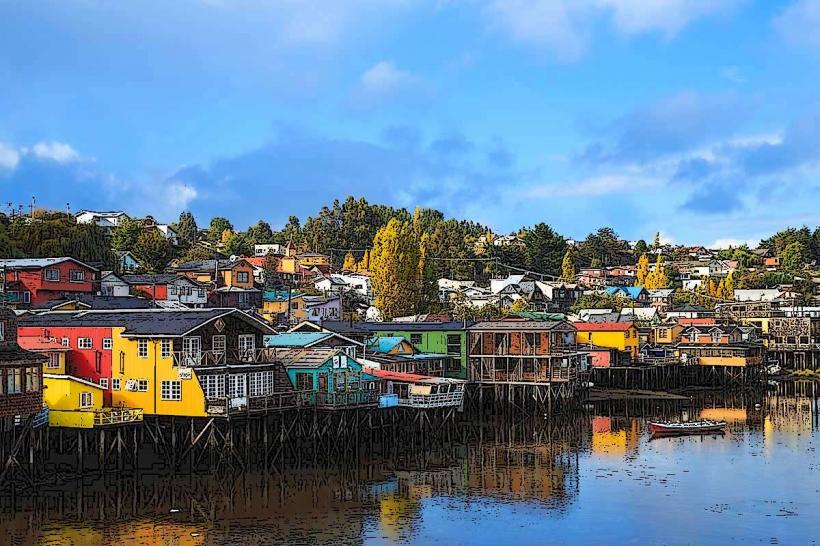
Dalcahue is a picturesque coastal town located on the Isla Grande de Chiloé in the Los Lagos Region of Chile. Known for its rich history, local traditions, and stunning natural surroundings, Dalcahue is one of the most important and charming destinations on the island. It is particularly notable for its vibrant local life, artisan markets, and iconic wooden churches.
1. Location and Accessibility
The Pueblito de Dalcahue is situated on the west coast of the Isla Grande de Chiloé, approximately 30 kilometers north of Castro, the island’s capital. Dalcahue is easily accessible via the V-60 Route, whether traveling by car or public transportation from Castro. Its location near other significant towns like Achao and Chonchi makes it a convenient base for exploring the island.
2. History and Culture
Dalcahue has a deep historical background, dating back to the colonial era when the first Spanish missions were established in Chiloé. Over the centuries, it has become a vital hub for commerce, fishing, and agriculture in the region. Today, Dalcahue is a thriving town that retains much of its traditional Chilote culture, with an enduring connection to local customs, handicrafts, and religious practices.
The town has historically been influenced by the indigenous Huilliche people, whose customs and traditions still play a role in the daily life of Dalcahue's residents. The town is renowned for its craftsmanship in wooden figures, woven textiles, and wickerwork, which reflect the fusion of Mapuche and Spanish heritage in Chiloé.
3. Key Attractions
a) Dalcahue Church
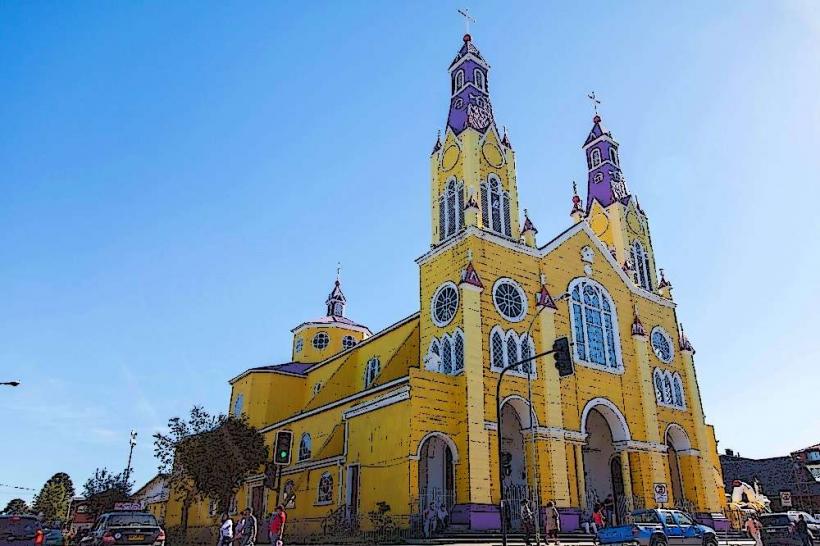
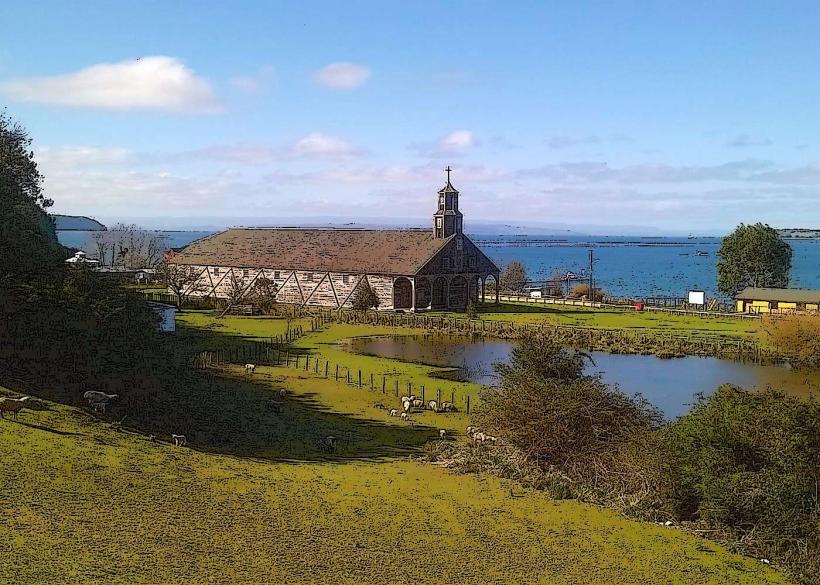
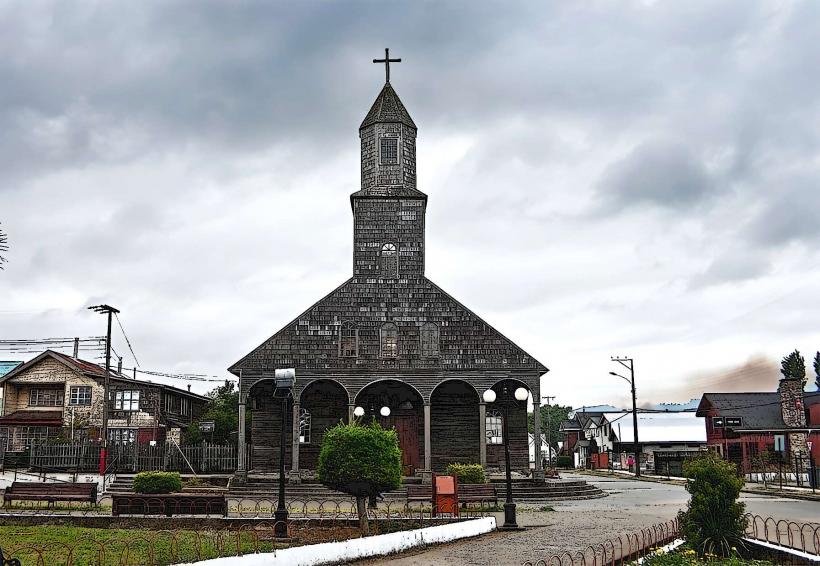
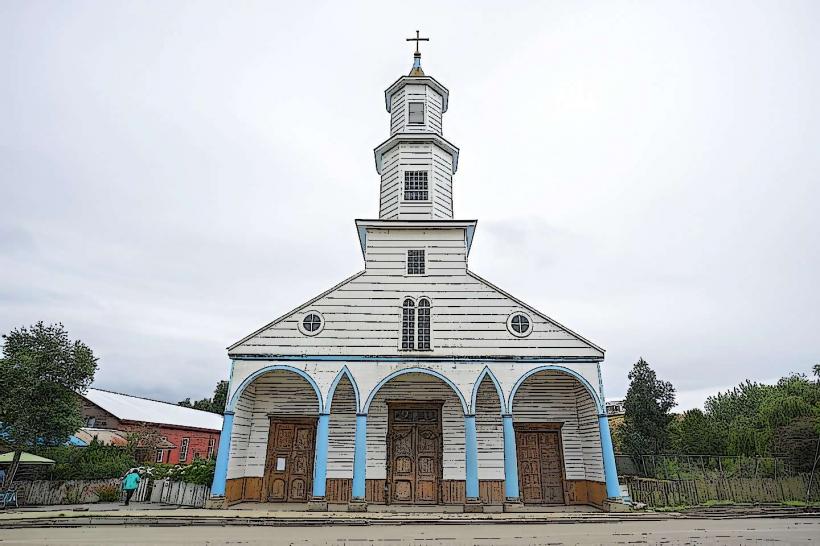
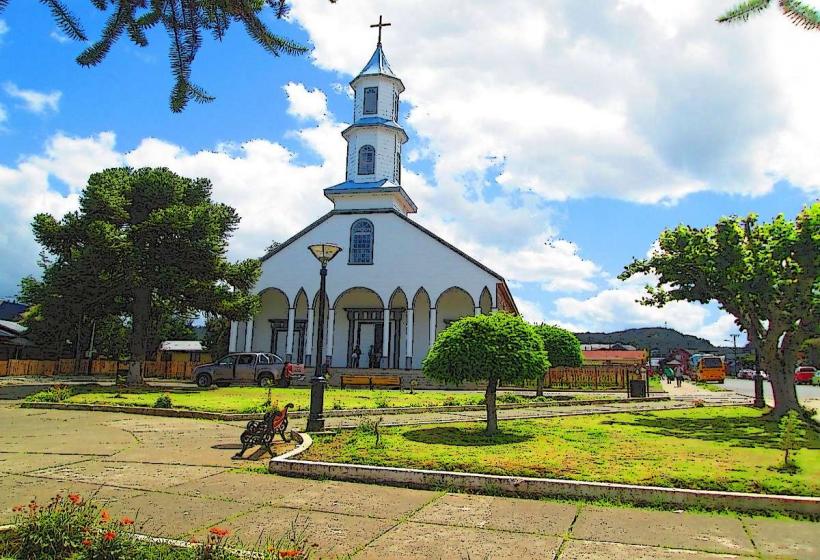
The Iglesia de Dalcahue is one of the most prominent landmarks in the town. It is part of the UNESCO-listed wooden churches of Chiloé. This church is a prime example of the Chilote wooden architecture that features local wood in its construction. The church, with its distinctive bell tower and wooden structure, holds historical and cultural significance, as it represents the region's religious traditions.
b) Dalcahue Market
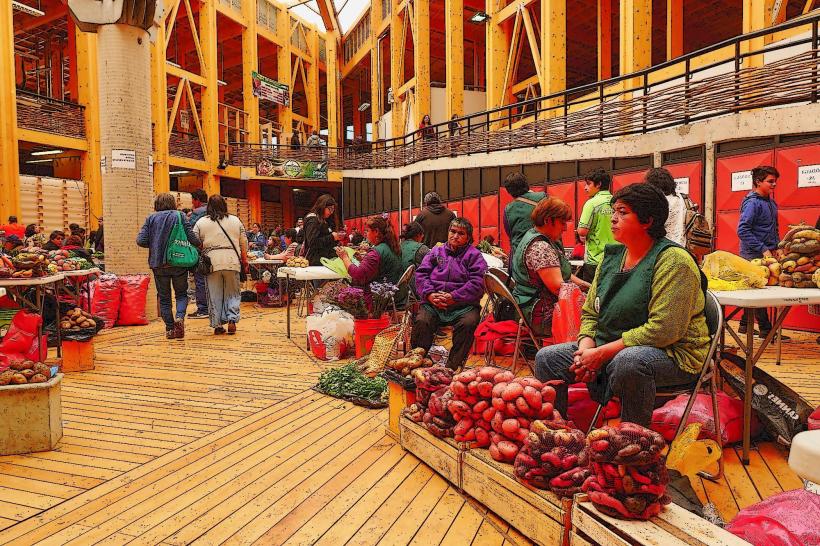
One of Dalcahue's main attractions is its artisan market, which has been a focal point of the town’s economy and culture for generations. The market is a bustling area where visitors can purchase local handicrafts, such as handwoven textiles, baskets, wooden carvings, and knitted garments. The market is also a place to sample traditional Chilote food, particularly seafood, including fresh mussels, shrimp, and clams, reflecting the town's connection to the sea.
The market is a great place to experience the local way of life, where visitors can interact with artisans, fishermen, and farmers who bring their products to sell. The lively atmosphere and the variety of goods available make the market a must-see for anyone visiting Dalcahue.
c) The Artisan District
The artisan district of Dalcahue is another important feature of the town, where visitors can discover locally-made goods, often in small workshops and stores. The woven goods and wood carvings are particularly popular, and many artisans produce work that depicts local life, animals, and mythical figures from Chilote folklore. This area is perfect for anyone looking to bring home a piece of Chiloé's cultural heritage.
d) Festivals and Cultural Events
Dalcahue is home to several important religious and cultural festivals throughout the year, with one of the most famous being the Fiesta de Nuestra Señora de los Dolores in September. This festival celebrates the patron saint of the town and is marked by processions, religious services, and cultural events. During this time, visitors can experience the town at its liveliest, with local music, dances, and an incredible display of community spirit.
4. Natural Beauty and Surroundings
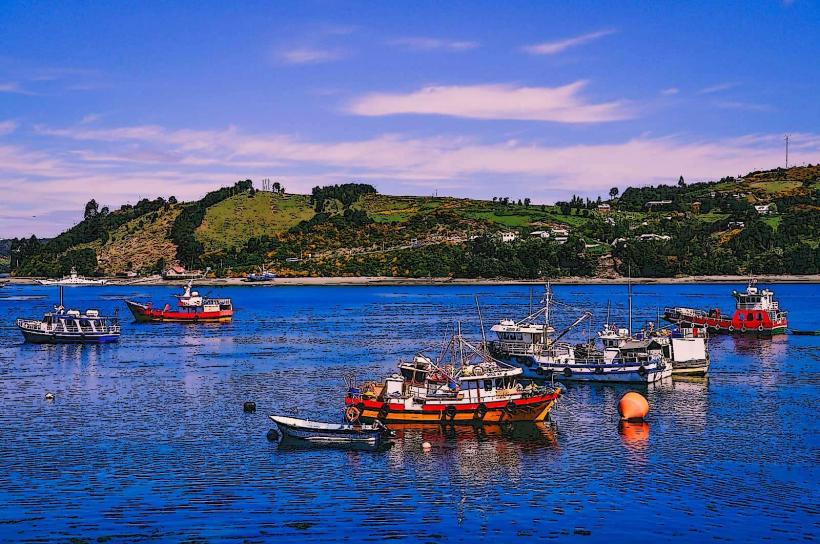
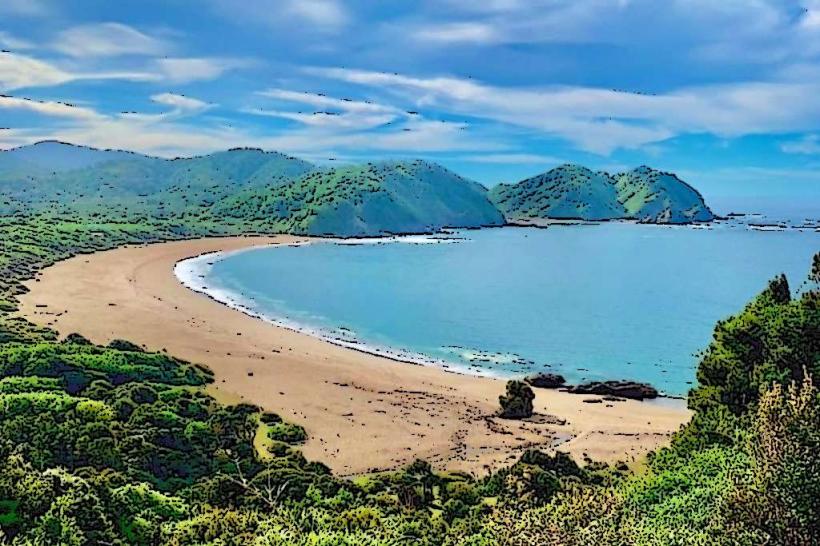
Dalcahue is surrounded by stunning natural landscapes, including native forests, beaches, and rivers. The town’s location along the Chiloé Archipelago provides breathtaking views of the Chiloé channels and surrounding islands.
a) Dalcahue Channel
The Dalcahue Channel is an essential part of the town’s natural beauty. Visitors can explore the channel via boat tours, where they can enjoy views of the surrounding islands, observe local marine life, and take in the tranquility of the water. The channel is also a great spot for birdwatching, with numerous sea birds and other wildlife frequenting the area.
b) Coastal Walks and Beaches
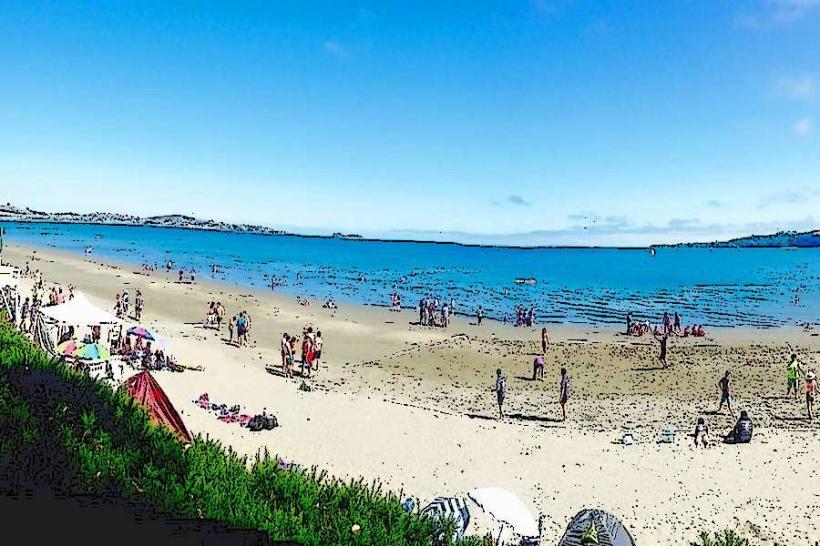
Dalcahue offers several scenic spots for those who enjoy nature and outdoor activities. The coastal walks around the town offer opportunities to enjoy the peaceful environment while taking in views of the ocean and green hills. Nearby beaches are perfect for a relaxing day, with the option to swim, sunbathe, or walk along the shoreline.
5. Gastronomy
The gastronomy of Dalcahue is another major draw for visitors. The local cuisine is based largely on seafood, which is harvested from the surrounding channels. Curanto, a traditional Chilote dish made of seafood, meat, vegetables, and potatoes cooked in an underground oven, is one of the most popular dishes to try in Dalcahue. The town is also known for its smoked meats, artisan cheeses, and freshly baked bread.
At the Dalcahue Market, visitors can sample local seafood stews and empanadas, as well as dairy products like Chilote cheese. The market offers an authentic taste of the island’s food culture, with many small food stalls serving up traditional dishes to enjoy.
6. Best Time to Visit
The best time to visit Dalcahue is during the spring and summer months (November to March), when the weather is warmer, and the outdoor activities are more enjoyable. However, the September celebrations of the Fiesta de Nuestra Señora de los Dolores also provide a unique cultural experience for those visiting during that time.
7. How to Get There
Dalcahue is easily accessible from Castro by car, which takes about 1 to 1.5 hours. There are also buses that run regularly between the two towns, making it convenient for visitors to travel around the island. For those exploring Chiloé, Dalcahue is an ideal stop along the route to discover other Chilote villages and natural landmarks.
Conclusion
The Pueblito de Dalcahue is a place full of tradition, history, and natural beauty. From its artisan market and wooden church to its rich cultural heritage and stunning coastal landscapes, Dalcahue offers an authentic glimpse into the life and culture of Chiloé. Whether exploring the local crafts, enjoying the gastronomy, or relaxing by the Dalcahue Channel, this charming town is a must-visit destination for anyone interested in the heart and soul of Chiloé.