Information
Landmark: Rabat MedinaCity: Rabat City
Country: Morocco
Continent: Africa
Rabat Medina, Rabat City, Morocco, Africa
The Rabat Medina is the historic old quarter of Rabat, Morocco's capital. As one of the most significant cultural and historical areas in the city, the Medina is a place where you can immerse yourself in the traditional life of Morocco while enjoying its rich history and vibrant culture. It is a UNESCO World Heritage Site and serves as a link to Rabat's past, offering a window into the city’s long and diverse history.
1. Historical Background
Founding: The Medina of Rabat dates back to the 12th century, when it was founded by the Almohad dynasty. The area originally developed as a military and religious hub, and over time, it grew into the commercial and social heart of the city.
Cultural Significance: The Medina played an important role during the Almohad period and later as a base for the Merenid dynasty in the 14th century. It is home to the old administrative and royal buildings, which show the historical layers of Rabat's development.
UNESCO Recognition: In 2012, the Medina of Rabat was designated as a UNESCO World Heritage Site due to its exceptional cultural and historical value. It is recognized for the preservation of traditional Moroccan urban planning and architecture.
2. Architectural Features
Narrow Streets and Alleyways: The Medina is famous for its labyrinthine streets and narrow alleyways that create a maze-like atmosphere. These winding paths lead to small squares, hidden courtyards, and artisan shops, providing a glimpse into traditional Moroccan life.
Traditional Architecture: The Medina is characterized by its whitewashed buildings with blue accents. Many of the houses are designed in the traditional Moroccan style, with decorative tiles, wooden doors, and arched windows. Some buildings still have the traditional Moorish style, with intricate carvings and geometric patterns.
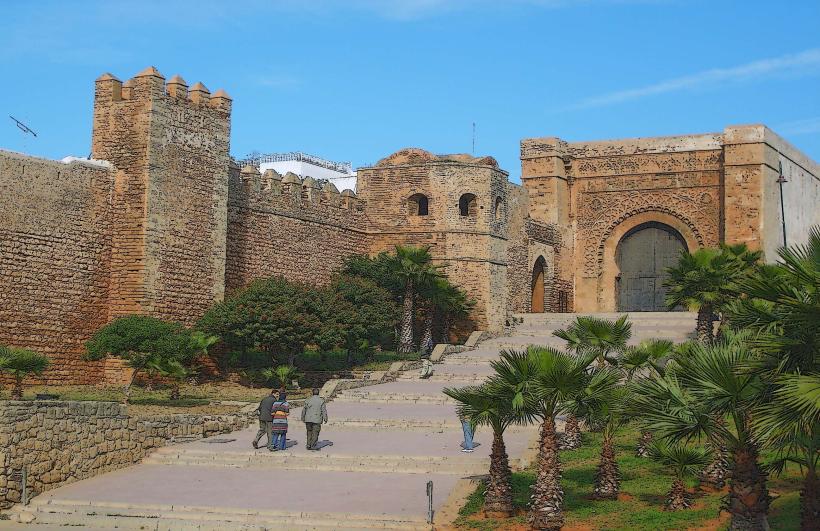
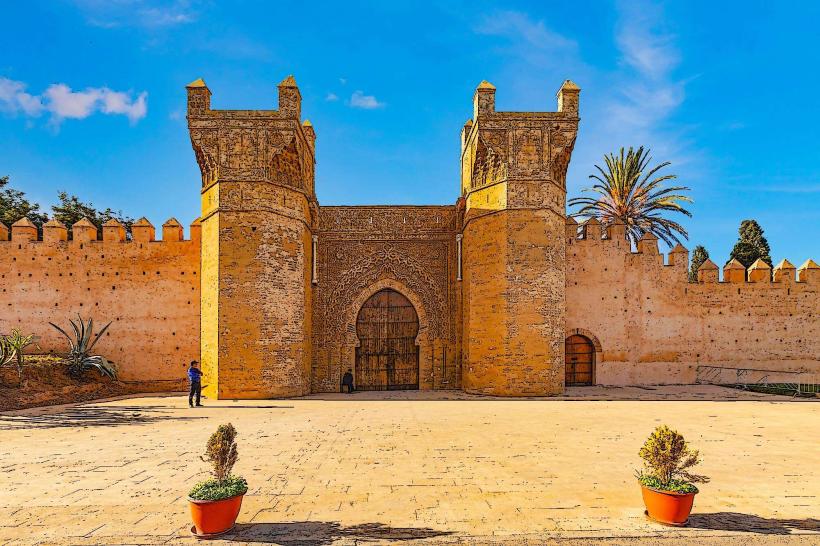
Historic Gates: The Medina is home to several important gates, or bab, that mark its entry points. One of the most famous is the Bab el-Hadd, an impressive gate that opens into the Medina. These gates, often made of wood and stone, are important architectural features.
3. Key Attractions
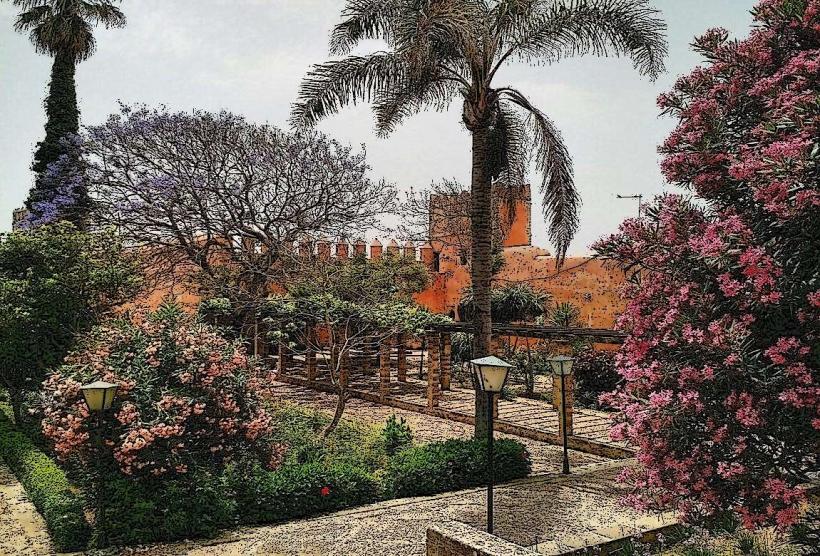
Kasbah of the Udayas: Located at the western edge of the Medina, the Kasbah of the Udayas is a historic fortification built in the 12th century. It offers stunning views of the Atlantic Ocean and is home to a tranquil garden, winding alleys, and the Museum of Oudayas. The kasbah is a peaceful area within the bustling Medina, and its blue-and-white houses are a visual treat.
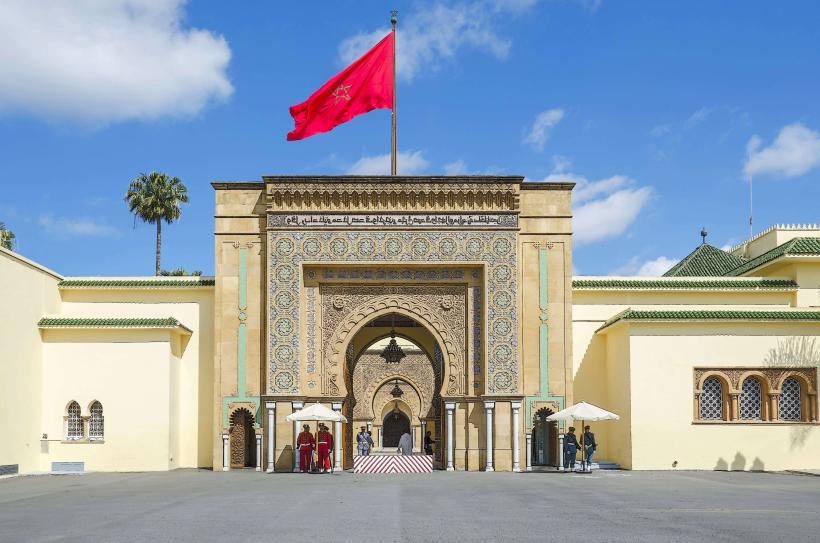
Al-Mansour Gate: A majestic gate that was built during the Alawite dynasty, it stands at the entrance to the Royal Palace of Rabat. Although it is technically outside the Medina, it is located near the old town and serves as a significant historical landmark.
Souks (Markets): The Medina’s souks, or markets, are filled with vibrant colors, sounds, and scents. You’ll find a variety of local crafts, such as ceramics, leather goods, textiles, jewelry, and spices. The Medina’s souks offer a sensory overload, where visitors can haggle for goods and experience the traditional Moroccan shopping experience.
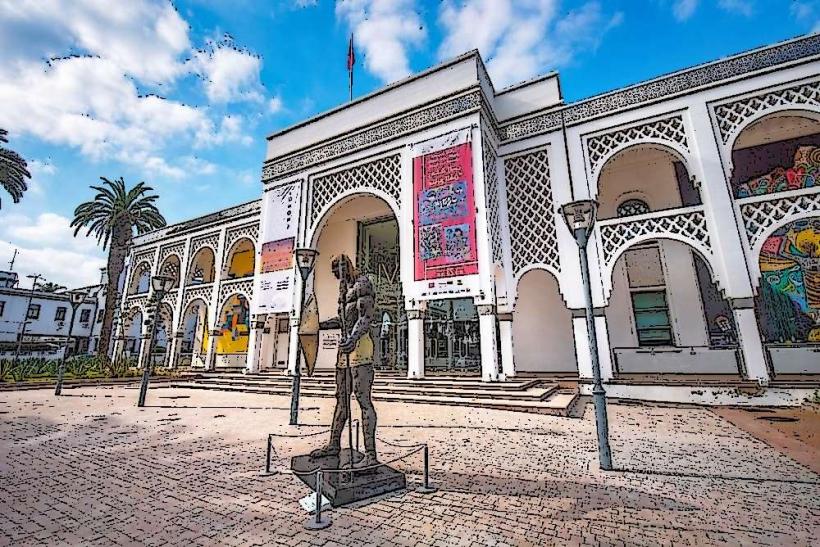
Rabat Archaeological Museum: Not far from the Medina, this museum displays a wealth of artifacts from Morocco's rich history, including ancient Roman and prehistoric items. It’s an important stop for history enthusiasts visiting Rabat.
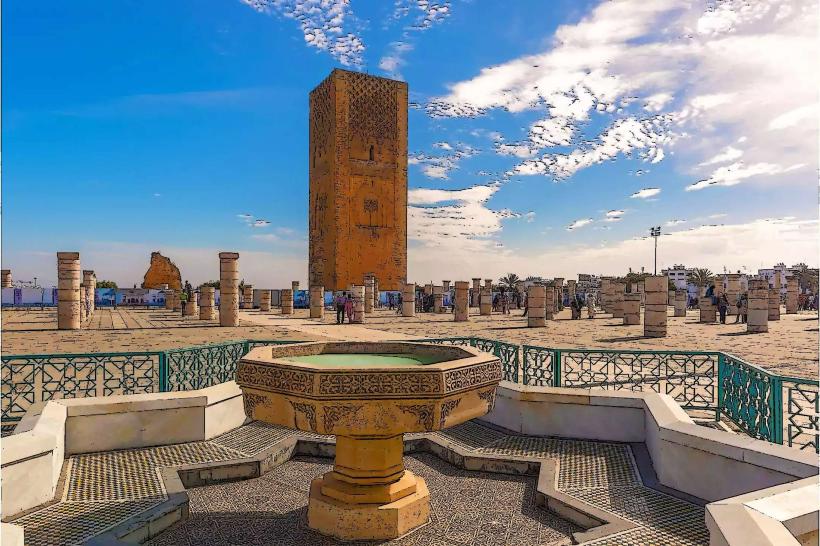
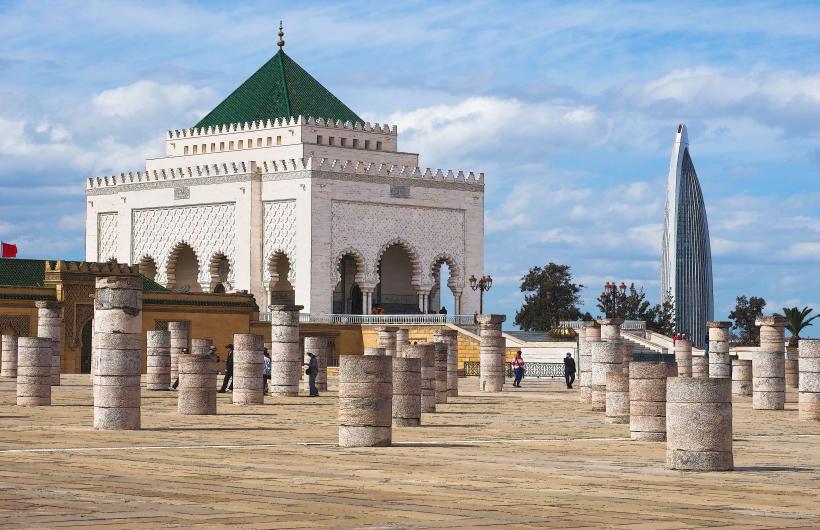
Mausoleum of Mohammed V: Although technically outside the Medina, the Mausoleum of Mohammed V is a must-visit site. Located near the Hassan Tower, the mausoleum is the burial place of King Mohammed V and his two sons. It’s a beautiful building with remarkable architecture, and its peaceful atmosphere is a stark contrast to the lively Medina.
4. Cultural Experience
Local Life: The Medina is still very much a place of daily life for the people of Rabat. It is home to residents, shops, and businesses that have been operating for generations. The market streets are bustling with traders, shoppers, and artisans who sell their goods, creating a vibrant and authentic atmosphere.
Craftsmanship: Traditional Moroccan craftsmanship is on display in the Medina, especially in the form of handmade ceramics, woodwork, leather goods, and textiles. You can often see artisans working at their craft in their shops or workshops.
Cafés and Restaurants: As you wander through the Medina, you’ll find a variety of traditional cafés and restaurants that offer a chance to sample authentic Moroccan cuisine. Dishes such as tagine, couscous, and pastilla are common, and many of these eateries have outdoor seating where you can relax and enjoy the atmosphere.
5. Visiting the Medina
Getting Around: The Medina is best explored on foot due to its narrow, winding streets. It’s easy to get lost, which is part of the charm, as every corner offers a new discovery. Local guides are available and can offer insights into the history and culture of the area.
Opening Hours: The Medina is an open area and can be visited at any time. However, shops and markets are generally open from morning until evening, with many businesses closing for a break in the afternoon.
Best Time to Visit: The Medina is busiest during the day, especially in the morning and late afternoon. For a more tranquil experience, it’s recommended to visit early in the morning or later in the evening, when the crowds are smaller and the weather is cooler.
Safety: The Medina is a relatively safe area for tourists, but as with any busy market area, it's advisable to keep an eye on your belongings and be cautious with your personal items.
6. Shopping in the Medina
Souvenirs: The Medina offers a wide range of unique souvenirs that represent Moroccan culture. These include hand-woven carpets, traditional lamps, jewelry, spices, and ceramic plates. Be prepared to haggle for the best price, as bargaining is part of the traditional market experience.
Local Products: The Medina is also known for its argan oil products, leather goods (especially from Fez), and Moroccan lamps. Many shops also sell handcrafted wooden items like carved boxes, furniture, and jewelry.
7. Why Visit the Medina of Rabat?
Historical Significance: The Medina of Rabat offers a tangible connection to Morocco’s past. Its centuries-old streets, gates, and buildings tell the story of the city’s evolution from a military hub to a thriving capital.
Cultural Immersion: Visiting the Medina is a great way to experience the local culture, witness traditional craftsmanship, and interact with the local people.
Unique Architecture: The Medina’s buildings, including the Kasbah of the Udayas and various mosques, showcase the beauty and charm of Moroccan architecture. The intricacy of the designs and the materials used in construction make it a visual feast.
Authentic Markets: The souks in the Medina provide an authentic Moroccan shopping experience, with everything from spices to textiles and jewelry, all presented in a vibrant and lively atmosphere.
Conclusion
The Medina of Rabat is a fascinating and historically rich area that offers visitors a chance to experience traditional Moroccan life. With its winding streets, historic landmarks, bustling souks, and vibrant culture, the Medina is a must-visit destination for anyone exploring Rabat. Whether you're interested in history, architecture, shopping, or simply enjoying the local atmosphere, the Medina offers something for everyone.