Information
Landmark: Railway Museum (Museo Ferroviario)City: Tacna
Country: Peru
Continent: South America
Railway Museum (Museo Ferroviario), Tacna, Peru, South America
The Railway Museum of Tacna (Museo Ferroviario de Tacna) is a fascinating historical attraction located in the Tacna-Arica Railway Station, a building that dates back to the late 19th century. It highlights the region's rich railroad history and its role in connecting Peru with neighboring Chile. The museum is an important cultural site, showcasing the development of transportation and commerce in southern Peru.
1. Historical Background
Construction of the Tacna-Arica Railway:
- The railway was inaugurated in 1856, making it one of the oldest railroads in South America.
- It connected the city of Tacna, Peru, with the port city of Arica, Chile, facilitating trade and passenger transport between the two regions.
- Designed by British engineers, the railway was a key infrastructure project during the period of economic growth in the mid-19th century.
Role During the War of the Pacific (1879–1883):
- During the conflict between Peru, Bolivia, and Chile, the railway served as a strategic asset, transporting troops and supplies.
Post-War Significance:
- After the War of the Pacific, Tacna and Arica came under Chilean occupation. Following the Treaty of Lima (1929), Tacna was reincorporated into Peru, and the railway became a symbol of Tacna's connection to its neighbors and its resilience.
2. The Museum
Location:
- The museum is housed in the Tacna Railway Station, located near the city center. The station itself is a historic building, constructed in a classic British colonial style with ornate ironwork and high ceilings.
Exhibits:
- The museum features a variety of artifacts and exhibits related to the history of the railway and its impact on the region:
- Locomotives and Rolling Stock:
- The centerpiece of the museum is its collection of restored steam locomotives and passenger cars, including original models used on the Tacna-Arica Railway.
- Visitors can explore these vintage trains up close, gaining insight into 19th-century engineering.
- Tools and Equipment:
- Displays include tools used for track maintenance, communication devices, and original train tickets.
- Historical Documents:
- Maps, photographs, and documents highlight the construction and operation of the railway over the decades.
- Uniforms and Memorabilia:
- Items worn by railway workers, such as conductor uniforms and caps, are displayed alongside other memorabilia.
- Locomotives and Rolling Stock:
Restoration Efforts:
- The railway and its station have undergone extensive restoration to preserve their historical significance and maintain the site as a functioning museum.
3. Key Features
- Tacna-Arica Railway:
- The railway itself is still operational on occasion, with tourist trains running between Tacna and Arica. These trips provide a unique opportunity to experience a historic rail journey through the Atacama Desert.
- Architecture of the Station:
- The station's architecture reflects a blend of British and local styles, with its elegant iron framework and wooden interiors offering a glimpse into 19th-century design.
- Interactive Exhibits:
- Visitors can step inside vintage train cars, sit in the passenger compartments, and even examine the steam engine machinery.
4. Cultural and Economic Importance
- The railway played a crucial role in boosting the economy of southern Peru, facilitating the export of minerals, agricultural products, and goods.
- It also strengthened the cultural and social ties between Tacna and Arica, symbolizing the historical relationship between Peru and Chile.
5. Visiting the Railway Museum
Location:
- The museum is located in the Plaza Gregorio Albarracín area, close to Tacna's city center.
Hours of Operation:
- Typically open daily, though hours may vary depending on events or holidays. It is advisable to check with local tourism offices.
Admission Fees:
- Entrance is generally affordable, with discounts for students and seniors. Guided tours may have an additional fee.
Highlights for Visitors:
- Explore the restored locomotives and imagine what travel was like in the 19th century.
- Learn about the engineering challenges of building a railway in the desert.
- Enjoy the nostalgic charm of the historic station and its surroundings.
6. Tips for Visitors
- Guided Tours: Consider joining a guided tour for in-depth explanations of the railway’s history and exhibits.
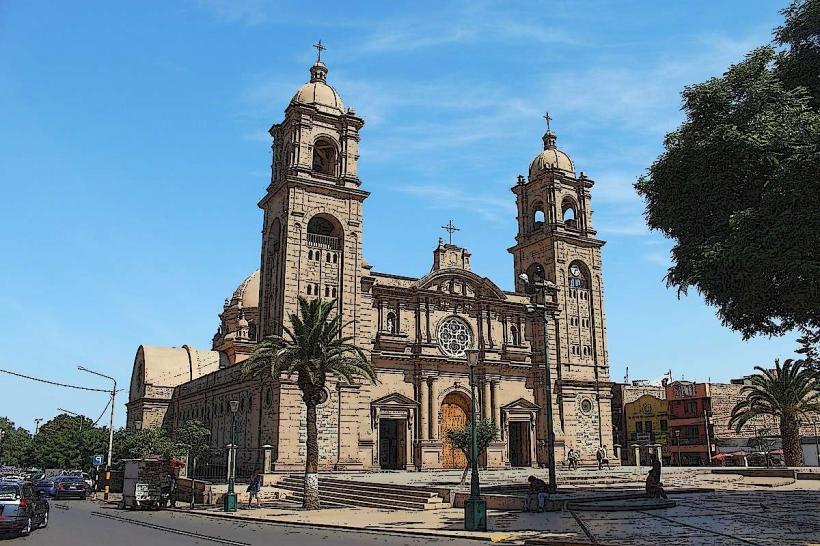
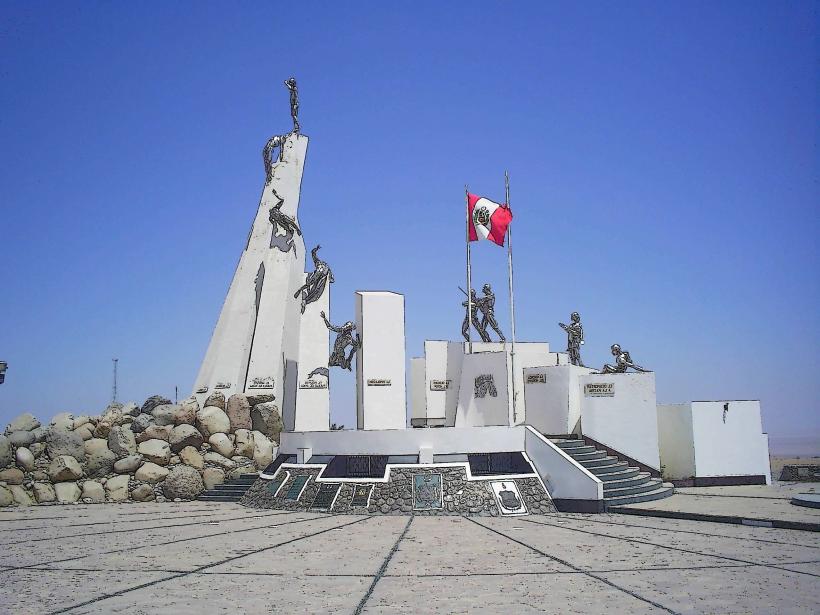
- Combine Visits: The museum is near other attractions in Tacna, such as the Cathedral of Tacna and the Alto de la Alianza Monument, making it easy to plan a full day of sightseeing.
- Photography: The museum and its vintage trains are highly photogenic, so bring a camera to capture the experience.
The Railway Museum of Tacna is not just a tribute to transportation history but also a testament to the city's resilience and importance as a hub of trade and culture.