Information
Landmark: Red Rock State ParkCity: Sedona
Country: USA Arizona
Continent: North America
Red Rock State Park, Sedona, USA Arizona, North America
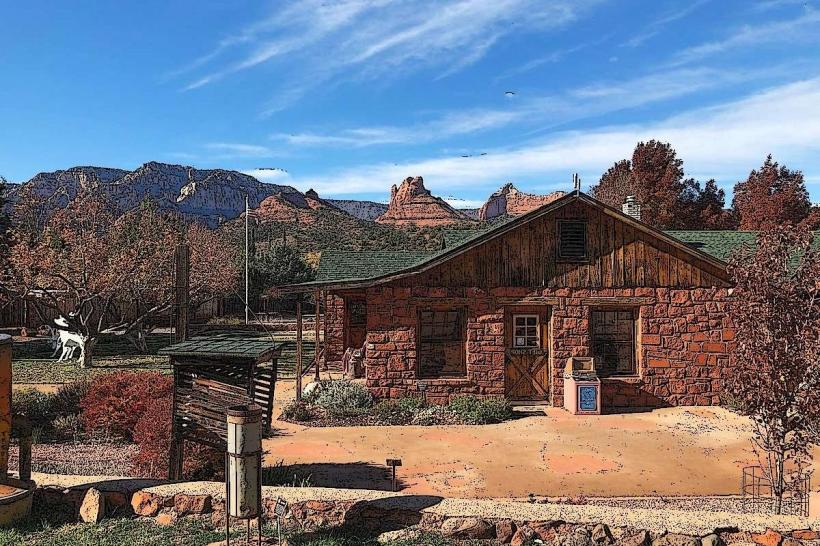
Red Rock State Park is a 286-acre nature preserve and environmental education center located just a few miles southwest of Sedona, Arizona. The park is set within the spectacular red rock country that defines this region, providing a peaceful retreat focused on preserving the unique natural environment of the northern Verde Valley. It offers visitors a blend of scenic beauty, wildlife observation opportunities, and educational programs designed to deepen understanding of the area's geology, flora, fauna, and cultural history.
Natural Setting and Environment
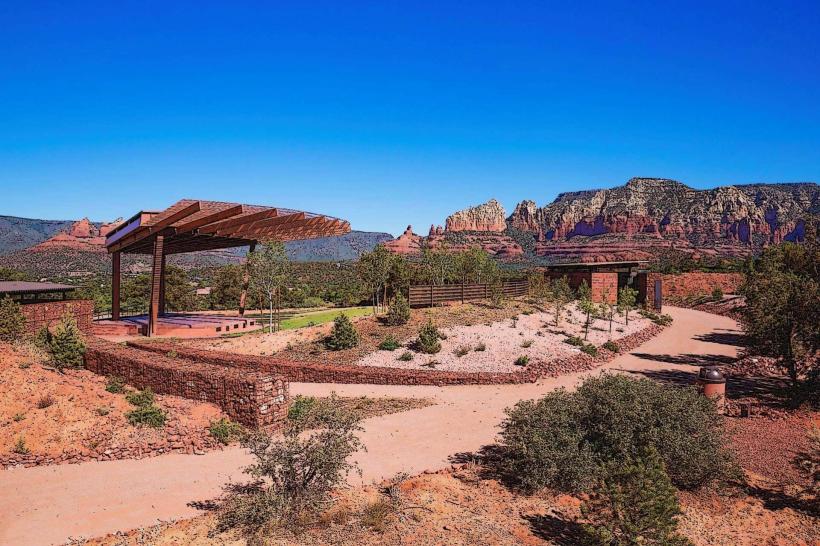
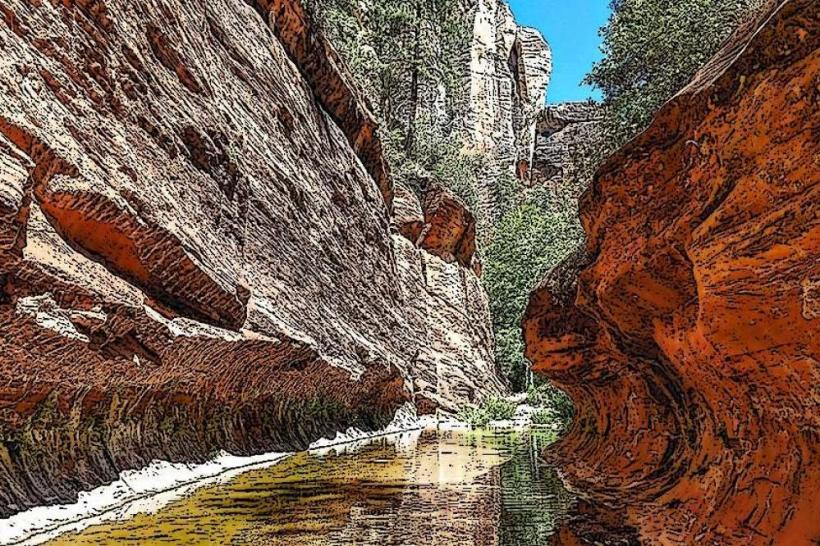
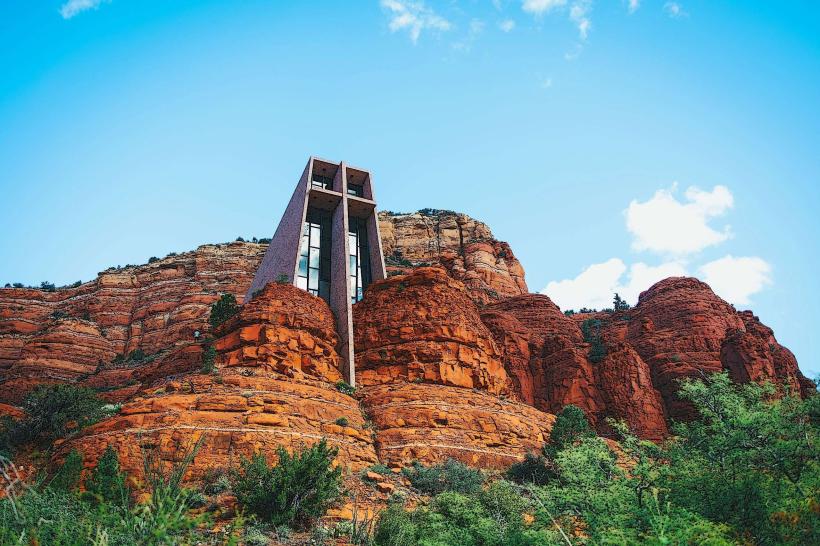
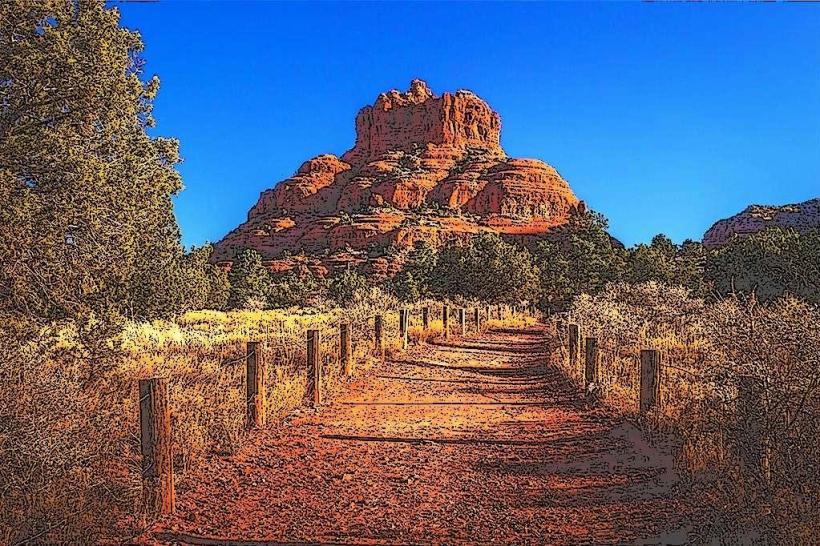
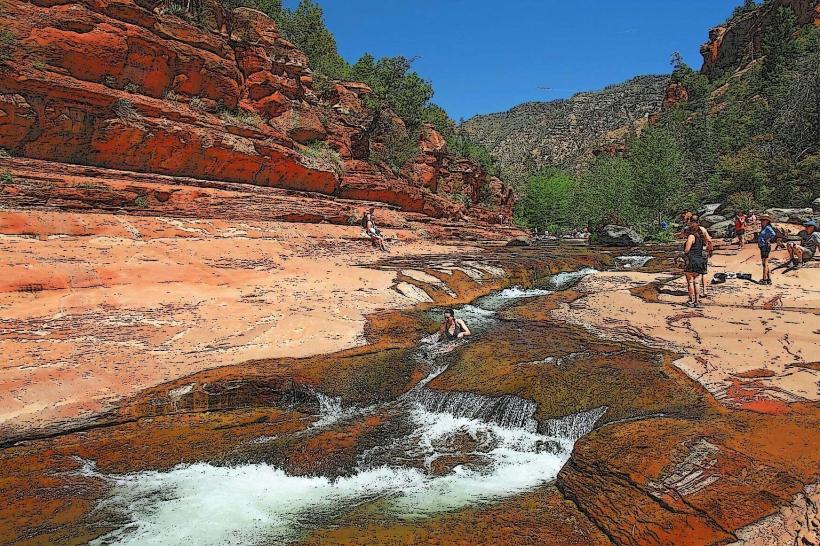
Red Rock State Park sits along Oak Creek, a vital waterway that sustains a lush riparian habitat in the midst of the arid Arizona landscape. This creek corridor supports a rich variety of plant and animal life not commonly found in the surrounding desert terrain. The park’s terrain includes riverbanks, high desert forests of juniper and manzanita, and open grasslands, creating diverse ecosystems within its boundaries. The iconic red sandstone cliffs and rock formations frame much of the park’s landscape, providing a dramatic backdrop and making it a prime spot for photography and nature appreciation.
Trails and Hiking
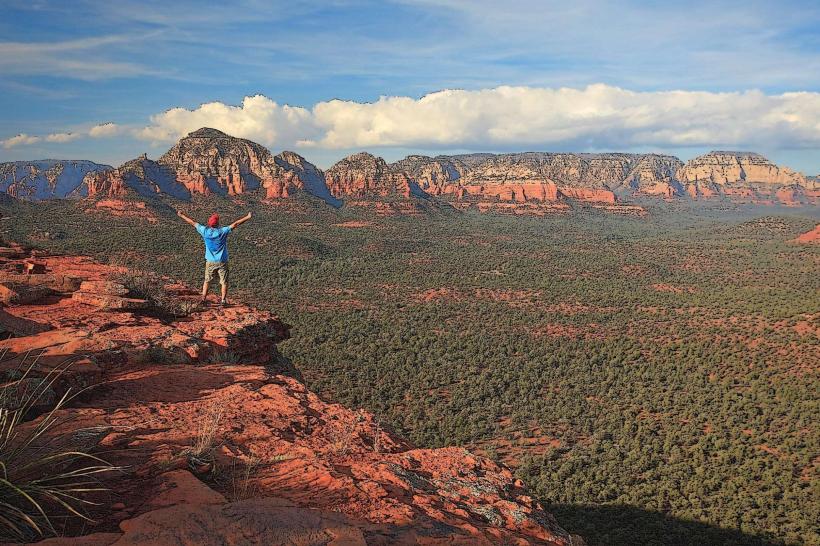
The park features an extensive network of approximately 5 miles of well-maintained, interconnected trails suitable for hikers of all ages and fitness levels. These trails wind through different habitats, from shaded creekside groves to open mesas and wooded uplands. One of the most popular routes is the Eagle’s Nest Loop, which climbs to the highest point in the park. From there, hikers are rewarded with panoramic views of Sedona’s famous rock formations, including Cathedral Rock and the Seven Warriors.
Trails are designed for educational purposes as well, often marked with interpretive signs describing local plants, wildlife, geological features, and cultural history. The gentle terrain and variety of trails make the park accessible for families, casual walkers, and more dedicated hikers alike.
Wildlife and Birdwatching
Red Rock State Park is renowned for its birding opportunities and is recognized as a site on the Arizona Birding Trail. The presence of Oak Creek and varied habitats attracts an array of bird species year-round, including migratory songbirds, raptors, and waterfowl. Visitors may spot species such as herons, kingfishers, hummingbirds, and woodpeckers.
The park regularly hosts guided bird walks, led by knowledgeable volunteers or staff, that allow visitors to observe and learn about local and migratory birds in their natural environment. Beyond birds, the park is home to mammals like mule deer, rabbits, and occasionally coyotes, as well as reptiles and amphibians that thrive near the creek.
Educational Programs and Events
Red Rock State Park functions not only as a recreational area but also as a center for environmental education. It offers a wide array of programs aimed at all age groups:
Guided Nature Hikes: These daily hikes, typically held in the mornings, are led by volunteer naturalists and cover topics such as local geology, plant identification, wildlife behavior, cultural history, and archaeology. They provide an immersive learning experience that connects visitors with the park’s natural and cultural heritage.
Full Moon Hikes: Occasionally, the park hosts evening hikes during full moons, allowing participants to experience the park’s landscape bathed in moonlight, a unique and tranquil way to enjoy the natural surroundings.
Ethnobotany Hikes: Specialized tours focus on the cultural uses of native plants by Indigenous peoples, exploring traditional knowledge and the relationship between people and the land.
Star Parties: As Sedona is known for its dark skies, the park occasionally hosts stargazing events with astronomers, giving visitors a chance to observe constellations, planets, and celestial phenomena free from urban light pollution.
For younger visitors, the park offers a Junior Ranger Program that engages children with interactive activities to foster a connection to nature and encourage stewardship.
Visitor Center and Facilities
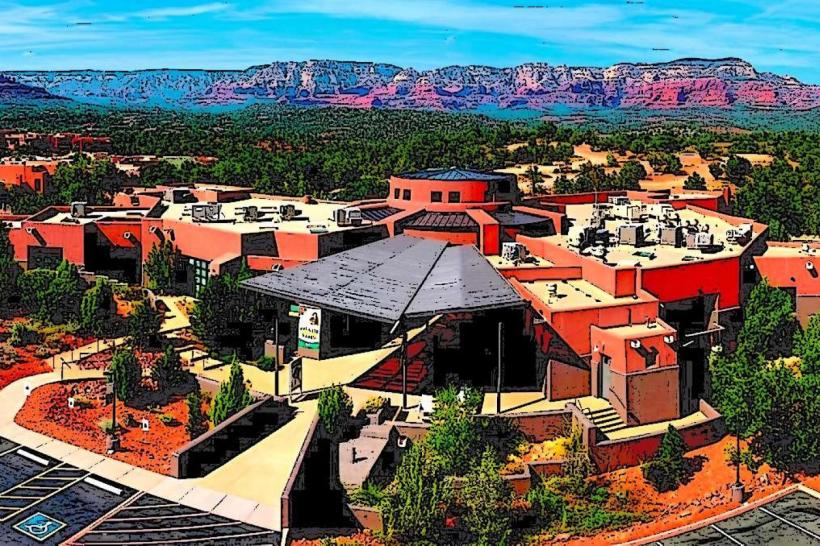
The Miller Visitor Center serves as the park’s educational and informational hub. It houses a range of interpretive exhibits focused on the geology, ecology, and history of the region. Visitors can explore displays on native plants and animals, learn about the formation of the red rocks, and discover the cultural history of the Verde Valley.
The center also features a gift shop where visitors can purchase souvenirs, guidebooks, maps, and educational materials. A small theater inside the center regularly screens educational films that showcase the natural wonders of Sedona and highlight conservation efforts in the area.
The visitor center staff and volunteers are knowledgeable and provide excellent support, offering information about trails, wildlife sightings, and park regulations.
Accessibility and Visitor Experience
Red Rock State Park is open year-round, typically from early morning to late afternoon, with entrance fees required to help maintain park facilities and conservation efforts. The park is family-friendly and offers picnic areas, restrooms, and shaded seating spots for relaxation.
The park is particularly popular in spring and fall when temperatures are mild, and wildflowers are in bloom. Summer visits offer shade along the creek but can be warmer, while winter brings quieter trails and opportunities to see migratory birds.
The park's location just minutes from Sedona’s commercial center makes it a convenient natural escape without leaving the area’s amenities.
Conservation and Stewardship
As a protected nature preserve, Red Rock State Park emphasizes conservation and responsible recreation. Visitors are encouraged to respect wildlife, stay on designated trails to protect sensitive habitats, and carry out all trash. The park’s mission includes preserving native plants and animals, educating the public, and maintaining the ecological integrity of the region.
Ongoing efforts include habitat restoration projects and invasive species control to maintain the health of the Oak Creek riparian corridor and surrounding landscapes.
In summary, Red Rock State Park offers an enriching blend of natural beauty, recreational trails, and educational opportunities centered on the iconic red rock landscape of Sedona. It provides a quiet sanctuary for wildlife and a welcoming space for visitors to connect deeply with the diverse ecosystems and cultural history of northern Arizona’s Verde Valley.