Information
Landmark: Rijeka CrnojevićaCity: Cetinje
Country: Montenegro
Continent: Europe
Rijeka Crnojevića, Cetinje, Montenegro, Europe
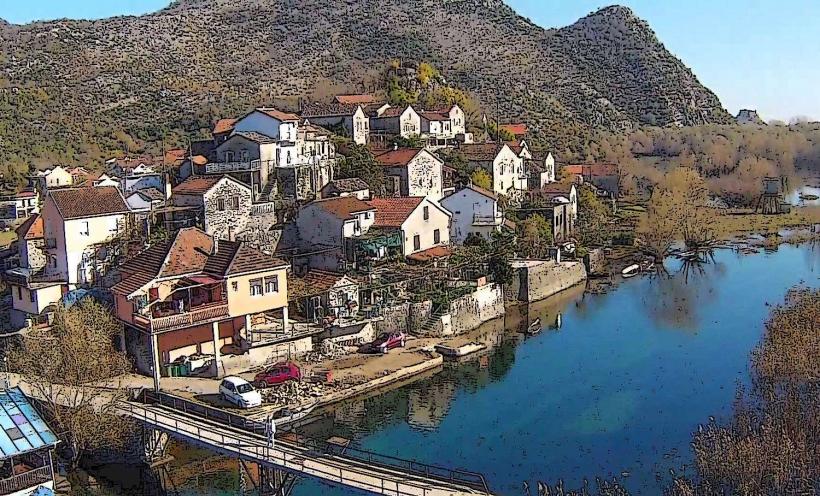
Rijeka Crnojevića is a historic settlement and river of the same name located on the northwestern shore of Lake Skadar. It served as the primary medieval commercial port and industrial center of Montenegro.
Visual Characteristics
The settlement is defined by its stone architecture and the Danilo’s Bridge (Stari most), a double-arched limestone structure. The river itself is characterized by deep green, slow-moving water, heavily populated with water lilies and bordered by dense reeds and steep karst hills. The surrounding landscape is often cited as one of the most photographed vistas in the Balkans, particularly from the "Pavlova Strana" viewpoint.
Location & Access Logistics
The town is situated 16 km southeast of Cetinje and 45 km from Budva.
Access: Reachable via narrow, winding asphalt roads from Cetinje or Podgorica. These roads feature steep drops and limited passing space.
Boat Access: Regularly connected to Virpazar and other Lake Skadar settlements via tourist excursion boats.
Parking: Small public parking areas are available near the waterfront and the entrance to the stone bridge.
Historical & Economic Origin
Named after the 15th-century ruler Ivan Crnojević, who moved his capital here to escape Ottoman incursions. In the 19th and early 20th centuries, it became a major trade hub; it was the site of the first pharmacy in Montenegro and the first weapons factory. It was also the location of the Obod printing press, which produced the first Cyrillic books in the region.
Key Highlights & Activities
Danilo’s Bridge: Built in 1853 by Prince Danilo; it is the central architectural landmark and provides the primary pedestrian crossing.
Boat Tours: The main activity is navigating the river’s serpentine bends toward Lake Skadar to observe birdlife (pelicans, herons) and water lilies.
Pavlova Strana Viewpoint: Located 3 km above the town on the road to Podgorica, offering a panoramic view of the river's 180-degree turn.
Gastronomy: The area is famous for dried bleak (ukljeva) and marinated carp, traditional lake delicacies served in the stone waterfront taverns.
Infrastructure & Amenities
The settlement has seen a transition toward eco-tourism.
Connectivity: 4G/5G coverage is functional in the town center but can be weak in the deep river canyons.
Services: Small guesthouses and restaurants dominate the local economy. There are no large-scale hotels or supermarkets.
Rentals: Kayaks and small motorboats are available for rent at the pier.
Best Time to Visit
Season: May and June are optimal for seeing the water lilies in full bloom.
Daily: Late afternoon (16:00–18:00) provides the best lighting for the Pavlova Strana viewpoint.
Facts & Legends
The Italian entrepreneur Guglielmo Marconi reportedly established a radio-telegraph station nearby in the early 20th century, linking Montenegro with Italy. Locally, the river is known for its "mirror effect," where the stillness of the water creates perfect reflections of the surrounding mountains and bridge.
Nearby Landmarks
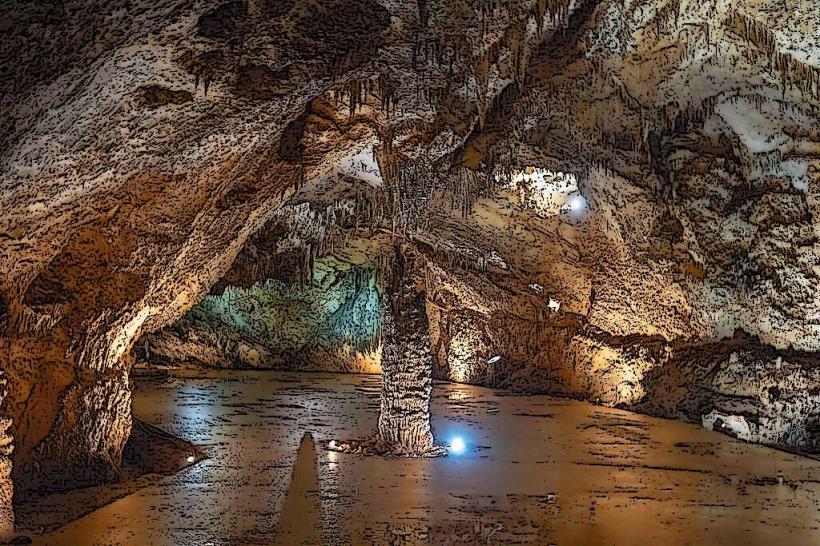
Lipovik Cave: 2km North
Obod Cave: 1.5km West (The source of the river)
Cetinje: 16km West
Skadar Lake National Park: Direct access via waterway