Information
Country: MontenegroContinent: Europe
Montenegro, Europe
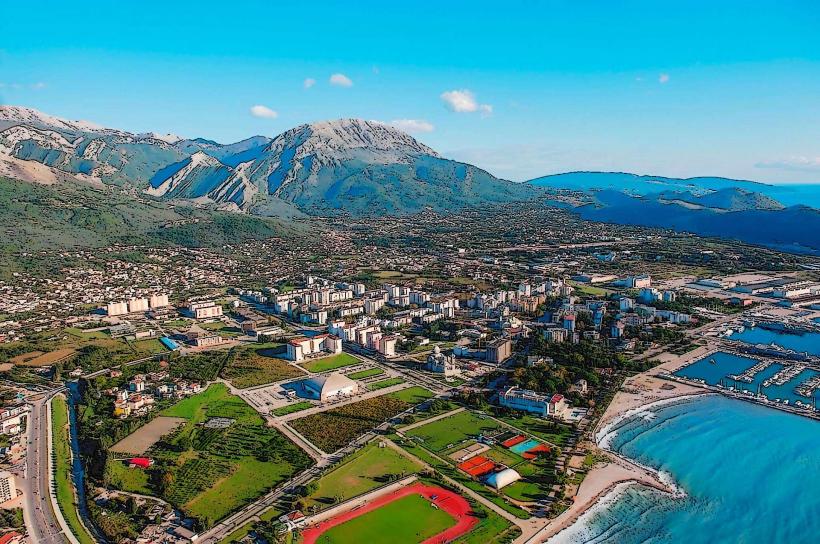
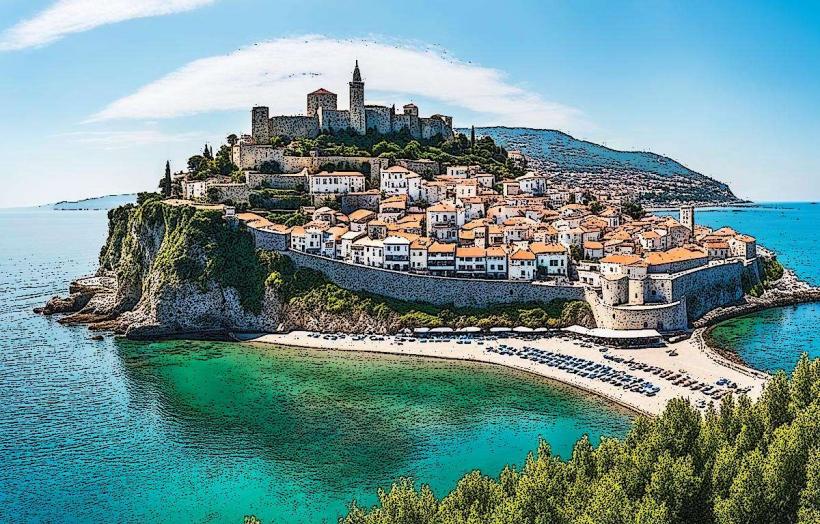
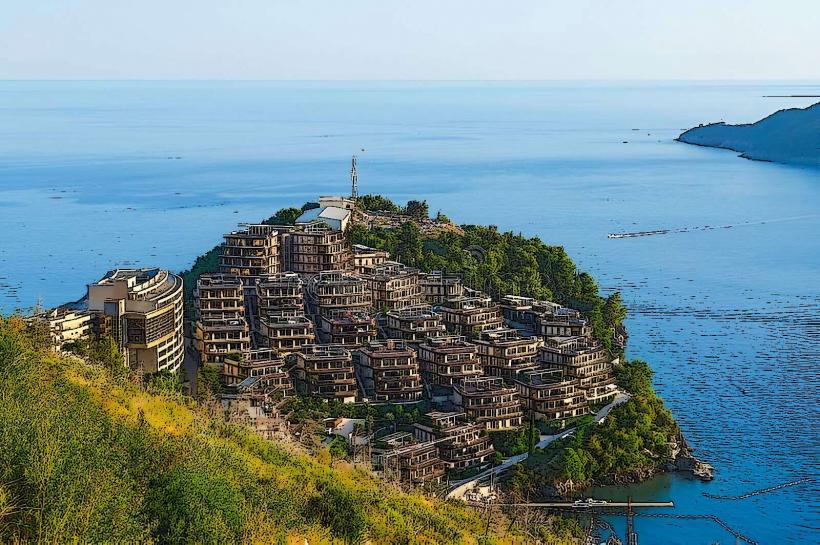
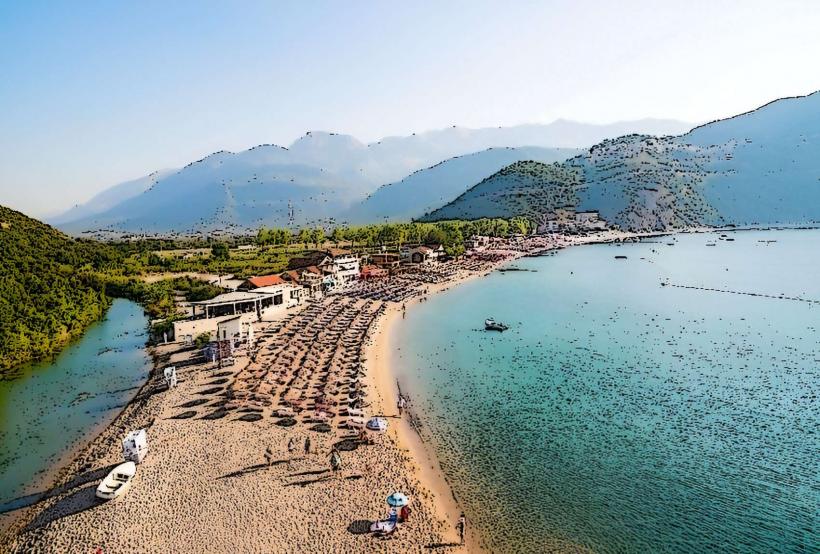
Montenegro is located in Southeast Europe on the Adriatic coast, bordering Croatia to the west, Bosnia and Herzegovina to the northwest, Serbia to the northeast, Kosovo to the east, and Albania to the southeast. The country's geography is defined by a narrow coastal plain backed by the rugged Dinaric Alps and the deepest river canyon in Europe (Tara River); the capital city is Podgorica.
Visa & Entry Policy
Citizens of the US, UK, and EU do not require a visa for stays up to 90 days. Entry is permitted with a valid passport, though EU citizens may enter for up to 30 days with a national ID card. Visitors not staying in hotels must register with the local police or tourism office within 24 hours of arrival.
Language & Communication
The official language is Montenegrin. Serbian, Bosnian, Albanian, and Croatian are also in official use. English proficiency is medium to high in coastal resorts and Podgorica but remains low in northern mountainous regions. Both Latin and Cyrillic scripts are used.
Currency & Payment Systems
The currency is the Euro (EUR), adopted unilaterally (Montenegro is not a member of the Eurozone). Card payments and contactless systems are universal in cities and coastal towns. Cash is mandatory for small transactions, rural markets, and local bus fares. ATMs are widely available in urban areas.
National Transport Grid
Intercity travel relies heavily on a comprehensive bus network, with hubs in Podgorica, Budva, and Kotor; major operators include Globtour and Bozur. A single main railway line connects the port of Bar to Podgorica and continues north to the Serbian border. The Kamenari-Lepetane ferry facilitates vehicle transit across the Bay of Kotor.
Digital Infrastructure
Primary mobile network providers are Crnogorski Telekom, One, and Mtel. 5G coverage is widespread in Podgorica and the coastal strip. 4G reliability is high along main highways, though signal degradation is frequent in the interior national parks and deep canyons.
Climate & Seasonality
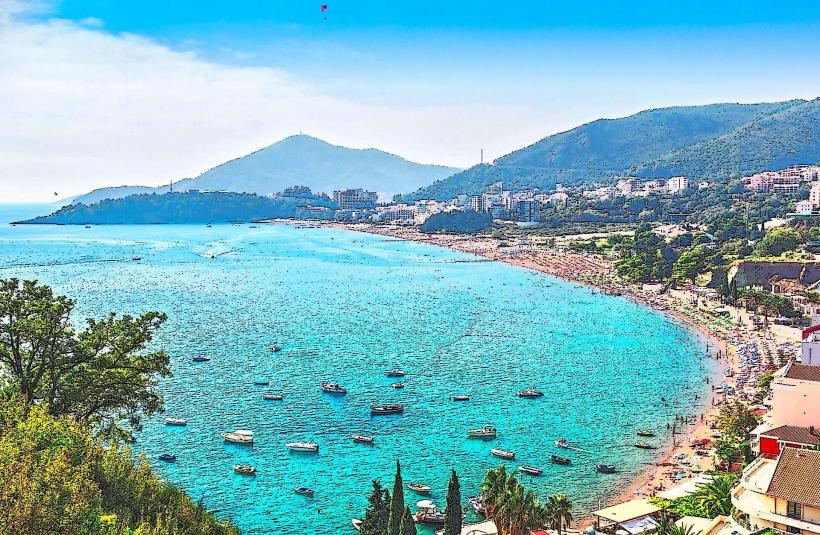
The coast has a Mediterranean climate with hot, dry summers and mild, rainy winters. The interior and north are continental/subalpine, featuring cold, snowy winters. The wettest months are November and December; the dry peak is July and August.
Health & Safety
No mandatory vaccinations are required. Environmental risks include tick-borne encephalitis in northern forests and venomous snakes (horned viper) in rocky limestone areas. The universal emergency number for Police, Ambulance, and Fire is 112.
Top 3 Major Regions & Cities
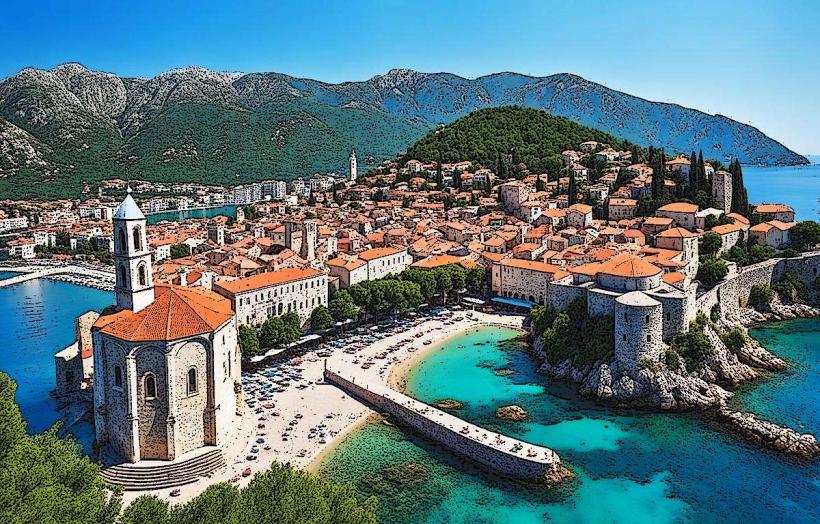
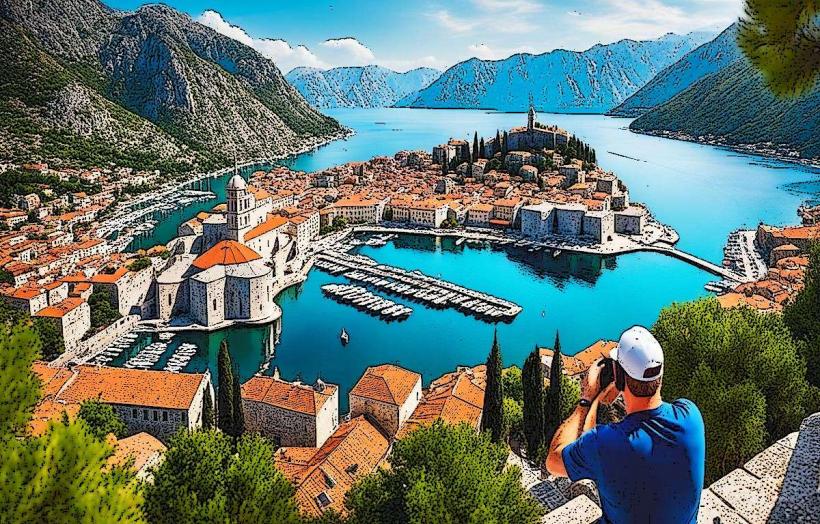
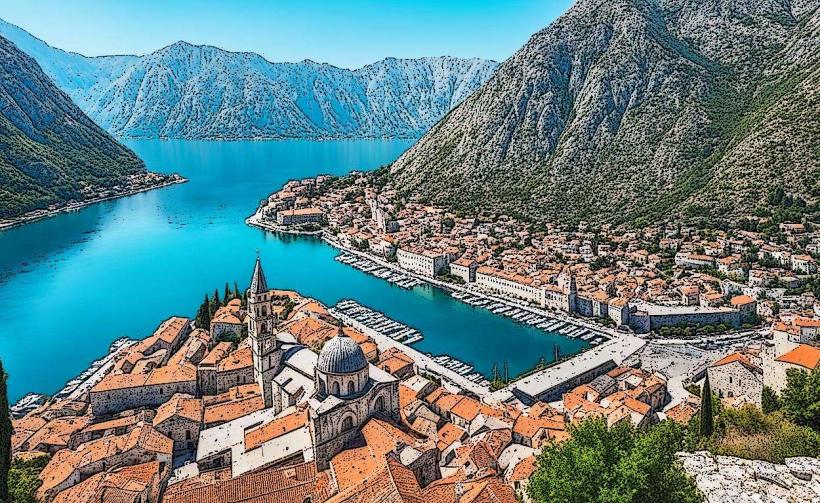
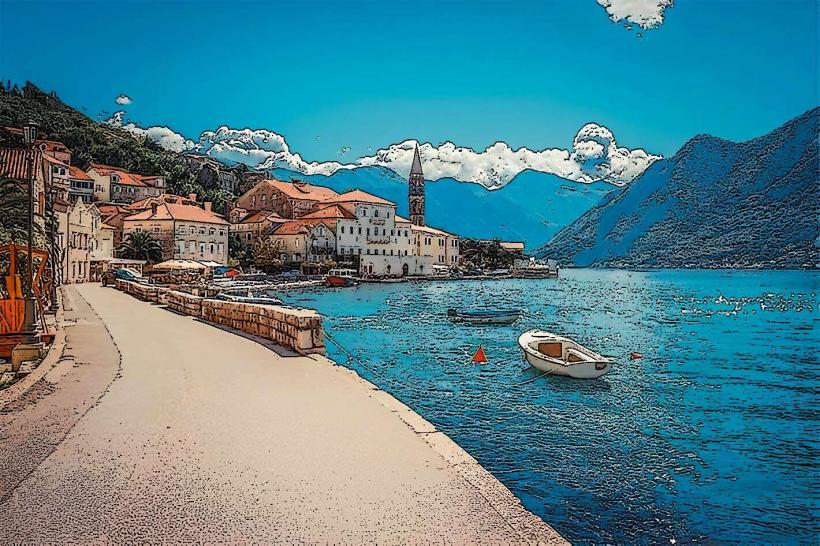
Bay of Kotor: Primary hub is Kotor.
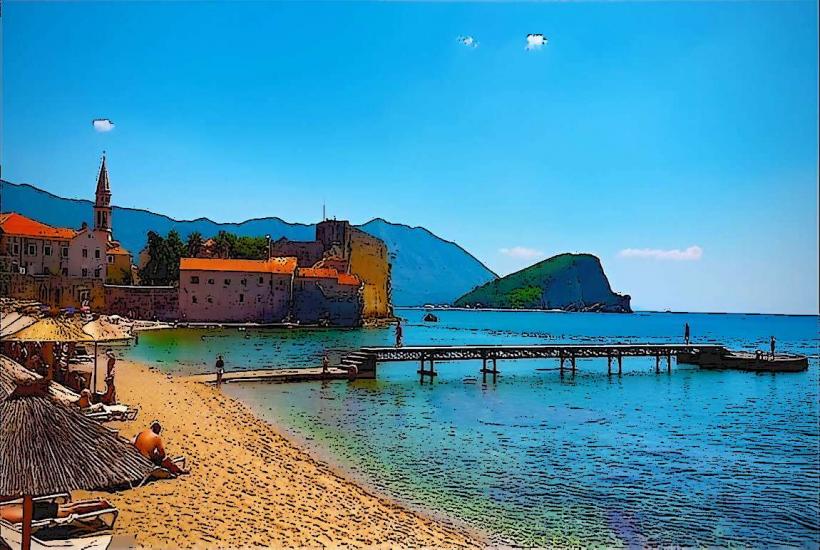
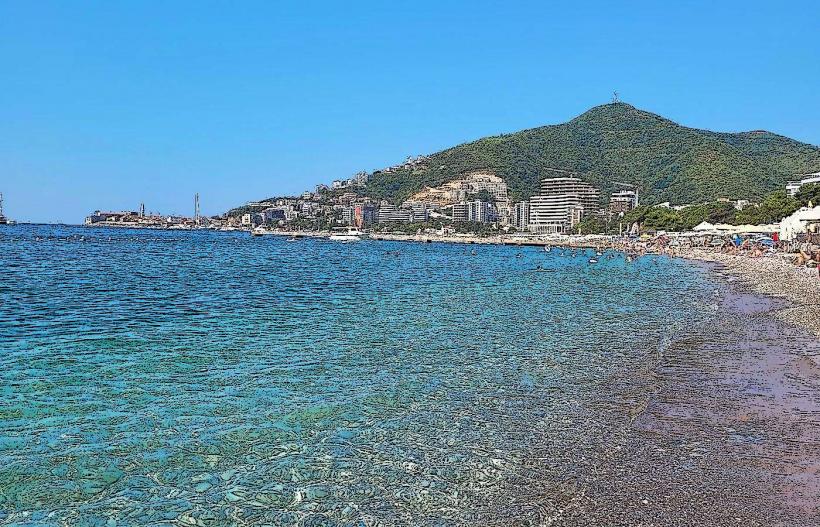
Budva Riviera: Primary hub is Budva.
Durmitor Massif: Primary hub is Žabljak.
Local Cost Index
1L Water: €1.35 ($1.48 USD)
1 Domestic Beer: €2.50 ($2.75 USD)
1 Sim Card (Data Plan): €15.00 ($16.50 USD)
Facts & Legends
In the 18th century, a man named Šćepan Mali appeared in Montenegro claiming to be the deceased Russian Tsar Peter III; he successfully convinced the people and ruled as the country's first and only "imposter" Tsar for six years until his assassination in 1773. Geologically, Montenegro is home to the Tara River Canyon, which at 1,300 meters is the deepest canyon in Europe and second globally only to the Grand Canyon.