Information
City: Herceg NoviCountry: Montenegro
Continent: Europe
Herceg Novi, Montenegro, Europe
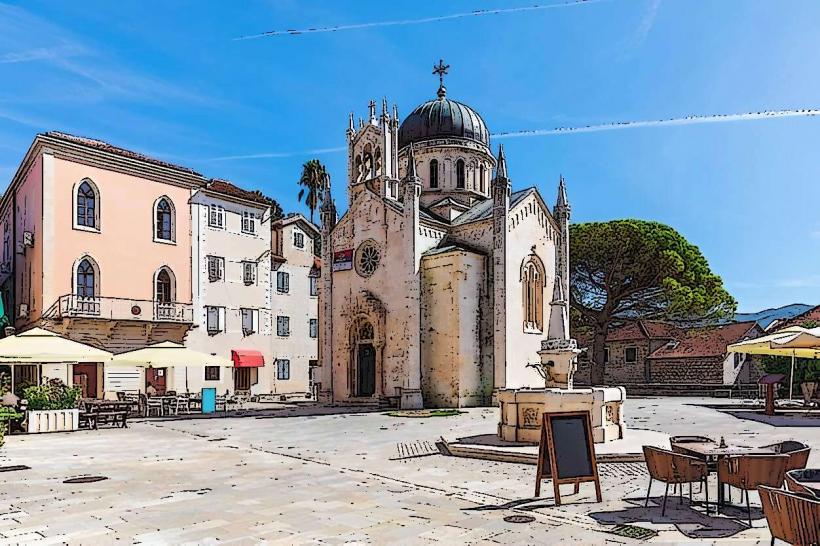
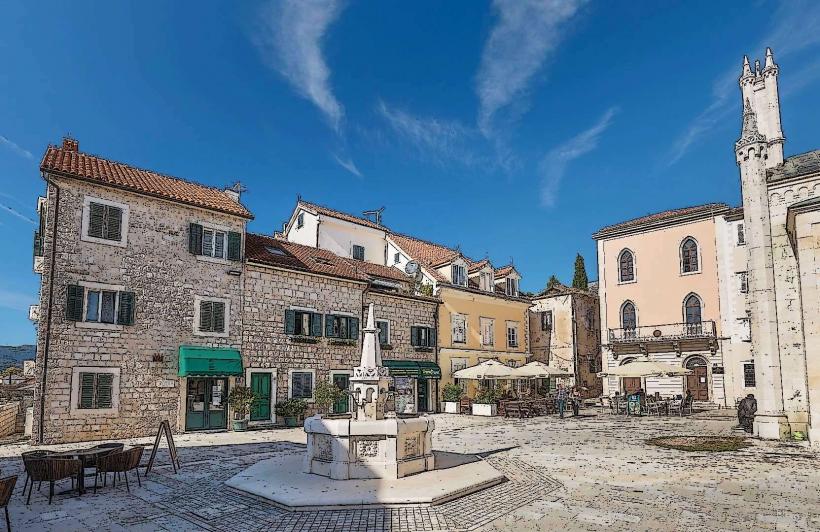
Herceg Novi functions as the western maritime gateway to Montenegro and the administrative center of its namesake municipality. Situated at the entrance of the Bay of Kotor at the foot of Mount Orjen, it serves as a specialized node for health tourism (Igalo), maritime logistics, and botanical conservation. It is defined by its 600-year history of shifting empires, its tiered urban structure consisting of over 100,000 steps, and its identity as the "City of Sun" and "City of Artists."
Historical Timeline
Herceg Novi was founded in 1382 by the Bosnian King Tvrtko I Kotromanić (originally named Sveti Stefan). The primary era of governance shifted frequently: the Ottoman Empire (1482–1687), the Venetian Republic (1687–1797), and shorter periods under Spanish, Russian, French, and Austro-Hungarian rule. The primary event shaping its modern identity was its integration into Yugoslavia and its subsequent rise as a Yugoslav cultural and health-rehabilitation hub. Historically, it was the newest "New Town" (Castelnuovo) established to challenge the commercial monopoly of neighboring Dubrovnik.
Demographics & Population
The population of the municipality is approximately 31,000, with roughly 19,500 residing in the urban core (2026 estimate). The demographic profile is specialized toward the healthcare and maritime sectors. The city is home to the "Dr. Simo Milošević" Institute in Igalo, attracting a high density of physical therapists and medical specialists, alongside a significant community of writers and painters.
Urban Layout & Key Districts
The city is built on a steep vertical axis, characterized by a "staircase" layout that connects the mountain foothills to the sea.
Stari Grad (Old Town): A specialized medieval core located between the bus station and the sea, containing the city's main historical squares and fortresses.
Igalo: A specialized western district famous for its "radioactive" therapeutic sea mud and the Mediterranean's largest institute for physical medicine.
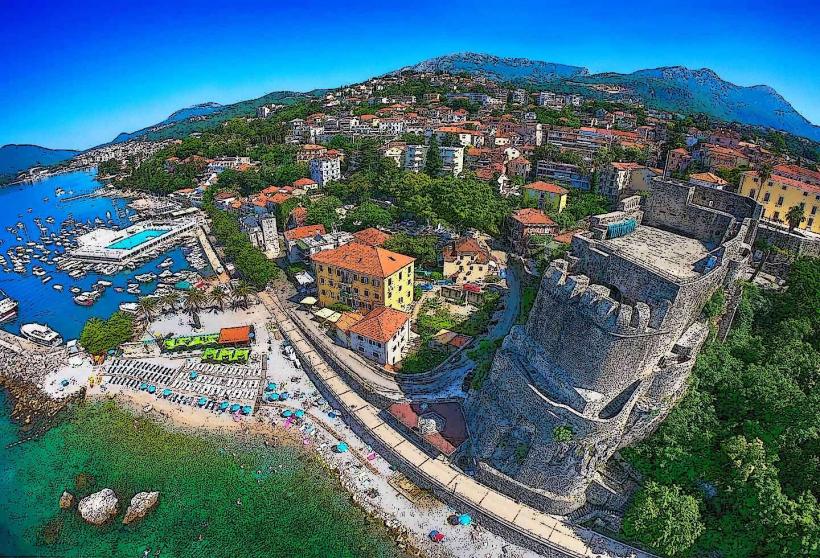
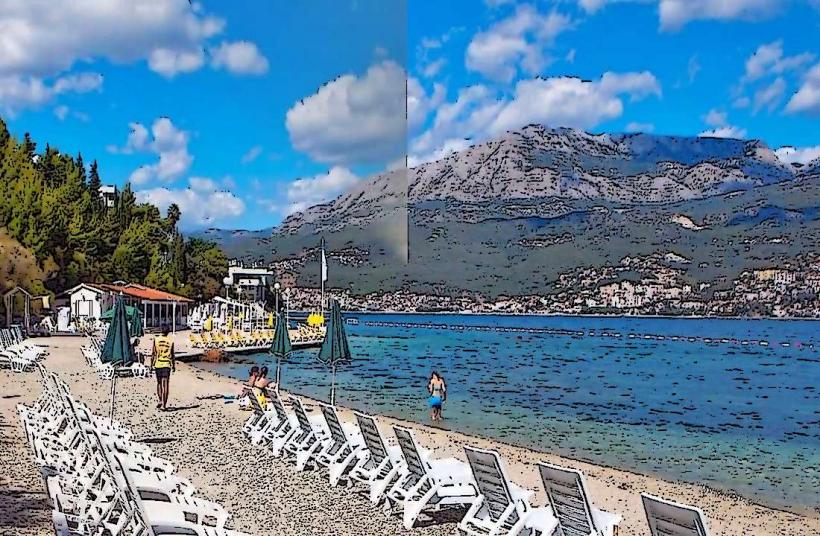
Pet Danica Promenade: A specialized 7-km seaside walkway connecting Igalo to Meljine, built on the route of a former railway line.
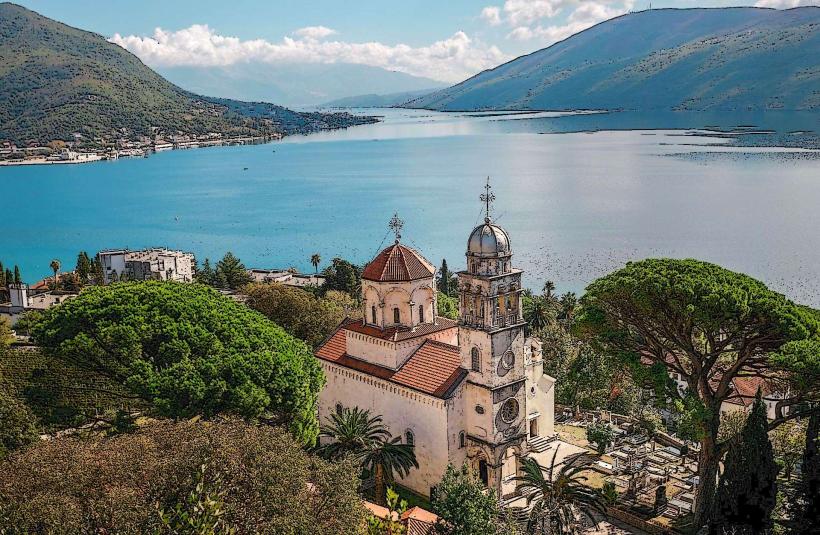
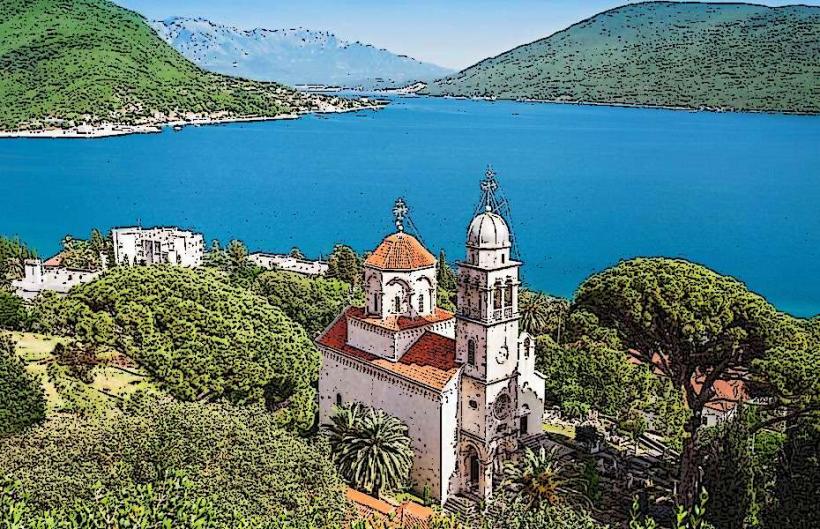
Savina: A specialized eastern residential and monastic district characterized by lush Mediterranean vegetation and a calmer, luxury-oriented atmosphere.
Top City Landmarks
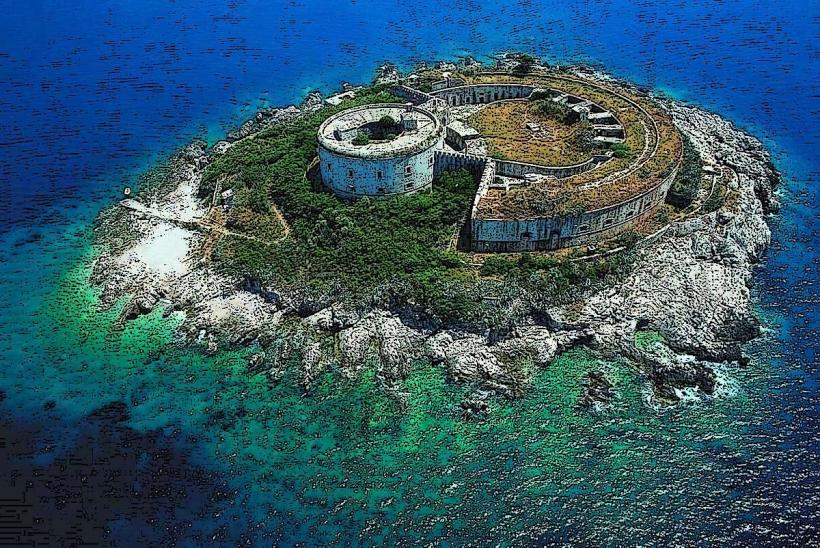
Forte Mare (Sea Fortress): A specialized 14th-century bastion built by King Tvrtko I to guard the entrance to the bay; it now functions as a premier open-air cinema.
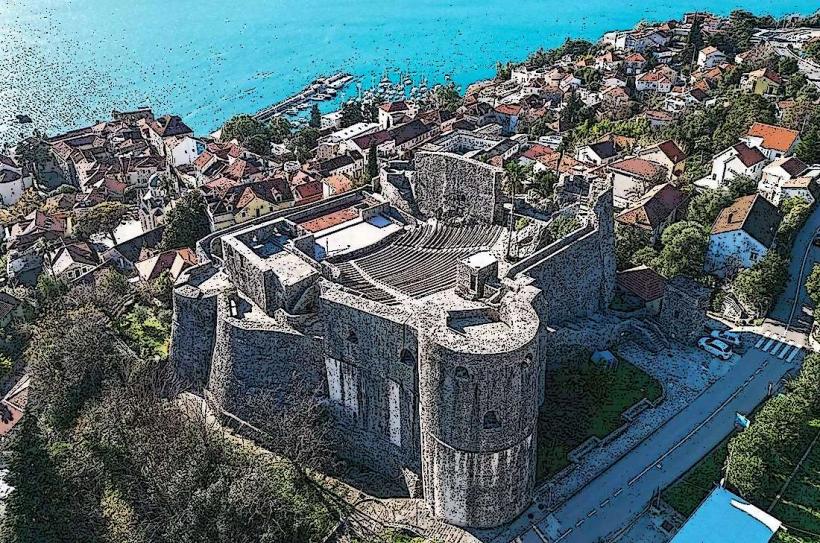
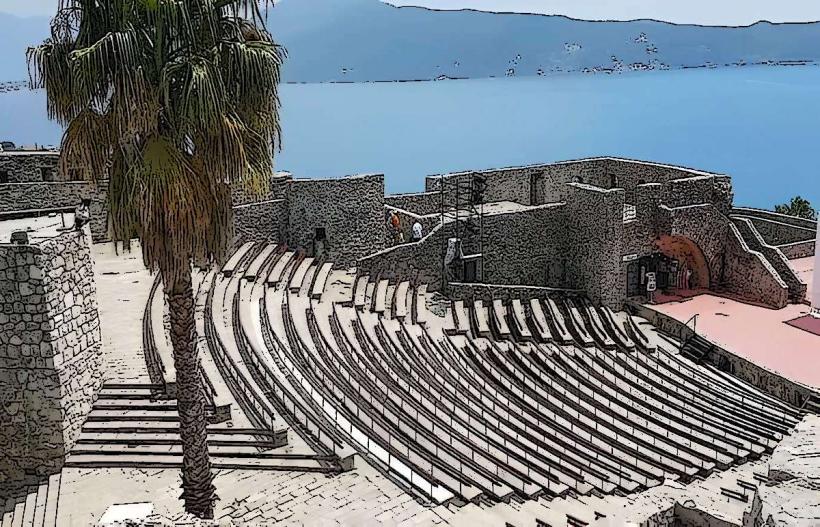
Kanli Kula (Bloody Tower): A specialized 16th-century Ottoman fortress and former prison; it has been transformed into one of the largest and most scenic open-air amphitheaters in the Adriatic.
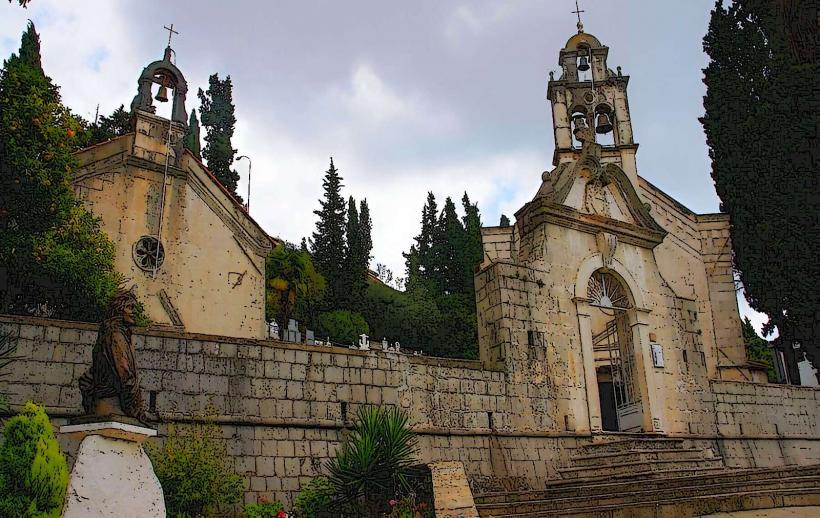
Savina Monastery: A specialized Orthodox complex consisting of three churches; the Great Temple (18th century) is one of the finest examples of Baroque-ecclesiastic architecture in the region.
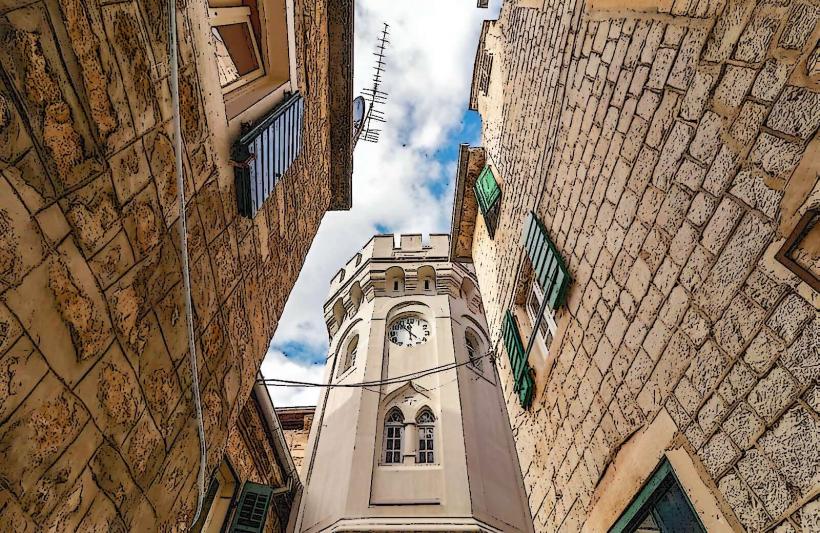
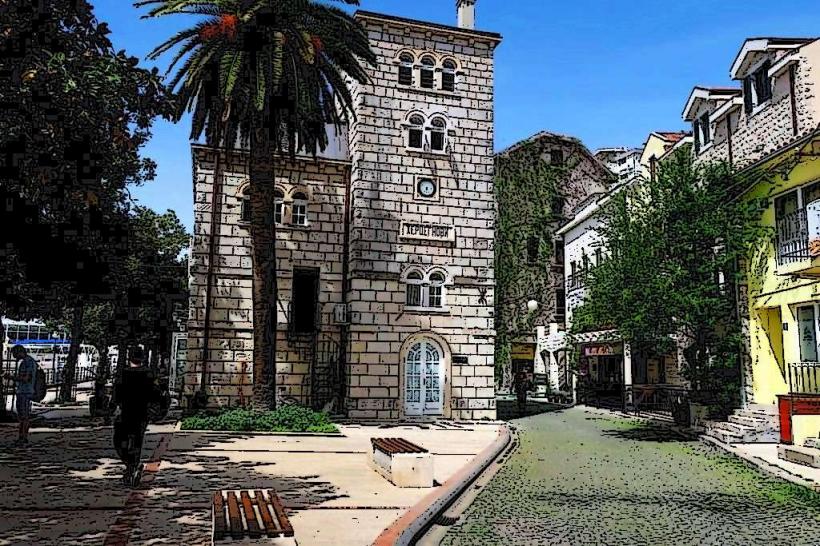
The Clock Tower (Sahat Kula): A specialized 1667 Ottoman structure that marks the main entrance to the Old Town; it is the central meeting point of the city.
Španjola Fortress: A specialized 16th-century "Spanish" fort located 170 meters above sea level, offering a strategic overview of the entire Boka Bay.
The House of Ivo Andrić: A specialized museum and cultural center located in the former home of the Nobel laureate, preserving his library and personal effects.
Transportation Network
Herceg Novi is the primary link between Montenegro and the European Union via Croatia.
Border Proximity: Located 10 km from the Debeli Brijeg (Croatia) border crossing, making it a specialized hub for transit to Dubrovnik Airport (45 mins).
Bus Hub: A specialized terminal connecting the city to Sarajevo, Belgrade, and all major Montenegrin towns.
Maritime Logistics: Regular water taxi services link the city to the Luštica Peninsula and the Blue Cave.
Regional Connectivity: In 2026, the city is integrated into the improved "Boka Bay Fast Ferry" network, reducing transit time to Kotor and Tivat.
Safety & "Red Zones"
The general safety level is high. Herceg Novi is statistically very secure. There are no "red zones." The city is well-lit and family-oriented. Warning: The steep and numerous stone steps can be hazardous in wet weather; proper footwear is required for urban navigation.
Digital & Financial Infrastructure
In 2026, the city operates as a Digital Nomad Hub for Health & Wellness. Internet speeds average 400–1000 Mbps. 5G is universal in Igalo and the Old Town. The city utilize a specialized digital "HN Smart City" app for managing public transport, parking, and booking treatments at the Igalo Institute.
Climate & Botany
Herceg Novi has a humid subtropical-Mediterranean climate with over 200 sunny days per year. It is known as the "Botanical Garden of the Adriatic" because of the exotic plants brought back by sea captains over centuries.
Mimosa Festival: A specialized cultural and botanical event held every February to celebrate the first spring blossoms.
Local Cost Index (2026 Estimates)
1 Espresso: €2.00 – €3.00
1 Portion of Igalo Mussels: €12.00 – €18.00
Kanli Kula Entry: €4.00
Therapeutic Mud Treatment: €30.00 – €50.00
Nearby Day Trips
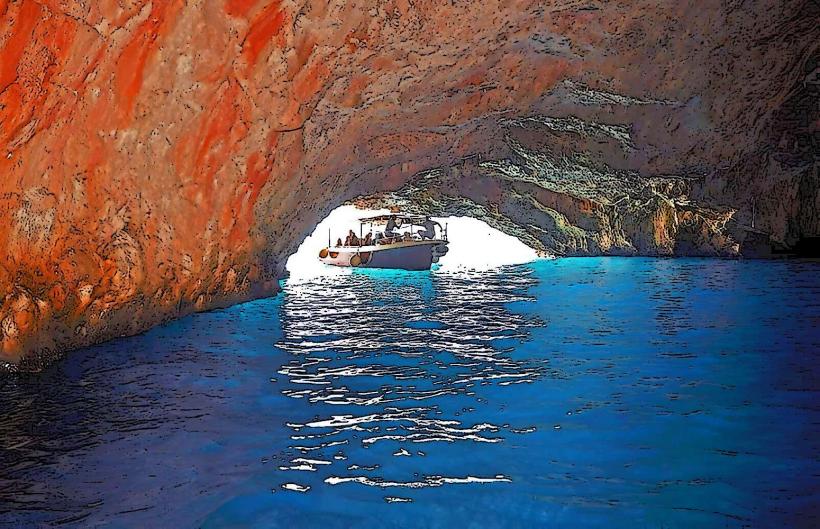
Blue Cave (Plava Špilja): 30 mins by boat; a specialized natural sea cave known for its iridescent light effects.
Rose: 15 mins by water taxi; a specialized ancient fishing village on the Luštica Peninsula with clear deep waters.
Mount Orjen: 45 mins away; the specialized highest massif of the Dinaric Alps on the coast, offering alpine hiking and snow in winter.
Facts & Legends
Herceg Novi is the site where the first modern hotel in Montenegro (Hotel Boka) was established in 1902. Legend states that the city's founder, King Tvrtko, chose the site because the air was "as sweet as wine" and the water had healing powers. A verified fact is that the city has more cultural monuments per square meter than almost any other town in the region. Historically, it was the only major city in the Balkans to be ruled by the Spanish (1538–1539), leaving behind the name of the Španjola Fortress.