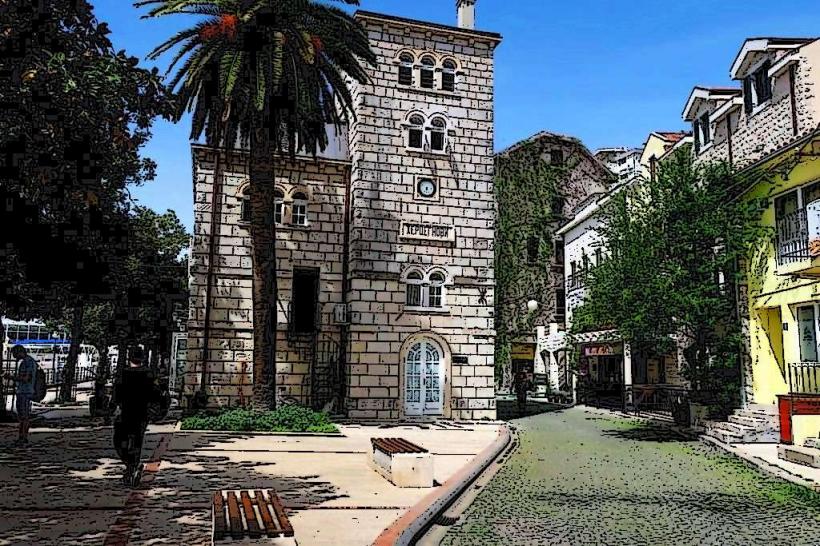
Information
Landmark: Kanli Kula FortressCity: Herceg Novi
Country: Montenegro
Continent: Europe
Kanli Kula Fortress, Herceg Novi, Montenegro, Europe
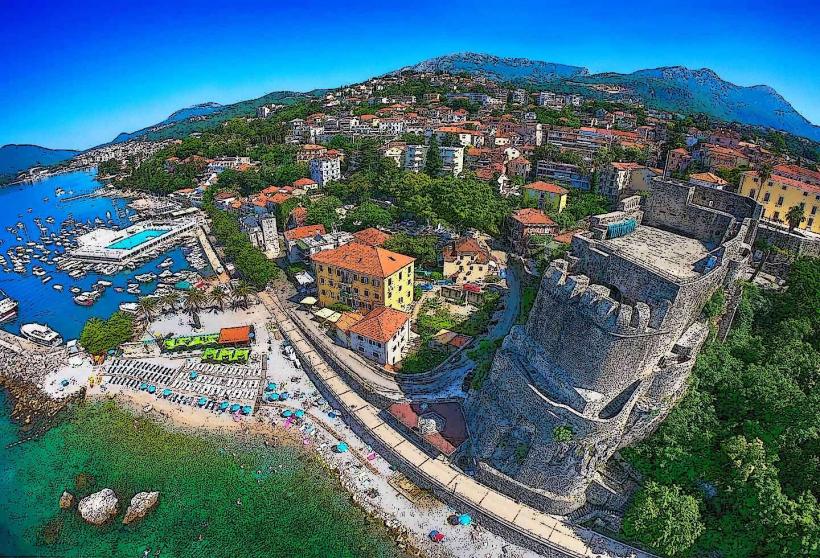
Kanli Kula (Bloody Tower) is a massive fortification located at the highest point of the Old Town in Herceg Novi. Built during the Ottoman era, it served both as a primary defensive bastion and a notorious prison.
Visual Characteristics
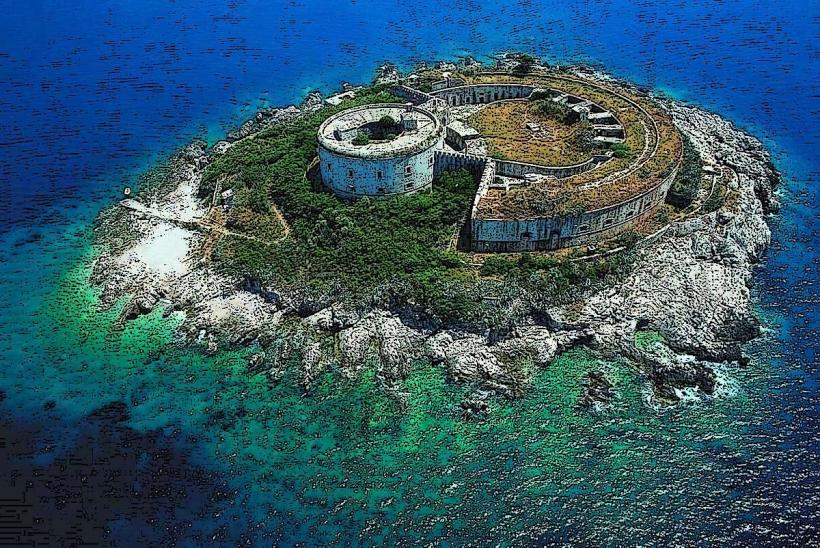
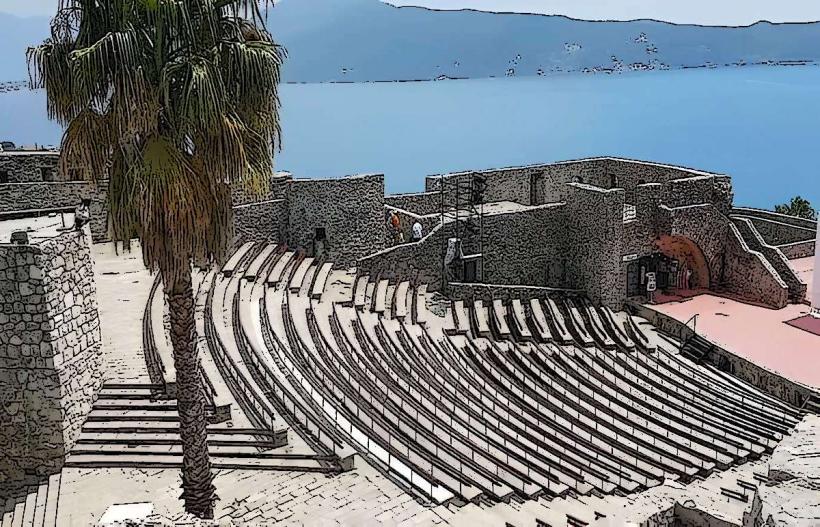
The fortress is a monumental stone structure of irregular shape, measuring approximately $70 \times 60$ meters. Its walls are built from rough-hewn local limestone, reaching significant thickness to withstand artillery. The interior is tiered, with various levels connected by stone stairs. Today, the central interior has been converted into one of the largest and most scenic open-air amphitheaters on the Adriatic coast.
Location & Access Logistics
Position: It dominates the northern (upper) section of Herceg Novi, overlooking the entire Bay of Kotor.
Access: Accessible via the main highway (E65) or by climbing the stairs from the town center.
Hours: Typically 09:00–21:00 during the summer season.
Entry Fee: Approximately 3–4 €.
Historical & Defensive Origin
The current structure mostly dates to the 16th century (approx. 1539) during the Ottoman occupation. The name "Kanli Kula" is Turkish for "Bloody Tower," a title earned because the fortress was used as a prison characterized by brutal conditions. Following the Venetian conquest in 1687, the fortress underwent repairs and modifications, though it largely retained its Ottoman architectural character.
Key Highlights & Activities
The Prison Cells: On the lower levels, visitors can see the original dungeon cells. The walls feature carvings and drawings made by prisoners, including depictions of galleys and crosses.
The Amphitheater: Redesigned in 1966, the interior now hosts 1,000–1,500 spectators for the Herceg Novi Film Festival and various opera and music performances.
Upper Bastions: The perimeter walls offer 360-degree views, stretching from the Orjen mountain massif to the open sea.
Infrastructure & Amenities
Connectivity: Excellent 4G/5G signal throughout the site.
Facilities: A ticket office and small souvenir stall are located at the entrance. Restrooms are available for visitors and event attendees.
Sound & Light: The fortress is equipped with professional stage lighting and acoustics for its summer festival program.
Best Time to Visit
Morning: Best for exploring the historical details of the stonework and prison cells in cooler temperatures.
Evening: The fortress is a primary venue for cultural events in July and August. Viewing a performance here is a top-tier local activity.
Facts & Legends
The most famous inscriptions in the prison cells are those made by sailors who were captured by the Ottomans. These etchings serve as a rare historical record of maritime life and suffering during the centuries of conflict between the Ottoman Empire and Venice. The fortress's foundation rests directly on a solid rock outcrop, which is why it sustained relatively minor damage during the 1979 earthquake compared to other town buildings.
Nearby Landmarks
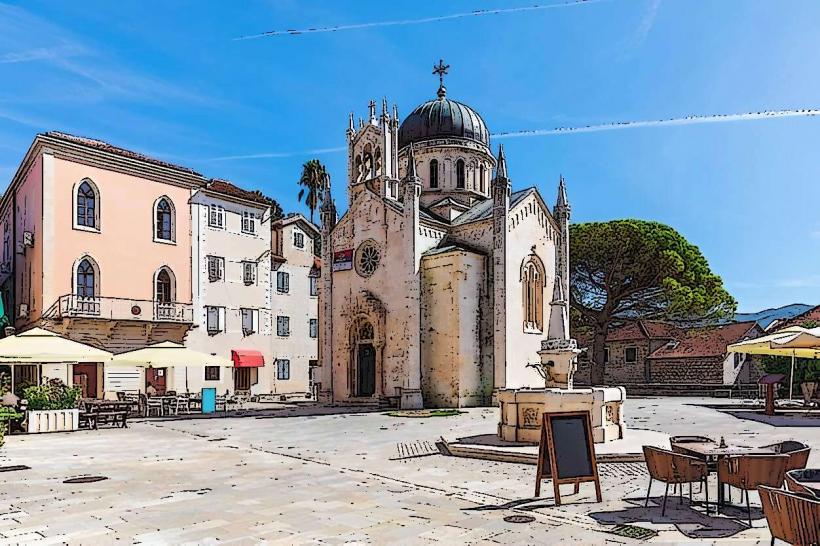
Belavista Square: 0.3km South (downhill)
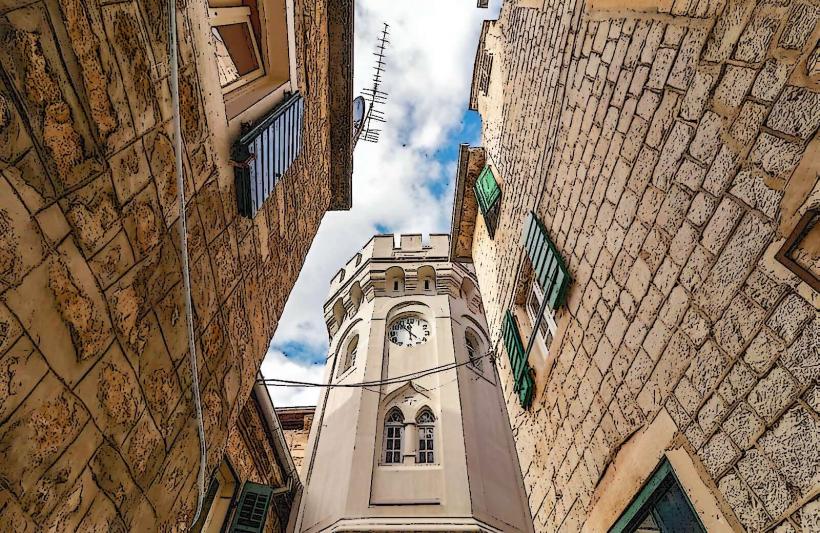
Clock Tower: 0.2km Southwest
Spanjola Fortress: 1km North (further uphill, outside the old city walls)
Forte Mare: 0.6km South (at the sea level)