Information
Landmark: Kanli Kula AmphitheatreCity: Herceg Novi
Country: Montenegro
Continent: Europe
Kanli Kula Amphitheatre, Herceg Novi, Montenegro, Europe
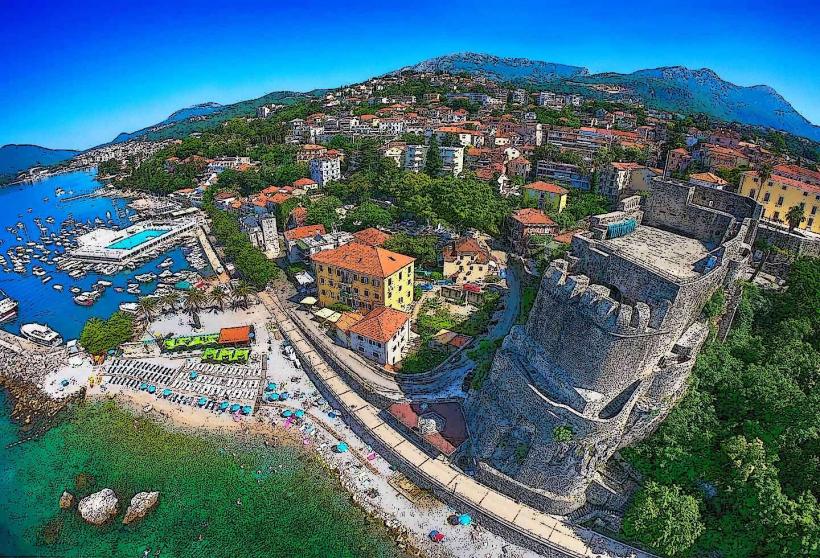
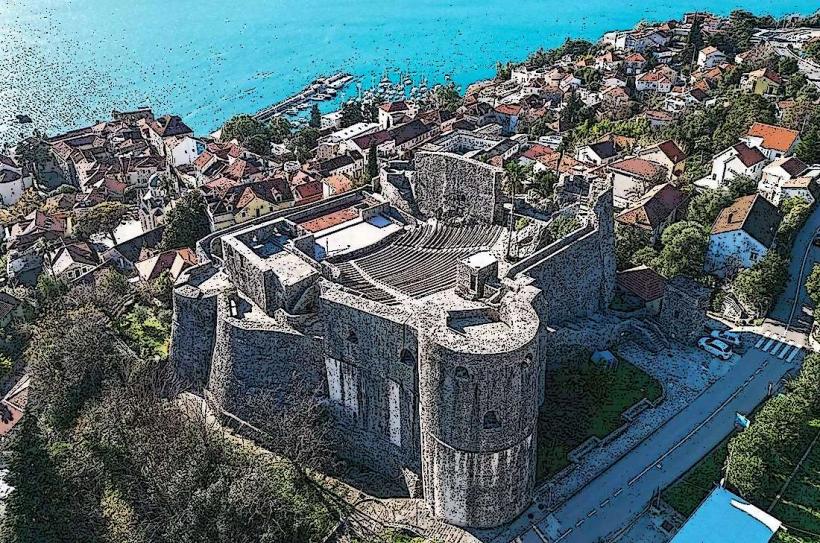
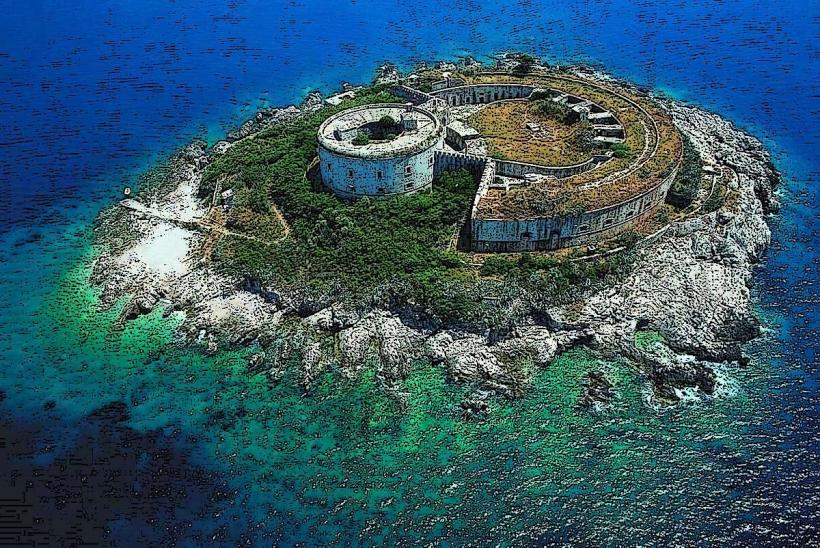
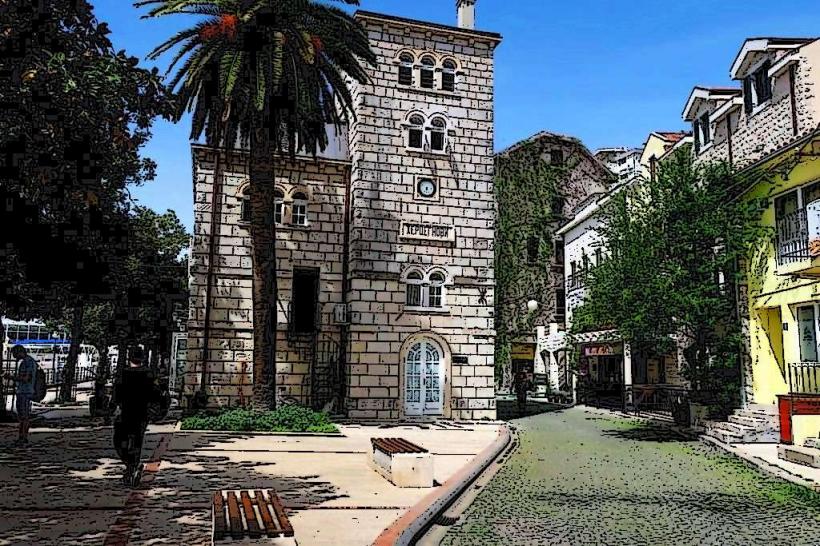
Kanli Kula, which translates to "Bloody Tower," is a massive fortification and open-air amphitheater situated on the northernmost point of the Old Town in Herceg Novi. It stands at an elevation of 85 meters above sea level, originally serving as a formidable prison and defensive bastion during the Ottoman occupation.
Visual Characteristics
The fortress is constructed from rough-hewn local limestone and features walls up to 20 meters high. The interior was redesigned in 1966 to house one of the largest open-air stages on the Adriatic, with stone seating tiers capable of holding 1,000 spectators. The architectural style reflects late medieval Ottoman military engineering with subsequent Venetian structural reinforcements.
Location & Access Logistics
The main entrance is located on the E65 Adriatic Highway (Jadranska magistrala) at the upper edge of the Old Town. Pedestrian access is also available via the steep stone staircases leading up from Belavista Square. Public bus lines stop at the "Kanli Kula" station directly outside the fortress gates; limited parking is available in the municipal lot 200 meters to the west.
Historical & Ecological Origin
The fortress was established by the Ottoman Empire in 1539, following their reconquest of the city from the Spaniards. It functioned primarily as a high-security prison for centuries. The modern transition into an amphitheater was completed following the 1966 renovation project led by architect Boris Podrecca, aimed at preserving the ruins while providing a functional cultural venue.
Key Highlights & Activities
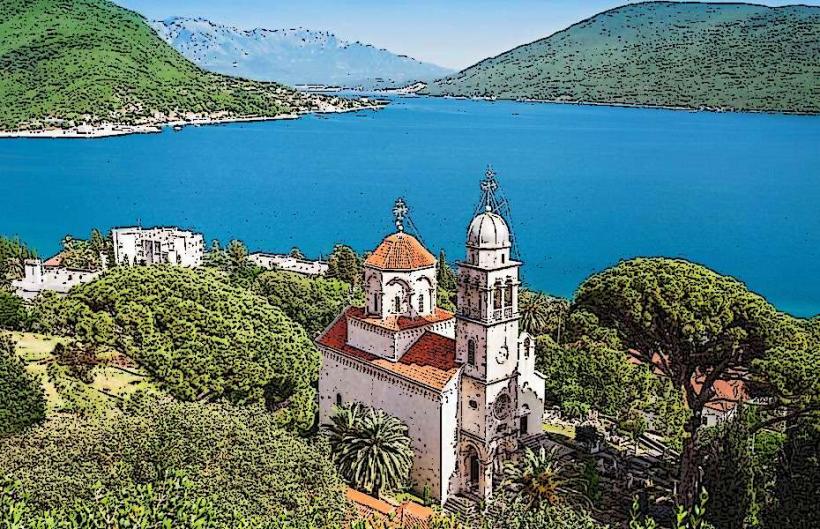
Visitors can explore the former prison cells, which contain original wall carvings and inscriptions left by inmates. The amphitheater hosts the annual Montenegro Film Festival and various international music concerts during the summer. The upper ramparts provide a 360-degree vantage point over the Bay of Kotor and the city’s urban core.
Infrastructure & Amenities
The site includes a ticket office, a small museum display, and temporary restroom facilities used during events. There is very little shade within the open amphitheater area. 5G cellular coverage is consistent throughout the fortress. A small cafe operates near the entrance during the peak summer season.
Best Time to Visit
The fortress is best visited in the late afternoon for photography, as the sun illuminates the Bay of Kotor and the Luštica Peninsula from the west. The months of July and August are the primary season for evening performances. For historical tours, morning hours (8:00 AM – 10:00 AM) offer cooler temperatures and lower visitor density.
Facts & Legends
The prison was notorious for its "death cells," and legends persist of secret underground tunnels connecting the tower to the sea, used for the clandestine disposal of prisoners. A verified historical oddity is the presence of detailed 16th-century graffiti inside the cells, depicting various types of Mediterranean sailing ships etched into the stone by captives.
Nearby Landmarks
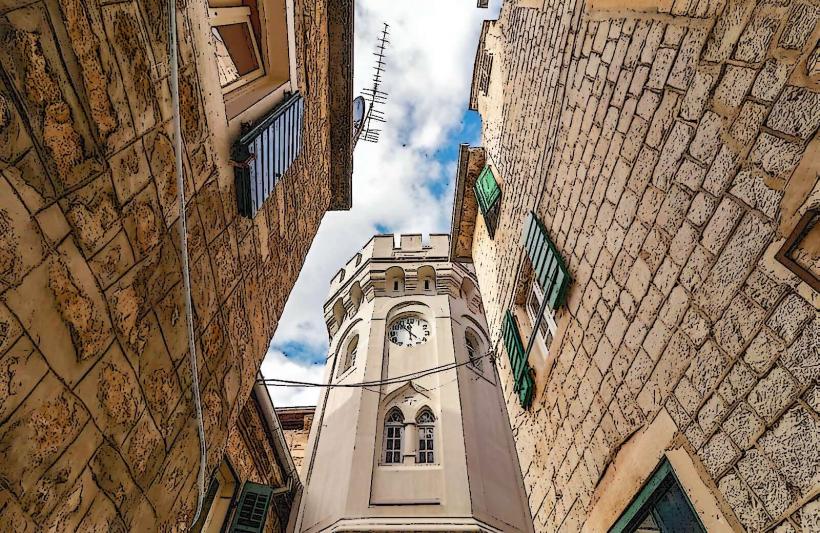
Clock Tower (Sat Kula) – 0.2km South
Belavista Square – 0.25km South
Spanjola Fortress – 0.8km North
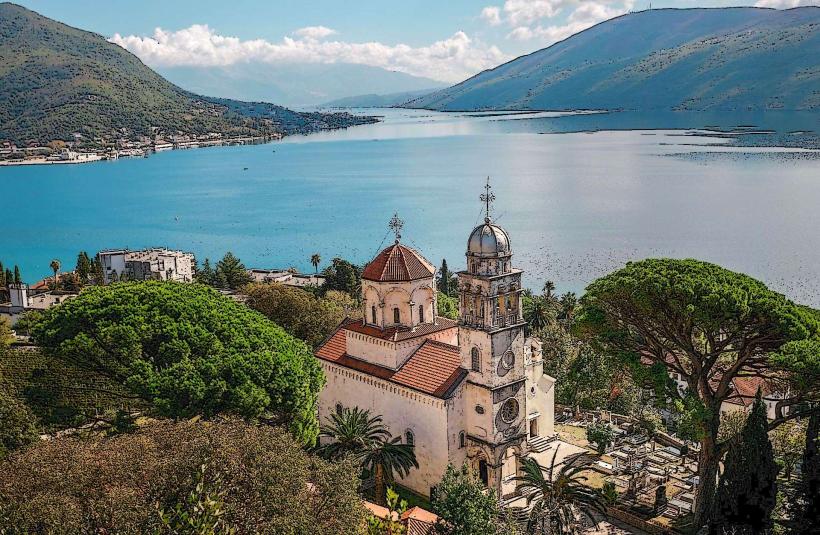
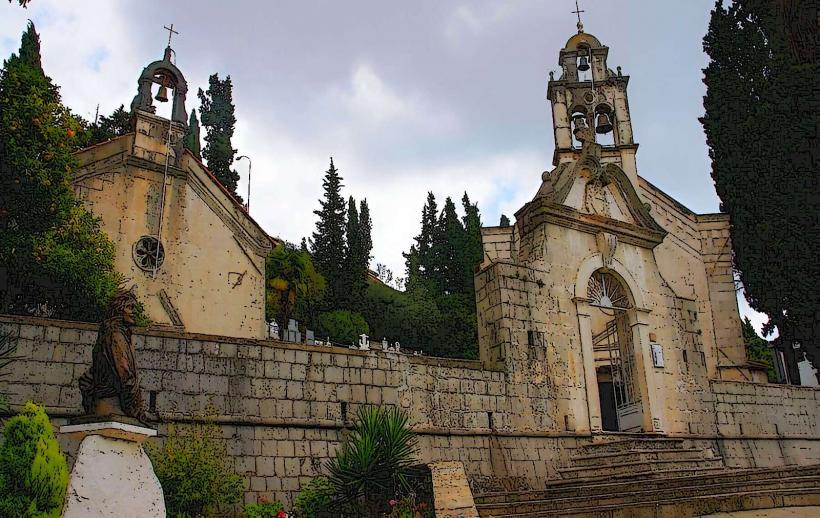
St. Jerome Church – 0.35km South
Forte Mare Fortress – 0.5km South