Information
City: BudvaCountry: Montenegro
Continent: Europe
Budva, Montenegro, Europe
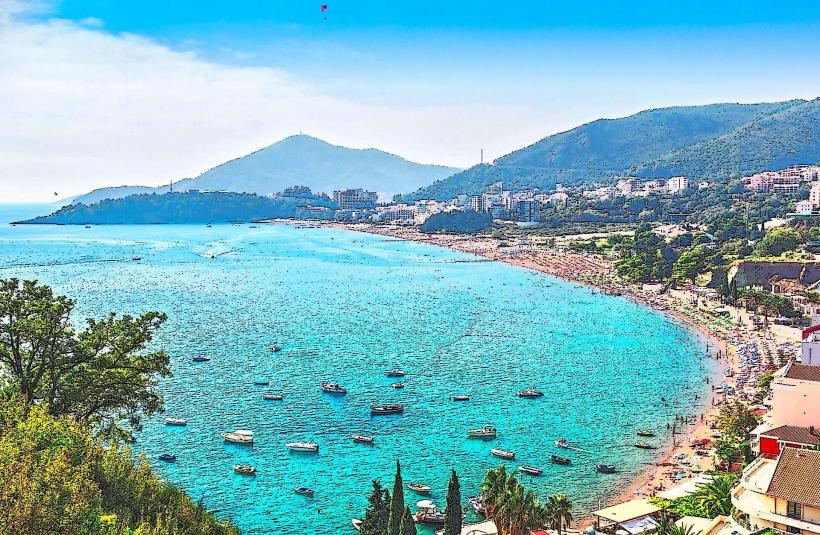
Budva functions as the primary tourism and entertainment hub of Montenegro and the administrative center of the Budva Municipality. Situated on the Budva Riviera along the central Adriatic coast, it serves as a specialized node for high-density coastal tourism, luxury real estate development, and regional nightlife. It is defined by its 2,500-year history as one of the oldest settlements on the Adriatic, its intensive urban "Budvanization" (rapid high-rise development), and its status as the most economically significant destination in the country, contributing over half of Montenegro's tourism revenue.
Historical Timeline
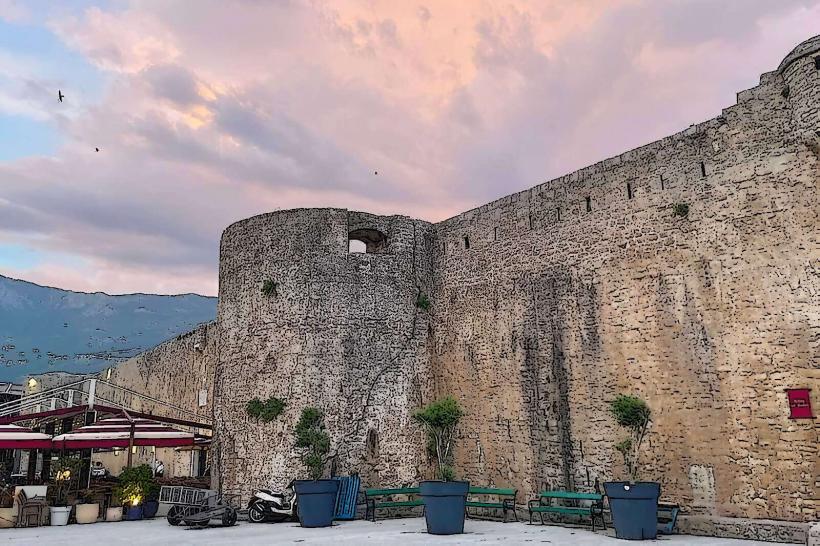
Budva was established by the Illyrians and expanded by the Greeks (as Bouthoe) in the 5th century BC. The primary era of governance was the Venetian period (1420–1797), which constructed the current fortifications of the Old Town to defend against Ottoman incursions. The primary event shaping its modern identity was the 1979 earthquake, which necessitated an eight-year total reconstruction of the historic core, followed by the post-2006 independence boom that transformed the city into a high-rise "Miami of the Balkans."
Demographics & Population
The population is approximately 27,500 (2026 estimate), though this figure fluctuates dramatically to over 100,000 during the peak summer months. The demographic profile is specialized toward hospitality, real estate, and foreign investment services. The city has a high density of foreign residents, particularly from Russia, Ukraine, and Turkey, who have heavily influenced the local property market and service sectors.
Urban Layout & Key Districts
The city is divided into the compact medieval core and a rapidly expanding modern sprawling urban field.
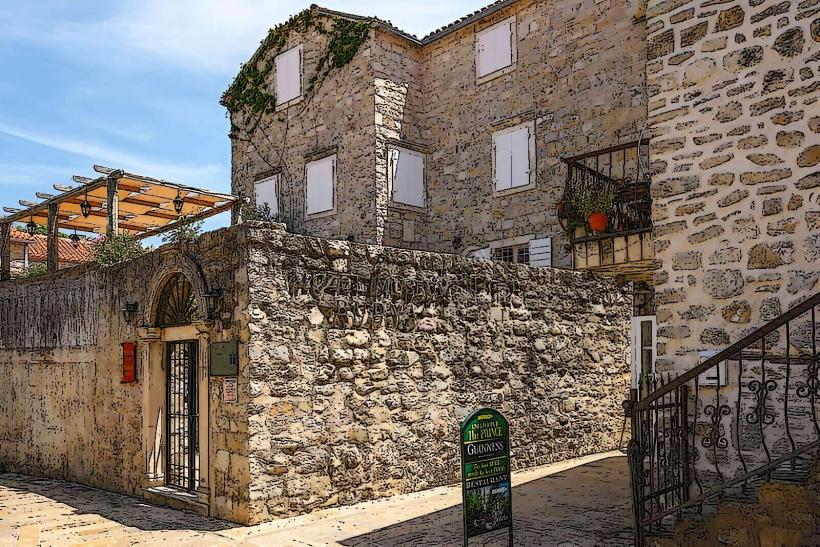
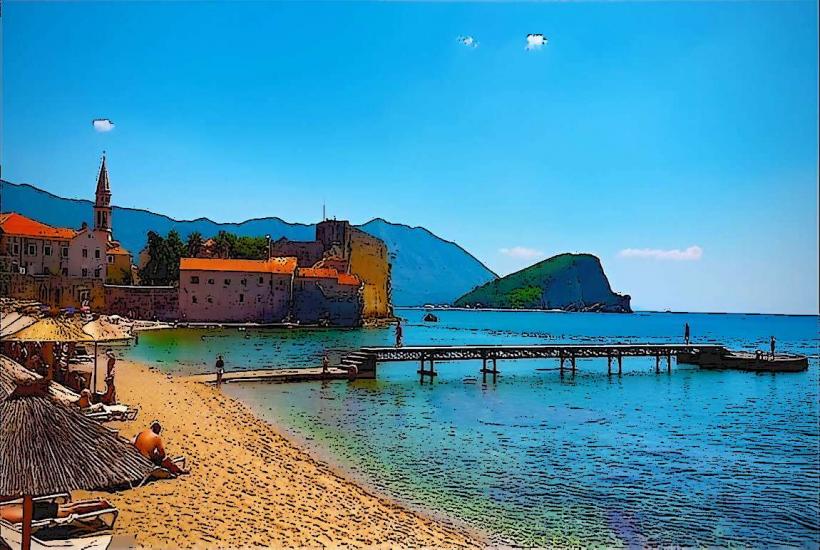
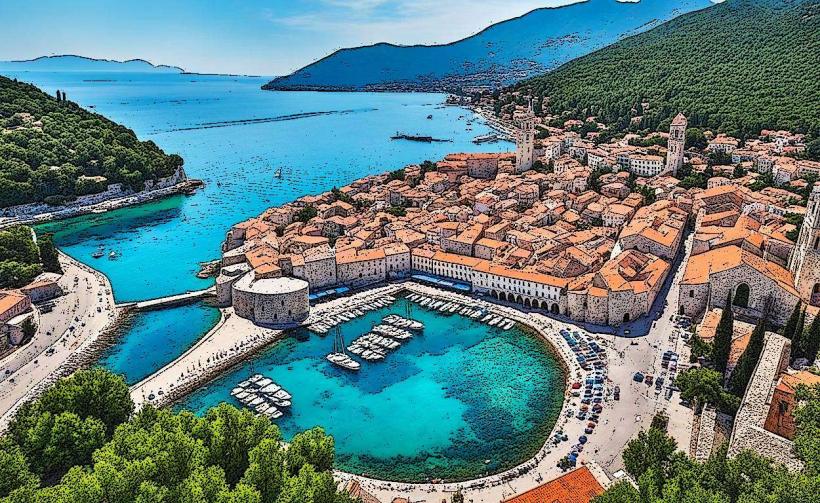
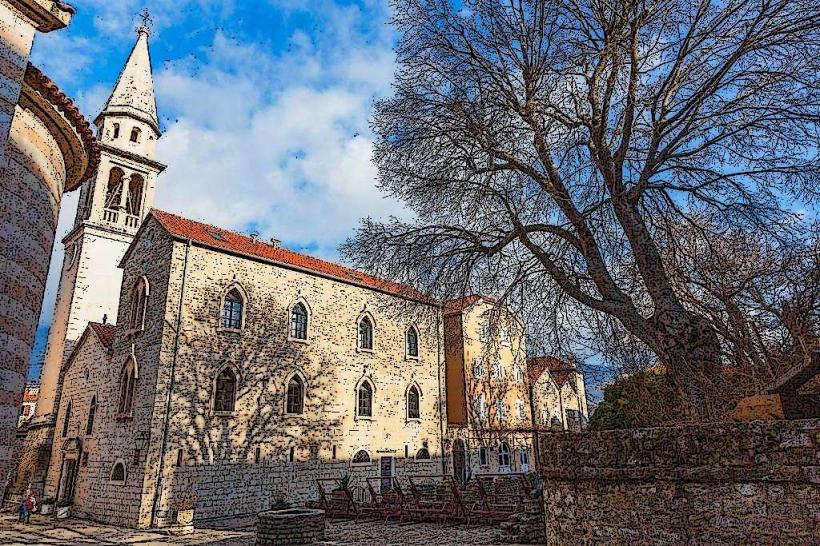
Stari Grad (Old Town): A specialized pedestrian-only medieval citadel on a small peninsula; it is the cultural heart, containing historic churches and the main citadel.
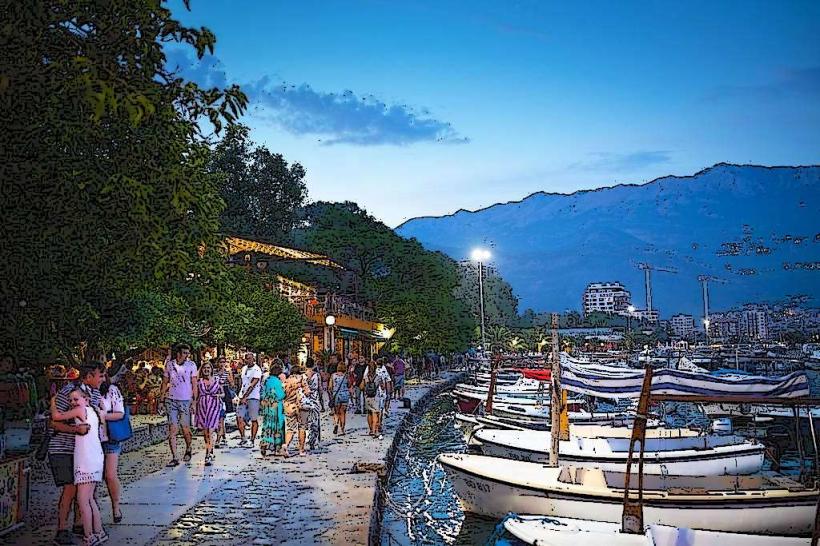
Main Promenade (Slovenska Obala): A specialized 1.6 km waterfront strip lined with bars, clubs, and temporary summer markets, connecting the Old Town to the Zavala Peninsula.
Rozino & Dubovica: Specialized residential and business districts north of the Adriatic Highway; these are the primary hubs for local administration, schools, and the central bus station.
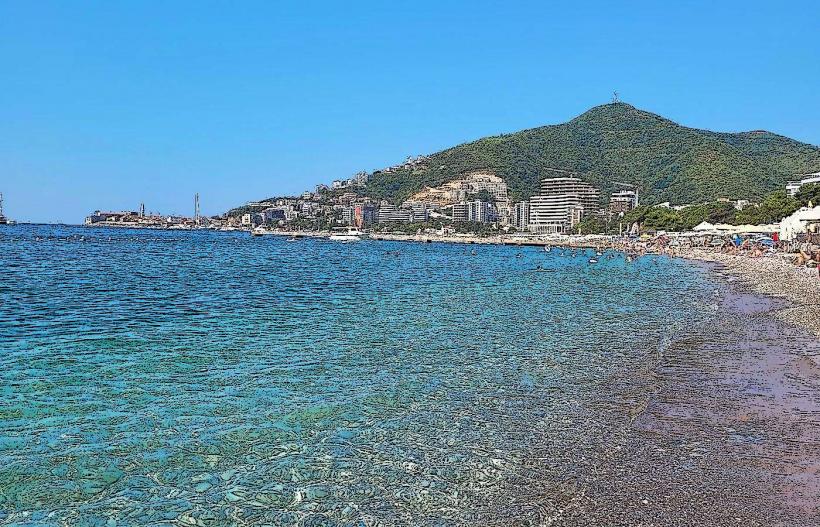
Bečići: A specialized resort suburb east of the main city, known for its long sandy beach and large-scale international hotel chains.
Top City Landmarks
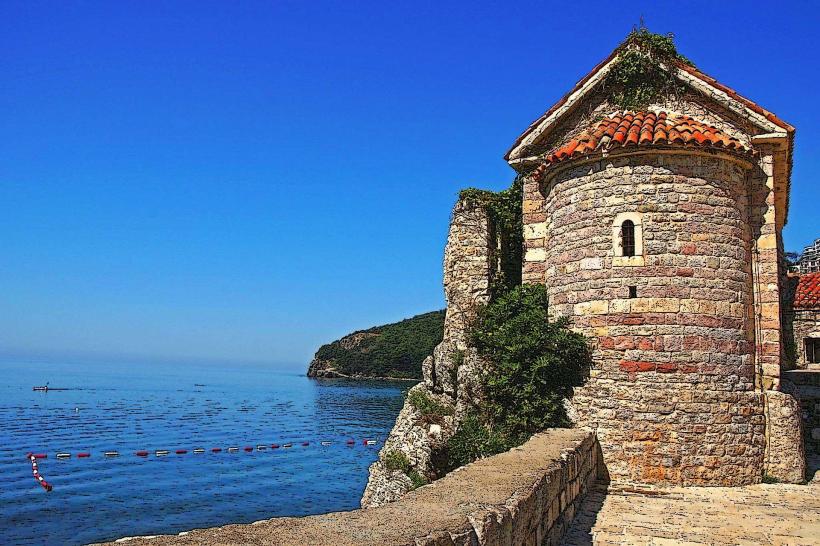
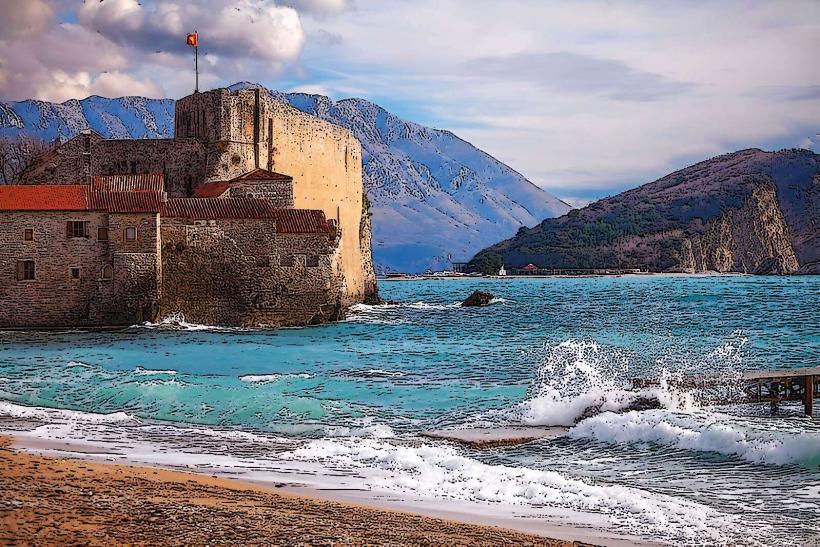
The Citadel (Castle of St. Mary): A specialized seaside fortress at the southern tip of the Old Town; it houses a specialized library, a maritime museum, and offers the primary vantage point for the Riviera.
The Dancing Girl (Budva Ballerina): A specialized bronze sculpture located on the coastal path toward Mogren Beach; it is the city's most photographed landmark and symbol of local legend.
Sveti Nikola Island ("Hawaii"): A specialized uninhabited island 1 km offshore; it is the largest in Montenegro and serves as the primary day-trip destination for its clear water and rocky beaches.
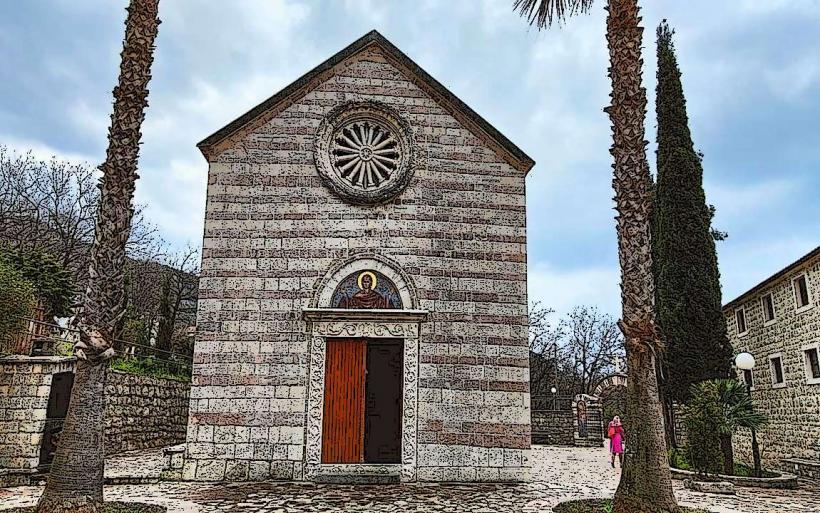
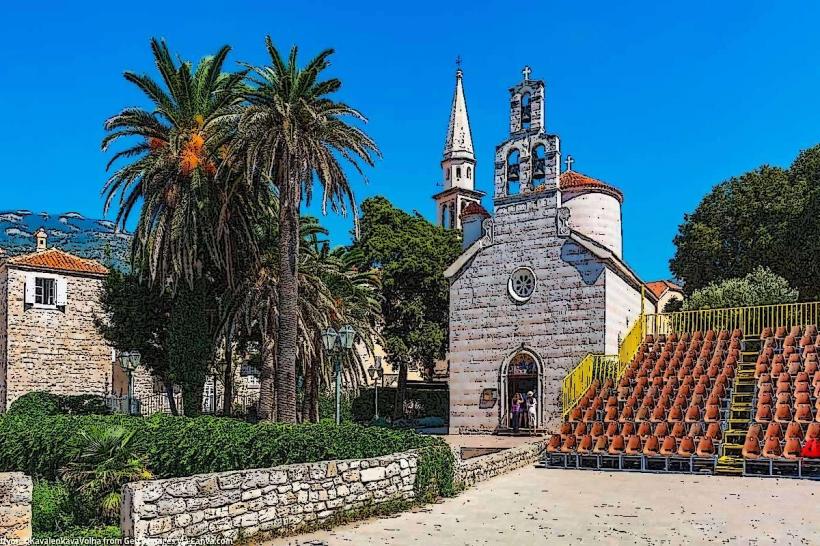
Church of the Holy Trinity: A specialized 1804 Orthodox church located in the Old Town square; it is recognized by its distinct red-and-white stone horizontal stripes and vibrant mosaic above the entrance.
Sveti Stefan: A specialized 15th-century fortified island-village 6 km south of Budva; now a world-famous luxury resort, it is the most iconic visual representation of Montenegrin tourism.
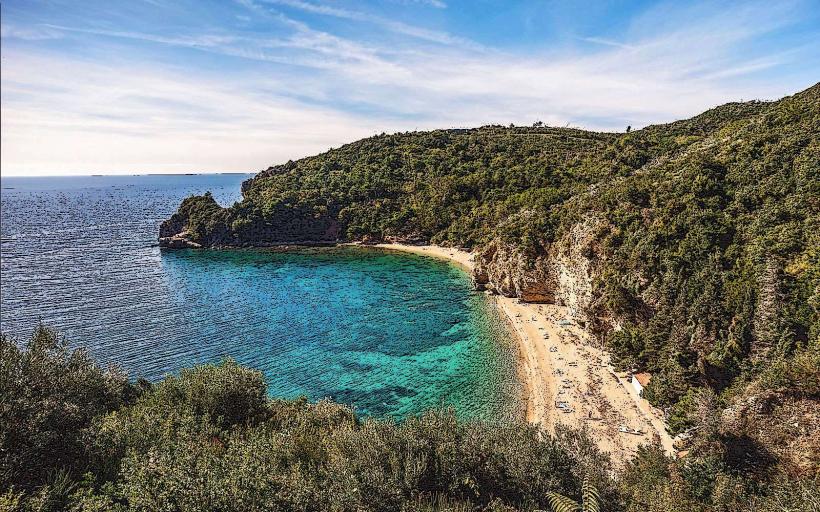
Mogren Beaches (I and II): Two specialized sandy bays connected by a narrow tunnel through the cliffs, accessible only by a scenic coastal walkway.
Transportation Network
Budva is the central link on the Montenegrin coast, though it faces extreme seasonal congestion.
Adriatic Highway (E65/E80): The primary road artery; in 2026, the Budva Bypass project is the critical infrastructure priority to divert transit traffic away from the city center.
Tivat Airport (TGD): Located 20 km away; the specialized primary air gateway for the Riviera.
Budva Bus Station: A specialized regional hub with high-frequency international lines to Dubrovnik, Belgrade, and Tirana.
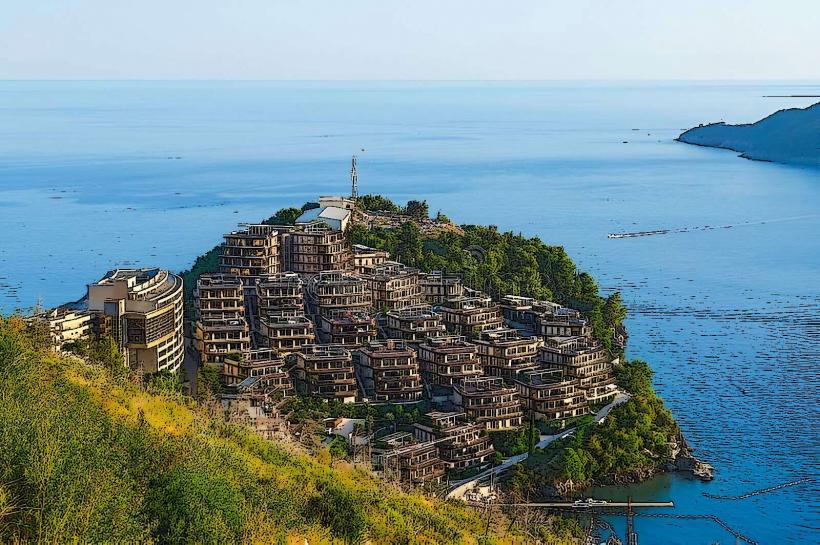
Maritime Logistics: While lacking a commercial port, Budva’s Dukley Marina is a specialized hub for superyachts and high-end nautical tourism.
Safety & "Red Zones"
The general safety level is high, though seasonal vigilance is required. Budva is statistically safe, but its high tourist density leads to a rise in petty theft and pickpocketing in the Old Town and on beaches during summer. There are no "red zones." The primary risk is the "party scene" environment where late-night alcohol-related incidents can occur near the main promenade clubs.
Digital & Financial Infrastructure
In 2026, the city operates as the Digital Capital of the Coast. Internet speeds average 400–1000 Mbps. 5G is universal. The city utilize a specialized "Smart Budva" mobile app for paying parking, checking beach occupancy, and registering tourist stay taxes digitally.
Climate & Social Norms
Budva has a Mediterranean climate with over 270 sunny days per year. Average temperatures range from 8°C in January to 29°C in July. Social norms are defined by a fast-paced, "see and be seen" atmosphere compared to the more reserved Kotor. Tipping (10%) is standard in restaurants.
Local Cost Index (2026 Estimates)
1 Espresso: €2.00 – €3.50
1 Pint of Local Beer: €4.00 – €6.50
1 Standard Lunch: €15.00 – €30.00
Sunbed Rental: €15.00 – €50.00 (highly location-dependent)
Avg. Property Price: €2,900 – €4,500 per $m^2$
Nearby Day Trips
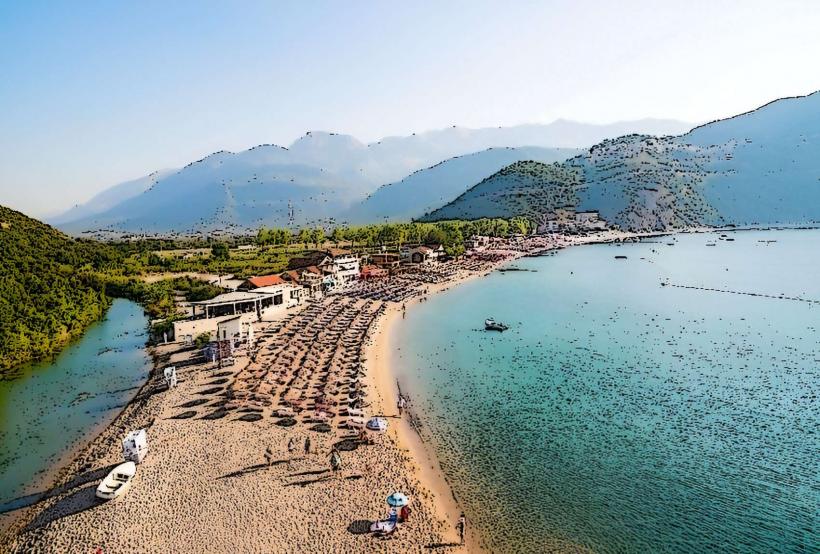
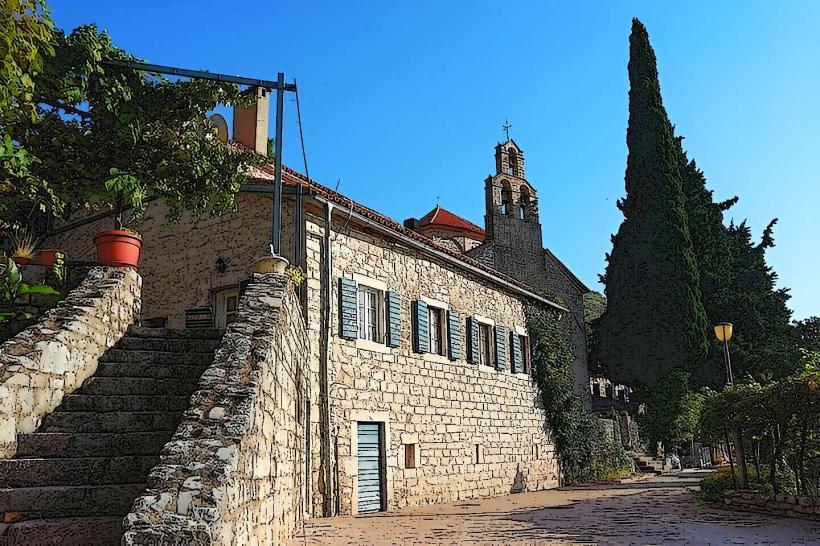
Lake Skadar: 45 mins away; the specialized largest lake in the Balkans, famous for its wetlands and historic island monasteries.
Cetinje: 30 mins away; the specialized historical capital located in the mountain pass above Budva.
Lipovci/Brajići: 20 mins away; specialized viewpoints and paragliding take-off points offering panoramic views of the entire Riviera.
Facts & Legends
Budva is the site of the oldest urban settlement on the Adriatic. Legend states the city was founded by Cadmus, the Phoenician prince and founder of Thebes, who arrived here on an ox-drawn cart with his wife Harmonia. A verified fact is that Budva is the nightlife capital of the Adriatic, housing Top Hill, which was once voted the best nightclub in the world. Historically, the city’s name is derived from the Greek "Bous" (ox), referencing the legend of Cadmus.