Information
Landmark: Budva City WallsCity: Budva
Country: Montenegro
Continent: Europe
Budva City Walls, Budva, Montenegro, Europe
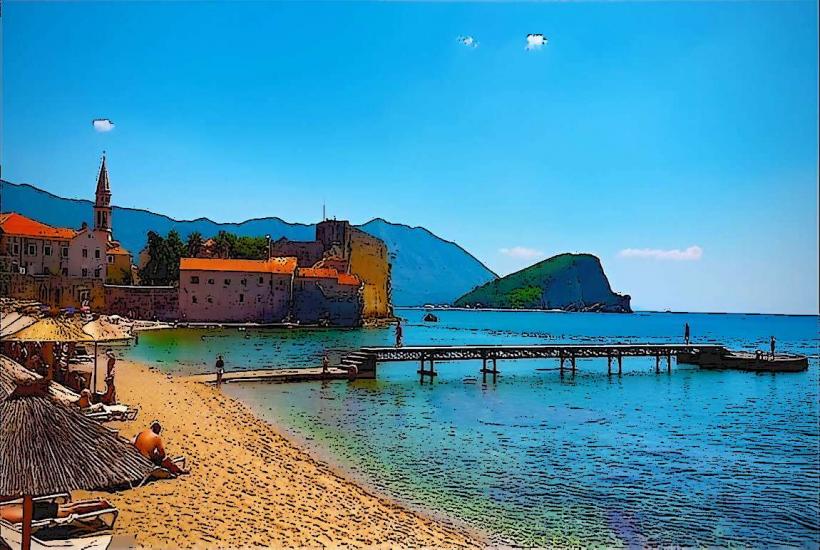
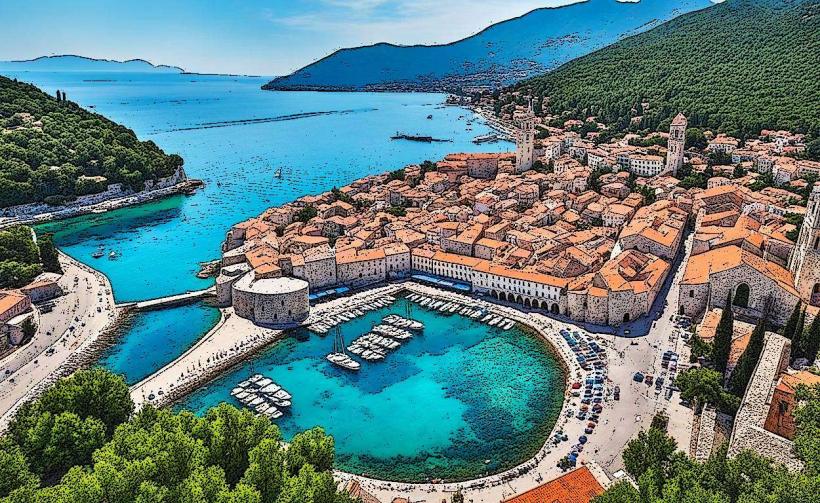
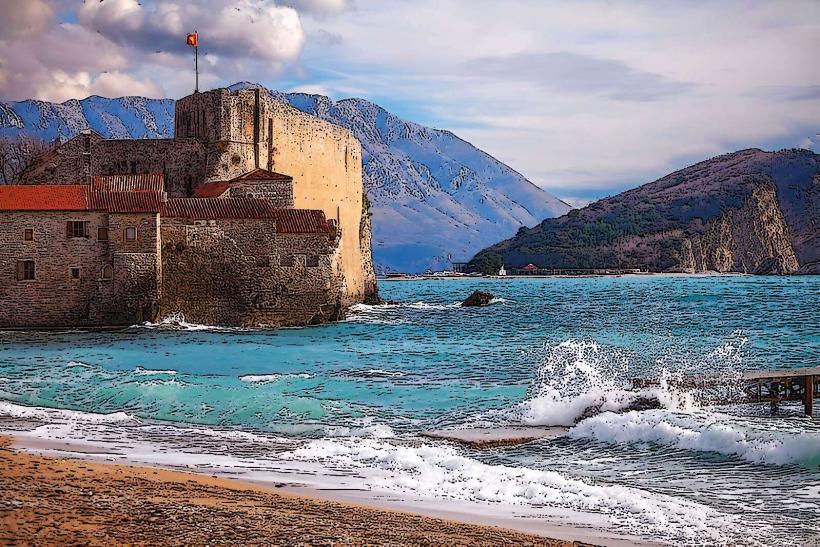
The Budva City Walls are a medieval fortification system that completely encircles the Old Town. They represent one of the best-preserved examples of Venetian military architecture on the Adriatic coast.
Visual Characteristics
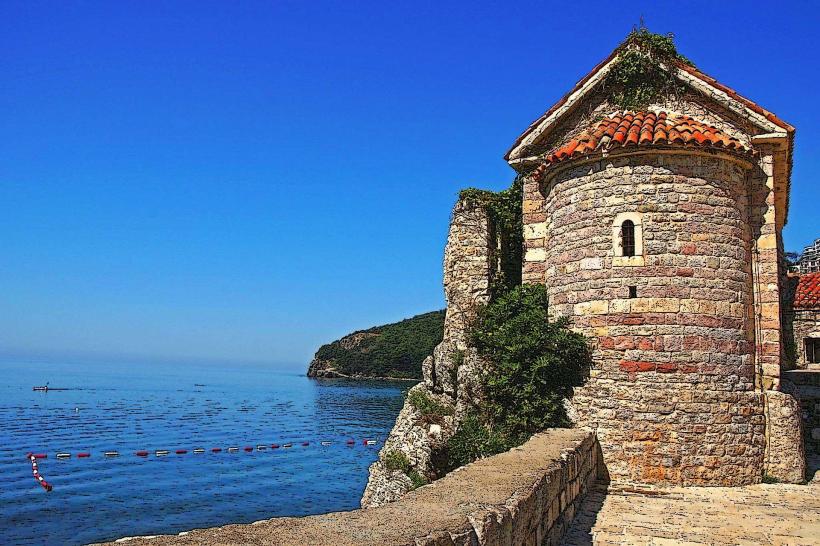
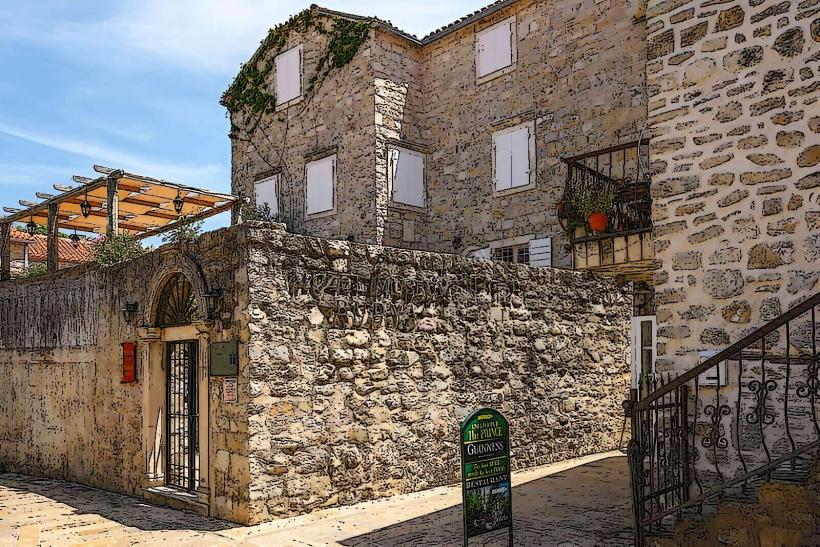
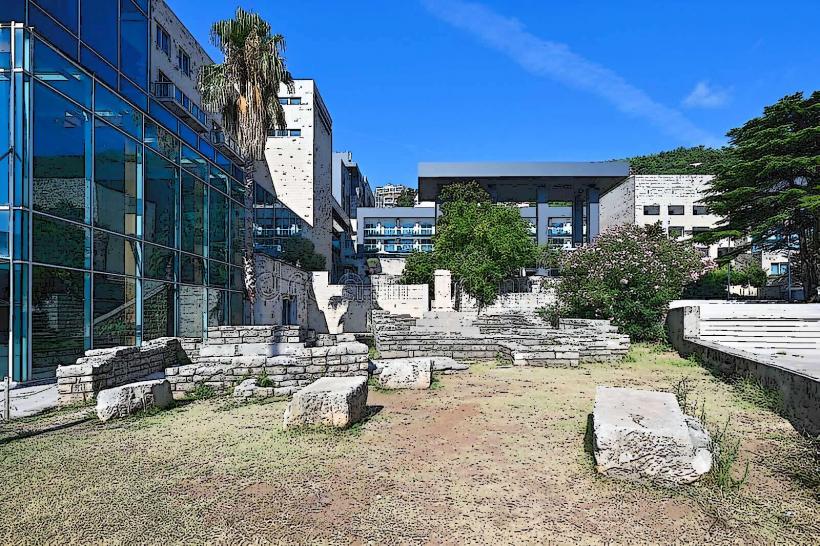
The walls consist of high curtain walls reinforced with bastions, towers, and a prominent citadel. Built primarily from local grey limestone, the ramparts vary in thickness, reaching up to 2 meters in certain sections. The fortifications feature narrow loopholes for musketry and wider embrasures for cannons. The top of the walls serves as a continuous stone walkway with crenelated battlements.
Location & Access Logistics
The ramparts surround the entire Old Town peninsula. There are two primary access points for climbing the walls:
Near the Citadela: Located at the southern tip of the town.
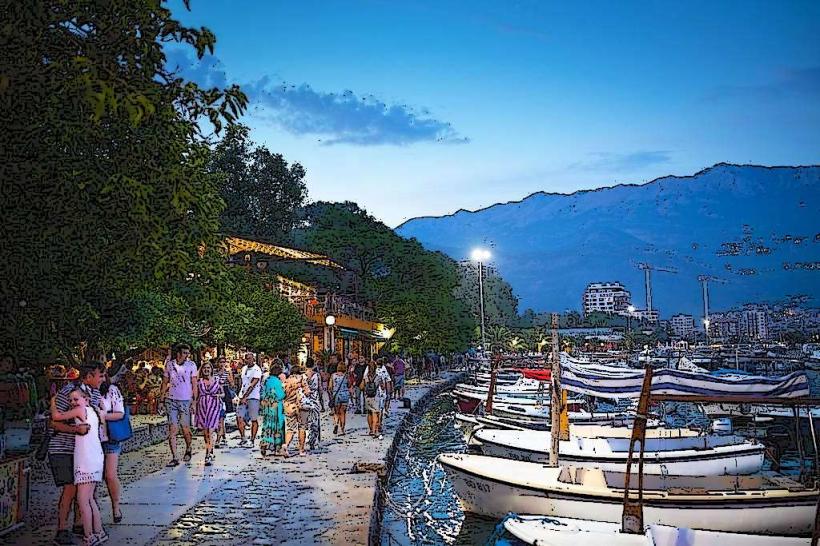
Near the Sea Gate: Located on the northern side near the marina.
A small entrance fee (approx. 2–3 €) is required for access to the upper walkway. The walls are open daily during the summer season, typically from 09:00 to 20:00.
Historical & Defensive Origin
While the foundations date back to the 9th century, the current layout was finalized by the Republic of Venice in the 15th century to defend against Ottoman expansion. The walls were designed to withstand both land-based sieges and naval attacks. They survived the 1667 earthquake and were meticulously restored following the 1979 earthquake using traditional stone-masonry techniques.
Key Highlights & Activities
Panoramic Walk: The full circuit offers a 360-degree view of the Budva Riviera, the red roofs of the Old Town, and Sveti Nikola Island.
Bastion Viewing: The northern bastions provide the best vantage points for observing the Budva Marina and the coastal mountains.
Architectural Details: Visitors can observe historical coats of arms and winged lions of St. Mark (the symbol of Venice) embedded in the stonework.
Infrastructure & Amenities
The walkway is narrow and lacks shade; sturdy footwear is required. 4G and 5G cellular signals are excellent along the entire perimeter. There are no restrooms or water stations on top of the walls, though the town interior below is densely packed with cafes and shops.
Best Time to Visit
Late afternoon (approximately two hours before sunset) is optimal for photography and to avoid the intense Mediterranean heat. Morning visits are recommended for those wishing to avoid the heavy foot traffic from tour groups.
Facts & Legends
In medieval times, the gates of the city walls were locked every night at sunset, and the keys were handed to the city governor. Anyone remaining outside the walls after lock-up was forced to stay in the surrounding fields or on ships until morning. The walls have never been breached by a direct frontal assault in their current Venetian form.
Nearby Landmarks
Citadela Budva: Integrated into the southern section of the walls.
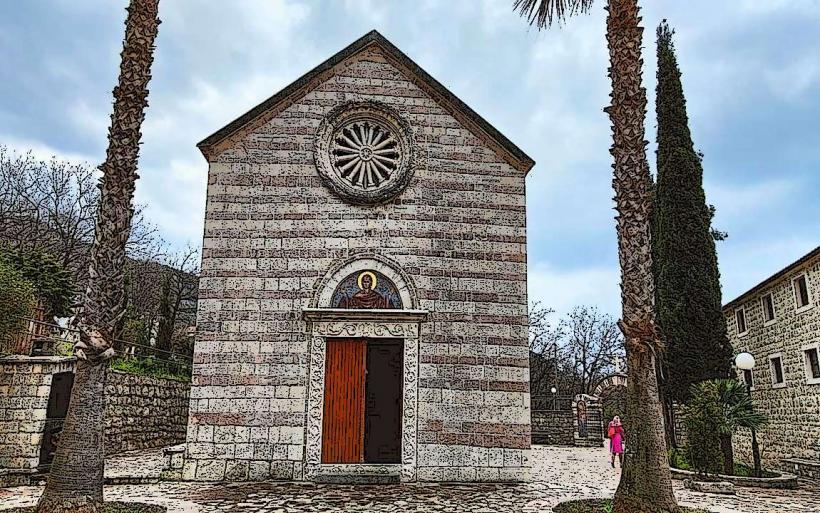
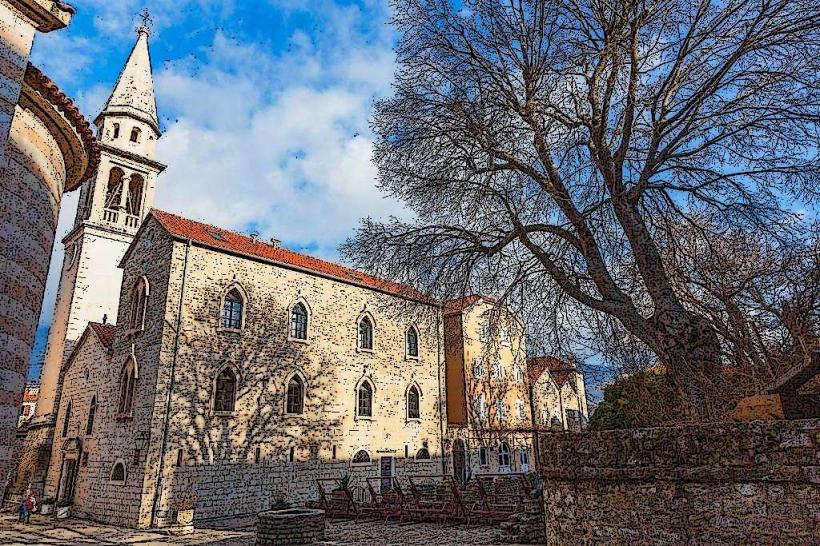
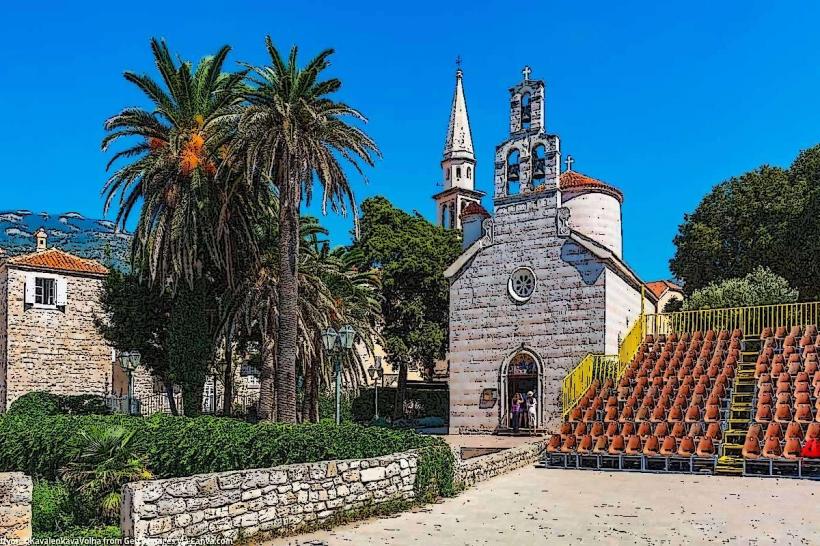
Church of St. John: 0.05km from the southern wall access.
Budva Marina: Directly adjacent to the northern walls.
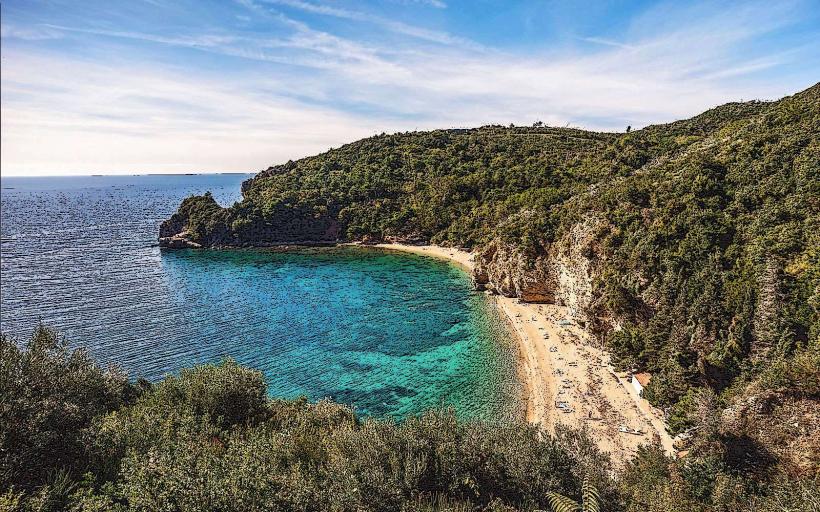
Mogren Beach Path: Starts at the base of the western walls.