Information
City: BarCountry: Montenegro
Continent: Europe
Bar, Montenegro, Europe
Bar functions as the principal maritime gateway and transport hub for Montenegro. Situated between the Adriatic Sea and Lake Skadar at the base of Mount Rumija, it serves as a specialized node for international shipping, rail logistics, and multi-confessional heritage tourism. It is defined by its split urban identity between the modern, brutalist port city (Novi Bar) and the abandoned, medieval cliffside ruins (Stari Bar), and its status as home to one of the world's oldest olive trees.
Historical Timeline
The area has been inhabited since prehistory, but the town's strategic era began with the Byzantine Empire (9th century). The primary era of governance included the Venetian Republic (1443–1571) and the Ottoman Empire (1571–1878). The primary event shaping its modern structure was the 1979 earthquake, which destroyed the water supply to Stari Bar, leading to its total abandonment and the relocation of the population to the coastal plain. Historically, it served as the seat of the first Montenegrin archbishopric (1089).
Demographics & Population
The population of the municipality is approximately 44,000, with roughly 14,000 in the town proper (2026 estimate). The demographic profile is highly integrated, featuring a specialized multi-confessional mix of Orthodox, Catholic, and Muslim residents (approx. 30%). The workforce is primarily concentrated in the Port of Bar (Luka Bar), railway operations, and the specialized olive oil production sector.
Urban Layout & Key Districts
The city is divided into two distinct geographical and functional zones.
Novi Bar (New Bar): A specialized modern coastal city characterized by wide boulevards, brutalist Yugoslav-era architecture, and the industrial port.
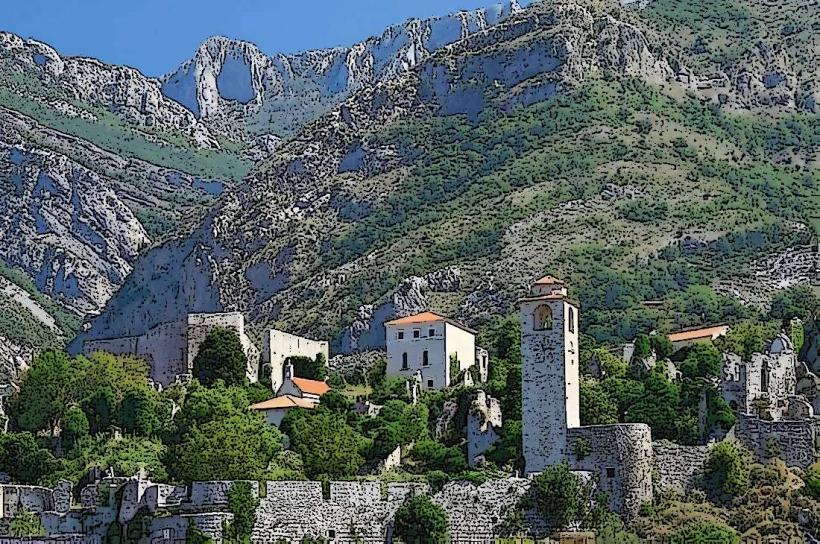
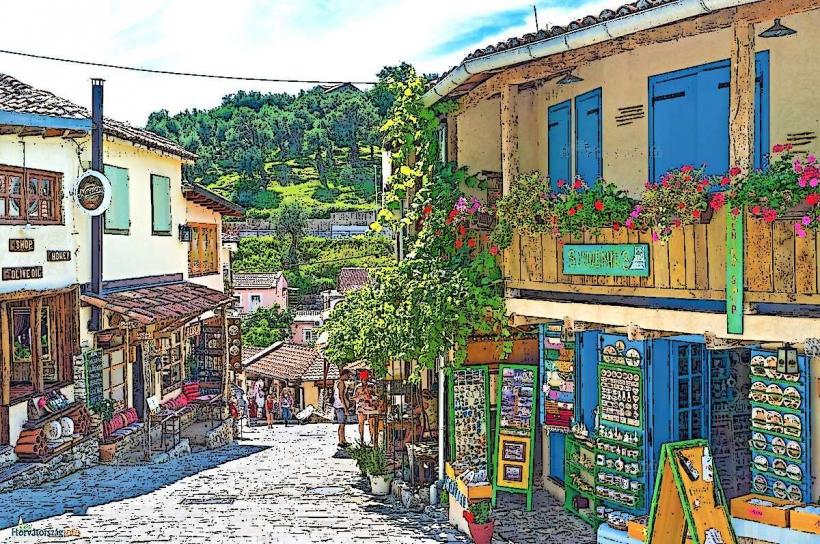
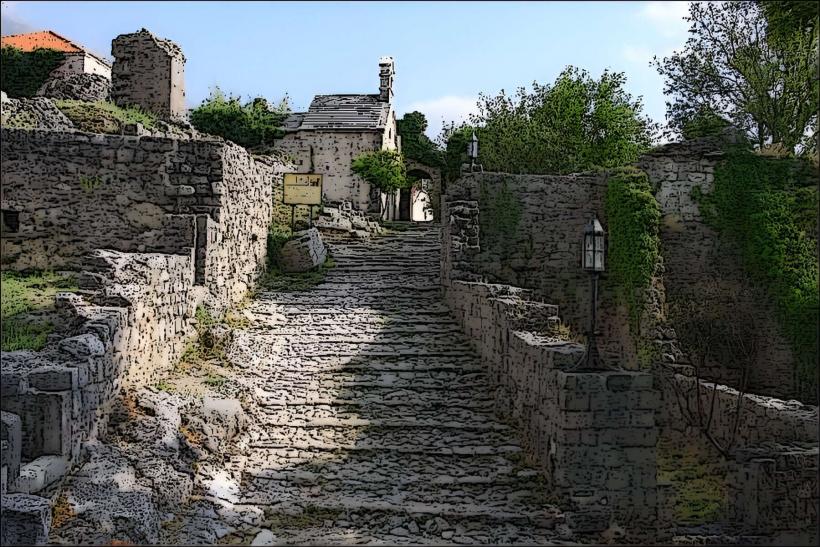
Stari Bar (Old Bar): A specialized 4-hectare archaeological site 5 km inland; an "open-air museum" containing 250 historical buildings and a medieval fortress.
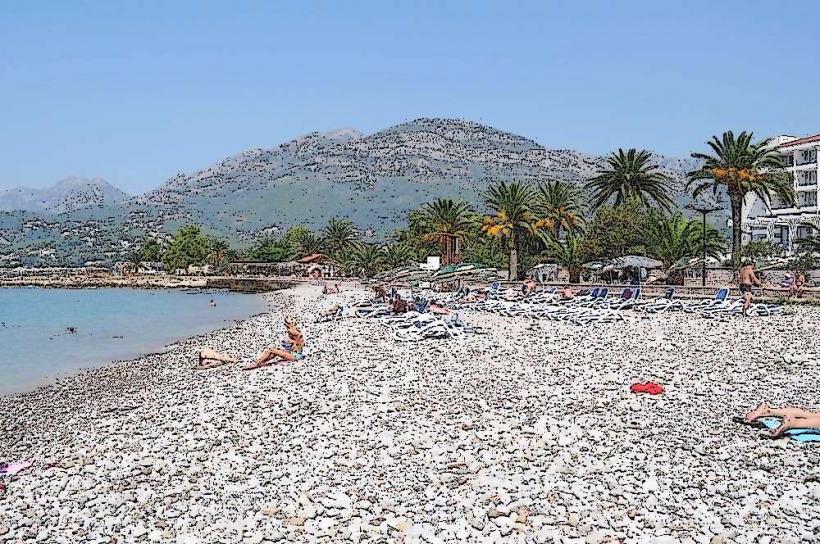
Topolica: The specialized central social district of Novi Bar, containing the primary promenade, city beach, and administrative buildings.
Šušanj: A specialized northern residential suburb known for its pine-forested beaches and seasonal apartment rentals.
Top City Landmarks
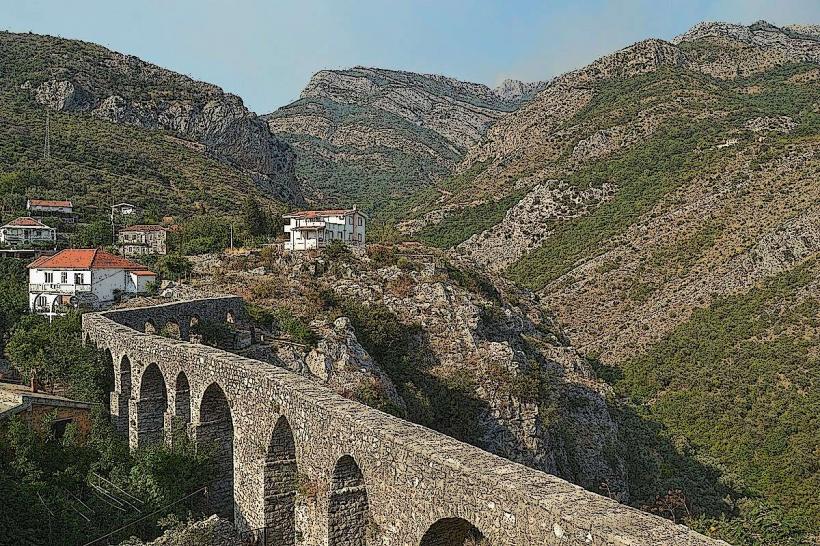
Stari Bar Fortress: A specialized medieval citadel; it features a unique blend of Byzantine, Venetian, and Ottoman ruins, including the 16th-century Ottoman Aqueduct.
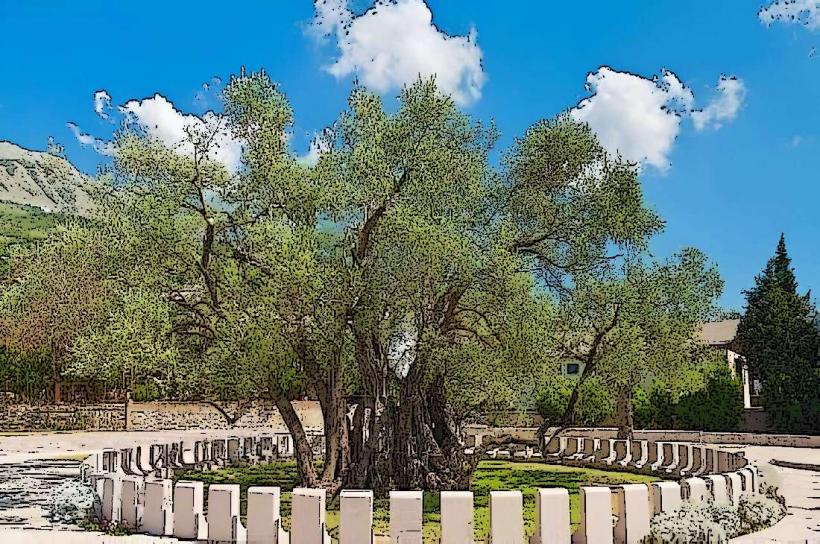
Stara Maslina (The Old Olive Tree): A specialized biological monument over 2,240 years old; it is one of the oldest living trees in the world and a symbol of regional peace.
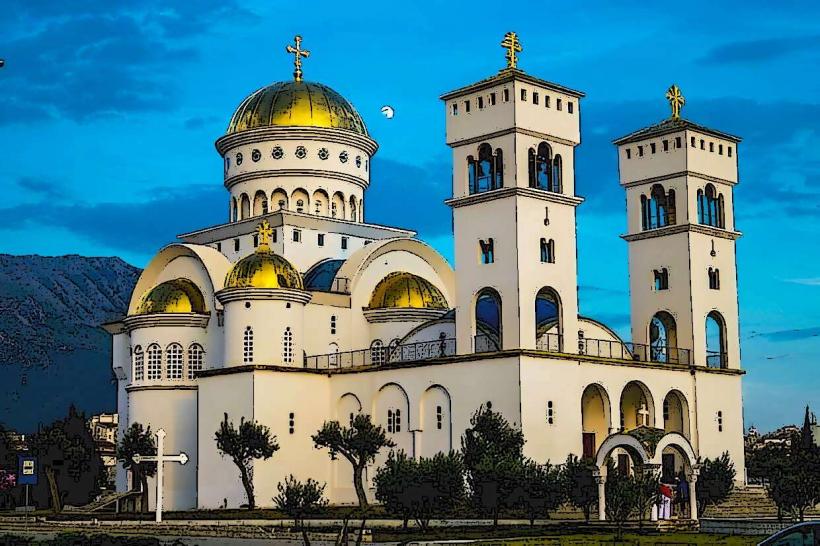
Cathedral of St. Jovan Vladimir: A specialized modern Orthodox cathedral (completed 2016); it is the largest in Montenegro, featuring golden domes and vibrant floor-to-ceiling frescoes.
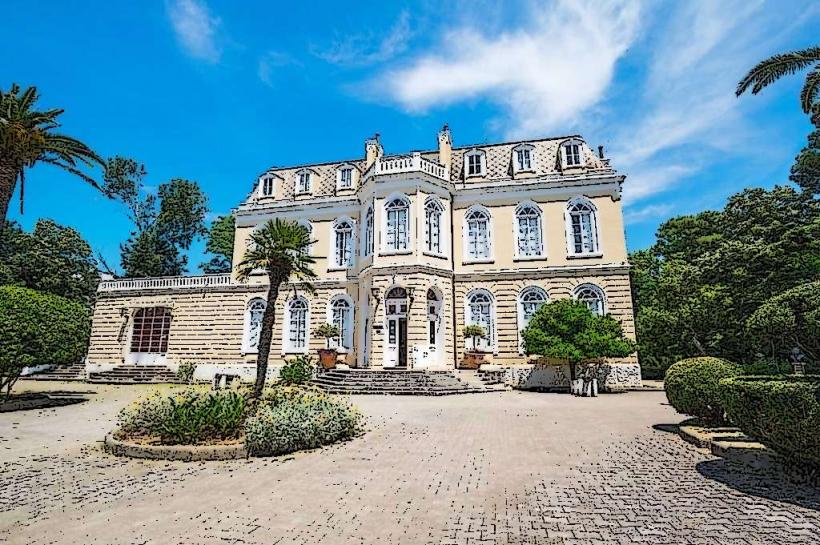
King Nikola's Palace: A specialized 19th-century royal summer residence on the waterfront; it now houses the Local History Museum and a botanical garden with exotic plant species.
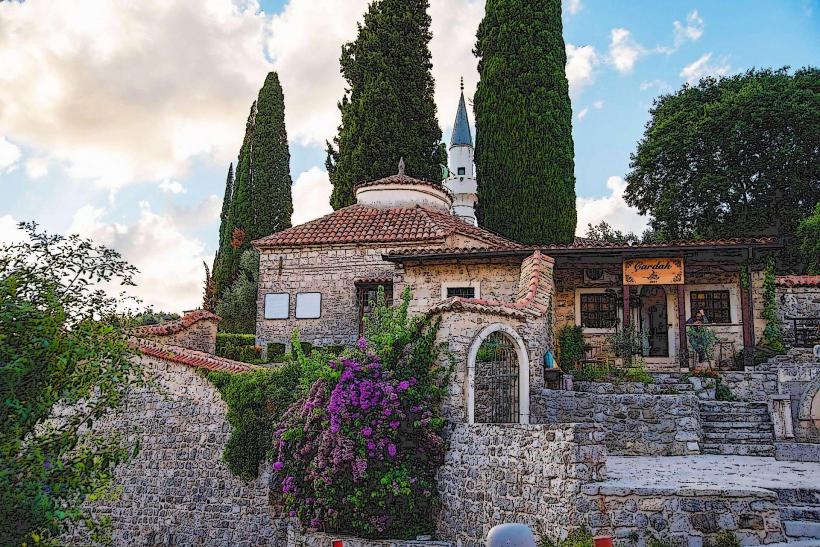
Omerbašića Mosque: A specialized 1662 Ottoman structure located at the entrance to Stari Bar, representing the city’s deep Islamic heritage.
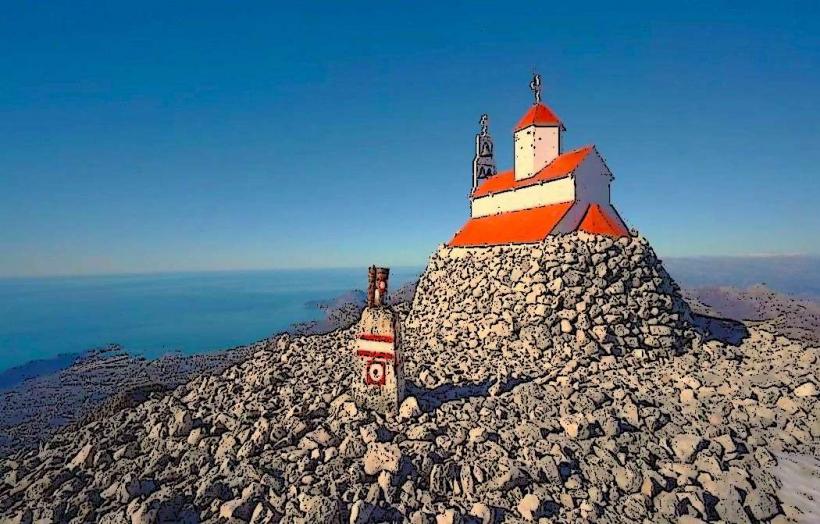
Mount Rumija: A specialized spiritual peak (1,594m) overlooking the city; it is the site of an ancient multi-faith procession where a 1,000-year-old cross is carried to the summit.
Transportation & Infrastructure
Bar is the most critical logistical node in Montenegro.
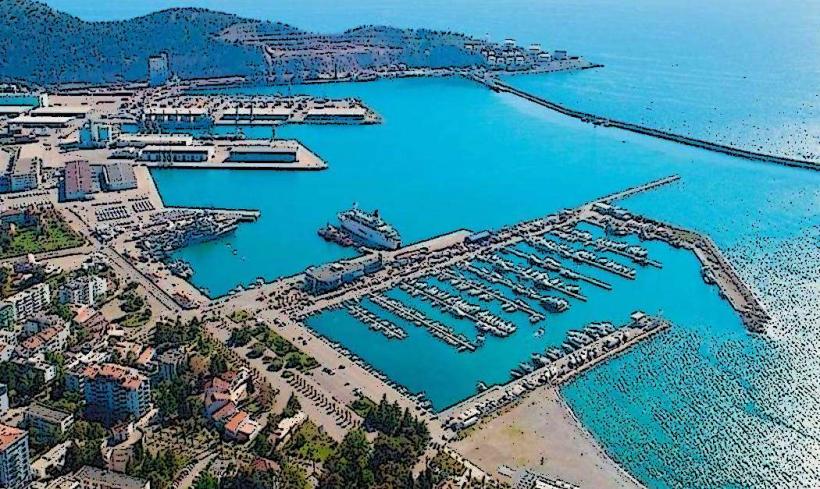
Port of Bar (Luka Bar): A specialized deep-water port serving as the primary entry point for oil, minerals, and international container freight.
Belgrade–Bar Railway: A specialized 476-km engineering feat; in 2026, the Bar–Golubovci section is undergoing a €175 million EU-funded modernization to increase speed and capacity.
Ferry Lines: A specialized maritime link connects Bar directly to Bari, Italy, across the Adriatic.
Safety & "Red Zones"
The general safety level is very high. Bar is statistically secure and integrated. There are no "red zones." Standard maritime port safety is required in industrial areas. Warning: The ruins of Stari Bar have uneven, slippery stones and steep drops; specialized footwear is recommended for exploration.
Digital & Financial Infrastructure
In 2026, the city operates as a Maritime Digital Logistics Hub. Internet speeds average 400–1000 Mbps. 5G is universal in the modern core. The city utilize a specialized digital platform for port management and the "Visit Bar" e-pass for local heritage sites.
Climate & Ecology
Bar has a Mediterranean climate with over 270 sunny days per year. It is the sunniest city in Montenegro. Air quality is generally high, though industrial emissions from the port are monitored in the south. The region is a specialized ecological zone for olive cultivation, with over 100,000 trees in the municipality.
Local Cost Index (2026 Estimates)
1 Espresso: €1.50 – €2.00
1 Portion of Bar Olive Oil/Cheese: €10.00 – €15.00
1 Standard Lunch: €12.00 – €22.00
Stari Bar Fortress Entry: €5.00
Nearby Day Trips
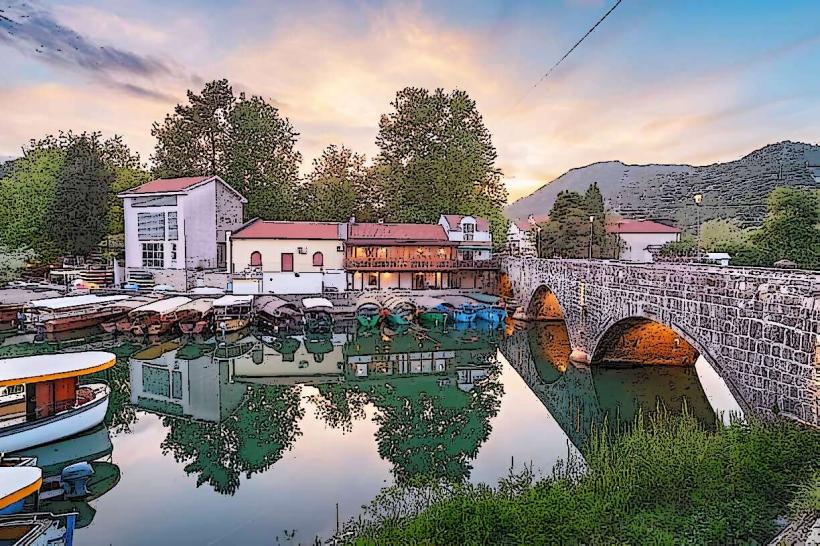
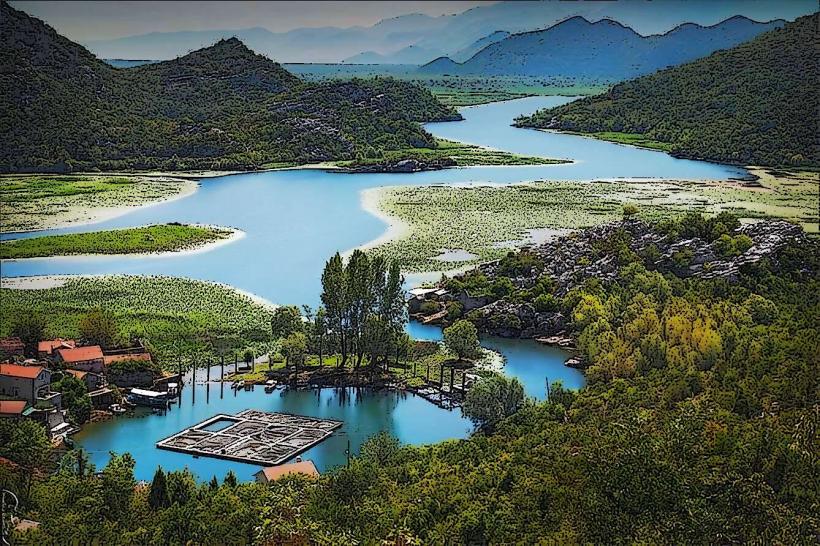
Lake Skadar (Virpazar): 20 mins away; a specialized national park and the largest lake in the Balkans, famous for its pelican population.
Ulcinj: 30 mins away; a specialized historic town with the 13-km "Velika Plaža" (Long Beach) and an ancient pirate history.
Dobre Vode: 15 mins away; a specialized coastal cove known for its crystal-clear turquoise waters and high-density summer resorts.
Facts & Legends
Bar is the site of the first radio connection in the Balkans, established by Guglielmo Marconi between Bar and Bari in 1904. Legend states that the Old Olive Tree was used as a site for "Mirovica"-where warring families would gather to make peace under its branches. A verified fact is that Bar is the only major Montenegrin coastal town whose original center is not on the sea but in the mountains. Historically, the city was known as Antivari, reflecting its position directly opposite the Italian city of Bari.