Information
Landmark: Old Bar FortressCity: Bar
Country: Montenegro
Continent: Europe
Old Bar Fortress, Bar, Montenegro, Europe
Old Bar Fortress, known locally as Stari Bar, is a fortified archaeological site located 4 kilometers inland from the modern coastal city of Bar. Situated on Londša Hill at the foot of Mount Rumija, it encompasses a 4.5-hectare enclosure that served as the regional administrative and economic center for over two millennia.
Visual Characteristics
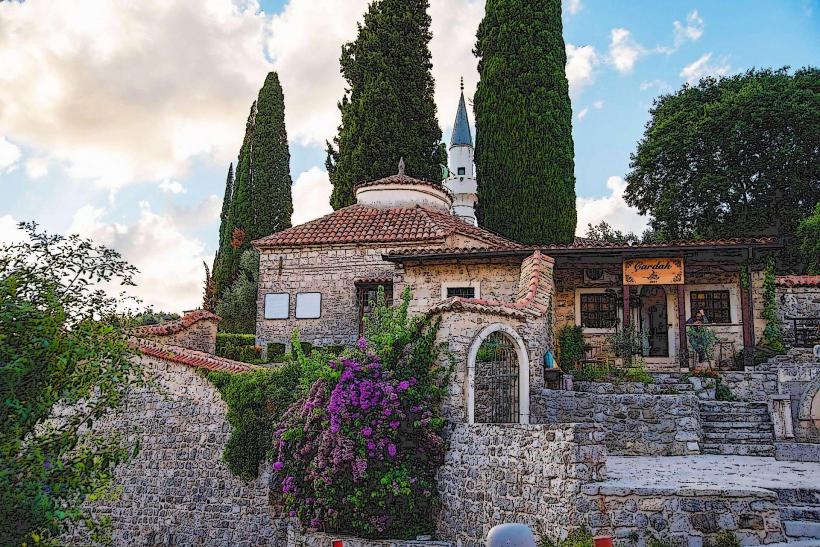
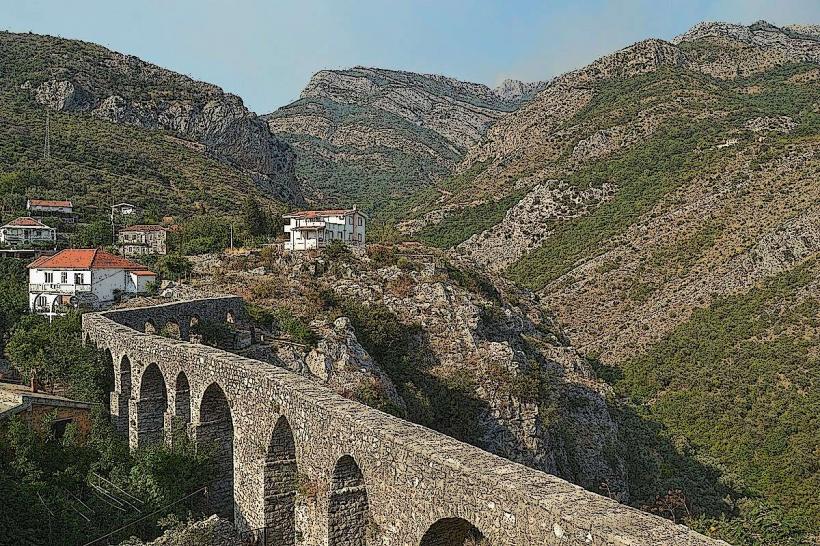
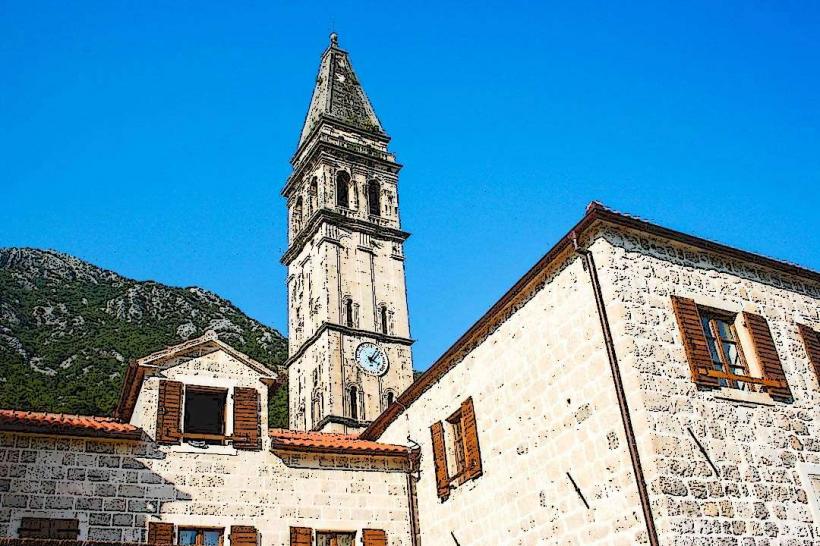
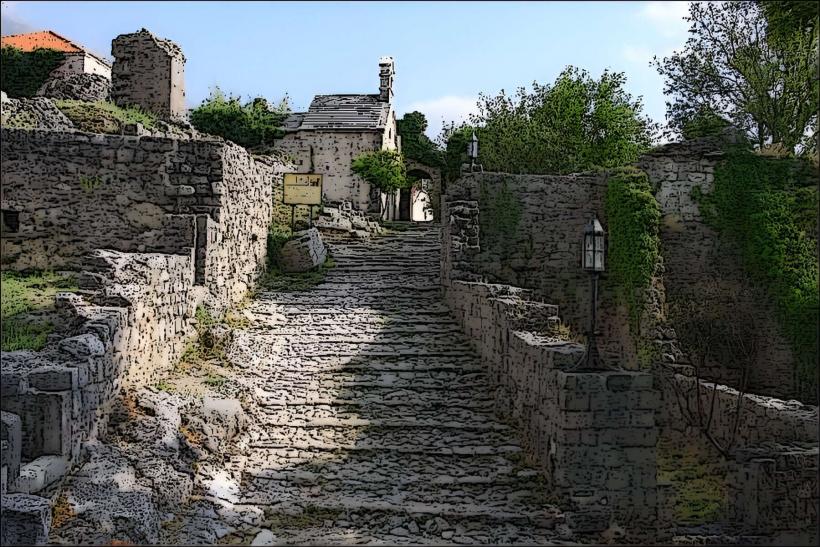
The fortress consists of high stone ramparts constructed from rough-cut limestone, enclosing a complex of ruins that include Venetian palaces, Ottoman bathhouses, and medieval churches. Notable features include a prominent 19th-century clock tower built from grey stone and a massive stone aqueduct comprising 17 arches. The architectural style is a hybrid of Romanesque, Gothic, Renaissance, and Islamic influences, reflecting successive periods of occupation.
Location & Access Logistics
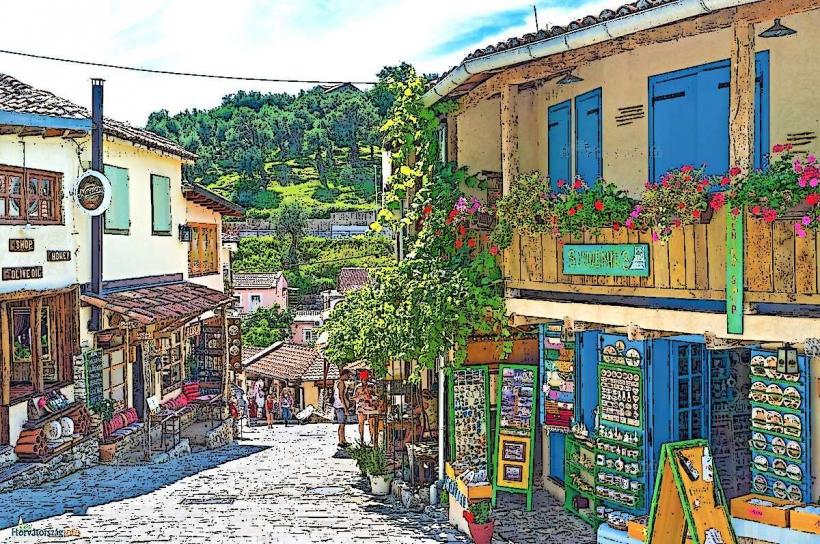
Access is via the paved road leading from modern Bar toward the settlement of Stari Bar. Public bus services run hourly from the Bar city center to the base of the fortress hill. Dedicated parking lots are located at the entrance to the old bazaar, approximately 200 meters from the main gate. The final approach requires a steep pedestrian ascent through a cobblestone street.
Historical & Ecological Origin
The site’s foundations date back to the Illyrian period, with significant development occurring under the Byzantine Empire in the 6th century. It was subsequently governed by the Serbian Nemanjić dynasty, the Republic of Venice, and the Ottoman Empire. The fortress was largely abandoned following a catastrophic gunpowder explosion in 1878 and a major earthquake in 1979.
Key Highlights & Activities
Visitors can walk the perimeter walls for views of the surrounding olive groves and Mount Rumija. Key sites within the walls include the Church of St. Jovan, the foundations of the Cathedral of St. George, and the Ottoman hammam. A small archaeological museum is housed in the restored customs house near the entrance.
Infrastructure & Amenities
The fortress grounds feature a ticket office, informative plaques in English and Montenegrin, and a museum shop. Public restrooms are located near the main entrance gate. The surrounding bazaar area outside the walls contains numerous restaurants, cafes, and souvenir vendors. 4G and 5G cellular signals are stable across the site.
Best Time to Visit
Optimal light for photography occurs in the late afternoon when the sun illuminates the stone ruins against the backdrop of the mountains. The months of May, June, and September offer the most comfortable temperatures for exploring the exposed site. During July and August, early morning visits (before 10:00 AM) are recommended to avoid midday heat.
Facts & Legends
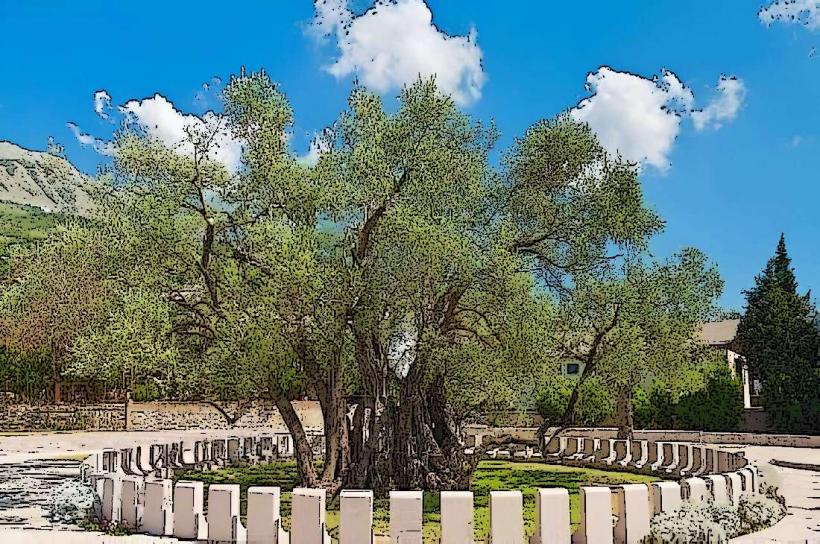
The fortress is surrounded by a forest of over 100,000 olive trees, including the "Old Olive Tree" (Stara Maslina), which is verified to be over 2,000 years old. Local historical accounts suggest that the 17th-century aqueduct was so well-engineered that it continued to provide the city’s primary water supply until the earthquake of 1979.
Nearby Landmarks
Stara Maslina (Old Olive Tree) – 1.5km South
Ottoman Aqueduct – 0.1km North
St. Veneranda Church – 0.2km West
Omerbašića Mosque – 0.3km Southwest
Mount Rumija Summit – 4.2km East