Information
Landmark: Roberts Municipal StadiumCity: Evansville
Country: USA Indiana
Continent: North America
Roberts Municipal Stadium, Evansville, USA Indiana, North America
Roberts Stadium, officially known as Roberts Municipal Stadium, was a major multi-purpose indoor arena located in Evansville, Indiana, at 2600 East Division Street. It served as a central hub for sports, entertainment, and community events in Evansville for more than five decades, becoming an iconic landmark that deeply influenced the city’s cultural and athletic life from its opening in 1956 until its closure in 2011 and subsequent demolition in 2013.
Historical Background and Construction
Roberts Stadium was constructed in response to Evansville’s growing demand for a modern, large-capacity indoor venue capable of hosting basketball games, concerts, conventions, and other public events. The arena was named in honor of Mayor Henry F. Roberts, who was instrumental in securing funding and championing the project. The facility was built with a seating capacity of approximately 12,500 for basketball games and could accommodate even larger crowds for concerts and other events.
The stadium’s design reflected mid-20th century architectural trends for sports venues-functional, robust, and expansive, with a large bowl-shaped seating arrangement that provided excellent sightlines for spectators. Over time, the stadium became a symbol of civic pride and community spirit in Evansville.
Sports Legacy
University of Evansville Purple Aces
Roberts Stadium was famously the home court of the University of Evansville Purple Aces men’s and women’s basketball teams for 55 years, from 1956 to 2011. The Purple Aces developed a passionate local following, and the stadium was known for its energetic and intimate atmosphere. During this period, the stadium witnessed numerous thrilling games, including important conference matchups, NCAA tournament appearances, and victories against nationally ranked opponents. It was a focal point for college basketball in Indiana outside the major metropolitan areas.
NCAA Tournaments
Roberts Stadium held significant prestige in the college basketball world by hosting the NCAA College Division Men's Basketball National Championship (now Division II) from 1957 to 1976. This long-standing role brought national attention to Evansville and underscored the stadium’s importance in collegiate athletics. Later, in 2002, it hosted the Elite Eight of the NCAA Division II Men’s Basketball Tournament, further cementing its reputation as a premier basketball venue.
Professional and Semi-Professional Teams
Beyond college basketball, Roberts Stadium was home to several professional and semi-professional teams over the years. This includes the Evansville Thunder of the Continental Basketball Association (CBA), which played from 1984 to 1986, and the Evansville BlueCats, an indoor football team competing in the National Indoor Football League between 2003 and 2007. These teams used the stadium as their home field, adding to its diverse sports heritage.
Entertainment and Cultural Events
Roberts Stadium was not solely a sports venue; it was also a major cultural center that hosted concerts, shows, and community events. The arena attracted high-profile artists and entertainers spanning multiple decades and genres.
Elvis Presley, the legendary King of Rock ’n’ Roll, performed at Roberts Stadium twice. His 1972 concert was followed by a record-setting performance in 1976 that drew approximately 13,500 attendees, making it one of the largest events ever held at the venue.
Other renowned artists who graced the stage include Garth Brooks, Taylor Swift, Jimi Hendrix, Led Zeppelin, Alice Cooper, Bon Jovi, Bob Dylan, and the band Tool. These concerts helped position Evansville as a notable stop on national touring circuits and provided local audiences with access to world-class entertainment.
Besides concerts, the stadium hosted professional wrestling, conventions, trade shows, circuses, and political rallies, making it a versatile facility integral to the city’s social life.
Decline and Closure
By the early 2000s, Roberts Stadium began to show signs of aging and obsolescence. The venue lacked modern amenities and infrastructure found in newer arenas, such as luxury suites, advanced lighting and sound systems, and sufficient parking. As Evansville sought to revitalize its downtown and attract larger events, plans emerged to replace Roberts Stadium with a state-of-the-art facility.
The construction of the Ford Center in downtown Evansville, which opened in 2011, effectively rendered Roberts Stadium obsolete. Upon the Ford Center’s opening, Roberts Stadium closed its doors after 55 years of service.
Demolition and Legacy
Roberts Stadium was demolished in early 2013 following legal disputes and community discussions about its future. The demolition marked the end of an era but was seen as a necessary step to repurpose the land and focus on new urban development.
Significant efforts were made to preserve the legacy of Roberts Stadium. Many materials from the stadium were salvaged and repurposed:
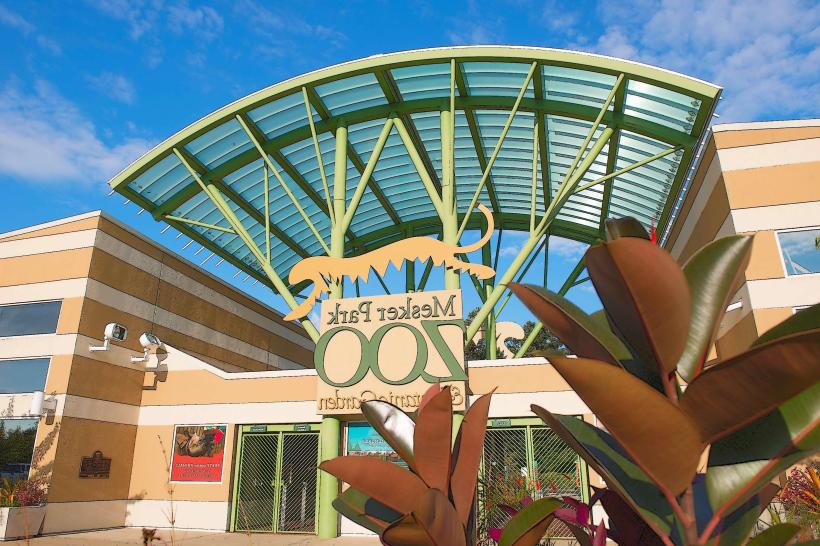
Seats and bricks from the stadium were reused in various community projects, including seating at the Mesker Amphitheatre and memorabilia collections.
The University of Evansville used portions of the stadium’s materials in fundraising campaigns and campus improvements.
After demolition, the site was transformed into green space, providing a community park and memorial area to honor the stadium’s historical significance.
Community Impact and Cultural Importance
Roberts Stadium remains a cherished part of Evansville’s collective memory. It served as a cultural and athletic landmark that brought the community together for over five decades, fostering local pride through sports, music, and shared experiences.
Many longtime residents recall the excitement of Purple Aces basketball games and legendary concerts, emphasizing how the stadium shaped the city’s identity. Though physically gone, Roberts Stadium’s spirit endures through stories, photographs, memorabilia, and the ongoing success of sports and entertainment in Evansville at newer venues.
Summary
Roberts Municipal Stadium was more than just an arena-it was a centerpiece of Evansville’s mid-20th century and early 21st century cultural and sports life. From hosting nationally significant NCAA tournaments and being the home of the beloved Purple Aces basketball teams, to welcoming legendary music acts such as Elvis Presley, Roberts Stadium played a vital role in defining the city’s public life. Its demolition marked the close of a historic chapter, but its legacy as a venue of unforgettable moments continues to resonate deeply within the Evansville community.