Information
Landmark: Salt Pans of TamarinCity: Tamarin
Country: Mauritius
Continent: Africa
Salt Pans of Tamarin, Tamarin, Mauritius, Africa
Historical Origin Salt production in Tamarin dates to the French colonial period in the 18th century. Salt was a critical commodity for preserving food during long maritime voyages between Europe and Asia. While many pans in the Black River district have been decommissioned for luxury housing and golf developments, the Yemen Salt Pans at the entrance of Tamarin remain the only active site.
Physical Characteristics
Materials: Constructed from dark volcanic basalt rock, which optimizes solar heat absorption.
Architecture: A 30-hectare checkerboard of shallow, square cobblestone basins.
Landscape: Characterized by stark contrasts between white salt crystals, black stone basins, and the backdrop of the Black River mountain range.
Process and Activities
Harvesting: Seawater is pumped into large feeding pools to concentrate, then moved to smaller crystallizers. Wind and sun evaporate the water, leaving salt residue.
Products: Production focuses on coarse salt (Gros Sel) and the high-value Fleur de Sel, which is skimmed manually from the surface.
Tours: Guided tours (approximately 1.5 hours) are available at the Yemen Salt Pans. A dedicated salt shop on the coastal road sells local salts, herb-mixed variants, and souvenirs.
Visitor Logistics
Timing: The peak harvest season occurs during the dry months from September to December. There is minimal activity during the rainy season (January to April).
Access: Located on the main coastal road in Tamarin. Public buses connect the area to Quatre Bornes and Port Louis.
Photography: Sunrise and sunset offer optimal lighting for the white salt mounds and basalt grids.
Nearby Landmarks
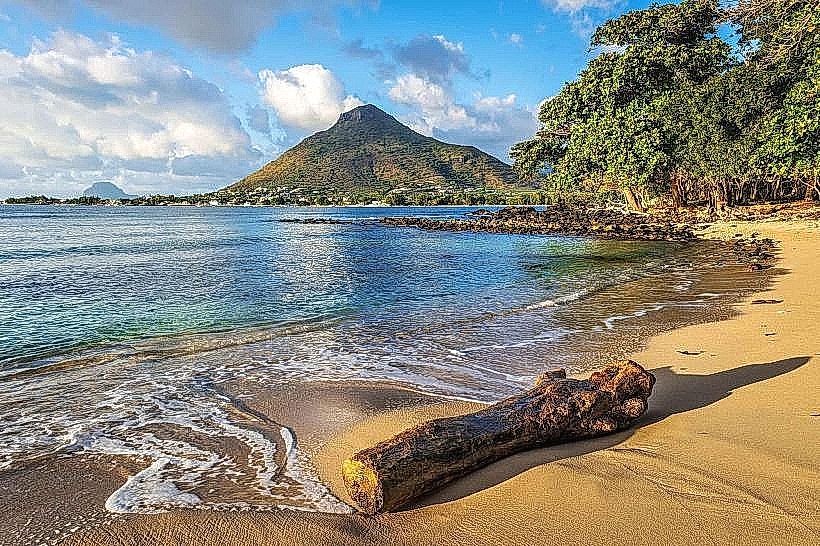
Tamarin Bay: World-renowned surfing spot known for its consistent waves.
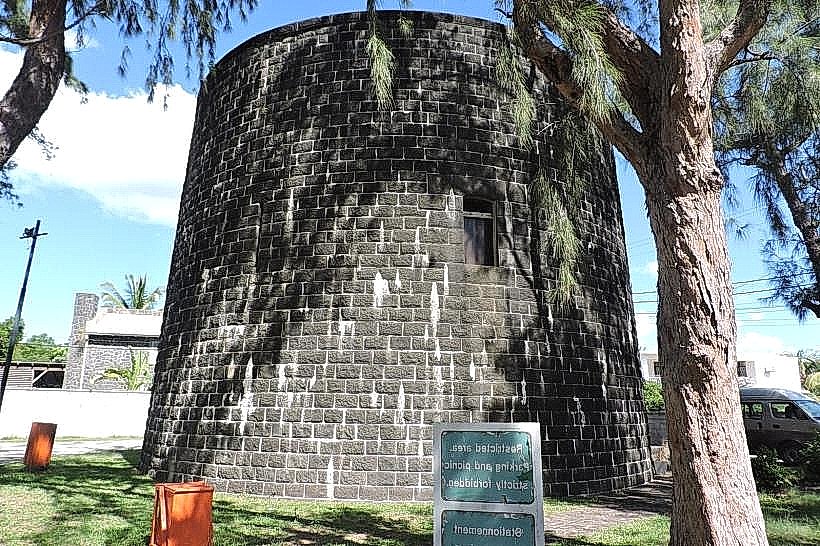
Martello Tower Museum: A 19th-century English fortification located at La Preneuse beach.
Casela Nature Parks: Wildlife and adventure park featuring lion encounters and safari tours.