Information
Landmark: San Zaccaria ChurchCity: Venice
Country: Italy
Continent: Europe
San Zaccaria Church, Venice, Italy, Europe
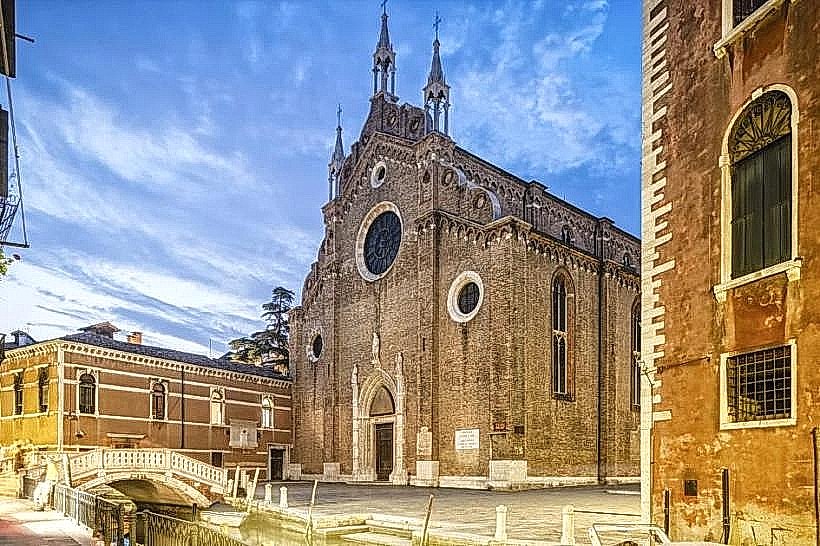
Situated along the Riva dei Schiavoni in Venice’s Castello district, San Zaccaria is a stunning example of Venetian Gothic and Renaissance architecture, renowned for its harmonious design, luminous interior, and exceptional art collection. Dedicated to Saint Zechariah, father of John the Baptist, the church has long been an important religious and cultural center in Venice.
Historical Background
San Zaccaria was founded in 9th century as a Benedictine monastery church, originally housing relics believed to belong to Saint Zechariah. The current structure was largely rebuilt between 1458 and 1515, combining Gothic verticality with Renaissance symmetry and proportion. The church was historically linked to Venice’s nobility and religious institutions, serving both monastic and civic purposes.
Architectural Features
The church presents a blend of Gothic and Renaissance styles, which is particularly evident in the façade and interior:
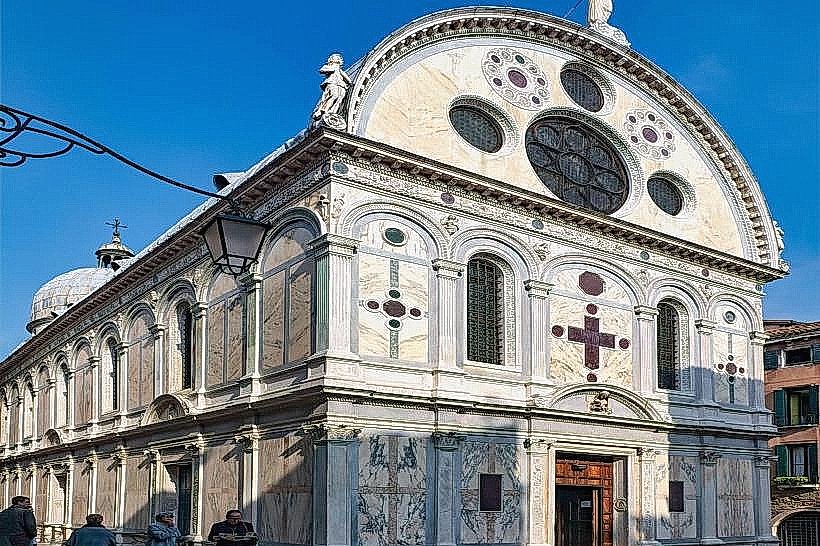
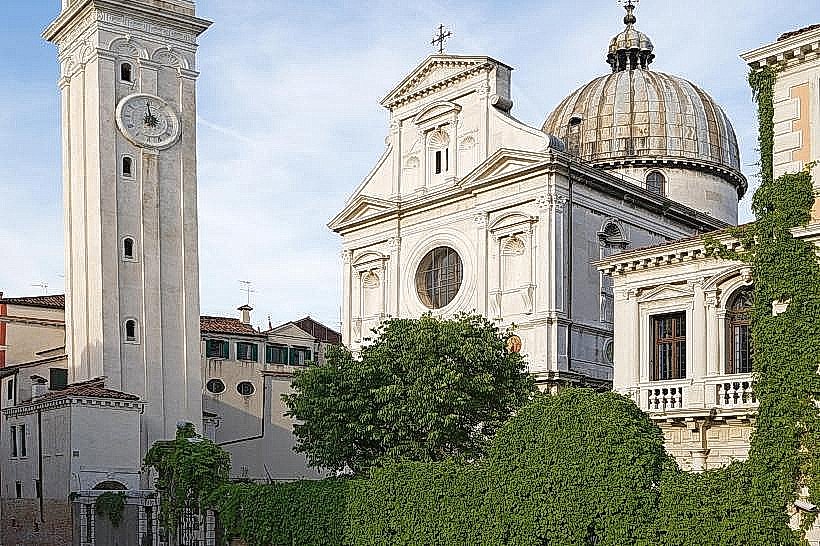
Façade: The façade combines Gothic pointed arches with Renaissance pilasters and triangular pediments. Polychrome marble highlights the geometric ornamentation, creating a refined, elegant exterior along the waterfront.
Interior Layout: Inside, the church follows a Latin cross plan with a high nave, side aisles, and a deep choir. Light enters through large windows, accentuating the white and pale stone, giving the interior a luminous and airy quality.
Vaults and Columns: Columns are paired with Corinthian capitals, and the vaulted ceiling, though modest, allows space for artistic decoration without overwhelming the architecture.
Artistic Highlights
San Zaccaria is renowned for its rich collection of artworks by some of Venice’s most celebrated Renaissance painters:
Giovanni Bellini: The high altar hosts Bellini’s masterpiece, the “San Zaccaria Altarpiece” (1505), a serene depiction of the Madonna and Child flanked by saints. Its soft lighting, delicate figures, and harmonious composition exemplify Venetian Renaissance painting.
Tintoretto: Several side chapels and the choir feature works by Tintoretto, including dramatic biblical scenes and expressive figures, showcasing his dynamic style.
Other Artists: Works by Palma il Vecchio, Antonio Vivarini, and others add to the rich artistic layering, including sculptures, reliefs, and gilded decorations.
Choir and Relics
The choir area contains the relics of Saint Zechariah in a silver urn, drawing pilgrims and visitors alike. The combination of devotional focus and monumental art creates an immersive spiritual experience, blending architecture and sacred narrative.
Atmosphere and Visitor Experience
San Zaccaria is distinguished by its tranquil and luminous interior. The filtered light through tall Gothic-Renaissance windows highlights the soft colors of Bellini’s paintings and gilded accents, creating a contemplative space. Unlike more crowded Venetian churches, the atmosphere is quiet, encouraging visitors to linger and appreciate the harmony of architecture and art.
Cultural Significance
The church reflects Venice’s ability to integrate faith, civic identity, and artistic patronage. Nobles and religious institutions commissioned artworks here to demonstrate piety, prestige, and cultural sophistication. The church remains an important testament to the city’s Renaissance achievements in painting, architecture, and sacred art.
Legacy
San Zaccaria Church stands as a masterpiece of Venetian artistic synthesis, where Gothic structure, Renaissance proportion, and extraordinary painting converge. Its serene atmosphere, luminous interior, and rich art collection make it a highlight for understanding Venice’s spiritual and cultural heritage.