Information
Landmark: Santiago de OruroCity: Oruro
Country: Bolivia
Continent: South America
Santiago de Oruro, Oruro, Bolivia, South America
Overview
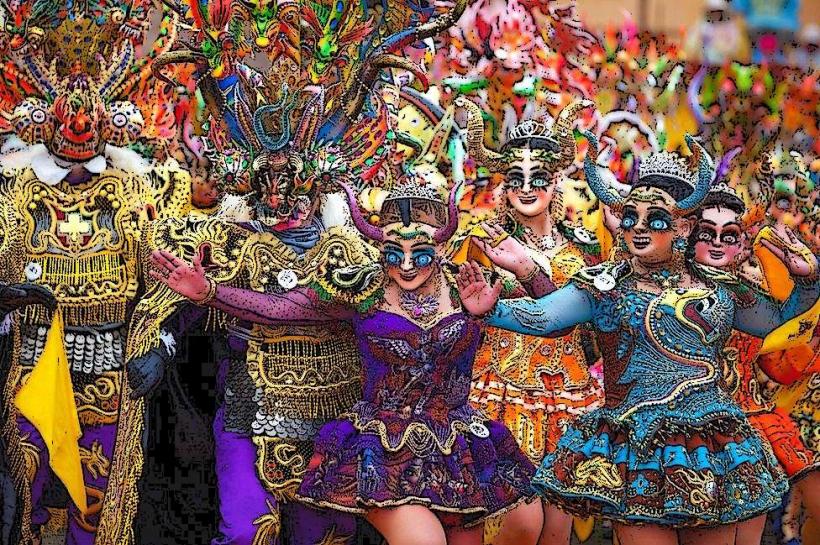
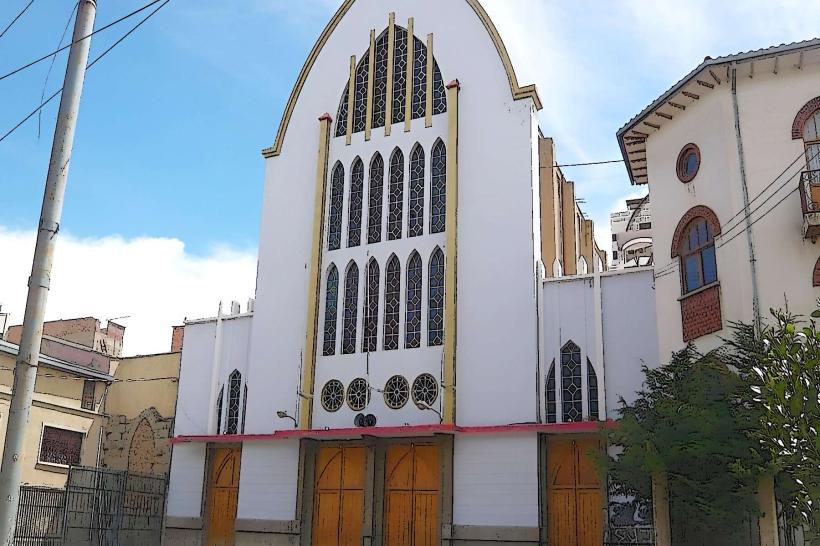
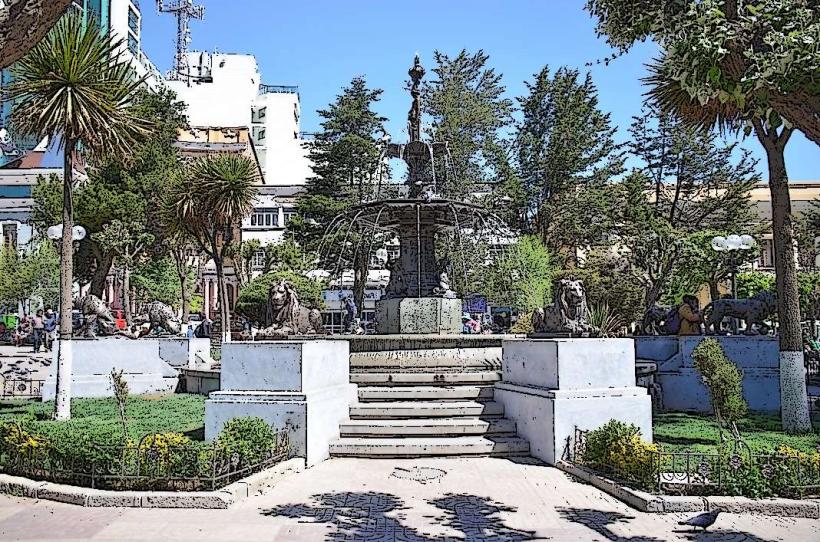
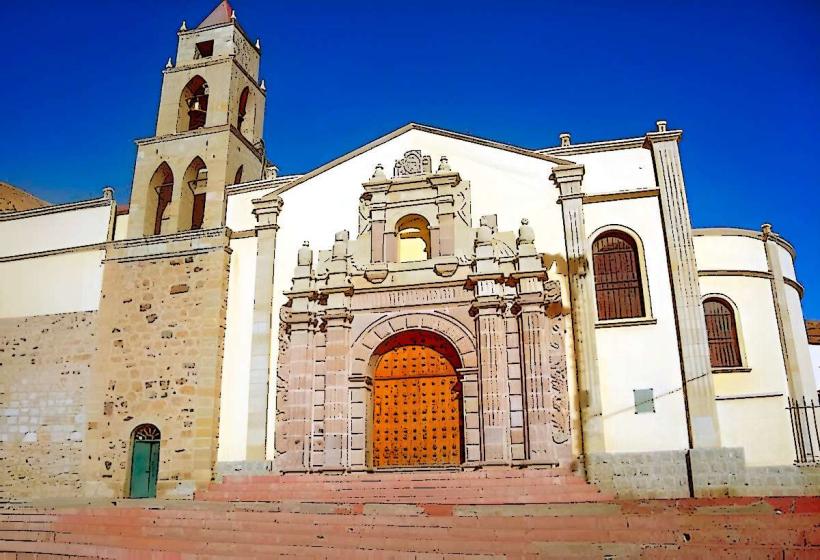
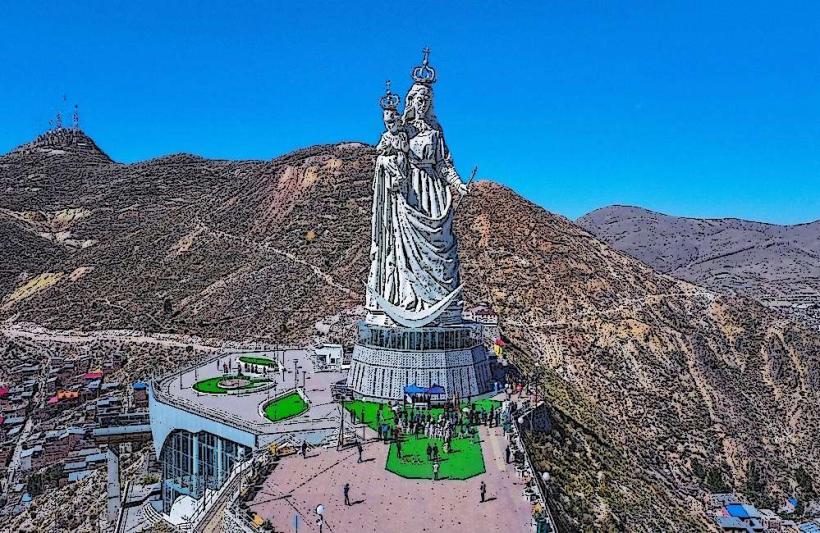
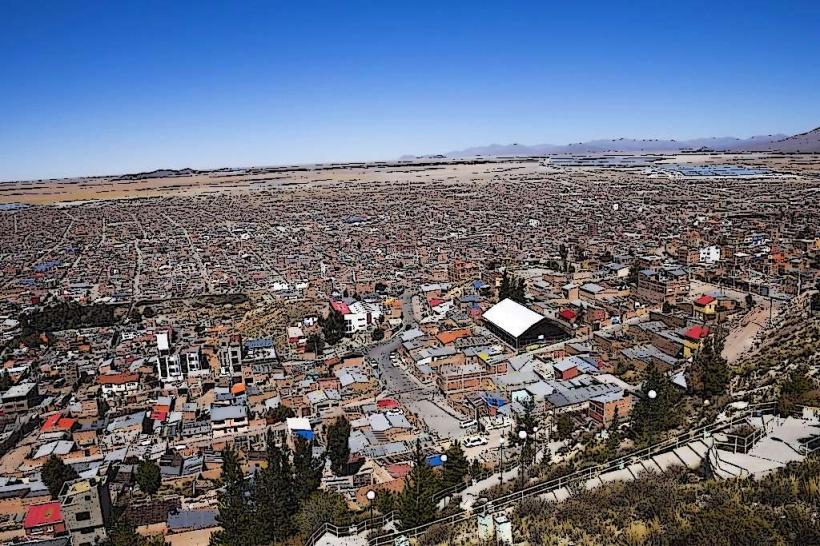
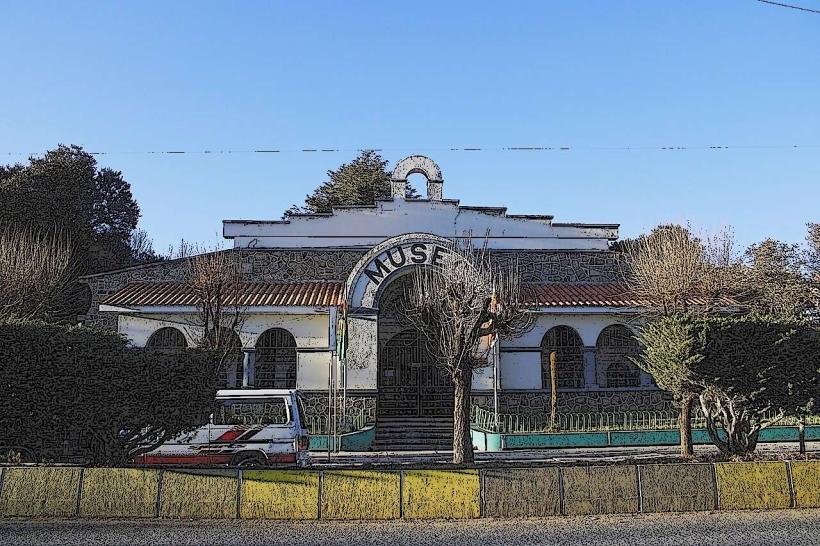
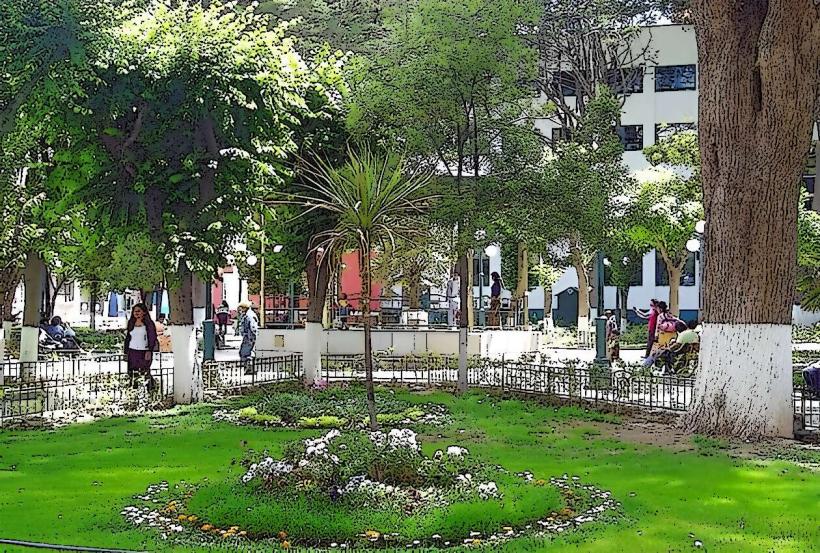
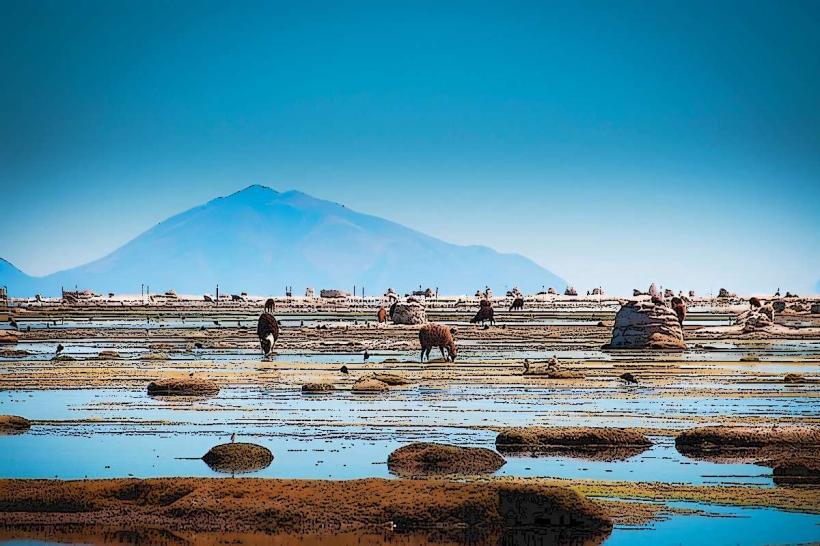
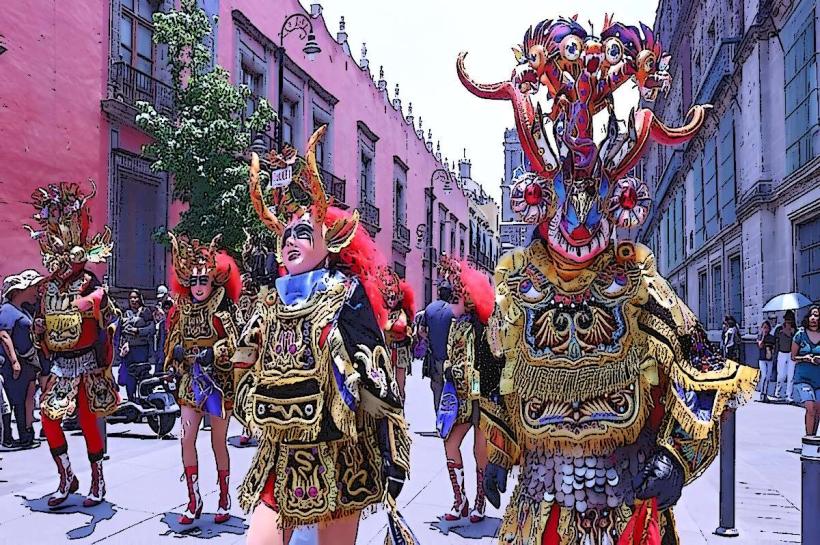
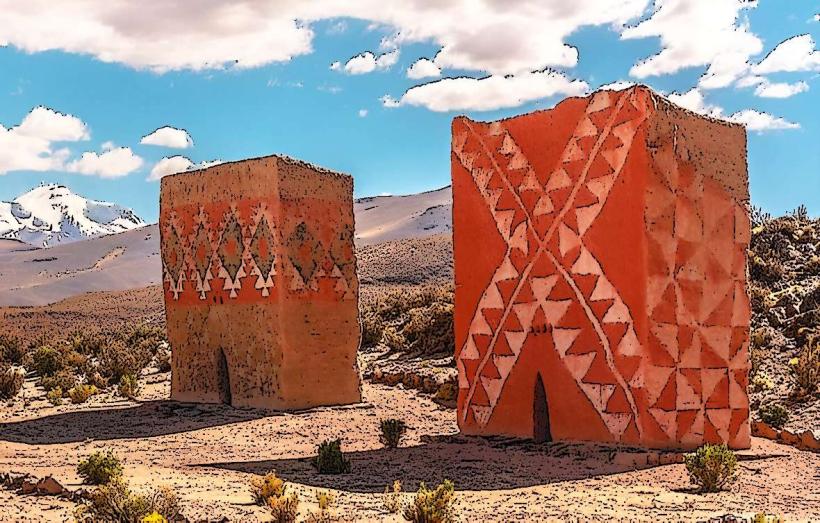
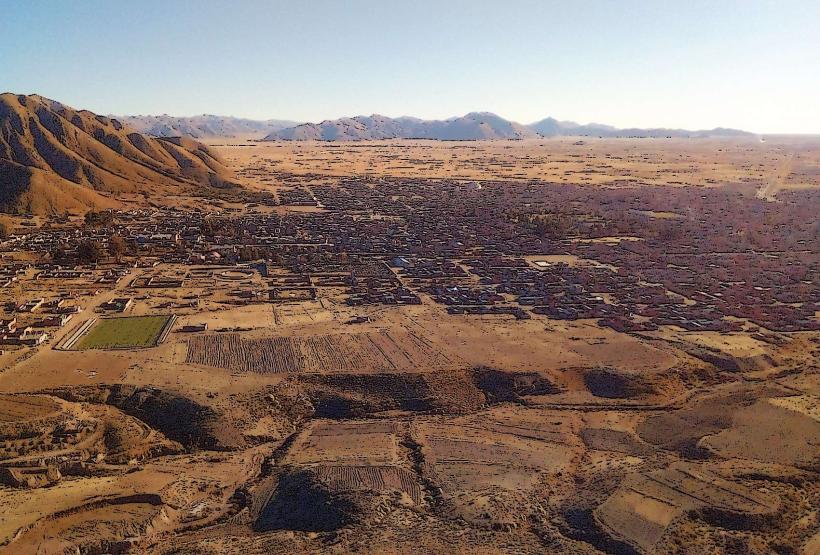
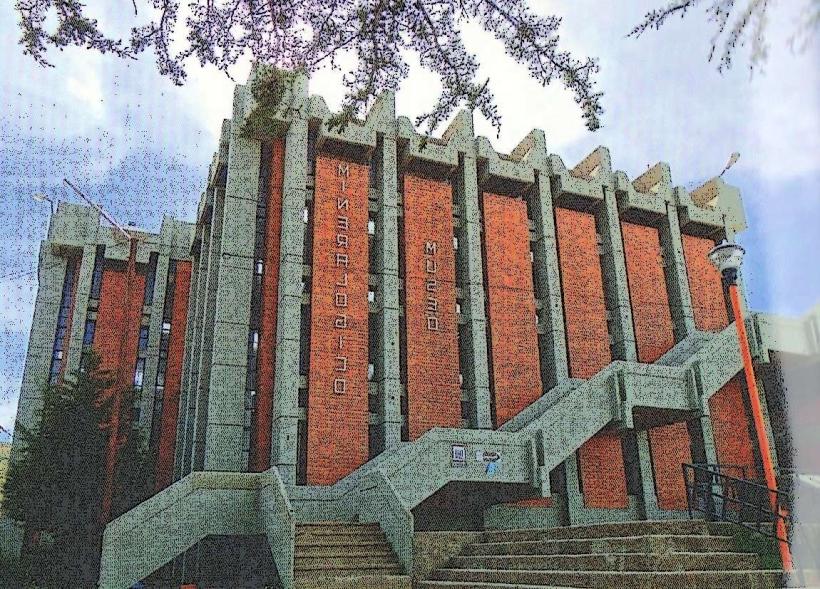
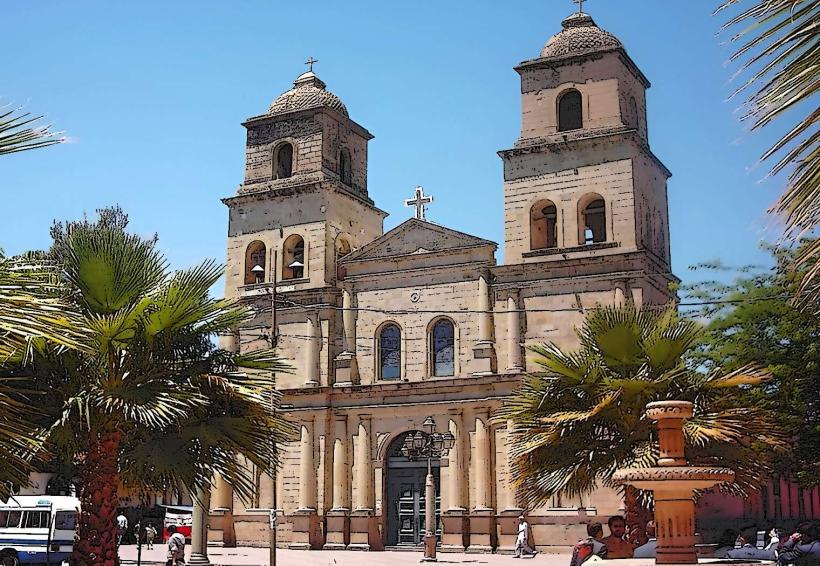
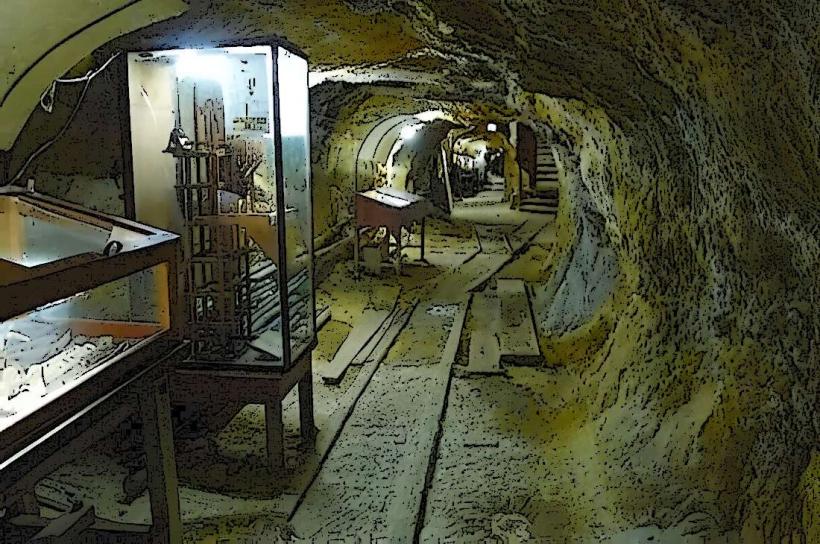
Santiago de Oruro serves as the capital of the Oruro Department and stands among Bolivia’s most vital cities, its streets alive with market stalls and the scent of fresh bread, moreover high in the Andes, Oruro brims with cultural history, deep religious roots, and a mining legacy that still echoes in the clang of metal on stone.Santiago de Oruro stands at the heart of Bolivia’s history and culture, playing a central role in the nation’s biggest celebrations-especially the vibrant Carnaval de Oruro, where trumpets blare and dancers swirl in a UNESCO-recognized spectacle, simultaneously santiago de Oruro, founded on November 1, 1606, carries a rich colonial past-you can almost hear the echo of church bells from that era in its streets, somewhat Founded as a mining town, it first thrived on silver-glittering ore that fueled Bolivia’s economy throughout the Spanish colonial era, along with over the centuries, the town kept expanding, its dusty market square turning into the busy heart of a thriving regional hub.Today, Oruro is celebrated not just for its rich mining past, but for the vibrant blend of Catholic faith and indigenous traditions that shape its cultural soul, from candlelit processions to the beat of festival drums, besides mining runs deep in Oruro’s story, shaped by years of pulling tin, silver, and other minerals from the dim veins beneath its hills.The Oruro mining district ranks among Bolivia’s oldest and most vital, and for generations the town thrived on the silver and tin pulled from its rugged hills, along with for centuries, the Cerro Rico and nearby peaks have yielded rich veins of ore, and mining still drives much of Oruro’s economy, even as the town has branched into other trades, from textiles to tiny metal workshops.The Carnaval de Oruro is Oruro’s most celebrated cultural event-and one of Bolivia’s largest festivals-filling the streets with drums, radiant masks, and a swirl of dancers, likewise this festival grows from deep Catholic and Andean roots, weaving together the beat of native drums and the solemn grace of religious rites into something entirely its own.At the Carnaval de Oruro, you’ll glimpse devotional dances like the Diablada, where masked performers in glittering costumes move to pounding drums, all flowing into a swirl of music and parades, not only that every year, the festival draws thousands of visitors, filling the streets with music and color.It’s hailed as one of Latin America’s most dazzling and significant cultural events, as a result in 2001, UNESCO honored the Carnaval de Oruro for its cultural importance, naming it a Cultural Heritage of Humanity, with its streets bursting in a swirl of drums, dancers, and radiant feathers.Santiago de Oruro has long stood at the heart of Catholic life in Bolivia, where bells still ring over the plaza each Sunday morning, equally important the city boasts several significant churches, and the Catedral de Oruro-its stone façade gleaming in the sun-stands out as the most renowned.The cathedral, its stone arches echoing with centuries of prayer, stands at the heart of the community’s faith, drawing crowds for major Catholic holidays and the lively Carnaval, as well as the city’s also famous for the Virgen del Socavón, patron saint of miners, whose image glitters at the heart of the Carnaval de Oruro.At the heart of the festival’s religious spirit is a deep devotion to the Virgin, shown in prayers and offerings of thanks for her protection-especially for the miners who still descend each day into the shadowy, dust-choked tunnels of the local mines, to boot cultural and Artistic Heritage: Beyond the lively Carnaval de Oruro, Santiago de Oruro offers a rich mix of cultural spots, from quiet museums filled with intricate masks to shining art galleries and bustling theaters.These institutions safeguard the region’s artistic heritage, from centuries-aged religious icons and intricate indigenous carvings to vibrant, modern works by Bolivian artists, consequently the city comes alive with cultural diversity, weaving luminous Aymara festivals and echoes of Spanish colonial design into a distinctly Bolivian identity.As it turns out, You can hear this rich heritage in the lively beat of its music, notice it in the swirl of its dances, and feel it in the careful weave of its traditional crafts, moreover geography and Climate: Santiago de Oruro sits high in Bolivia’s Altiplano, about 3,700 meters (12,139 feet) above sea level, where the air feels thin and the horizon stretches wide, moderately Perched high above sea level, the area has a semi‑arid climate with cool days and often biting chilly after sunset, also the city sits cradled by the Andean mountains, where jagged peaks rise against the sky and the view can steal your breath.The region doesn’t get much rain, but its steep, shadowy mountains carve out a rugged beauty and shape the city’s one‑of‑a‑kind landscape, therefore today, Santiago de Oruro has grown into a bustling city, alive with markets and music, serving as the economic, political, and cultural heart of the Oruro Department.The city’s been growing, adding innovative roads, public buildings, and businesses, and you can hear the steady hum of construction, as well as these changes have sparked fresh life in commerce and drawn more visitors for tourism.Even with all its modern touches, Oruro holds tight to its deep historical and cultural roots, and you can still hear the beat of traditional drums shaping everyday life, furthermore tourists flock to Santiago de Oruro for its vibrant culture, deep mining roots, and rich history, from the clang of historic copper tools to the colorful streets that tell its story.As it happens, Many tourists come to the city for the lively Carnaval, wander through the grand Catedral de Oruro, and step into museums filled with artifacts, dazzling costumes, and stories of its history, culture, and art, besides the city also opens the door to nearby natural wonders, from the blinding white expanse of the Salar de Uyuni to sweeping Andean vistas that lure hikers and thrill-seekers alike.Not surprisingly, Santiago de Oruro blends deep history, heartfelt faith, and vibrant festivals where drums echo through the streets, subsequently the city’s soul beats in the Carnaval de Oruro’s drums, and its past as a mining town still runs deep, shaping both the location and the people who live there.In Santiago de Oruro, you can wander past weathered colonial facades, dance through the swirl of Carnaval confetti, or delve into stories of its mining past, all woven into Bolivia’s vivid cultural tapestry.
Author: Tourist Landmarks
Date: 2025-09-18