Information
Landmark: Scuola della CaritàCity: Venice
Country: Italy
Continent: Europe
Scuola della Carità, Venice, Italy, Europe
Located along the Grand Canal in Venice’s Dorsoduro district, the Scuola della Carità is one of the city’s most historically significant confraternity buildings, serving as both a center of social welfare and a repository of art. It is particularly notable as the home of the Gallerie dell’Accademia, one of Venice’s premier art museums, connecting Venice’s religious, civic, and artistic traditions.
Historical Background
The Scuola della Carità was founded in 1260 as a confraternity (scuola) devoted to acts of charity, social assistance, and religious devotion. Venetian scuole played a vital role in the civic life of the Republic, providing social services, organizing religious festivities, and supporting the poor.
This particular scuola was originally Gothic in style, but underwent significant reconstruction in the 15th century under architect Jacopo Sansovino, incorporating Renaissance elements while retaining some Gothic features. Over the centuries, the building transitioned from a religious confraternity space to a cultural and educational institution, culminating in its role as part of the Gallerie dell’Accademia in the 19th century.
Architectural Features
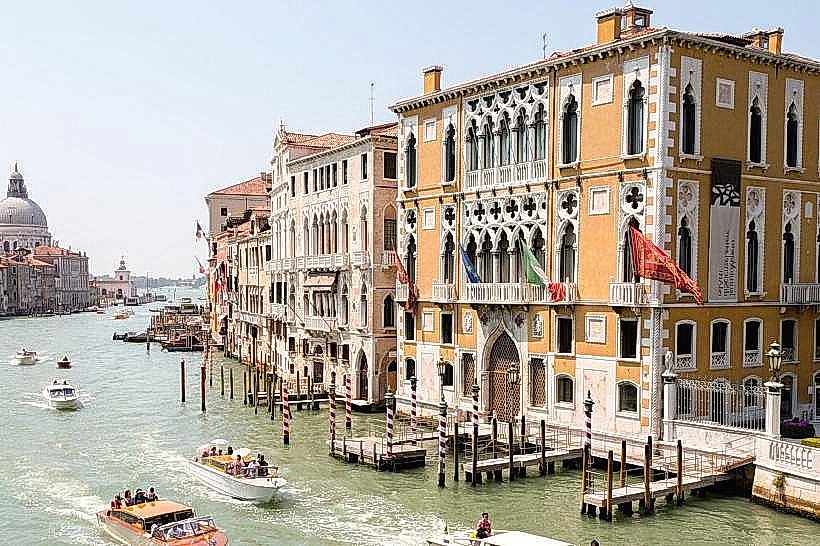
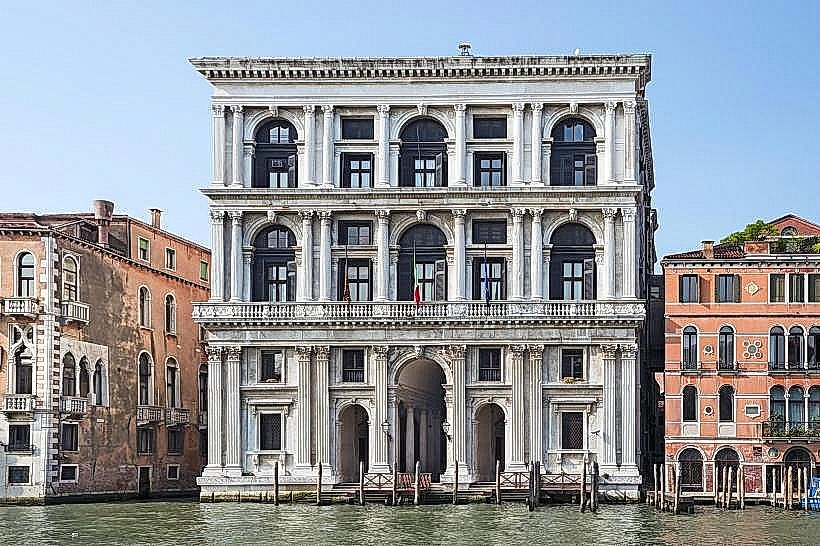
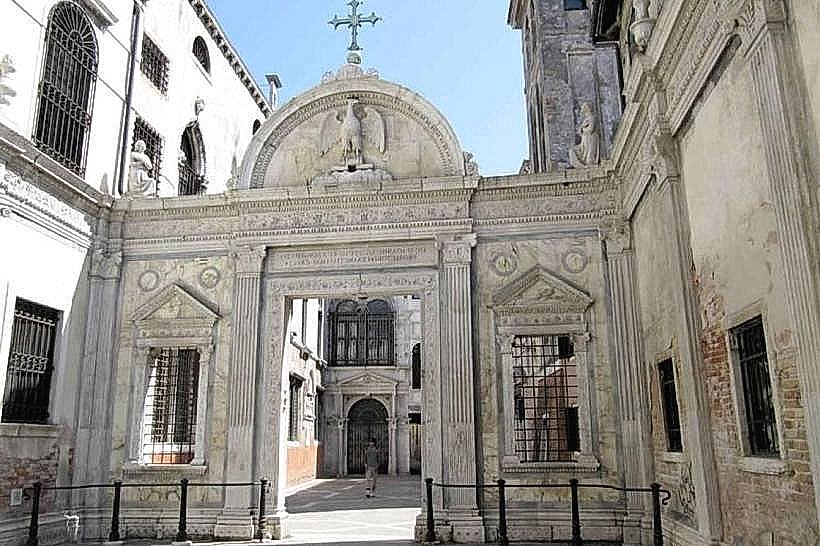
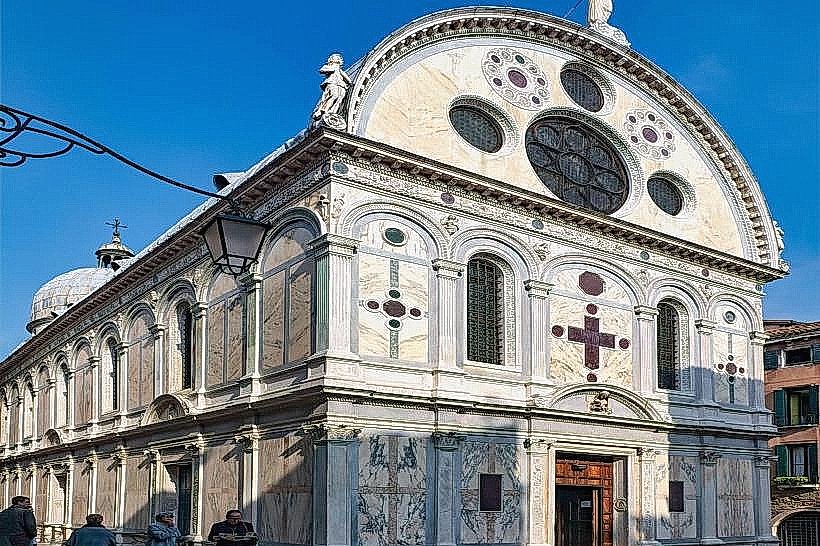
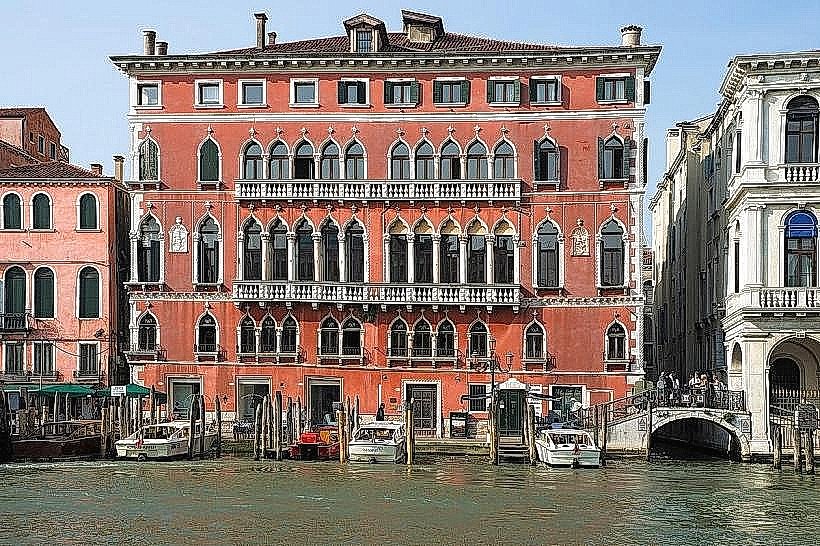
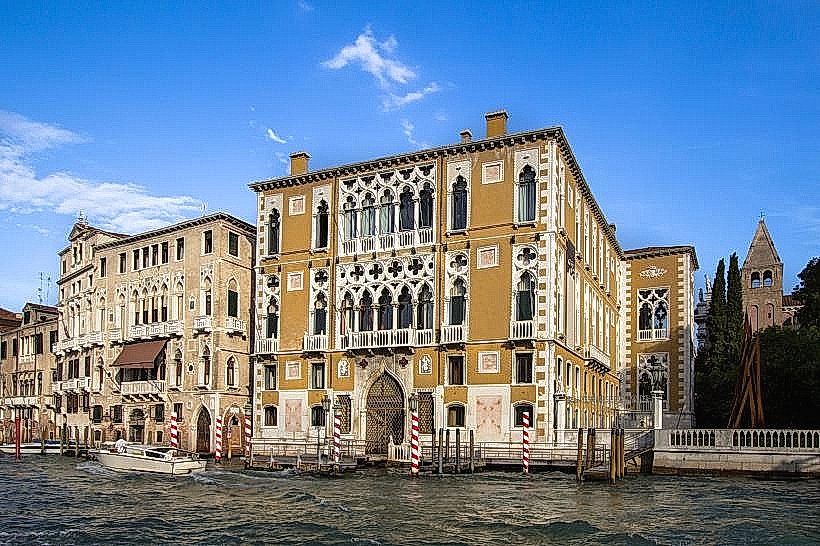
Façade: The exterior reflects the transition between Gothic and Renaissance architecture, with symmetrical windows, classical pilasters, and sculptural ornamentation. The façade is understated compared to Venice’s palatial churches, emphasizing the scuola’s civic and charitable function rather than private aristocratic display.
Interior Layout: The main hall, or salone, was historically used for meetings, ceremonies, and social functions of the confraternity. Its high vaulted ceilings, frescoed walls, and decorative cornices create a spacious and dignified atmosphere. The interior design emphasizes clarity, proportion, and solemnity, aligning with the building’s charitable mission.
Artistic Elements: The scuola historically housed numerous artworks commissioned from Venetian masters, including contributions by Tintoretto and Veronese, illustrating biblical narratives and acts of charity. These works reflected the dual purpose of inspiring piety and demonstrating the confraternity’s civic role.
Cultural and Civic Significance
Scuola della Carità exemplifies the Venetian confraternity system, which was crucial in providing social services and organizing communal life. It represents the blending of religious devotion, civic responsibility, and artistic patronage, demonstrating how Venice’s social structures were intertwined with its cultural identity.
The building also marks an important architectural evolution, bridging Gothic traditions with Renaissance rationality, reflecting both the spiritual and civic aspirations of its founders. Its association with the Gallerie dell’Accademia ensures that it remains a living repository of Venetian art, connecting historical functions with modern cultural engagement.
Visitor Experience
Today, visitors experience the Scuola della Carità primarily through the Gallerie dell’Accademia, which occupies the building. The grand salone and side halls allow for appreciation of both architectural design and the extensive art collection, including Venetian Renaissance masterpieces. Walking through the space, one can sense the original civic and charitable purpose, juxtaposed with the visual richness of the artworks.
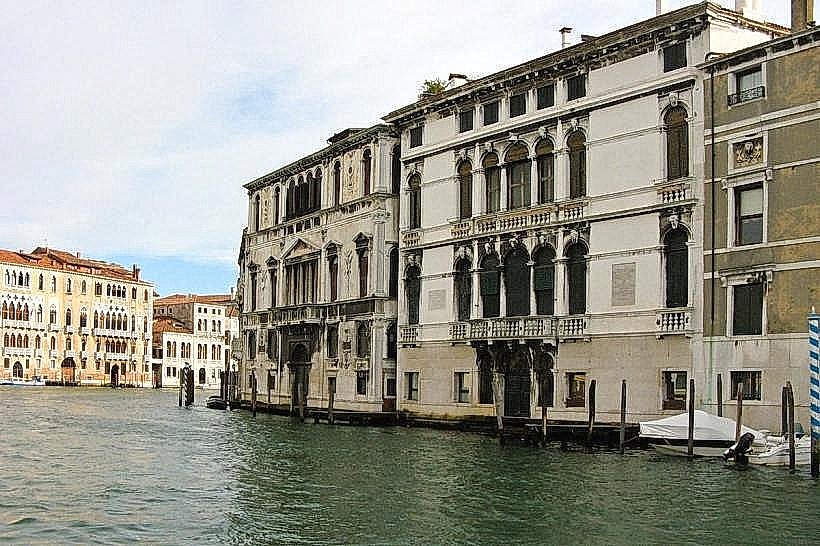
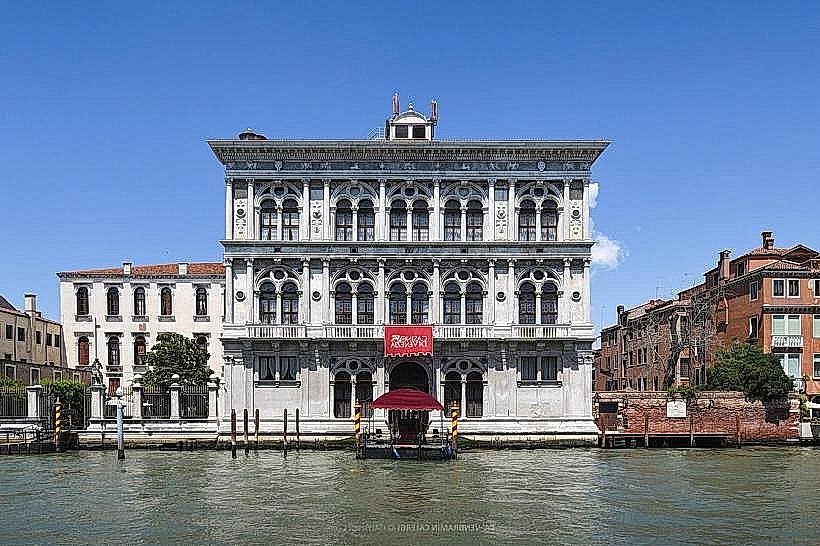
The location along the Grand Canal also offers contextual appreciation: the scuola’s façade interacts with water traffic and neighboring historic buildings, situating it within the urban fabric of Dorsoduro and connecting visitors to Venice’s broader civic and artistic landscape.
Legacy
Scuola della Carità remains a symbol of Venice’s civic, religious, and artistic traditions, embodying the integration of charity, public life, and culture. Its architecture and art testify to the importance of confraternities in shaping social and spiritual life, while its modern role as a museum ensures ongoing engagement with Venice’s cultural heritage.
The building stands as a testament to the city’s capacity to combine functionality, beauty, and civic purpose, offering visitors insight into both the social structures and artistic achievements of Renaissance Venice.