Information
Landmark: Seabird ColonyCity: Mahe
Country: Seychelles
Continent: Africa
Seabird Colony, Mahe, Seychelles, Africa
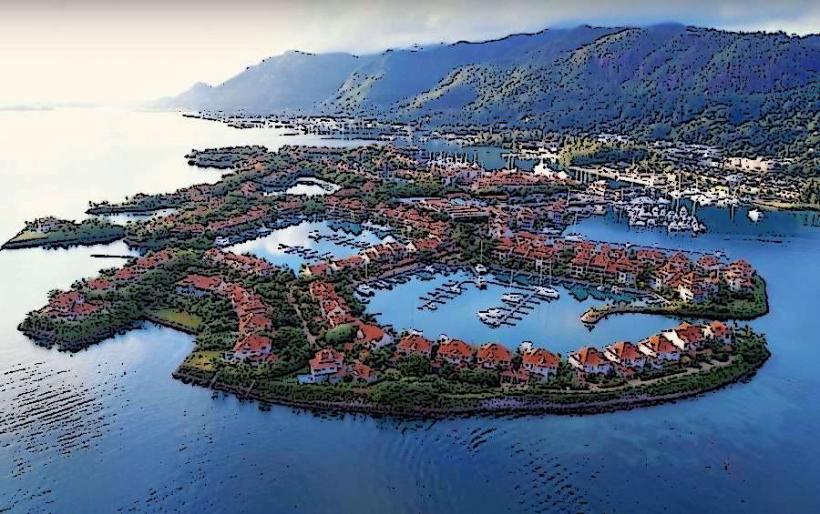
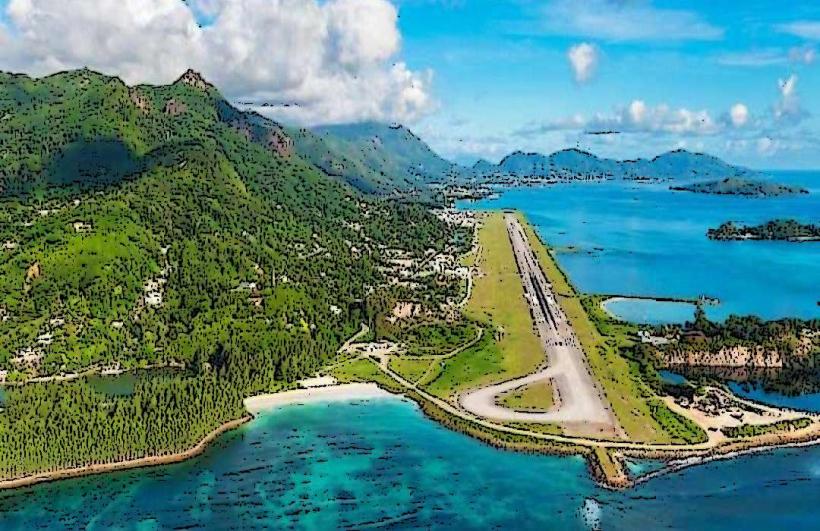
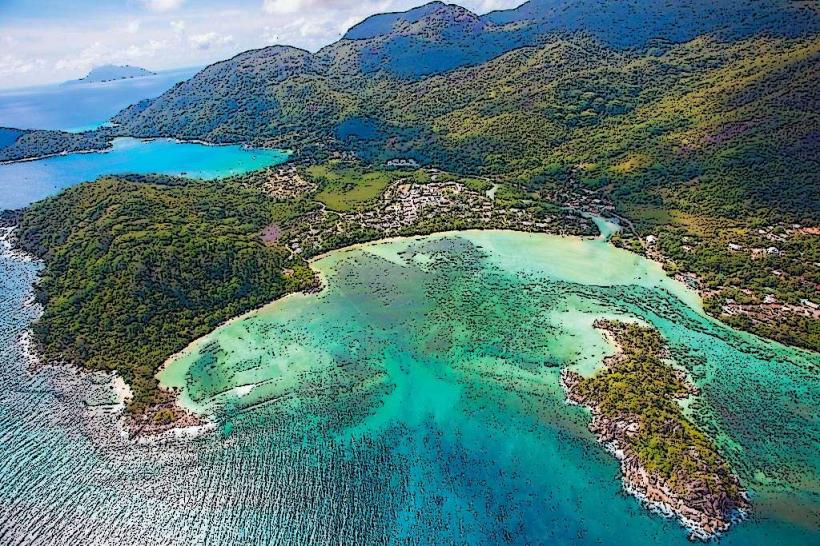
This site is a significant seabird nesting ground located on the northern coast of Mahé island in the Seychelles archipelago.
It serves as a critical habitat for numerous avian species, supporting a diverse and active population.
Visual Characteristics
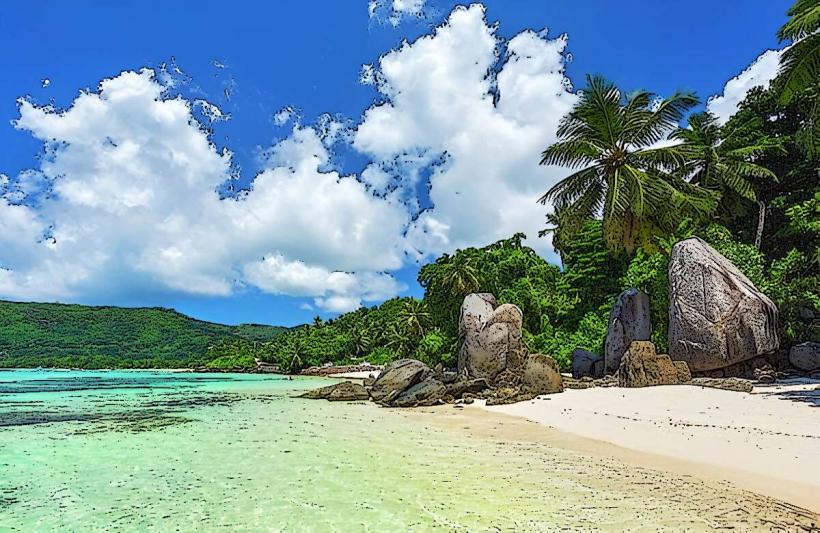
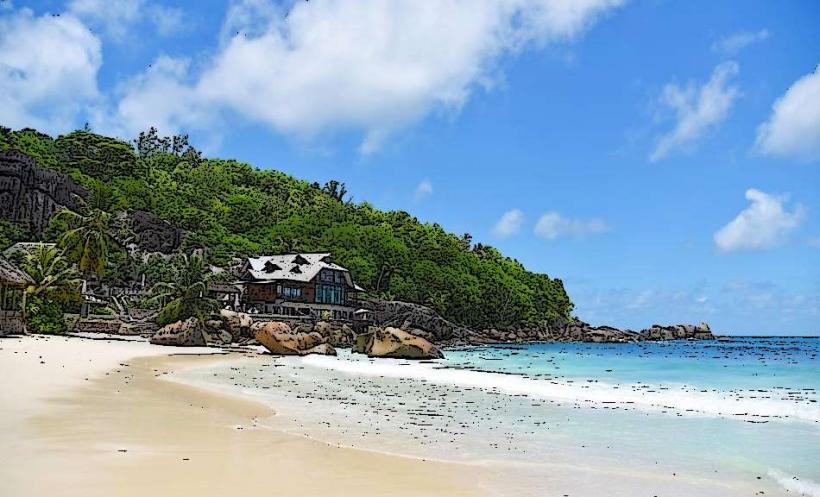
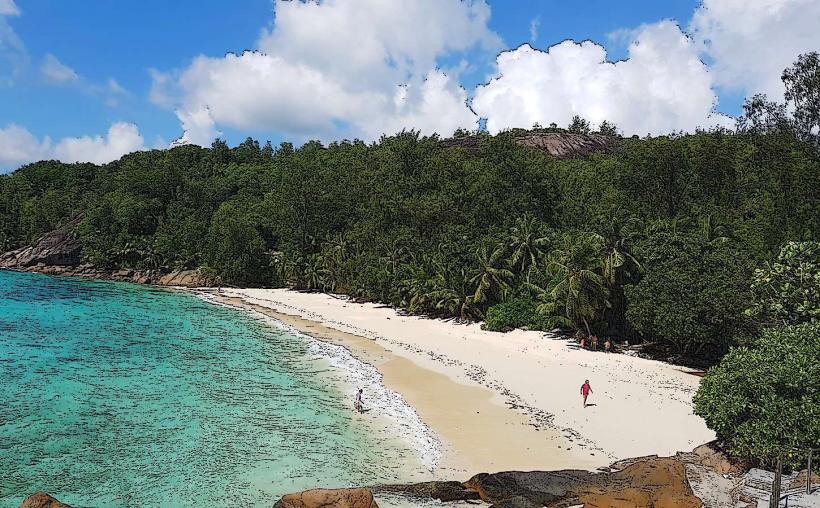
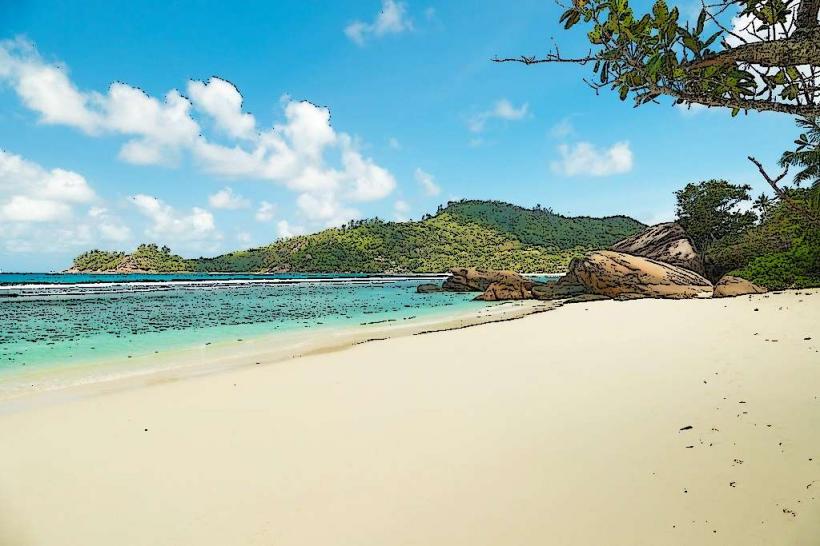
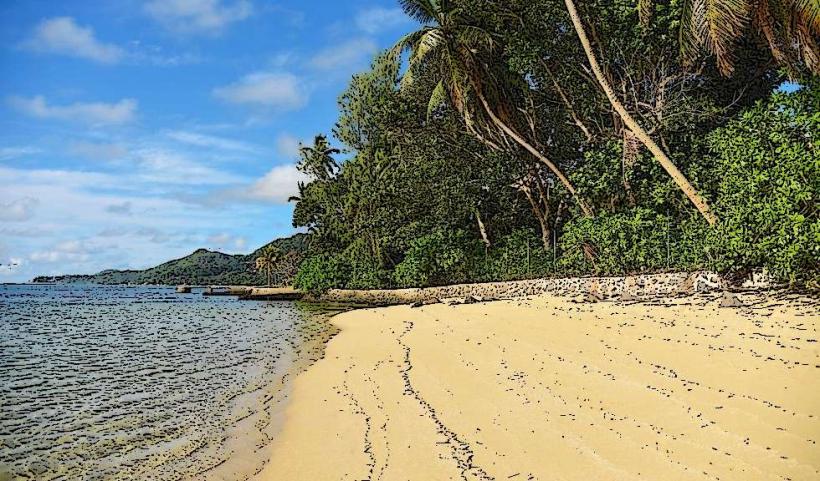
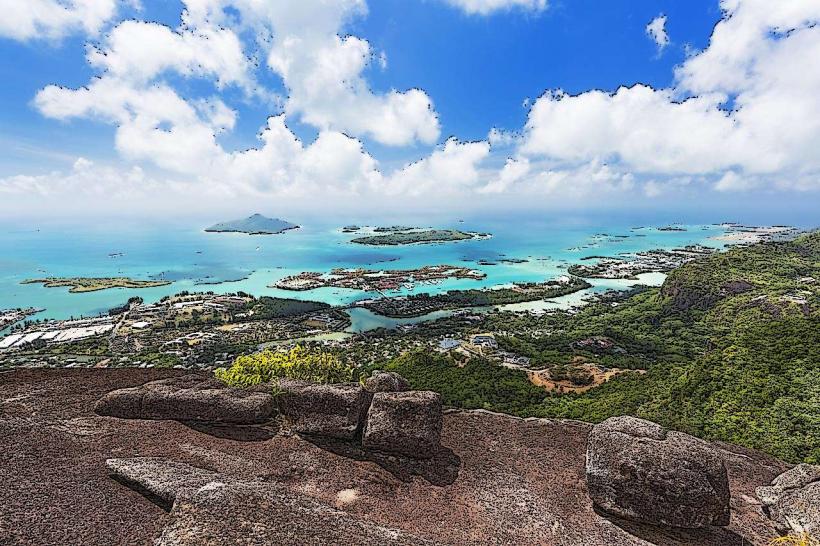
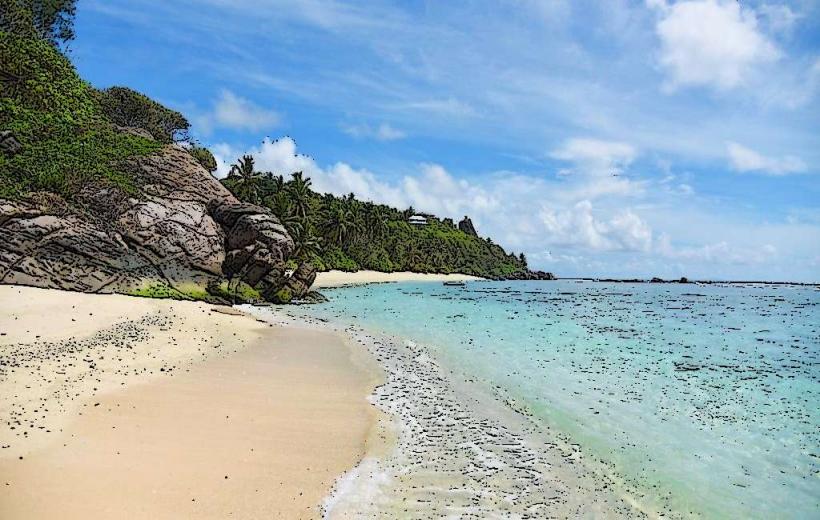
The colony occupies a series of rocky outcrops and cliff faces. The rock is primarily granite, exhibiting a grey to pinkish hue. Vegetation is sparse, consisting of hardy succulents and grasses adapted to the coastal environment. The surrounding water is clear, with a turquoise to deep blue coloration depending on depth and light penetration.
Location & Access Logistics
The colony is situated approximately 12 kilometers north of Victoria, the capital city of Seychelles. Access is via the Beau Vallon road (Provincial Road 1) for the initial stretch, then transitioning to smaller, unpaved tracks. Parking is limited to a small gravel area at the end of the accessible track, approximately 500 meters from the primary viewing points. Public transport options are restricted; the nearest bus stop for Route 14 is 2 kilometers south, requiring a walk along the coastal road.
Historical & Ecological Origin
The geological origin of the rocky outcrops is Precambrian granite, part of the Mahé Plateau. Ecologically, the area functions as a vital breeding and roosting site for migratory and resident seabird populations, sustained by the rich marine life in the adjacent waters. No specific construction date or architect is applicable as it is a natural formation.
Key Highlights & Activities
Observation of nesting and foraging behaviors of various seabird species, including terns, boobies, and frigatebirds. Birdwatching from designated viewpoints. Photography of avian life and coastal geology. No guided tours are officially offered, but local guides may be available for hire independently.
Infrastructure & Amenities
No formal infrastructure is present. There are no restrooms, designated shade structures, or food vendors directly at the colony site. Cell phone signal (4G) is intermittent and unreliable due to the exposed coastal location and rocky terrain.
Best Time to Visit
The peak nesting season occurs between April and September. For optimal bird activity and visibility, early morning (06:00-09:00) and late afternoon (16:00-18:00) provide the best natural light for photography and observation. Tidal conditions have minimal impact on access to the viewing areas.
Facts & Legends
Local folklore suggests that the calls of the seabirds at dawn are the spirits of ancient mariners guiding ships safely to shore. A verified fact is that the colony hosts one of the largest breeding populations of the Red-tailed Tropicbird in the western Indian Ocean.
Nearby Landmarks
- Beau Vallon Beach (1.5km South)
- Morne Seychellois National Park (4km Southwest)
- Victoria Botanical Gardens (10km South)
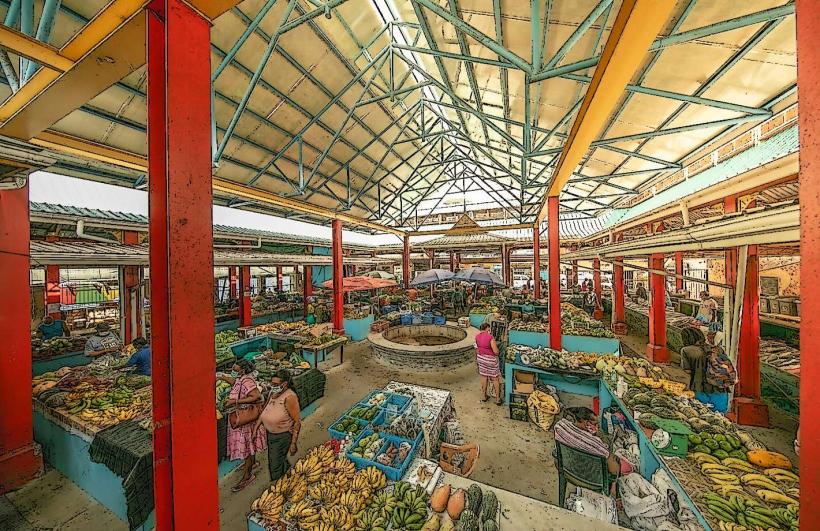
- Sir Selwyn Selwyn-Clarke Market (11km South)