Information
Landmark: Sifang StreetCity: Lijiang
Country: China
Continent: Asia
Sifang Street, Lijiang, China, Asia
Overview
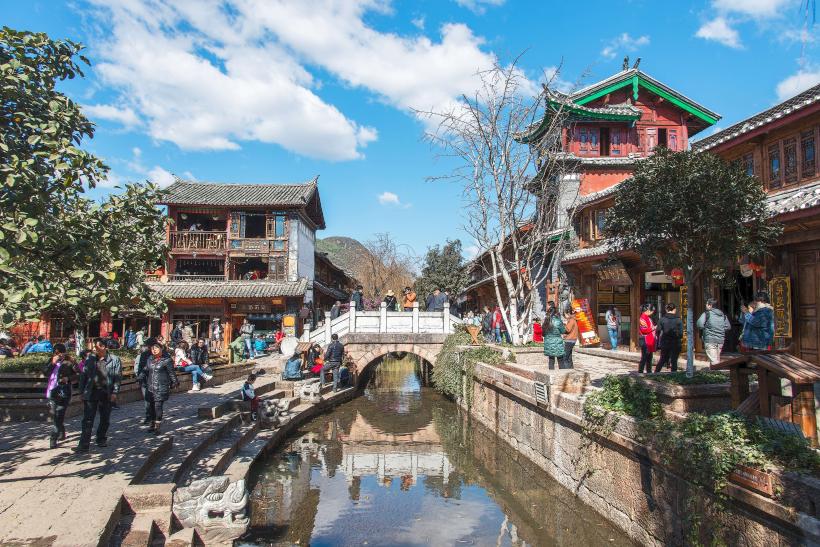
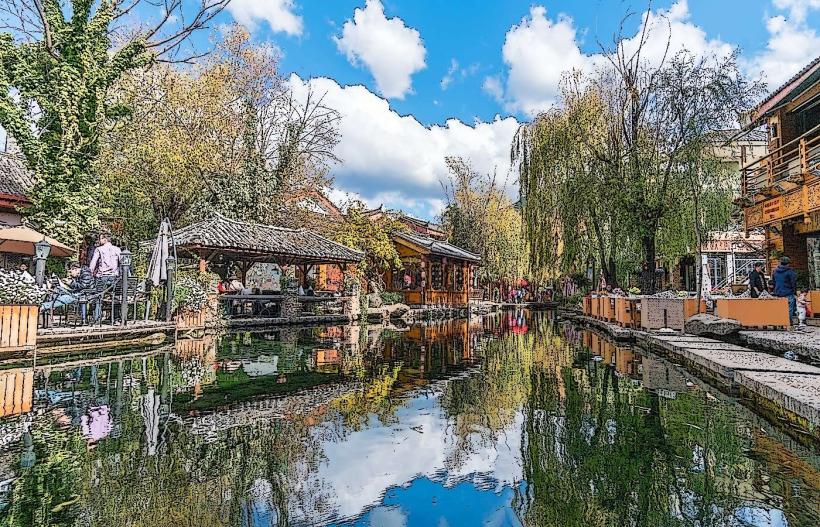
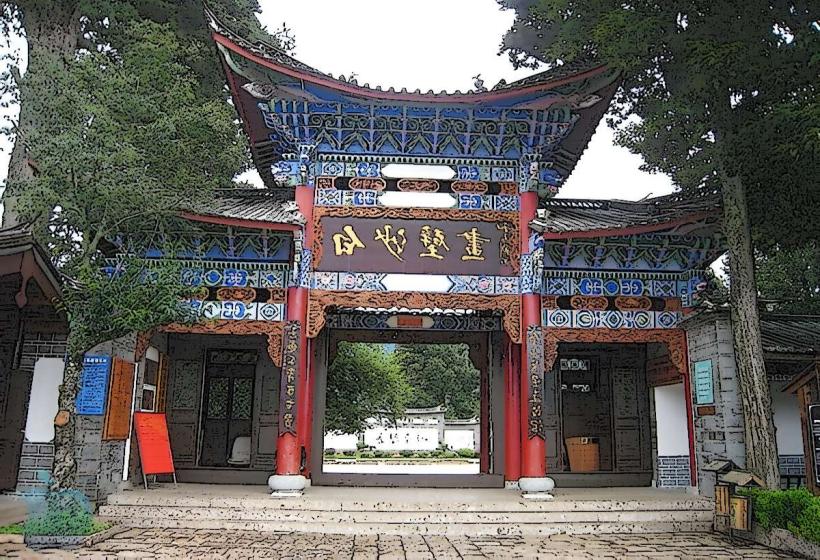
Interestingly, Sifang Street (四方街) sits at the heart of Lijiang, a city in Yunnan Province, China, and stands as a treasured landmark steeped in history and culture, also this street runs through the heart of Lijiang’s heritage Town, famous for its well-kept wooden facades, winding stone alleys, and the lively blend of Naxi culture with other local traditions.In Lijiang, Sifang Street buzzes with life, serving as a market full of shining fabrics, a meeting locale for locals, and a treasured piece of the city’s history, after that one.For centuries, Sifang Street bustled as the heart of Lijiang’s trade and social life, its stone-paved lanes alive with merchants calling out their wares, what’s more the name “Sifang” means “four corners,” a nod to the way the street angles sharply at each turn, sort of In the past, caravan traders often stopped here, especially when Lijiang lay along the winding Ancient Tea Horse Road (茶马古道), where the scent of tea leaves mingled with dust from the horses’ hooves, alternatively centuries ago, this trade route linked China with Tibet, India, and Southeast Asia, carrying tea leaves, sturdy mountain horses, coarse salt, and gleaming metals from one culture to another.Cultural Hub: The street has long been a favorite gathering spot for locals and travelers alike, where voices in many accents mingle over the smell of fresh bread from a corner stall, besides over the years, it grew into a lively meeting setting for Naxi, Tibetan, and Han communities, each leaving traces in its vivid festivals and intricate wooden carvings, shaping the area’s rich blend of culture and architecture.Step two’s simple-keep the pace shifting between quick bursts and longer, flowing lines, the way footsteps change on gravel, while sifang Street showcases classic Naxi-style architecture, with weathered wooden buildings, graceful sloping roofs, and windows and doors carved in intricate patterns, for the most part These buildings showcase the ancient Naxi culture, where harmony with nature runs deep and every beam or stone comes from the surrounding land, as well as square Design: The name “Sifang” (四方) means “four corners” or “four sides,” and the street lives up to it-four main roads branch out like spokes from a hub, forming a neat, square-shaped meeting area in the center.The layout makes it easy to reach from any direction, and it doubles as a lively spot where people browse stalls, grab a bite, and chat over coffee, also sifang Street, nestled in Lijiang timeworn Town, falls under the UNESCO World Heritage Site designation, where worn stone paths still echo with the steps of centuries.Lijiang timeworn Town is famous for its beautifully preserved ancient buildings and the distinctive Naxi culture, both alive in the cobbled charm of Sifang Street, as a result three.On Sifang Street, you’ll find rows of shops brimming with handwoven scarves, carved wooden trinkets, and other local treasures, while visitors can browse silver jewelry that catches the light, run their hands over soft handwoven fabrics, admire intricate Naxi embroidery, and study the smooth lines of traditional wooden carvings.It’s the perfect spot to snag a one-of-a-kind keepsake-maybe a hand-carved wooden pendant-to remember your time in Lijiang, then tea houses and cafés line the street, each with its own inviting aroma, where visitors can settle in to sip fragrant Chinese tea or linger over a smooth cup of coffee.These places often invite you to explore the region’s tea traditions, steeped in history and rich with the scent of freshly brewed leaves, not only that sifang Street comes alive in the evenings, with the strum of guitars and bursts of laughter drifting from street performers and live bands.In the square, you might catch the beat of traditional Naxi drums, watch locals spin through lively dances, or notice colorful ethnic performances that bring the culture vividly to life, also sifang Street buzzes with Naxi life, offering a vivid taste of their traditions, especially the colorful symbols and rituals of the Dongba culture.Frankly, The Dongba, indigenous to the Lijiang area, shape the region’s identity through their vibrant rituals, intricate art, and a language that echoes like wind over the classical stone streets, in conjunction with shops and galleries along the street display Dongba art, its distinctive pictographic symbols curling across paper like tiny painted stories, not entirely Local Food: You can wander the street and grab a skewer of sizzling lamb or try steaming bowls of traditional dishes from the Naxi and other ethnic groups, simultaneously people often enjoy rice cakes, steaming bowls of noodles, tender roast meats, and flaky sweet pastries, relatively Visitors can’t get enough of the Naxi-style hotpot, its steam curling into the air, and the tender yak meat dishes they come back for again and again, what’s more number four.Mind you, For generations, Sifang Street buzzed with the voices of Naxi locals and nearby ethnic groups, a lively hub where people met to trade spices, share news, and enjoy each other’s company, as well as it still holds its social significance today, buzzing with life as locals chat over coffee and tourists snap photos.Oddly enough, All year long, the street buzzes with cultural festivals and lively events, from lantern-lit parades to music spilling out of open doorways, on top of that one highlight is the Lijiang Spring Festival, when drums echo through the streets during parades, performances light up the squares, and the celebrations showcase the region’s rich mix of cultures.When the festivities begin, the square bursts to life-shining banners ripple in the breeze, music spills into the air, and dancers whirl across the cobblestones, after that number five.Modern Developments and Preservation: Sifang Street still holds its heritage-world charm-the worn stone underfoot, the carved wooden eaves-but it’s also been updated to welcome the ever-growing wave of visitors to Lijiang, in turn as the area’s grown, people have worked hard to keep its antique-world charm and distinctive architecture, even while adding modern touches like cozy cafés, stylish boutiques, and glowing, welcoming art galleries.Cultural Preservation: Local officials and cultural groups have worked hard to protect Sifang Street and the winding alleys of Lijiang vintage Town, where red lanterns sway gently in the evening breeze, as a result they’ve renovated and restored the area to protect its one-of-a-kind heritage, yet you can still wander its narrow stone paths like any curious visitor.Number six, likewise sifang Street sits right in the heart of Lijiang antique Town, where stone paths wind between historic wooden shops.You can roam there in minutes, and the heritage Town’s cobbled streets draw plenty of visitors, so it’s an easy spot to explore, and it’s a perfect area to begin if you want to wander through the town’s cobbled streets and soak in its history and culture.Best time to visit: The street buzzes from morning to night, but evenings steal the show, when music drifts through the air, performers draw minute crowds, and local events light up every corner, as well as for the street at its liveliest, go in the evening when shop lights glow and the air hums with chatter.Entrance fees: You can wander the street for free, but some spots in Lijiang historic Town-like a quiet temple courtyard or an evening dance show-may charge admission, simultaneously still, you can wander down the street, breathe in the smell of fresh bread from a corner bakery, and take it all in without spending a dime.Curiously, Seven, equally important just a short meander from Sifang Street, you’ll find Mufu Palace, once home to Lijiang’s royal family, with carved wooden gates that still catch the afternoon light, partially This remarkable historical site blends lush gardens with graceful ancient stonework, giving you a vivid glimpse of the city’s past, along with just a short roam from Sifang Street, Black Dragon Pool offers a graceful temple and a quiet pavilion, both framed by the snow-capped sweep of Jade Dragon Snow Mountain.In the center of Lijiang’s heritage Town, a UNESCO World Heritage Site, Sifang Street bustles with shopfronts and the sound of footsteps on worn stone, not only that wander through the rest of the vintage Town, where narrow lanes lead past traditional wooden houses with sun-faded shutters.
Author: Tourist Landmarks
Date: 2025-09-16