Information
Landmark: Signagi Wine CellarsCity: Signagi
Country: Georgia
Continent: Asia
Signagi Wine Cellars, Signagi, Georgia, Asia
Signagi Wine Cellars is a complex of traditional Georgian wine cellars located in the town of Signagi, Georgia.
Visual Characteristics
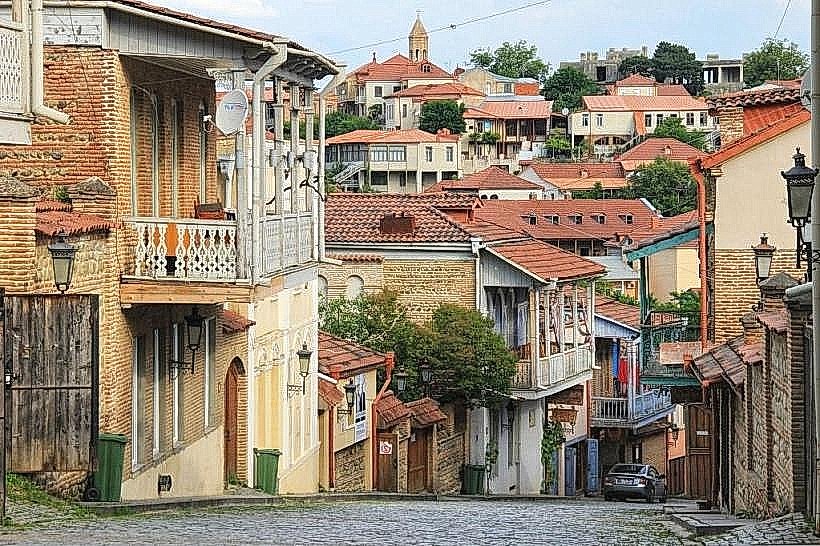
The cellars are constructed primarily from stone and aged wood, featuring arched doorways and vaulted ceilings. Exterior walls are typically whitewashed or finished with rough stone. Interior spaces are characterized by large clay amphorae (qvevri) partially buried in the earth, used for wine fermentation and storage. The overall aesthetic is rustic and functional, reflecting centuries of winemaking tradition.
Location & Access Logistics
Signagi Wine Cellars are situated within the town of Signagi, approximately 110 kilometers east of Tbilisi. Access is via the S4 highway (Tbilisi-Lagodekhi). Within Signagi, the cellars are generally accessible by foot from the town center. Limited street parking is available in the vicinity, with designated parking areas often located near the main town square. Public transport to Signagi includes marshrutka (minibus) services departing regularly from Tbilisi's Samgori bus station.
Historical & Ecological Origin
The tradition of winemaking in Georgia, and specifically the use of qvevri, dates back over 8,000 years, making it one of the oldest winemaking regions in the world. Signagi, as a historical center for Kakheti wine production, has maintained this ancient method. The cellars themselves are built into the earth, utilizing the stable underground temperature for optimal wine aging. The geological composition of the region, characterized by fertile soil and a favorable microclimate, supports the cultivation of indigenous grape varietals.
Key Highlights & Activities
Tasting of locally produced wines, including Saperavi and Rkatsiteli varietals. Tours of the qvevri cellars and explanations of the traditional winemaking process. Opportunities to purchase wine directly from producers. Participation in traditional Georgian supra (feast) events, often accompanied by polyphonic singing.
Infrastructure & Amenities
Restrooms are available at most operational cellars. Shaded areas are provided within the cellar complexes and courtyards. Cell phone signal (4G) is generally available within Signagi. Food vendors and small restaurants are located throughout the town, often within walking distance of the cellars.
Best Time to Visit
The best time for visiting Signagi Wine Cellars is from May to October, when the weather is mild and conducive to exploring the town and its surroundings. For photography, early morning or late afternoon light offers softer illumination. Wine tasting and cellar tours are available year-round, though harvest season (September-October) provides a unique insight into the winemaking cycle.
Facts & Legends
A unique aspect of Signagi's wine cellars is the deep burial of qvevri, often up to their necks in the earth, which provides a consistent temperature of 14-15 degrees Celsius year-round, ideal for fermentation and aging without artificial cooling. Legend states that the town's strategic location on a hill was chosen to oversee the surrounding vineyards and protect the precious wine stores.
Nearby Landmarks
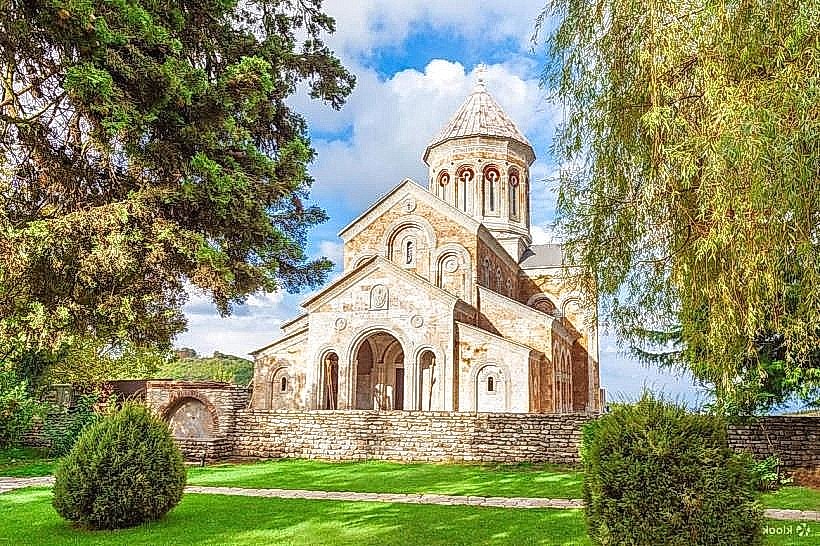
- Bodbe Monastery (0.5km South)
- Signagi Museum (0.3km West)
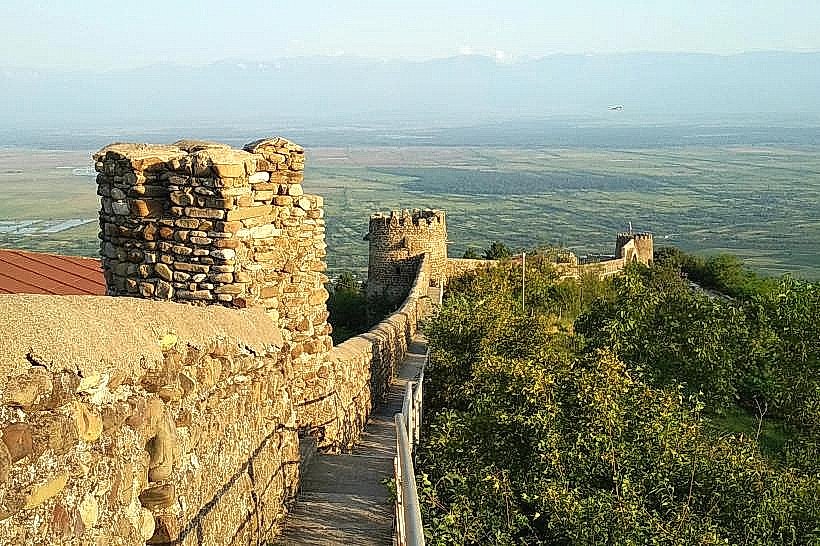
- Signagi City Walls (0.2km North)
- Alazani Valley Viewpoint (0.8km East)