Information
Landmark: Silale SwampCity: Ngorongoro Region
Country: Tanzania
Continent: Africa
Silale Swamp, Ngorongoro Region, Tanzania, Africa
Silale Swamp is a wetland area located within the Ngorongoro Conservation Area in Tanzania's Ngorongoro Region.
This extensive wetland system serves as a critical habitat for diverse wildlife and plays a significant role in the regional ecosystem.
Visual Characteristics
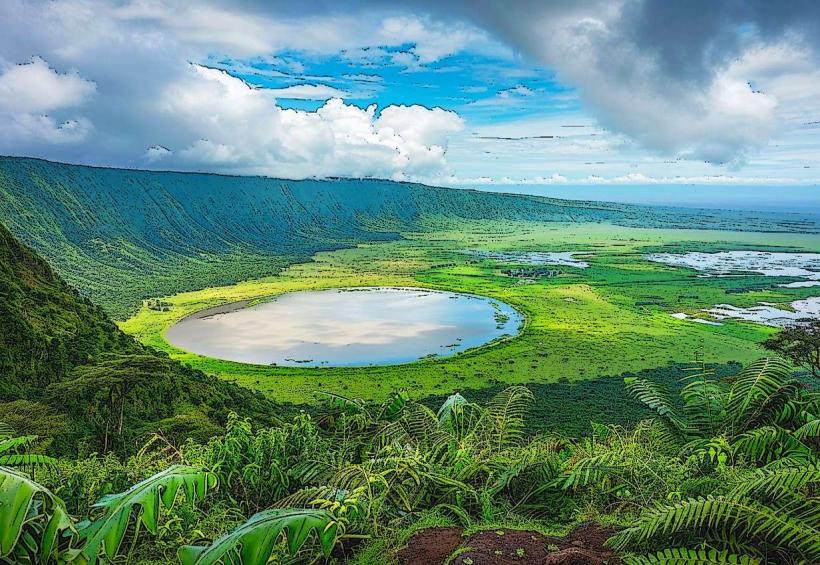
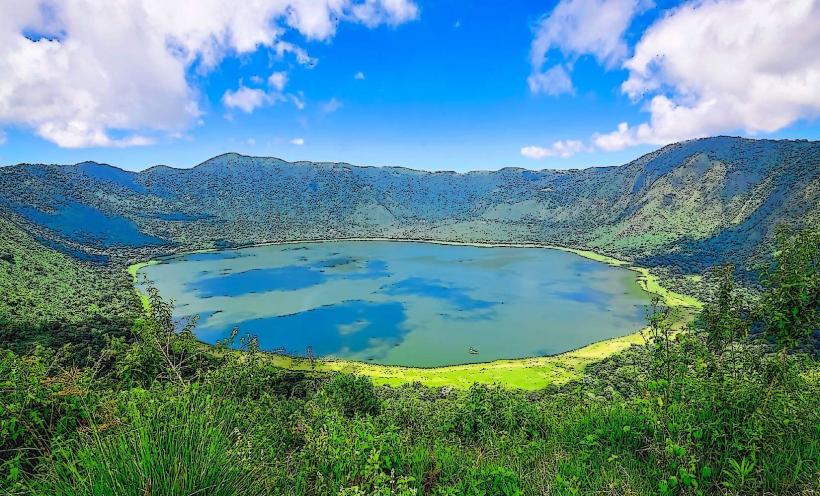
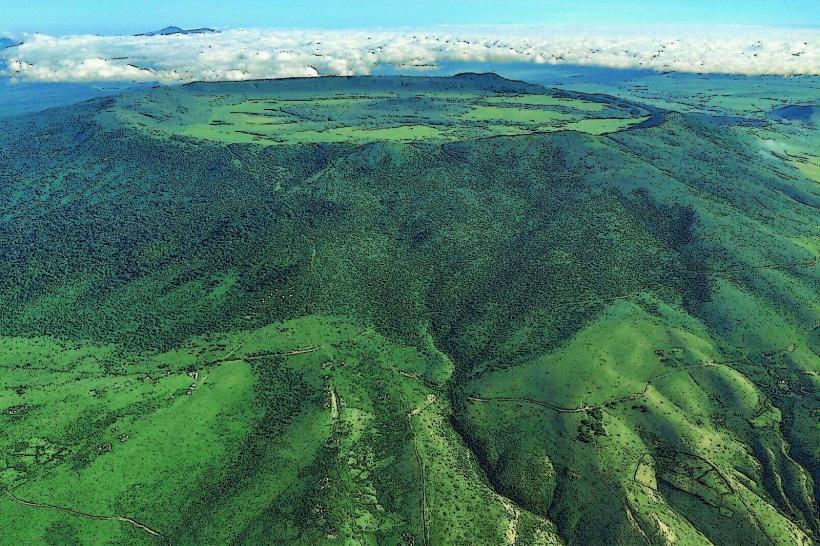
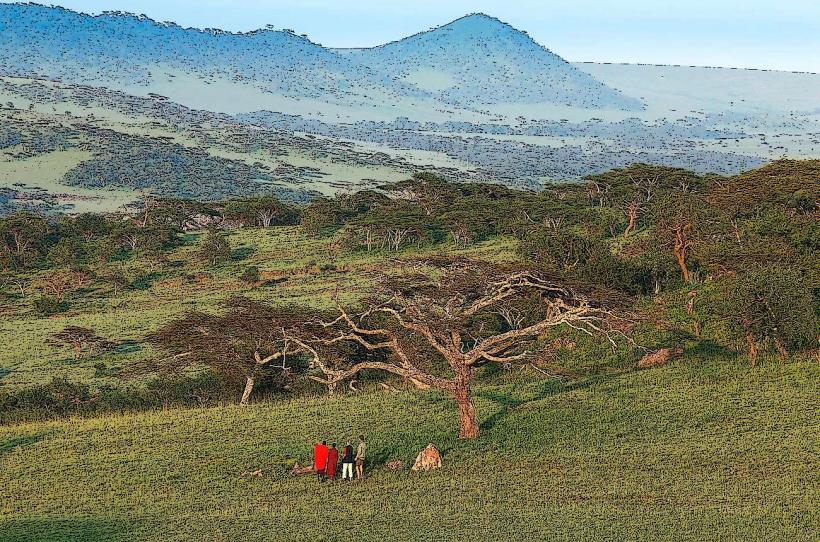
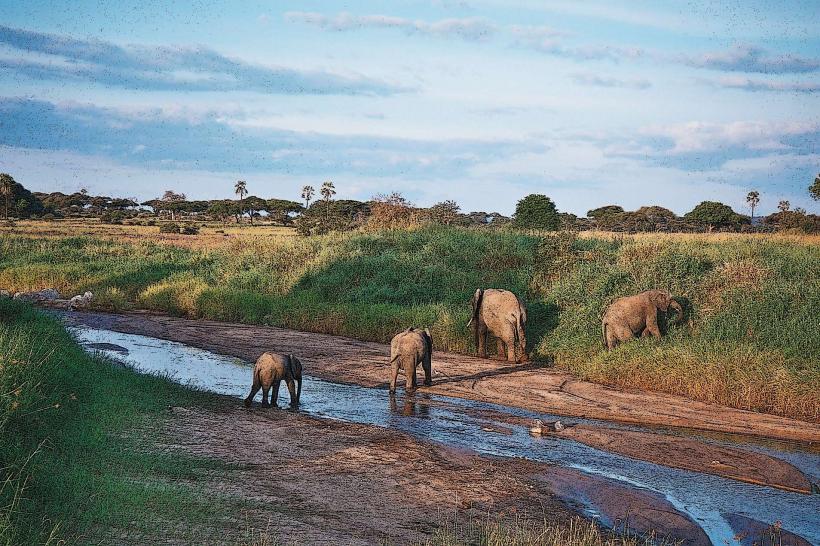
Silale Swamp is characterized by its shallow, slow-moving water bodies interspersed with dense papyrus reeds and grasses. The water color varies from muddy brown to greenish depending on sediment load and algal growth. The terrain is generally flat, with occasional small islands of higher ground supporting acacia trees and other savanna vegetation. During the dry season, large areas may recede, exposing mudflats.
Location & Access Logistics
The swamp is situated approximately 30 kilometers west of the main Ngorongoro Crater entrance gate. Access is primarily via unpaved park roads within the Ngorongoro Conservation Area. The nearest major town is Karatu, about 40 kilometers to the southeast. Vehicle access is restricted to 4x4 vehicles, especially during the wet season. No public transport directly serves the swamp; access is typically part of organized safari tours. Parking is informal and limited to designated areas along the access tracks.
Historical & Ecological Origin
Silale Swamp is a natural geological formation, part of the larger East African Rift Valley system. Its existence is due to the topography of the region, which collects rainfall and runoff from surrounding highlands, creating a persistent wetland environment. Ecologically, it functions as a vital freshwater source and breeding ground for numerous animal species, contributing to the biodiversity of the Ngorongoro Conservation Area.
Key Highlights & Activities
Wildlife viewing is the primary activity. Visitors can observe a variety of bird species, including water birds like herons, egrets, and storks. Mammals such as hippos, buffalo, and various antelope species frequent the swamp, particularly during drier periods. Game drives along the perimeter roads offer opportunities for observation. Boat safaris are not available. Walking within the swamp is prohibited due to safety concerns and ecological sensitivity.
Infrastructure & Amenities
There are no permanent structures or amenities within Silale Swamp itself. Basic visitor facilities, such as restrooms and picnic areas, are located at designated viewpoints or lodges outside the immediate swamp area. Cell phone signal is intermittent to non-existent within the swamp. Food vendors are not present at the swamp; provisions must be carried by visitors or arranged through tour operators.
Best Time to Visit
The best time for wildlife viewing is during the dry season, from June to October, when water levels are lower, concentrating animals. The early morning and late afternoon offer optimal lighting conditions for photography. During the wet season (November to May), access can be challenging due to muddy conditions, and the swamp is at its fullest.
Facts & Legends
Silale Swamp is known for its significant population of hippopotamuses, which use the water for protection from the sun and predators. A specific tip for visitors is to scan the edges of the swamp carefully, as crocodiles often bask on the muddy banks, camouflaged against the terrain.
Nearby Landmarks
- Ngorongoro Crater (5km East)
- Olmoti Crater (15km North)
- Empakaai Crater (20km North)
- Olduvai Gorge (25km Southwest)