Information
Landmark: Tarangire National ParkCity: Ngorongoro Region
Country: Tanzania
Continent: Africa
Tarangire National Park, Ngorongoro Region, Tanzania, Africa
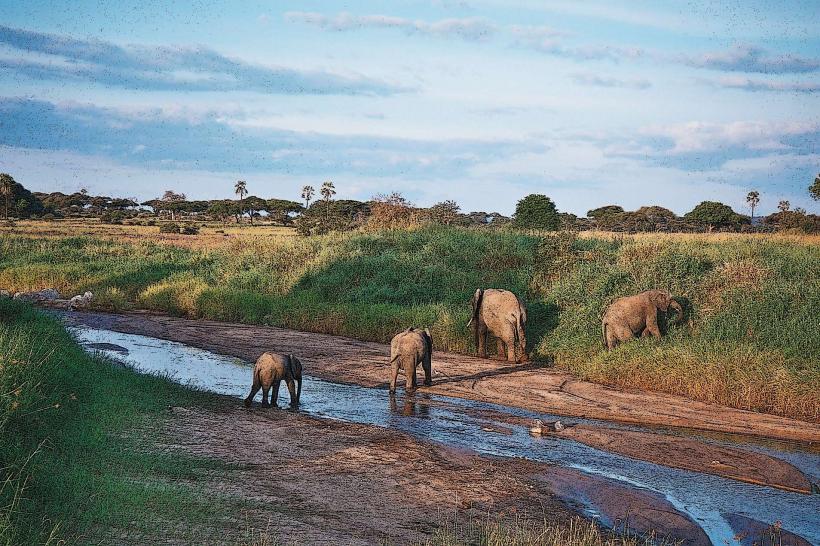
Tarangire National Park is a protected area located in the Manyara Region of Tanzania. It is known for its large elephant population and baobab trees.
Visual Characteristics
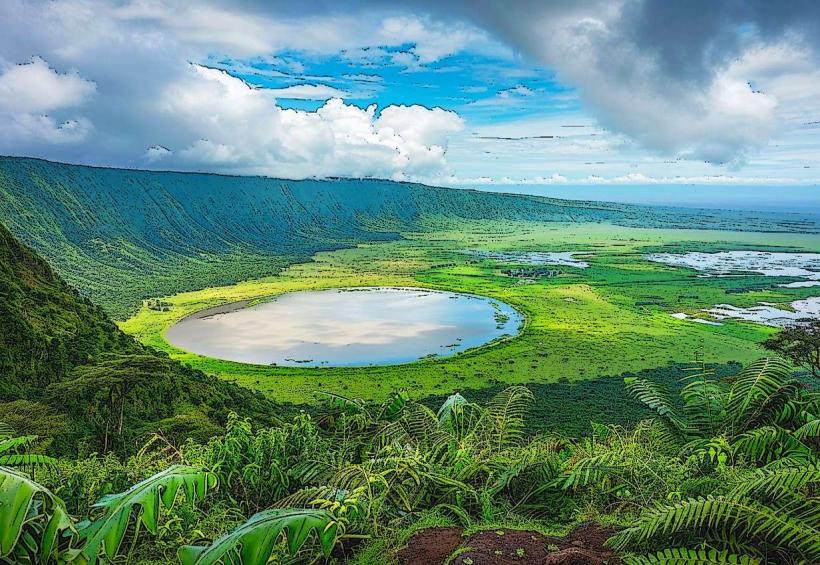
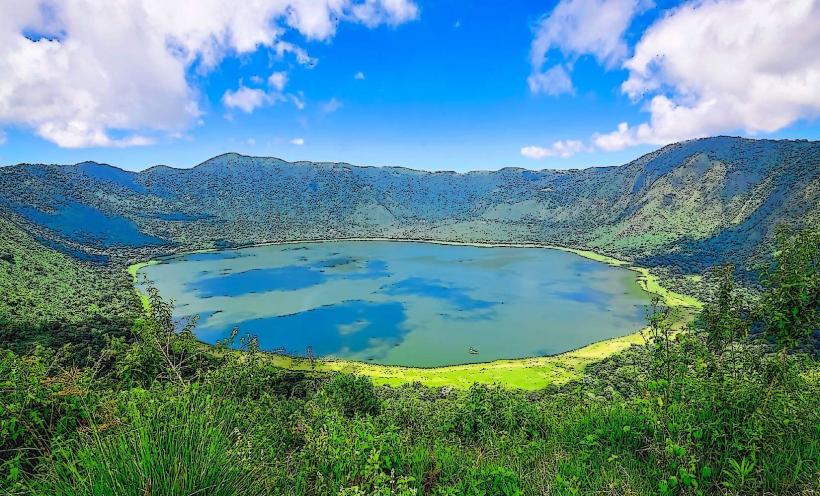
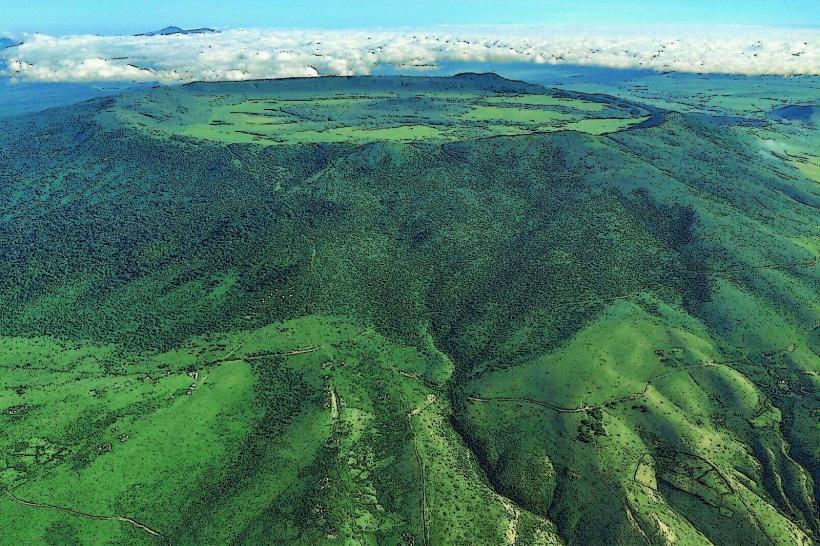
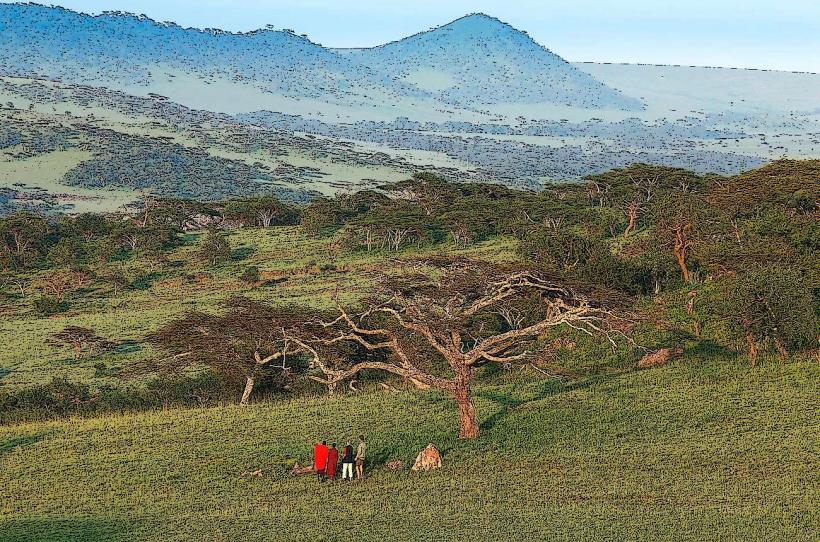
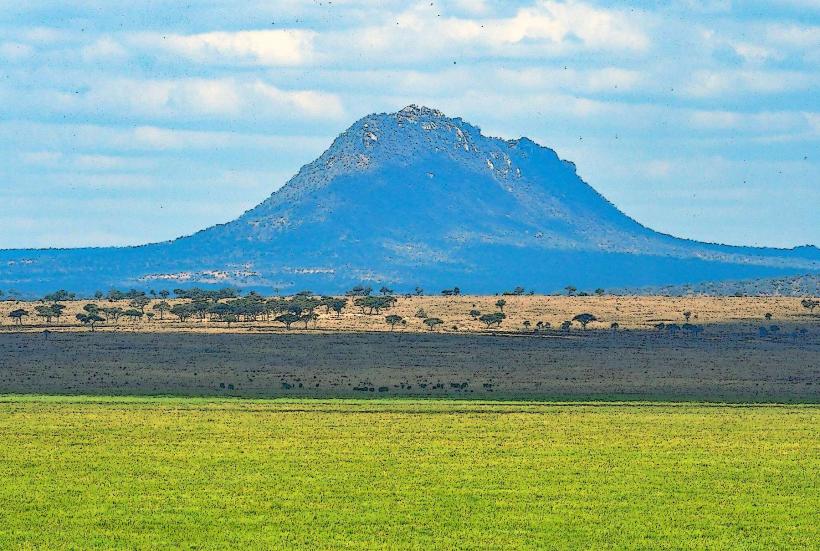
The landscape is characterized by rolling hills, acacia woodlands, and open grasslands. The dominant vegetation includes large baobab trees, acacia tortilis, and various grasses. The Tarangire River, a permanent water source, flows through the park, attracting wildlife. Soil types are predominantly sandy.
Location & Access Logistics
Tarangire National Park is situated approximately 120 kilometers (75 miles) southwest of Arusha. Access is via a tarmac road (B144) leading from Arusha to the park's main gate. The drive takes approximately 2 to 3 hours. There is a designated parking area at the main entrance and several smaller parking zones near popular viewpoints and picnic sites. Public transport to the park is not available; access is typically via organized safari vehicles or private transport.
Historical & Ecological Origin
Tarangire was established as a game reserve in 1957 and later designated a national park in 1970. Its ecological origin is a savanna ecosystem, shaped by seasonal rainfall patterns and the presence of the Tarangire River. The park is part of the larger ecosystem that includes the Maasai Steppe and the Lake Manyara National Park.
Key Highlights & Activities
Wildlife viewing is the primary activity. Specific opportunities include observing large herds of elephants, lions, leopards, cheetahs, giraffes, zebras, and wildebeest. Birdwatching is also significant, with over 550 recorded species. Walking safaris are permitted in designated areas under armed ranger escort. Game drives are conducted on established tracks throughout the park.
Infrastructure & Amenities
Within the park, there are several designated picnic sites equipped with basic seating. Restrooms are available at the main park entrance and at some of the larger lodges and campsites. Cell phone signal is intermittent and generally unreliable within the park boundaries. Food vendors are not present inside the park; visitors must bring their own provisions or dine at lodge restaurants.
Best Time to Visit
The dry season, from July to October, is considered the best time for wildlife viewing as animals congregate around the Tarangire River. During this period, vegetation is less dense, improving visibility. The best time of day for photography is generally early morning and late afternoon, when the light is softer and animal activity is higher. There are no specific tide requirements as the park is inland.
Facts & Legends
Tarangire is home to the largest concentration of elephants in Tanzania. The park's baobab trees are ancient, with some estimated to be over a thousand years old. A local belief suggests that the spirits of the dead reside within the baobab trees.
Nearby Landmarks
- Lake Manyara National Park (15km Northwest)
- Ol Doinyo Lengai (40km Southwest)
- Ngorongoro Conservation Area (50km West)
- Arusha National Park (120km Northeast)