Information
Landmark: Skenduli HouseCity: Gjirokaster
Country: Albania
Continent: Europe
Skenduli House, Gjirokaster, Albania, Europe
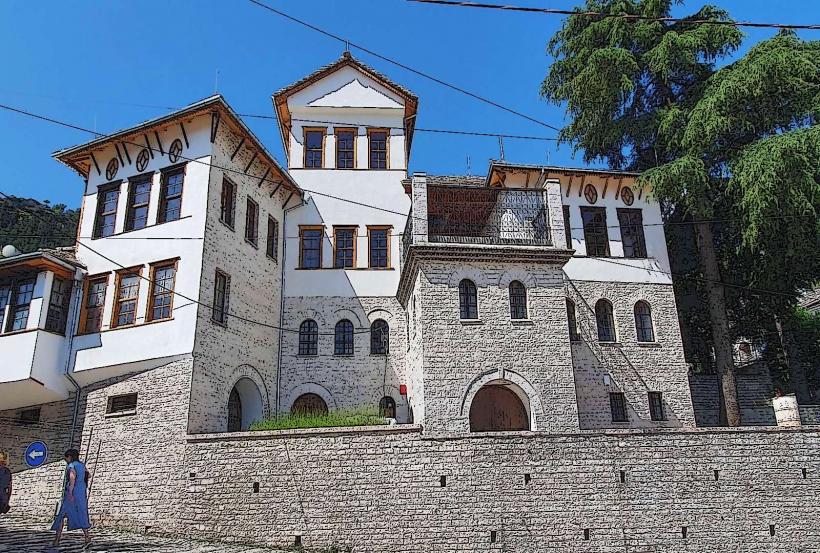
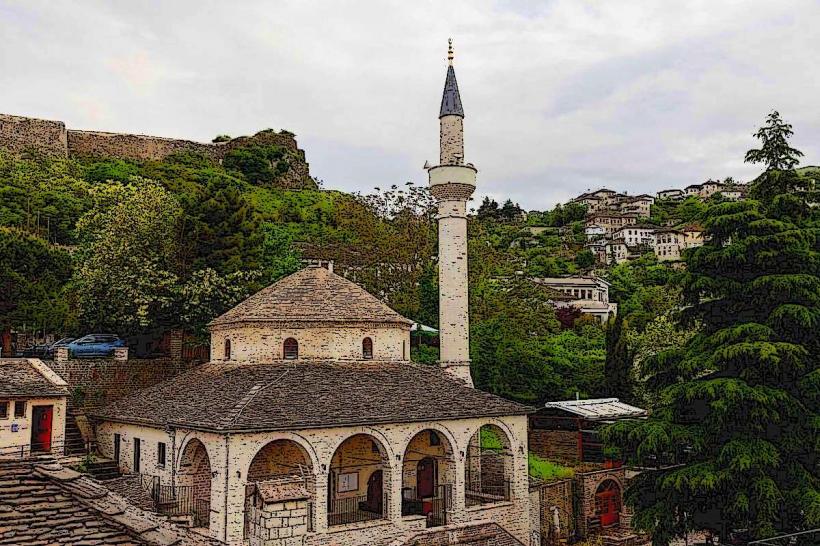
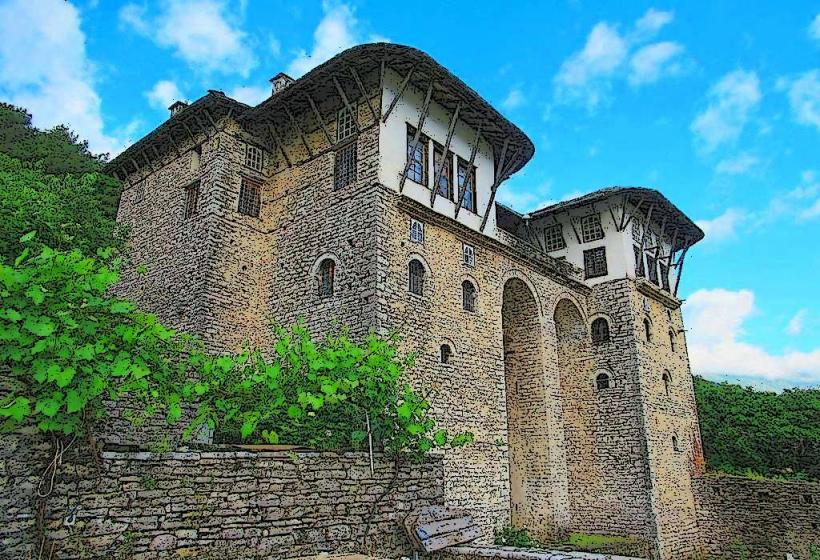
The Skenduli House is an 18th-century fortified villa located in the Palorto quarter of Gjirokastër. It is one of the most authentic and structurally complete examples of an Ottoman "tower house" (kulla) in the region, having remained in the continuous ownership of the original family.
Visual Characteristics
The house features a massive stone base with walls up to 2 meters thick, transitioning into lighter upper floors with white-plastered facades and grey slate roofing. It is notable for its symmetrical twin-tower design and has 64 windows, 9 fireplaces, and 6 bathrooms. The interior is defined by intricate wood-carved ceilings, ornate "musandra" (built-in wall closets), and stained-glass windows in the principal reception halls.
Location & Access Logistics
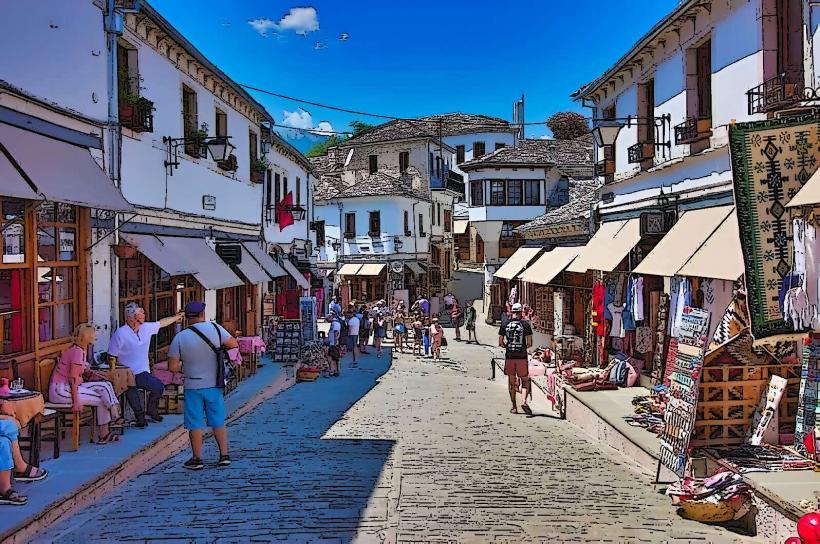
The structure is situated approximately 0.5km west of the Old Bazaar (Qafa e Pazarit) and 0.1km east of the Ethnographic Museum. Access is via steep, narrow cobblestone alleys. There is no direct public transport or parking at the site; visitors must walk from the city center or take a taxi to the entrance gate. It is positioned on the primary pedestrian route between the bazaar and the Zekate House.
Historical & Ecological Origin
Originally constructed in 1823, the house was built during the peak of Gjirokastër's economic prosperity under the rule of Ali Pasha. The building was designed as a self-sufficient defensive unit, utilizing local limestone and timber. It was confiscated during the communist era but returned to the Skenduli family in the 1990s, who now operate it as a private museum.
Key Highlights & Activities
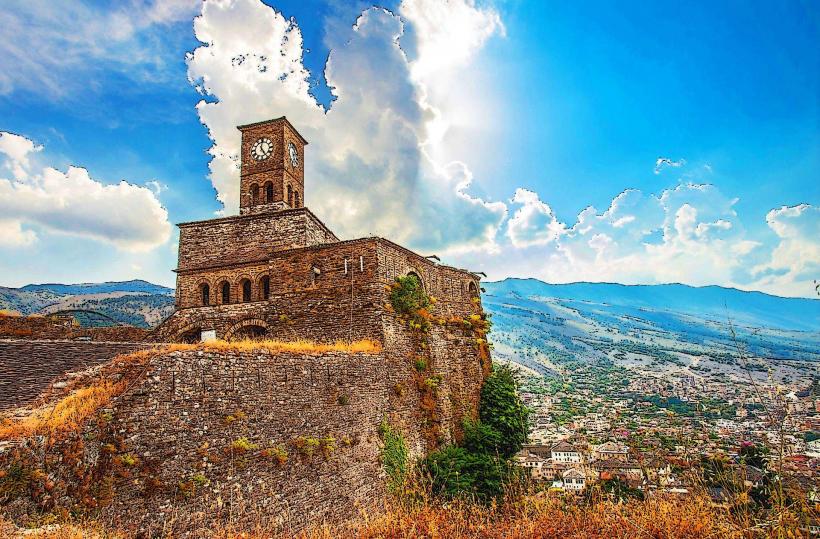
Visitors are typically guided by a family member through the three levels of the house. Key areas include the ground-floor cisterns and flour bunkers, the summer and winter living quarters, and the "Grand Room" used for weddings and high-status receptions. The top-floor balcony provides a clear view of Gjirokaster-castle_gjirokaster" class="underline">Gjirokastër Castle and the surrounding stone-roofed district.
Infrastructure & Amenities
The house functions as a living museum with minimal modern modifications. There is a ticket desk at the entrance. Public restrooms are available within the house for visitors. 5G cellular signal is stable on the upper floors but significantly reduced within the stone-vaulted ground floor. Shade is abundant within the thick-walled interior. No food or beverage services are provided on-site.
Best Time to Visit
The best time for a visit is between 09:00 and 11:00 to avoid the midday heat and the arrival of larger tour groups. The house is open daily throughout the year. Photography is most effective in the afternoon when natural light enters through the stained-glass windows of the southern chambers.
Facts & Legends
The house features a unique internal defensive mechanism: a "hidden" trapdoor in the upper hallway that allowed occupants to dump hot oil or stones on intruders entering the main gate below. It is also famous for having more fireplaces than any other private residence in the city, a historical indicator of the Skenduli family's extreme wealth and social standing.
Nearby Landmarks
Ethnographic Museum: 0.1km West
Zekate House: 0.4km Northwest
Gjirokastër Castle: 0.5km South
Old Bazaar (Qafa e Pazarit): 0.5km East
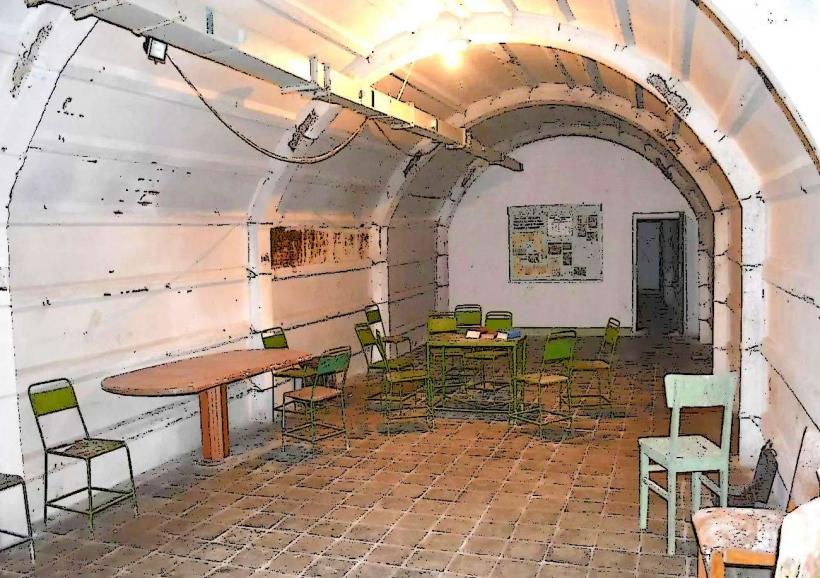
Cold War Tunnel: 0.6km Southeast