Information
Landmark: St. Michael's ChurchCity: Gjirokaster
Country: Albania
Continent: Europe
St. Michael's Church, Gjirokaster, Albania, Europe
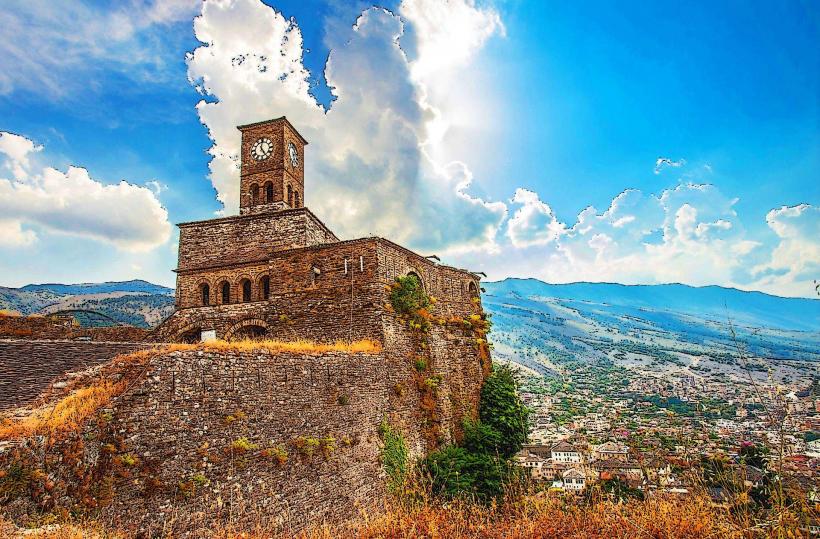
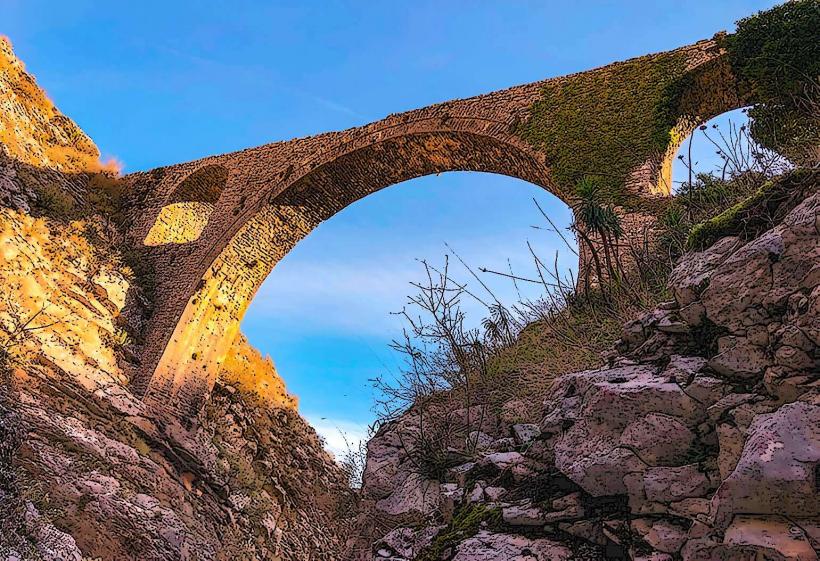
St. Michael's Church is a 13th-century Byzantine religious structure located on the steep slopes of the Gjirokaster-castle_gjirokaster" class="underline">Gjirokastër Castle hill. It is a rare example of Paleo-Christian and Byzantine architectural continuity within the city’s historic landscape.
Visual Characteristics
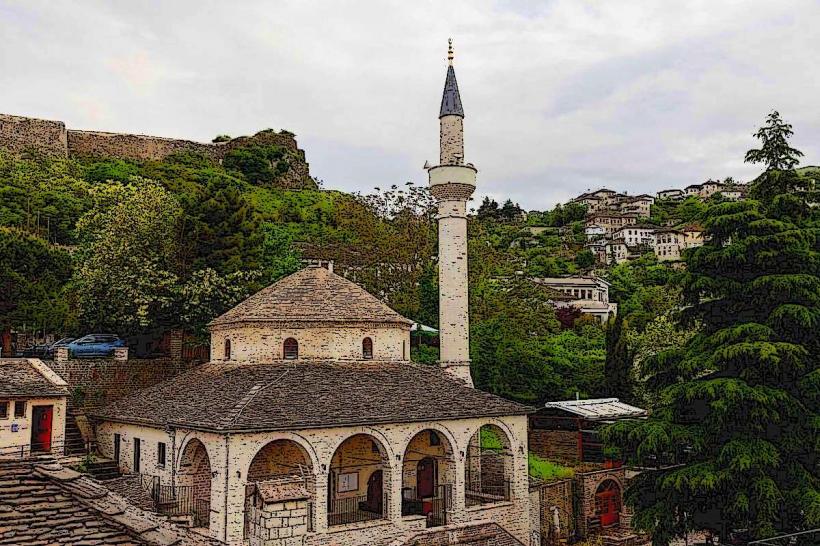
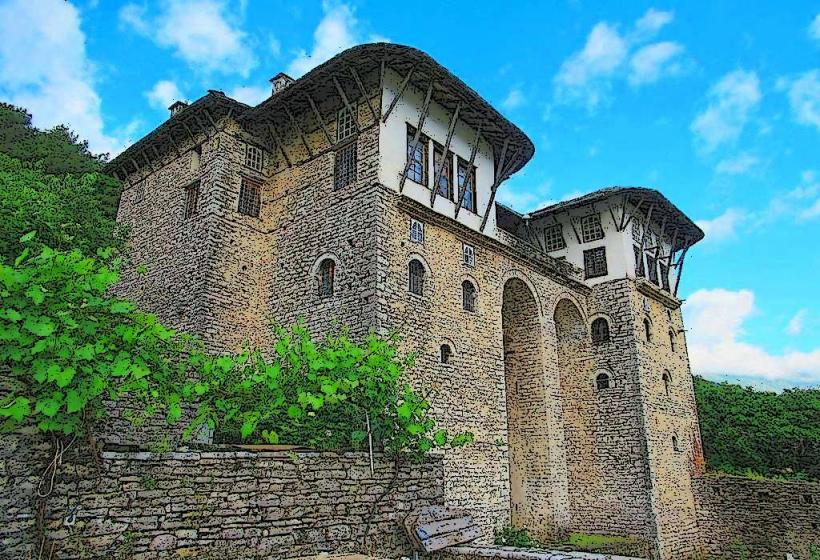
The church is a small, single-aisled stone building constructed with irregular limestone blocks and red-tiled roofing. It features a simplified dome and an arched entrance typical of the Despotate of Epirus period. The interior walls contain fragments of post-Byzantine frescoes, though many have suffered from long-term exposure and moisture. The structure is built directly into the limestone rock face, creating an integrated appearance with the surrounding cliff.
Location & Access Logistics
The site is situated on the eastern cliffside of the castle, high above the Drino Valley. Access is difficult, requiring a hike along narrow, unpaved goat paths that originate near the Cold War Tunnel entrance or the lower bazaar area. There is no vehicle access to the site. The trail is steep and involves navigating loose stones and natural rock steps; it takes approximately 20–30 minutes to reach from the Old Bazaar.
Historical & Ecological Origin
The church dates back to the late 13th century, during a period of significant Byzantine expansion in the region. It was built as a hermitage or a small monastic chapel, utilizing the natural seclusion of the castle’s eastern slopes. The site is located in a high-wind zone with minimal soil depth, surrounded by Mediterranean xerophytic vegetation.
Key Highlights & Activities
The primary activity is the hike to the site, which offers the most dramatic and unobstructed views of the Drino Valley and the mountain ranges to the east. Visitors can observe the exterior masonry and the surviving brickwork arches of the windows. The church interior is often inaccessible for conservation reasons, but the exterior platform serves as a destination for hikers and landscape photographers.
Infrastructure & Amenities
There is no modern infrastructure at the site. There are no restrooms, no water sources, and no food vendors. 5G cellular signal is strong due to the unobstructed line of sight to the valley towers, but there is no artificial lighting or signage. Shade is non-existent on the path and only provided by the church structure itself during certain times of the day.
Best Time to Visit
The best time for photography is during sunrise or early morning when the sun illuminates the eastern facade and the valley below. Avoid visiting during or after rain, as the rock paths become extremely slippery and hazardous. Summer visits should be planned for the earliest hours of the day to avoid heat stroke on the exposed ascent.
Facts & Legends
Local tradition suggests the church was used as a secret meeting place during times of conflict, as its position is virtually invisible from the castle ramparts above and the city streets below. A verified historical detail is the presence of an ancient cistern carved into the rock behind the church, which was designed to collect rainwater to sustain the resident monks.
Nearby Landmarks
Gjirokastër Castle: 0.2km West (vertical distance)
Cold War Tunnel: 0.4km Southwest
Old Bazaar (Qafa e Pazarit): 0.5km Southwest
Gjirokastër Obelisk: 0.6km Southwest
Drino River Valley: 1.5km East