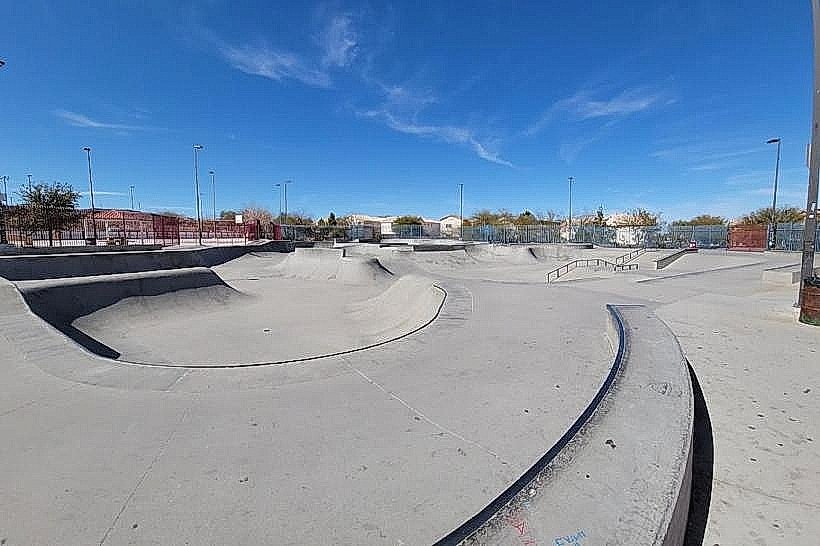
Information
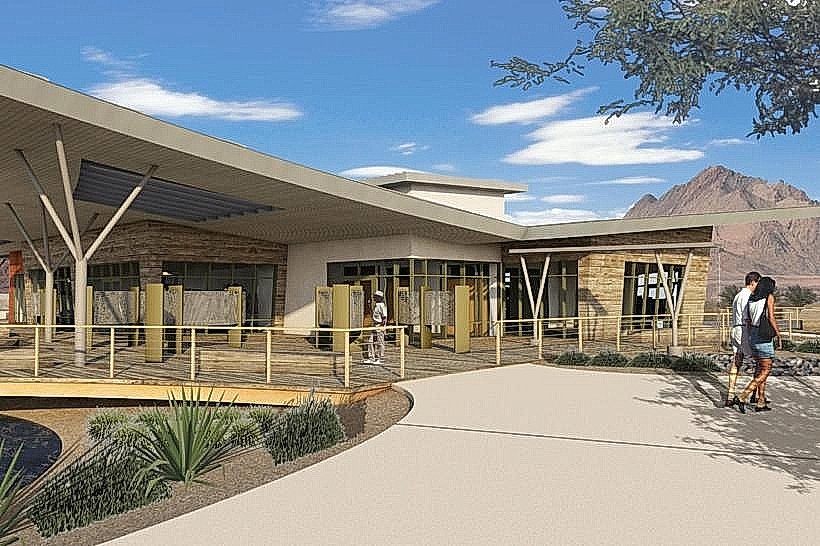
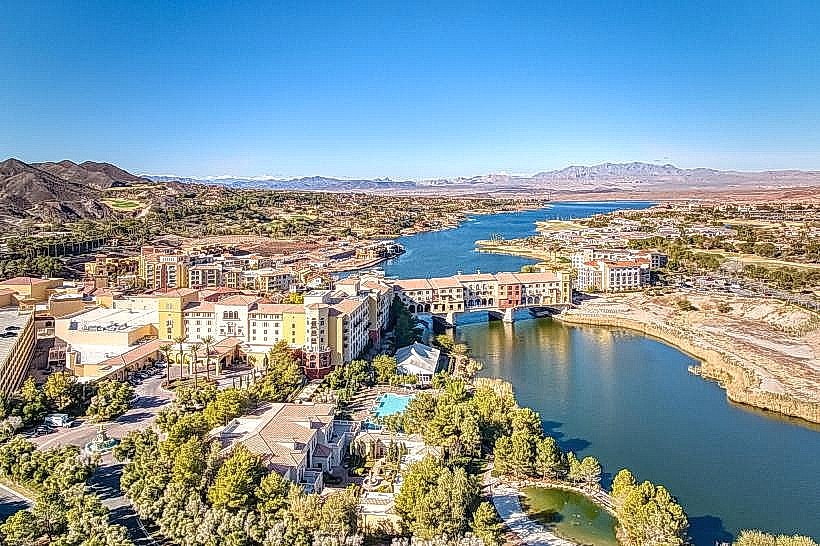
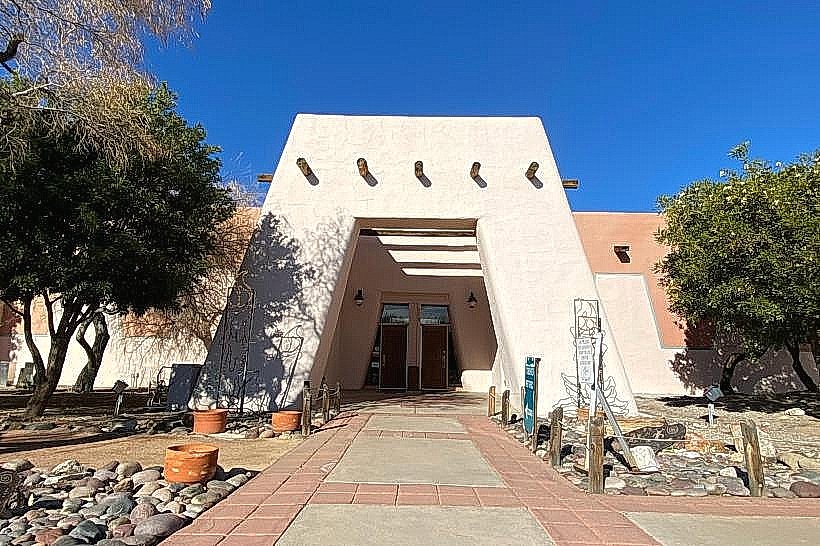
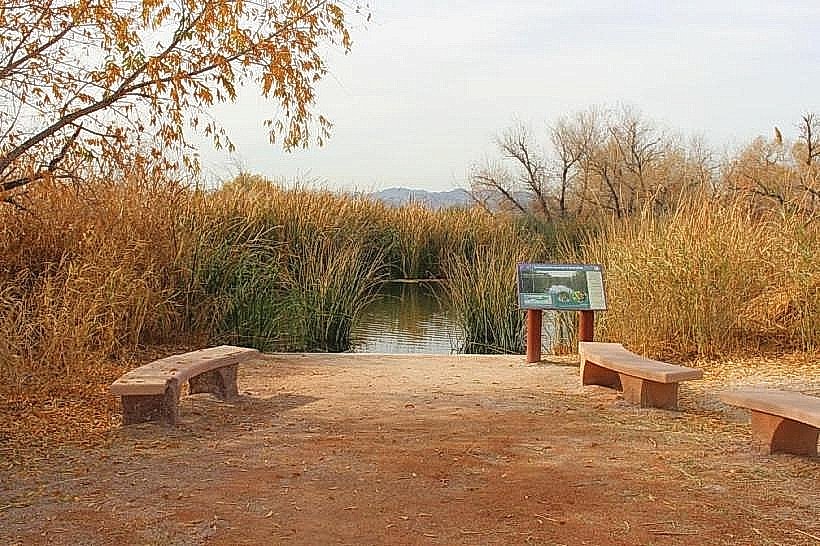
Landmark: Sloan Canyon National Conservation AreaCity: Henderson
Country: USA Nevada
Continent: North America
Sloan Canyon National Conservation Area, Henderson, USA Nevada, North America
Bathhouse Row is a collection of historic bathhouses located in Hot Springs, Arkansas, within Hot Springs National Park.
Visual Characteristics
The bathhouses are primarily constructed from brick and stone, with architectural styles ranging from Spanish Revival to Art Deco. Structures vary in height, generally two to four stories. Notable materials include limestone, sandstone, and terracotta detailing. Colors are predominantly earth tones, with accents of white and green on decorative elements.
Location & Access Logistics
Bathhouse Row is situated in downtown Hot Springs, Arkansas, along Central Avenue. It is approximately 0.5km west of the city center. Parking is available in designated lots and on-street metered parking along Central Avenue and adjacent streets. Public transportation options include the Hot Springs Transit System, with several bus routes serving the downtown area.
Historical & Ecological Origin
The bathhouses were constructed between the late 19th and early 20th centuries, with the earliest, the Army-Navy Bathhouse, dating to 1876. The original purpose was to harness and utilize the natural thermal springs for therapeutic bathing. The springs themselves are geothermally heated groundwater, emerging from the Ouachita Mountains.
Key Highlights & Activities
Visitors can tour the Fordyce Bathhouse, which serves as the park's visitor center and museum. Thermal water can be sampled at public fountains. Some bathhouses offer spa services, including thermal water baths and massages. Hiking trails are accessible from the northern end of Bathhouse Row, leading into Hot Springs National Park.
Infrastructure & Amenities
Restrooms are available within the Fordyce Bathhouse and other operational facilities. Shade is provided by trees along the promenade and within the bathhouse interiors. Cell phone signal (4G/5G) is generally available in the downtown area. Food vendors and restaurants are located along Central Avenue adjacent to Bathhouse Row.
Best Time to Visit
The best time of day for photography is generally mid-morning or late afternoon when sunlight provides optimal illumination of the architectural details. The best months for weather are April through October, offering mild temperatures. No specific tide requirements apply.
Facts & Legends
The water from the springs is naturally heated and filtered through underground rock formations, emerging at temperatures between 104°F and 115°F (40°C and 46°C). A local legend suggests that the waters possess healing properties attributed to minerals absorbed from the earth.
Nearby Landmarks
- Hot Springs National Park Visitor Center (Fordyce Bathhouse) - 0.1km North
- Superior Bathhouse Brewery - 0.2km North
- Buckstaff Bathhouse - 0.3km North
- Quapaw Baths & Spa - 0.4km North
- Garvan Woodland Gardens - 5km Southeast