Information
Landmark: St. Sophia CathedralCity: Nicosia
Country: Cyprus
Continent: Europe
St. Sophia Cathedral, Nicosia, Cyprus, Europe
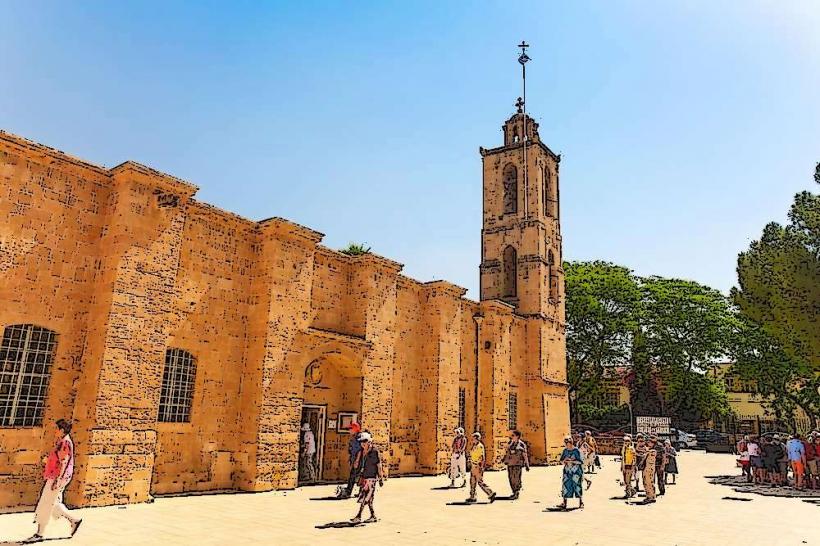
St. Sophia Cathedral, also known as Agia Sofia in Greek, is one of the most significant historical and architectural landmarks in Nicosia, Cyprus. It holds a key place in the island's religious and cultural heritage, both as a symbol of the island's Byzantine past and its medieval history. The cathedral is renowned for its historical transformation and its architectural beauty, making it one of the most visited sites in the city.
Historical Background
St. Sophia Cathedral was originally built as a Roman Catholic cathedral during the period of Frankish rule on the island, specifically under the reign of the Lusignan dynasty (1192-1474). The cathedral was constructed to serve as the seat of the Latin Archbishop of Cyprus, and it was a central element of the island's ecclesiastical and political life during the medieval period.
The Construction
The construction of St. Sophia Cathedral began around 1209, during the reign of King Henry II of Cyprus, and was completed in the following decades. It was designed in the Gothic architectural style, a style that was highly popular in medieval Europe, particularly in France. The cathedral was intended to be a grand and imposing structure, symbolizing the power and influence of the Lusignan rulers of Cyprus and their connection to the Roman Catholic Church.
Gothic Architecture: St. Sophia Cathedral is a fine example of Gothic architecture in the Mediterranean, with its soaring pointed arches, ribbed vaults, and flying buttresses. These architectural elements were meant to create an impression of height and lightness, as well as to support the large and intricate stained glass windows.
Size and Layout: The cathedral was built as a Latin cross in plan, with a long nave, transepts, and a high altar. The central nave is flanked by aisles, and the building features large clerestory windows to allow light to flood into the interior.
Transformation into a Mosque
After the Ottoman conquest of Cyprus in 1571, the cathedral underwent a major transformation. The Ottomans, who were Muslim by faith, repurposed the cathedral into a mosque, renaming it the Selimiye Mosque (named after the Ottoman Sultan Selim II).
The Conversion
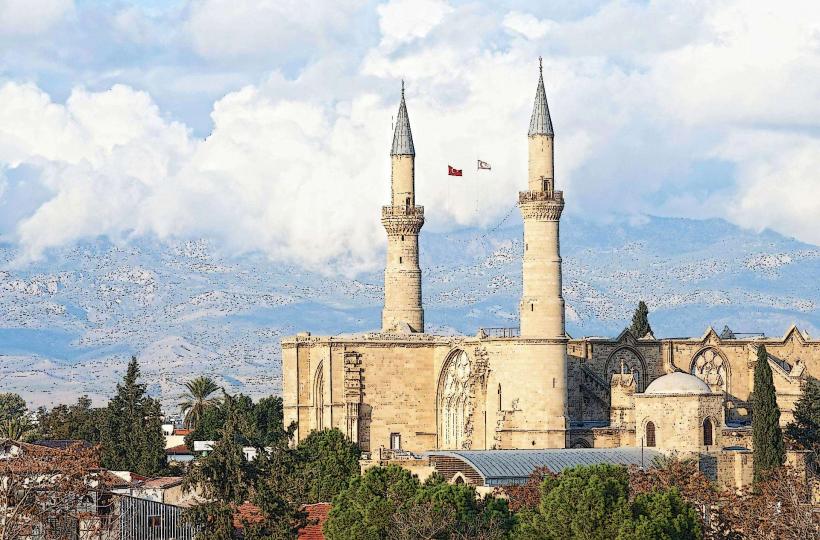
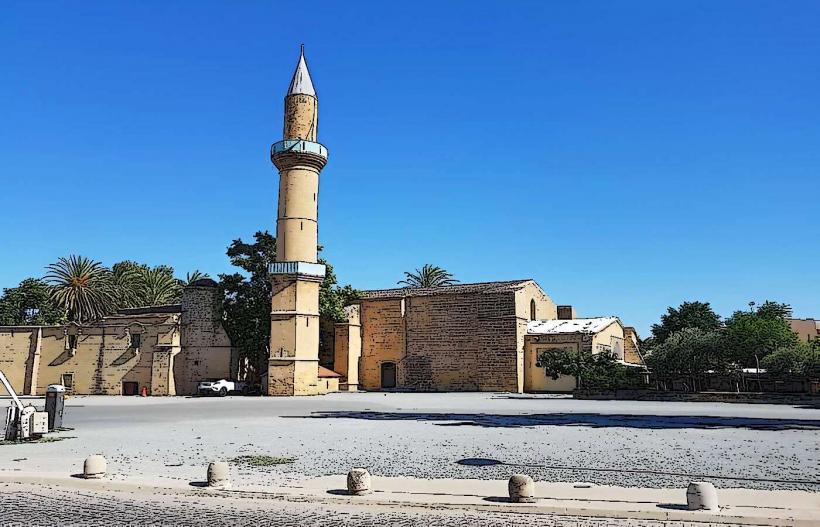
Minaret: One of the most noticeable changes made to the cathedral during its conversion to a mosque was the addition of a minaret. The tall, slender tower, characteristic of Ottoman mosque architecture, was constructed to provide the call to prayer for the Muslim community in Nicosia.
Interior Modifications: While much of the cathedral’s structure remained intact, the interior underwent significant changes to accommodate the needs of the mosque. Islamic features were added, including a mihrab (the niche indicating the direction of Mecca), mimber (the pulpit from which the imam delivers sermons), and partition walls to separate the male and female prayer areas.
Preservation of Christian Elements: Some of the cathedral’s original Gothic elements, including stained-glass windows, sculpted arches, and frescoes, were preserved under Ottoman rule, though many were later covered or damaged. Despite these changes, St. Sophia Cathedral (now the Selimiye Mosque) remains one of the best examples of how religious and cultural practices can influence architectural monuments over time.
Architectural Features
Despite its conversion into a mosque, St. Sophia Cathedral retains many of the distinctive architectural features of its Gothic origins.
Gothic Facade: The cathedral’s exterior is a striking example of Gothic style, with pointed arches, flying buttresses, and a central rose window. The grandeur of the exterior makes it clear that it was designed to be one of the most impressive buildings in medieval Nicosia.
Interior: The interior of the Selimiye Mosque is equally impressive. The vaulted ceilings and expansive space inside the cathedral give it a sense of openness. The nave and aisles are lined with pillars and arches, creating a grand and sacred space. The mosque’s minbar and mihrab are located at the eastern end of the building, in the traditional direction towards Mecca.
Stained Glass Windows: Some of the original stained glass windows have been preserved, though many were damaged or removed during the mosque's conversion. These windows, originally designed to tell biblical stories, are now a rare and beautiful reminder of the cathedral’s Christian past.
Carved Stonework: The fine stone carvings on the columns and arches of the cathedral are a remarkable example of medieval craftsmanship. Many of these carvings depict biblical scenes and saints, a testimony to the religious significance of the building during its time as a cathedral.
Role in Modern Nicosia
Today, St. Sophia Cathedral (Selimiye Mosque) is a key part of Nicosia’s cultural and religious landscape. Its role as a mosque continues, with daily prayers taking place, but it is also a symbol of Nicosia’s complex history and the cultural exchange between Christianity and Islam.
Religious and Cultural Significance
The cathedral/mosque serves as a significant reminder of Cyprus's history under both Frankish and Ottoman rule, and the city of Nicosia’s role as a divided city. The Selimiye Mosque is especially important for the Turkish Cypriot community, where it functions as the primary mosque in the city. For Greek Cypriots, however, the building remains a cherished symbol of the Christian heritage that once defined the island.
Symbol of Cultural Heritage: The mosque’s dual heritage – as a former cathedral and current mosque – highlights the diverse cultural and religious influences that have shaped Cyprus’s history. This building stands as an architectural reminder of the island’s changing religious and political landscapes.
Tourism and Education: The Selimiye Mosque is a popular tourist attraction, particularly for visitors interested in the history of medieval Cyprus, as well as the ongoing dialogue between different cultures and religions. It offers educational opportunities for understanding the historical transitions in Cypriot architecture, religion, and society.
Location and Accessibility
The Selimiye Mosque is located in the Turkish-controlled area of Nicosia, within the walls of the Old City. It is one of the most prominent landmarks in the city, making it easily accessible for visitors exploring the historical sites of Nicosia.
Opening Hours: As a working mosque, it is generally open for prayer times, with visiting hours for tourists typically limited to specific times when prayers are not taking place. Visitors can also take guided tours to learn more about the mosque’s history and significance.
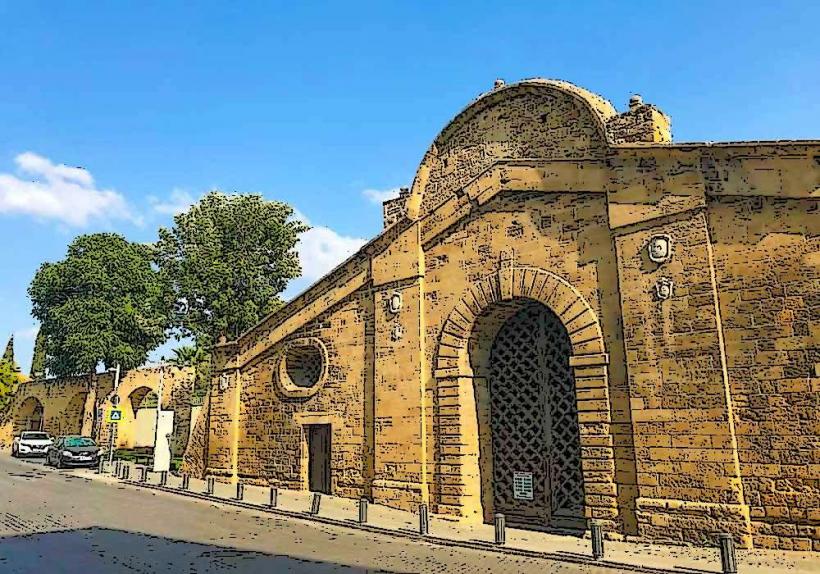
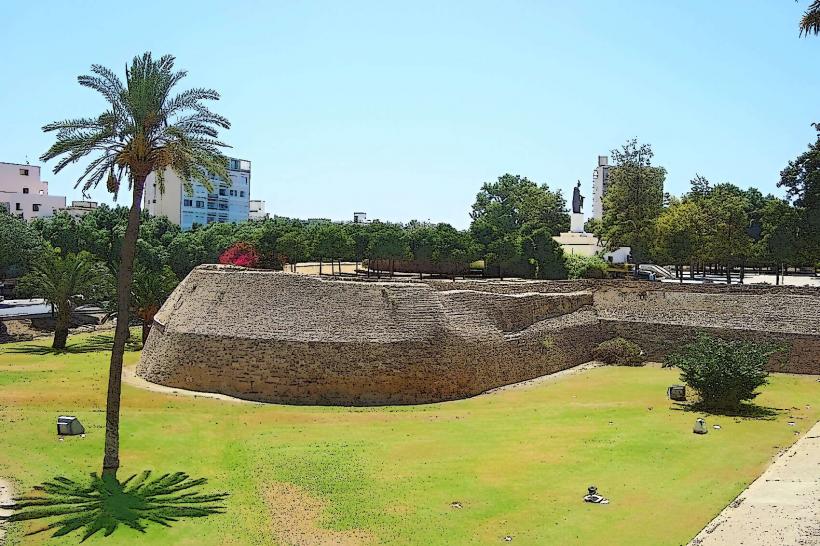
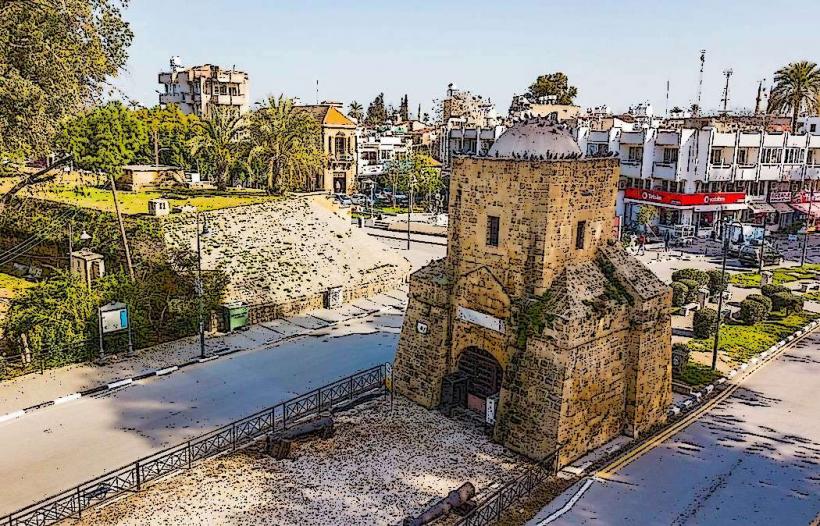
Nearby Attractions: The mosque is close to several other important landmarks in Nicosia, including the Kyrenia Gate, Buyuk Han, and Venetian Walls, making it a key stop on a historical tour of the city.
Conclusion
St. Sophia Cathedral (Selimiye Mosque) is a striking monument to the rich and complex history of Cyprus. As a Gothic cathedral turned Ottoman mosque, it reflects the cultural and religious transformations that have shaped the island over centuries. Its architectural beauty, historical significance, and symbolic role in the divided city of Nicosia make it one of the most important landmarks in Cyprus, attracting visitors from around the world to explore its fascinating history and unique heritage.