Information
Landmark: Stellenbosch Wine EstatesCity: Stellenbosch
Country: South Africa
Continent: Africa
Stellenbosch Wine Estates, Stellenbosch, South Africa, Africa
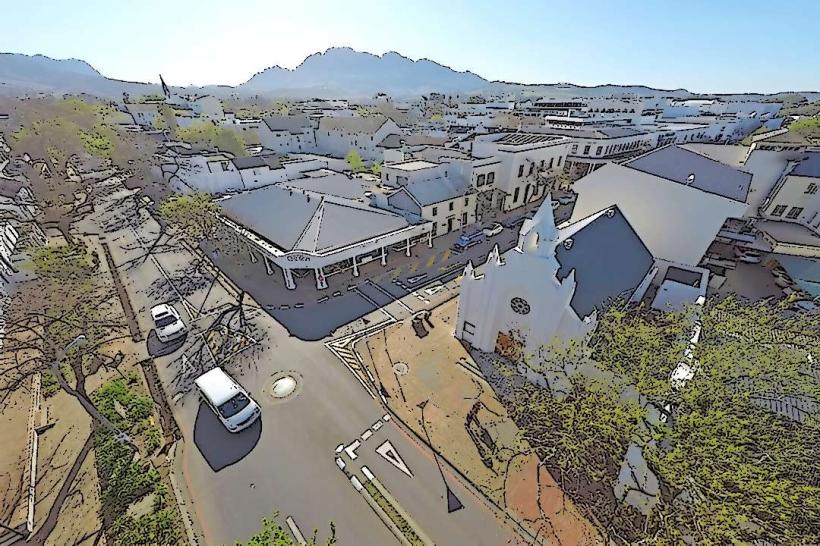
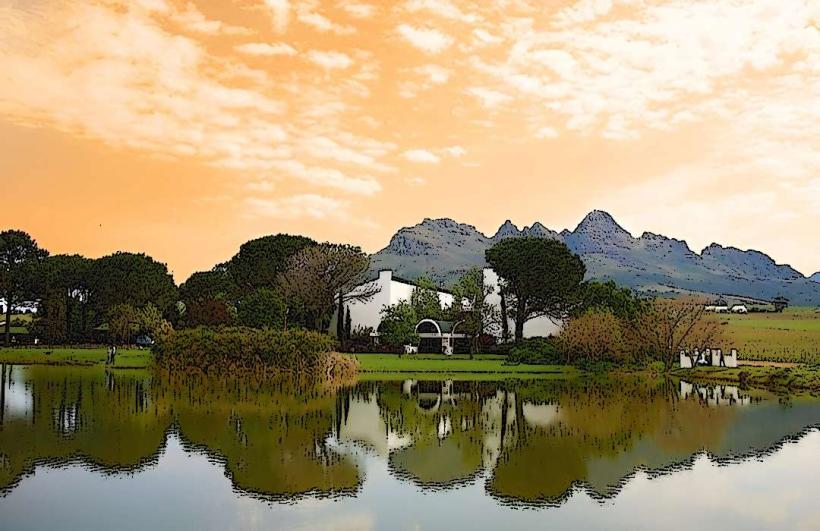
Stellenbosch Wine Estates refers to a collection of vineyards and wineries situated in and around the city of Stellenbosch, Western Cape, South Africa.
Visual Characteristics
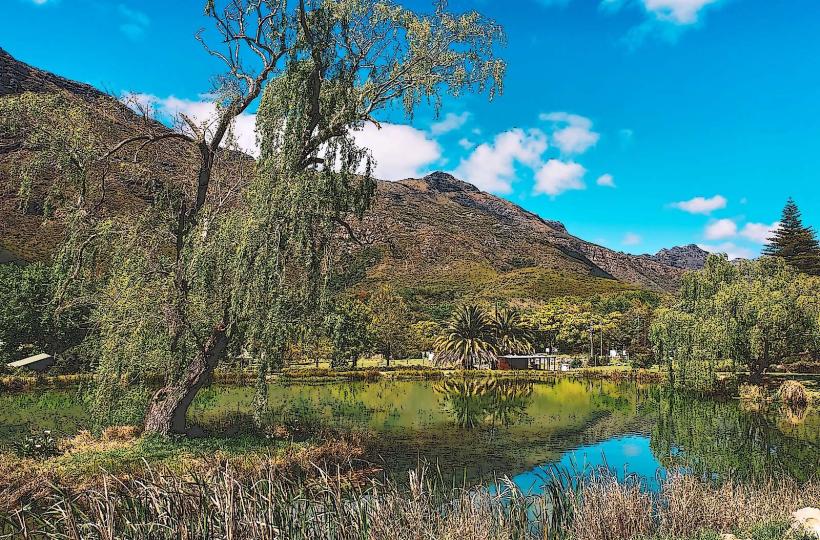
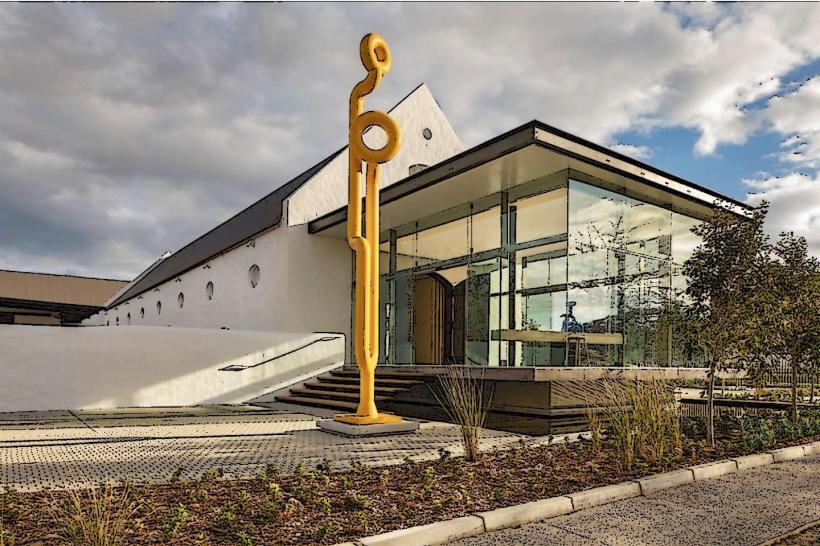
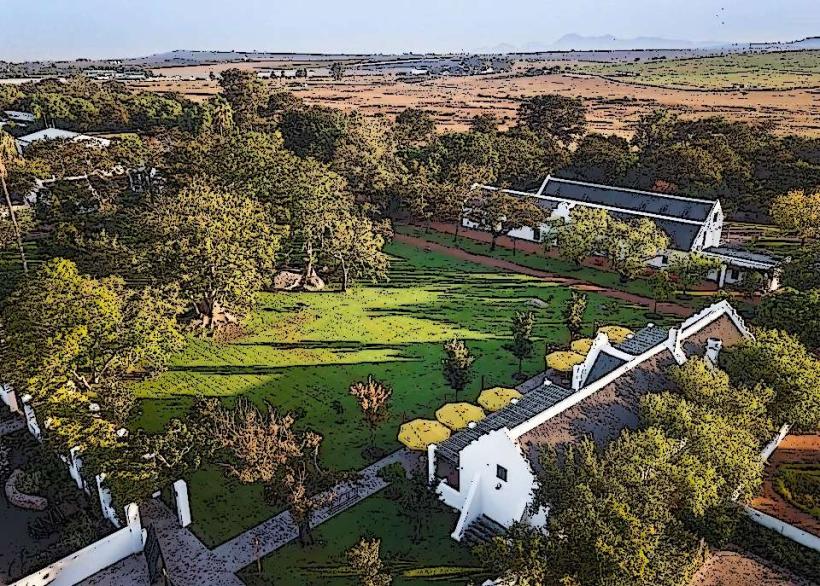
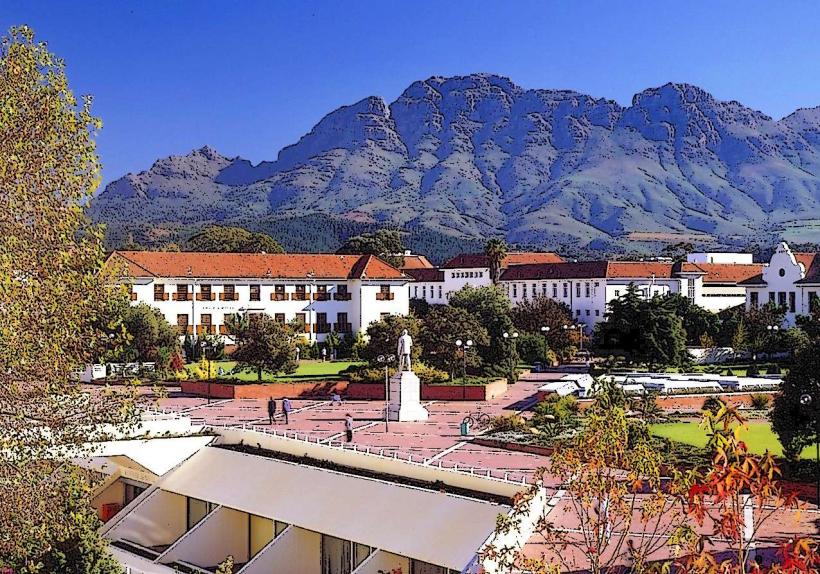
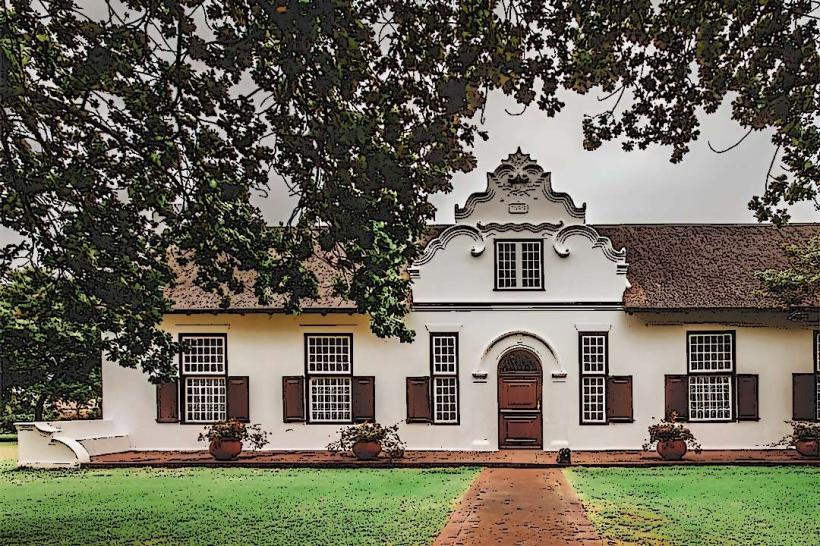
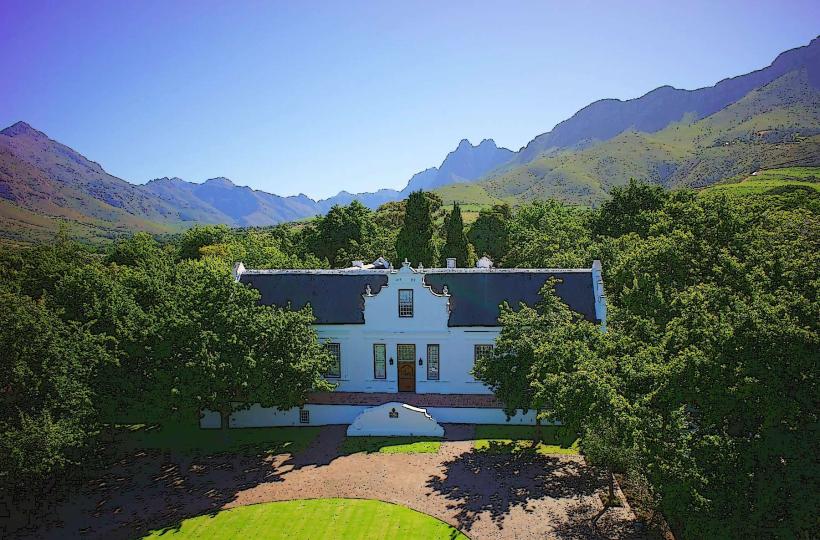
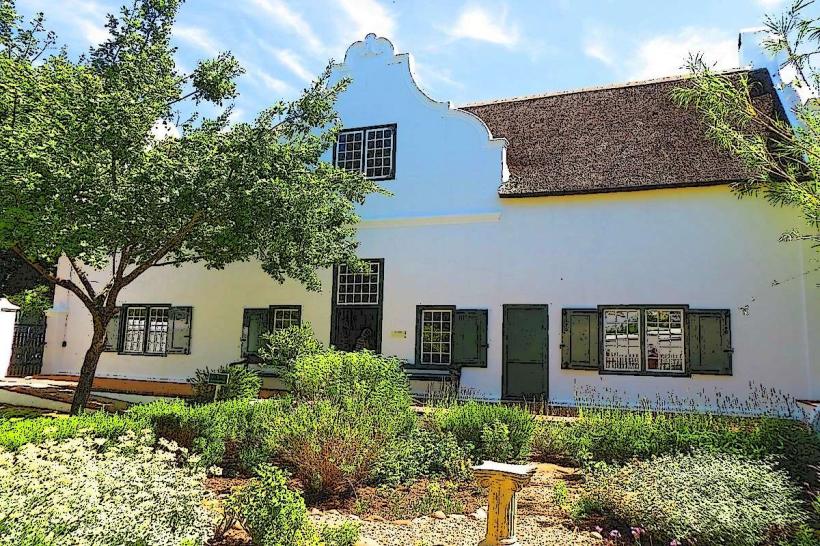
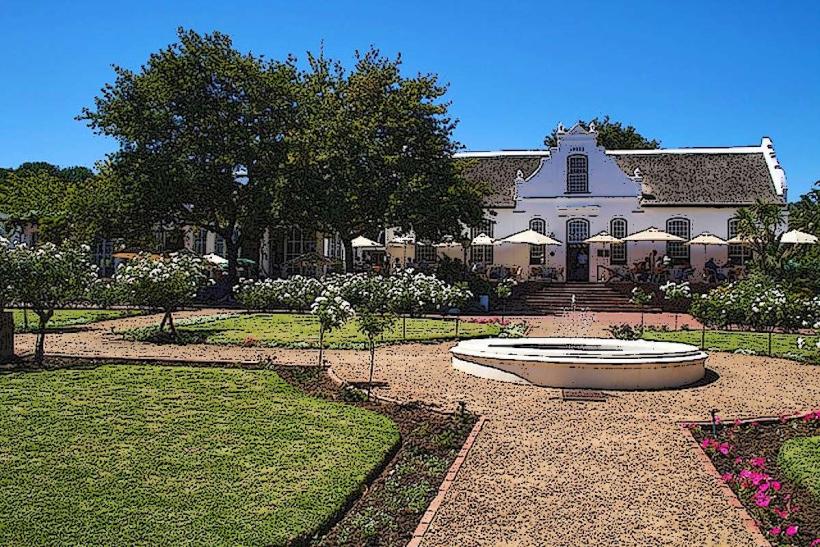
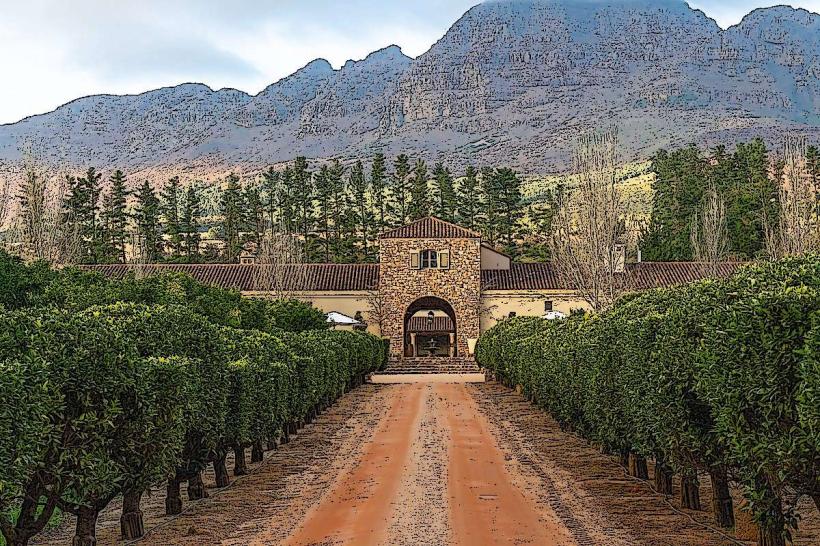
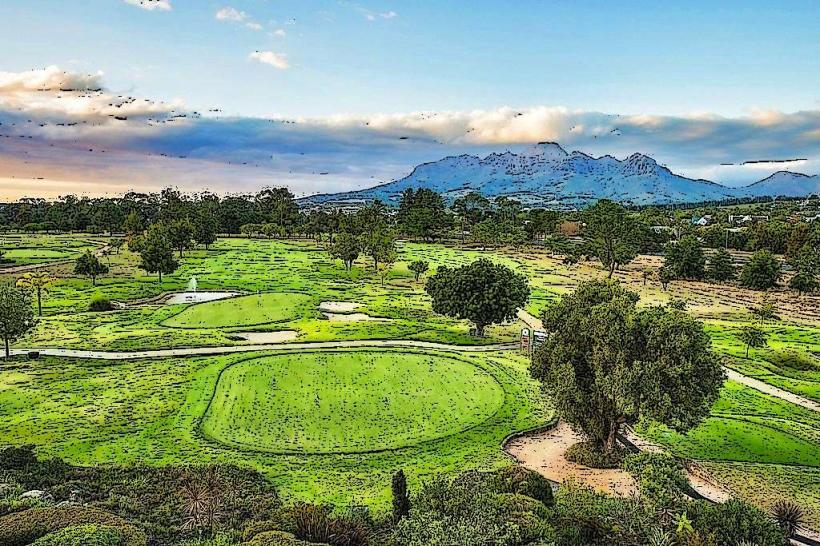
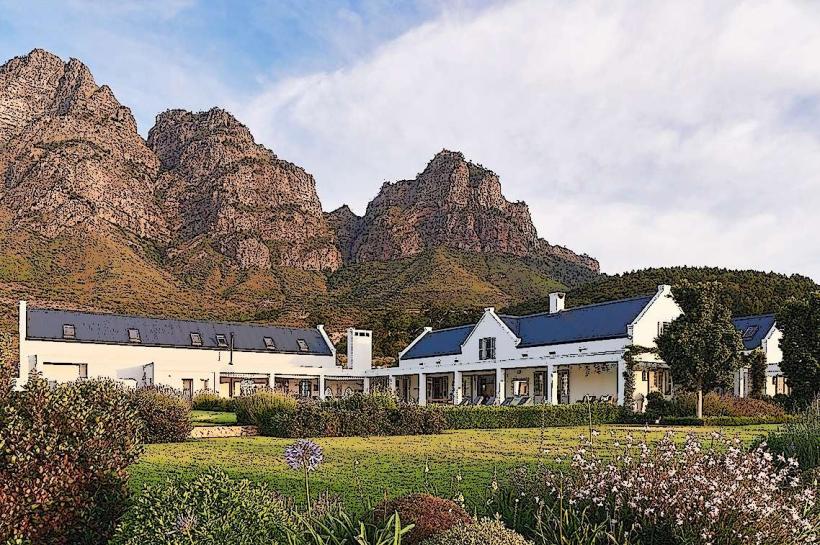
These estates typically feature manicured vineyards with rows of grapevines, often interspersed with oak trees. Winery buildings vary in style, from traditional Cape Dutch architecture with whitewashed walls and thatched roofs to modern, minimalist structures. Cellars are often constructed from stone or brick, with some featuring underground aging rooms. The landscape is characterized by rolling hills and mountains, with soil types varying from sandy loam to clay.
Location & Access Logistics
Stellenbosch is located approximately 50 kilometers east of Cape Town. Access is primarily via the N2 highway, then taking the R310 exit towards Stellenbosch. Many estates are located along this route or on smaller roads branching off it, such as Dorp Street and Adam Tas Road. Ample parking is generally available at individual estates. Public transport options to Stellenbosch city center include MyCiTi bus services and intercity trains. From Stellenbosch, local taxis or ride-sharing services are recommended for reaching specific estates.
Historical & Ecological Origin
The origins of winemaking in Stellenbosch date back to the late 17th century, with the establishment of the town in 1679 by Governor Simon van der Stel. The fertile soil and Mediterranean climate proved ideal for viticulture. The region's geological history involves ancient bedrock formations and alluvial deposits, contributing to diverse terroir. The dominant vegetation consists of cultivated grapevines, complemented by indigenous fynbos in surrounding natural areas.
Key Highlights & Activities
Activities include wine tasting sessions, cellar tours detailing the winemaking process, and vineyard walks. Some estates offer guided tastings paired with cheese or chocolate. Many estates have on-site restaurants serving local cuisine. Harvest activities may be available during the grape harvesting season (typically February to April).
Infrastructure & Amenities
Most established wine estates provide restrooms, shaded seating areas, and on-site restaurants or cafes. Cell phone signal (4G/5G) is generally reliable across the region. Food vendors are typically located within the estate restaurants rather than as separate stalls.
Best Time to Visit
The best months for visiting are from September to May, coinciding with the warmer, drier season. For photography, early morning or late afternoon light offers optimal conditions for vineyard landscapes. Wine tasting and dining are available year-round, though vineyard aesthetics are most pronounced during the growing season (spring and summer).
Facts & Legends
A notable historical fact is that Stellenbosch is home to the oldest wine-producing farm in South Africa, Groot Constantia, though it is located in the Constantia Valley, Stellenbosch's historical influence is undeniable. A local legend speaks of the "Spookhuis" (Ghost House) on a particular estate, said to be haunted by the spirit of a former owner.
Nearby Landmarks
- Jonkershoek Nature Reserve (3km East)
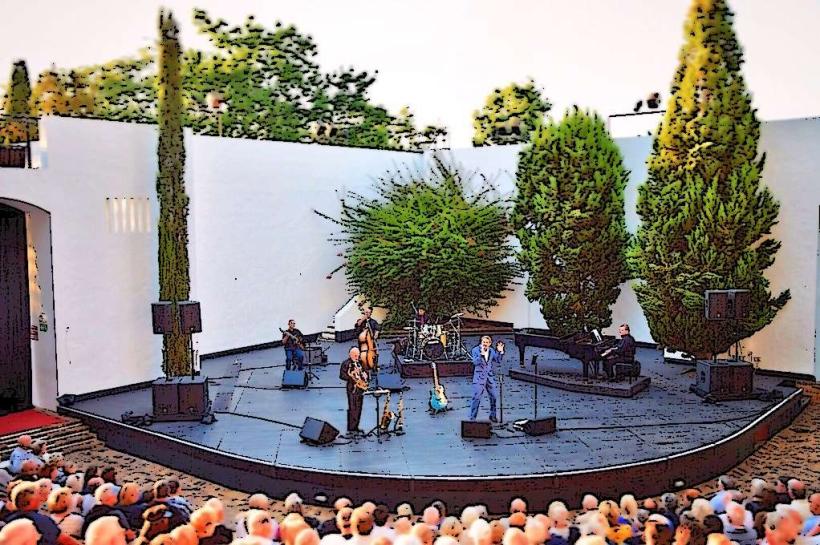
- Oude Libertas Amphitheatre (2km West)
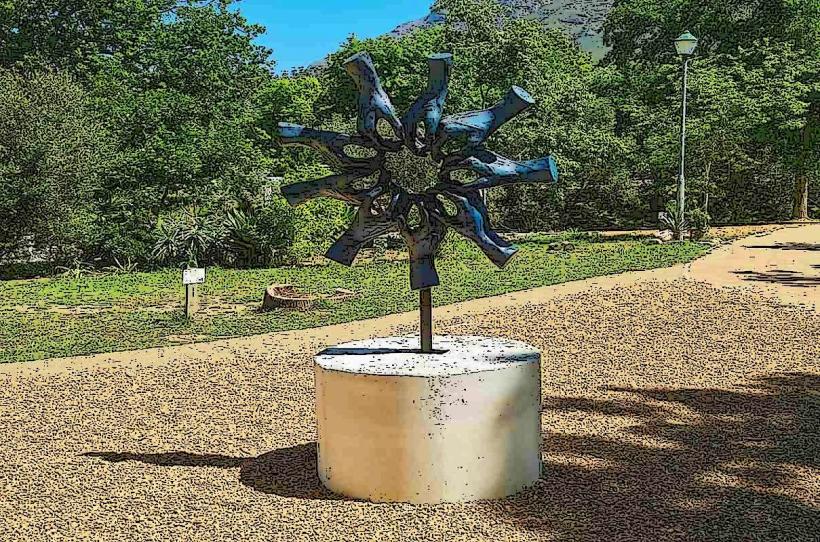
- Dylan Lewis Sculpture Garden (4km South)
- Simonsberg Mountain (5km North-East)
- Spier Wine Farm (6km West)