Information
City: StellenboschCountry: South Africa
Continent: Africa
Stellenbosch, South Africa, Africa
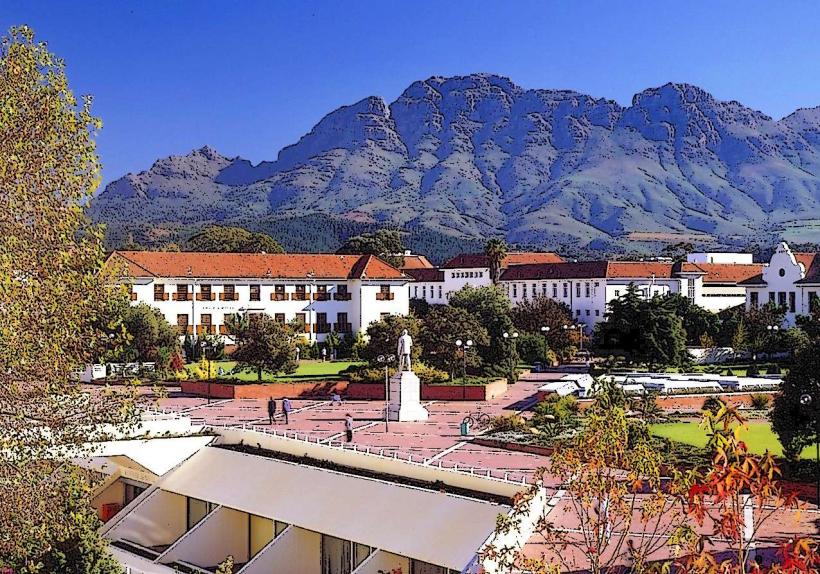
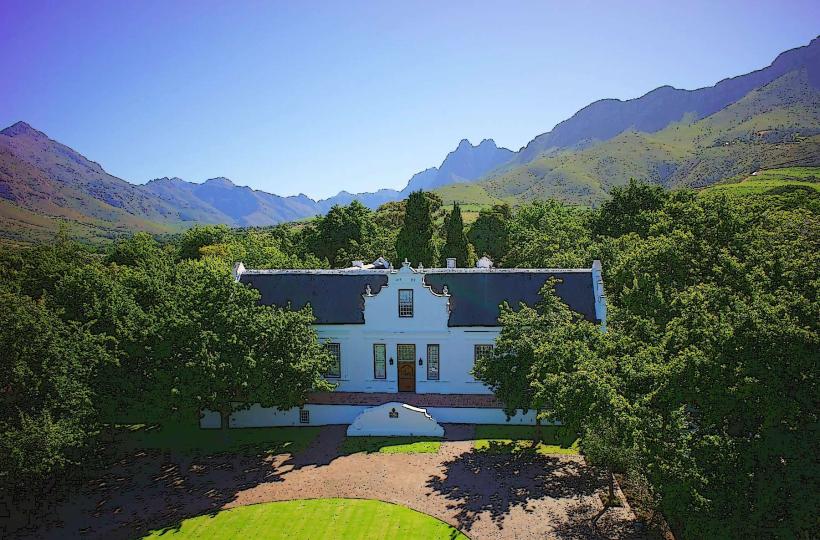
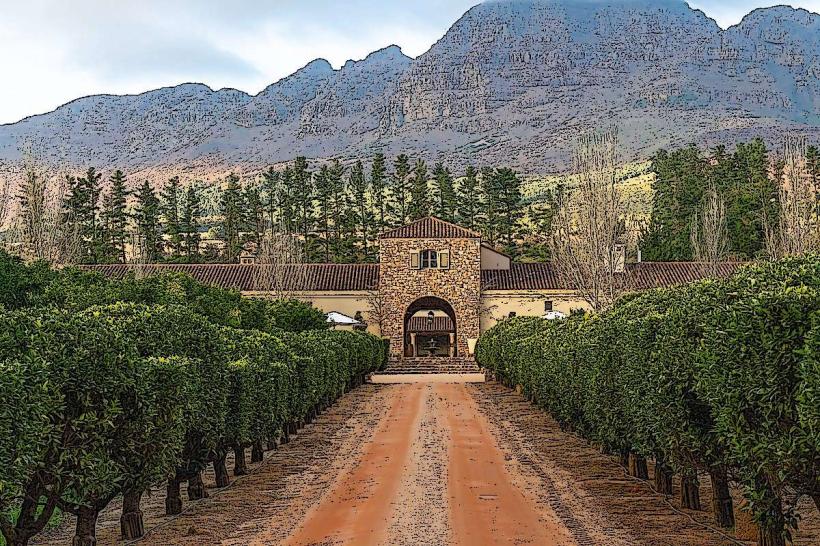
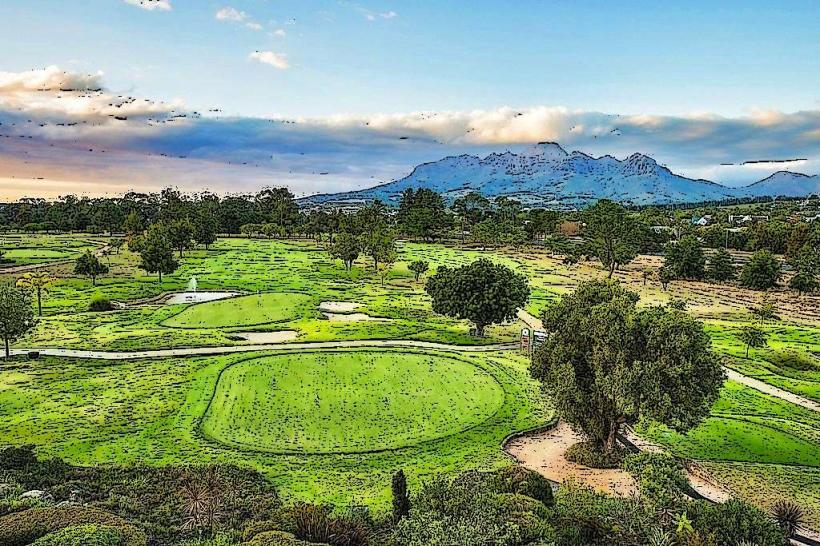
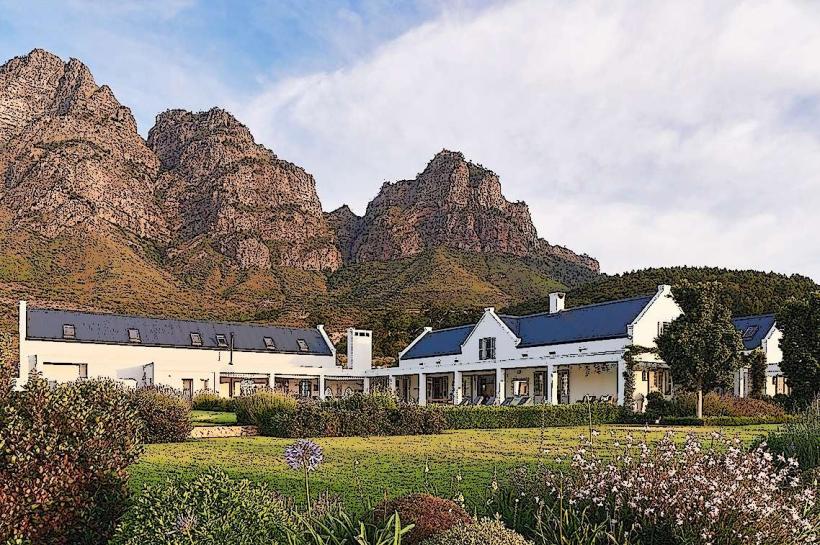
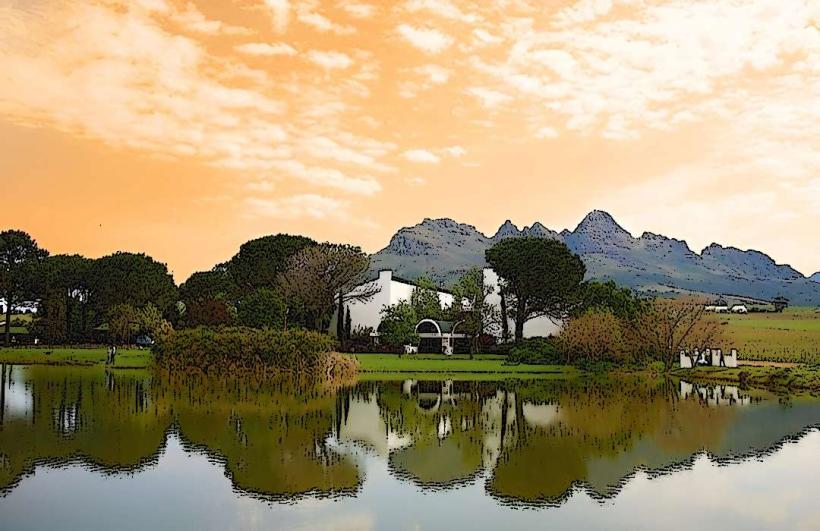
Stellenbosch serves as the primary academic and viticultural hub of the Western Cape. It is situated in the Eerste River valley, approximately 50 kilometers east of Cape Town, framed by the Stellenbosch, Jonkershoek, and Simonsberg mountains.
Historical Timeline
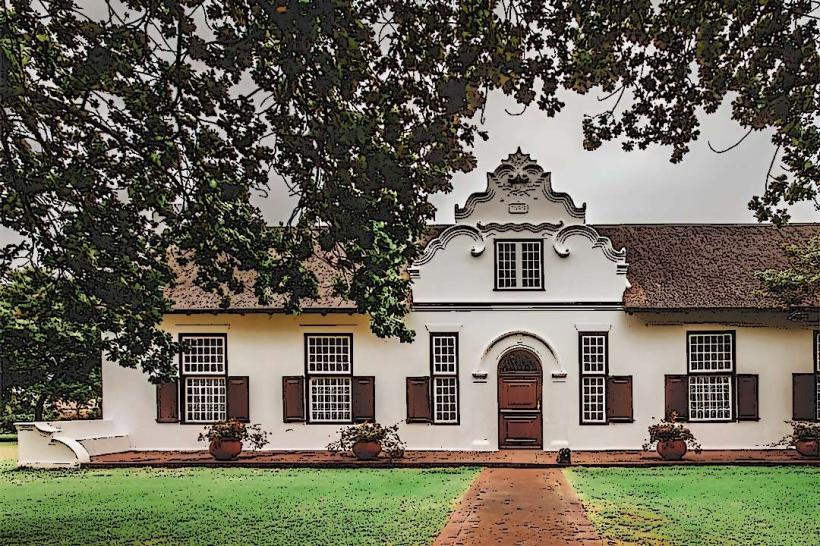
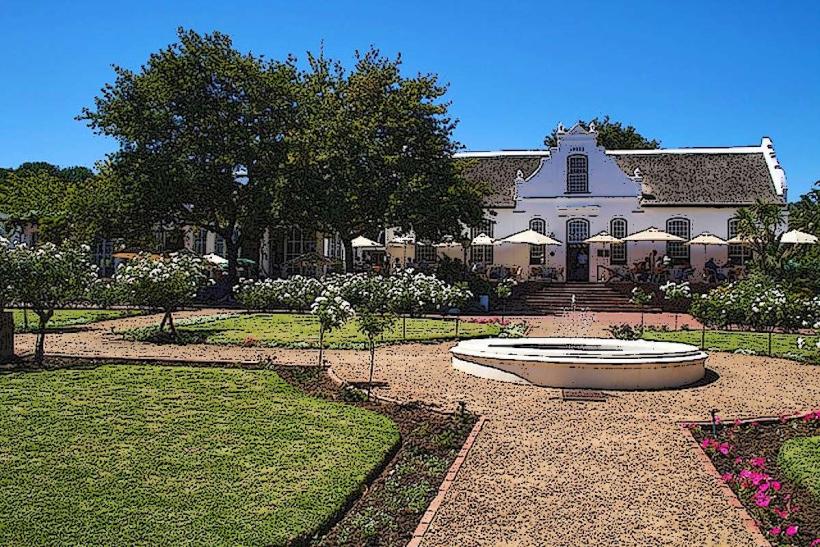
Stellenbosch was founded in 1679 by Simon van der Stel, making it the second-oldest European settlement in South Africa. It functioned as a key agricultural outpost for the Dutch East India Company (VOC). The town’s current urban form was dictated by three major fires (1710, 1763, and 1803), which led to the transition from thatched-roof cottages to the iconic double-story Cape Dutch and Victorian architecture seen today. The 1918 establishment of Stellenbosch University is the primary event that transformed the town from a rural village into a global center for research and education.
Demographics & Population
The broader municipal population is approximately 200,000 residents as of 2026. The demographic is roughly 52% Coloured, 28% Black African, and 18% White. The town is dominated by a student population of over 30,000, resulting in a median age of approximately 26 years.
Urban Layout & Key Districts
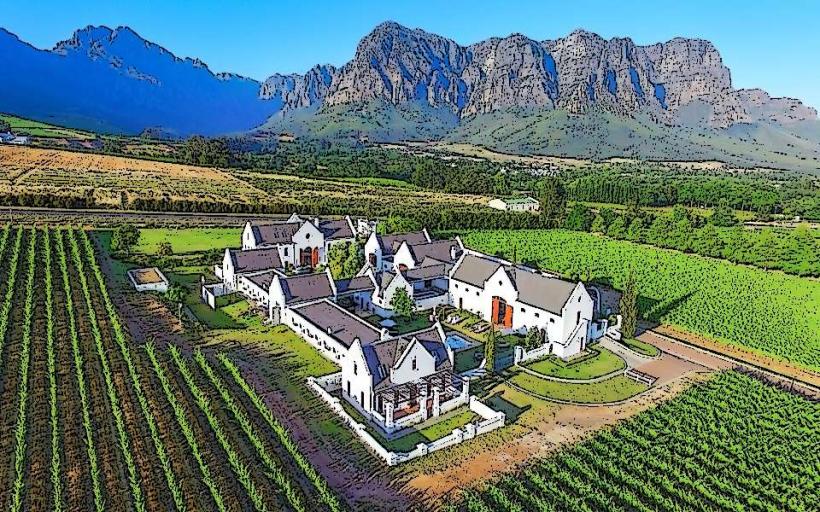
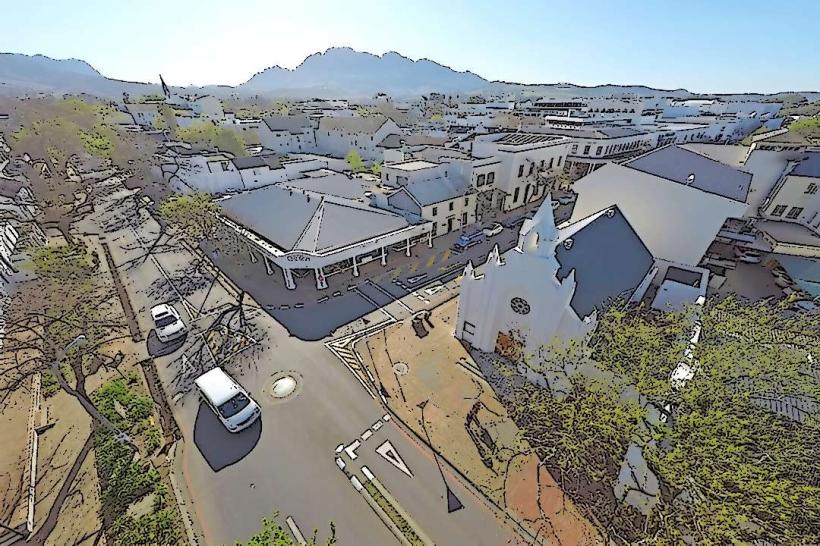
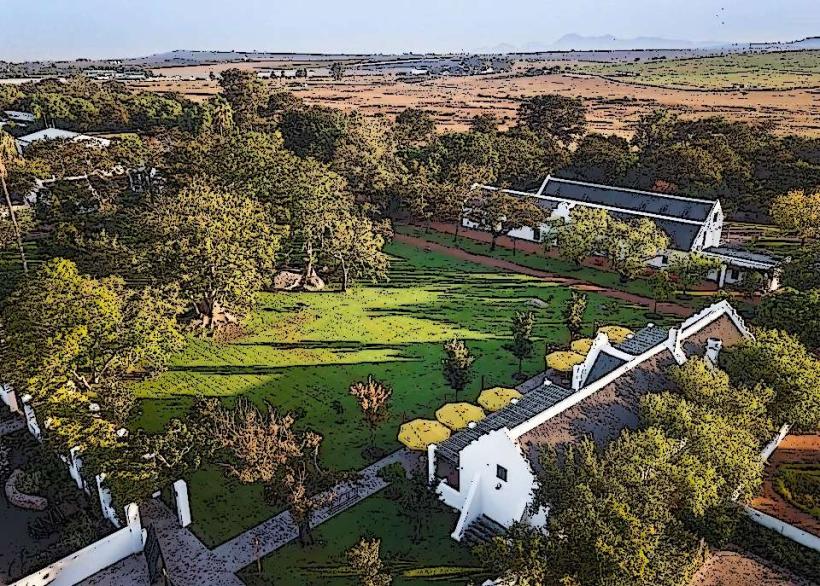
The city is organized around a historical grid centered on the "Braak" (village green). The CBD (Central) contains the primary concentration of heritage sites and restaurants. Die Vlakte is the historically diverse neighborhood adjacent to the center. Kayamandi (Northwest) is the primary township district. The University Campus (East) is integrated directly into the town fabric, while the surrounding Winelands (Rural) consist of over 150 wine estates.
Top City Landmarks
The Braak (Village Green)
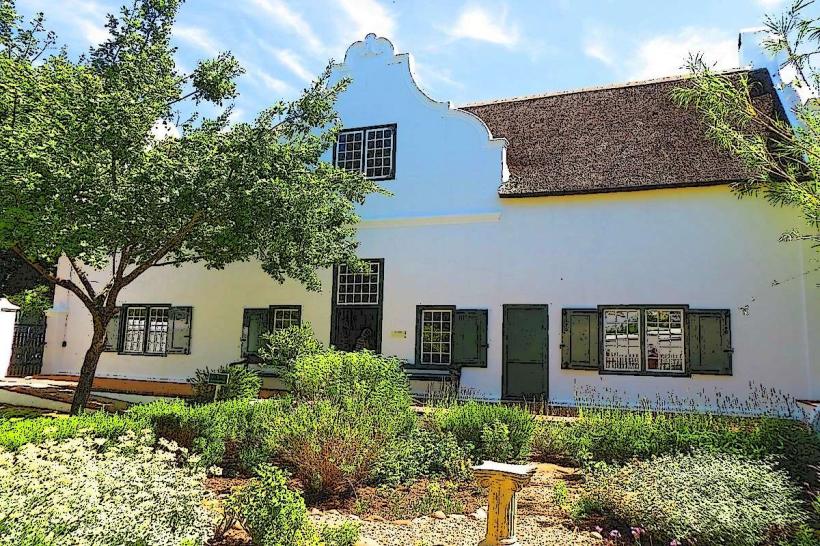
Village Museum (Dorp Street - four restored period houses)
Moederkerk (Dutch Reformed Mother Church)
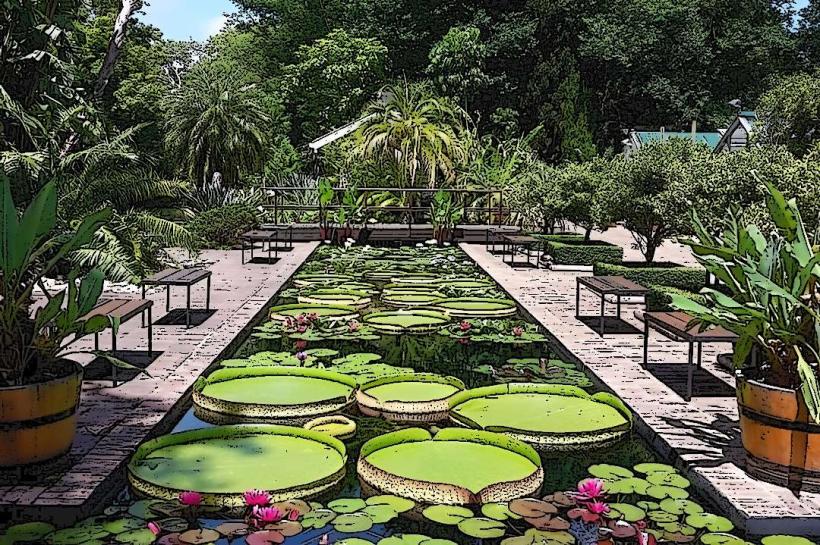
Stellenbosch University Botanical Garden (Neethling Street)
Dorp Street (The oldest residential street in South Africa)
Transportation Network
Internal movement is largely pedestrian-based within the central core. There is no metro or tram system. Minibus taxis serve the surrounding townships. Uber and Bolt are the primary ride-sharing apps and are highly recommended for transit between wine estates. Traffic density is extreme on the R44 and Adam Tas Road during peak university hours (07:30–09:00 and 16:30–18:00).
Safety & "Red Zones"
Stellenbosch is safer than most South African cities but requires standard vigilance. Avoid walking alone at night in the CBD and on the university periphery. Kayamandi and Cloetesville are "red zones" for independent travel. Common scams involve "card swapping" at street ATMs and aggressive panhandling near restaurant clusters. Avoid displaying high-value electronics while walking.
Digital & Financial Infrastructure
Average fixed fiber internet speeds range from 50 to 100 Mbps. Main carriers are Vodacom, MTN, and Telkom. Card acceptance is 100% in formal retail and estates; contactless payments are standard. ATMs are ubiquitous in malls (Eikestad Mall) and banks; users should avoid using outdoor street-side ATMs after hours.
Climate & Air Quality
The town has a Mediterranean climate. Temperatures range from 7°C to 18°C in winter (June–August) and 16°C to 32°C in summer (December–March). Air quality is exceptionally high. The primary weather risks are the "Cape Doctor" wind (strong southeasterly) and winter flooding of the Eerste River.
Culture & Social Norms
Social standards are centered on wine culture and academia. Tipping of 10–15% is standard in restaurants. Handshakes are the standard greeting; Afrikaans is widely spoken alongside English. Dress code is "Winelands Chic" (smart-casual). Alcohol is central to social life, but drinking in public streets is prohibited. Smoking is banned in all indoor public spaces.
Accommodation Zones
Town Center: Stay here for walking access to museums, restaurants, and the university.
Wine Estates (R44/Blaauwklippen): Stay here for a luxury retreat experience and vineyard views.
Local Cost Index
1 Espresso: 35 ZAR ($1.85)
1 Standard Lunch: 190 ZAR ($10.05)
1 Wine Tasting: 85–150 ZAR ($4.50–$8.00)
Nearby Day Trips
Franschhoek (Wine Tram): 30 km (30 minutes)
Strand Beach: 20 km (25 minutes)
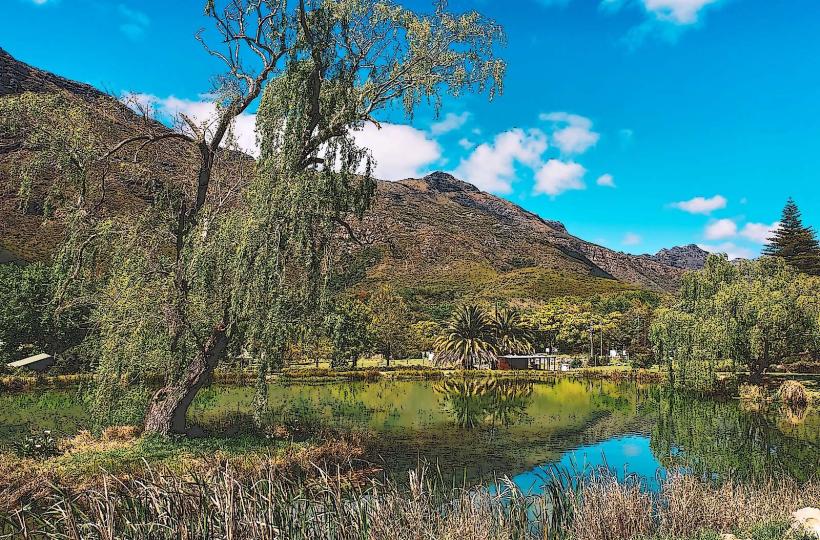
Jonkershoek Nature Reserve: 10 km (15 minutes)
Cape Town CBD: 50 km (50 minutes)
Facts & Legends
A verified historical oddity is that the town’s "Mill Stream" (leiwater) system still flows through open furrows in the streets, originally used for irrigation and now a protected heritage feature. A prominent local legend involves the "Angel Factory," an old warehouse where a local artisan once claimed to have trapped spirits to help with his woodwork. The town is also home to the "Remounting Station" legend, as it served as the primary supply center for over 200,000 horses used by British forces during the Anglo-Boer War.