Information
Landmark: Stutsman County CourthouseCity: Jamestown ND
Country: USA North Dakota
Continent: North America
Stutsman County Courthouse, Jamestown ND, USA North Dakota, North America
Historical Significance
Standing proudly in the center of Jamestown, the Stutsman County Courthouse is one of North Dakota’s finest architectural landmarks and the oldest surviving courthouse in the state. Completed in 1883, before North Dakota even gained statehood, the building has witnessed more than a century of political, social, and cultural transformation. It remains a striking example of late 19th-century civic architecture-solid, dignified, and richly detailed-symbolizing both the optimism and permanence of early settlers who envisioned a lasting future on the plains.
Architecture and Design
The courthouse is a masterpiece of Victorian Gothic and Romanesque Revival design, constructed from locally made brick and limestone. Its tall clock tower rises above Jamestown’s modest skyline, visible from blocks away, especially when illuminated by late-afternoon sun. The structure was designed by architect Henry C. Koch, known for his work on significant public buildings across the Midwest.
Key features include arched windows, carved stone lintels, and a central bell and clock tower with ornate wooden details. Inside, visitors find polished woodwork, cast-iron staircases, and original brass fixtures-all restored to evoke the courthouse’s 19th-century atmosphere. The interior’s courtroom, once a center for landmark territorial trials, retains much of its historic charm, including tall sash windows and decorative moldings that frame the bench and gallery.
Role in Territorial History
When the courthouse opened, Jamestown was part of the Dakota Territory, years before North Dakota became a state in 1889. The building served as a major governmental hub and hosted territorial court sessions, county commissioners’ meetings, and early public gatherings. Judges, politicians, and community leaders who met here helped lay the legal foundations for the new state, debating land rights, trade disputes, and regional laws that shaped the territory’s governance.
For a time, Jamestown was even considered as a potential state capital, and this courthouse stood at the center of that ambition. Though the capital eventually went to Bismarck, the courthouse remained a vital administrative center and a proud emblem of the city’s early prominence.
Restoration and Museum Status
By the mid-20th century, the courthouse had aged into disrepair and was replaced by a newer county facility. Rather than demolish it, preservationists successfully campaigned to save and restore the historic structure. After extensive renovation, it reopened as the Stutsman County Courthouse State Historic Site, managed by the State Historical Society of North Dakota.
Today, it operates as both a museum and interpretive center, showcasing the history of justice, government, and settlement in the Dakota frontier. Visitors can walk through restored offices, examine period furnishings, and view exhibits detailing early court cases, territorial politics, and local civic life. The courtroom remains the highlight-fully restored to its 1880s appearance, complete with judge’s bench, jury box, and gallery seating.
Visitor Experience
Exploring the courthouse offers a quiet yet powerful step back in time. The building’s acoustics-footsteps echoing against the high ceilings, the creak of century-old floorboards-create a palpable sense of history. Staff and guides share stories about early trials, the challenges of frontier law, and the lives of judges and citizens who shaped Stutsman County’s development.
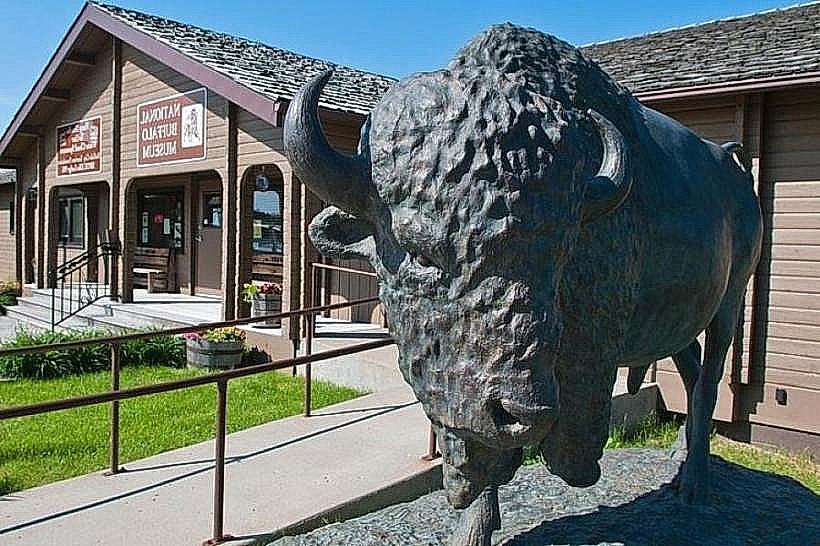
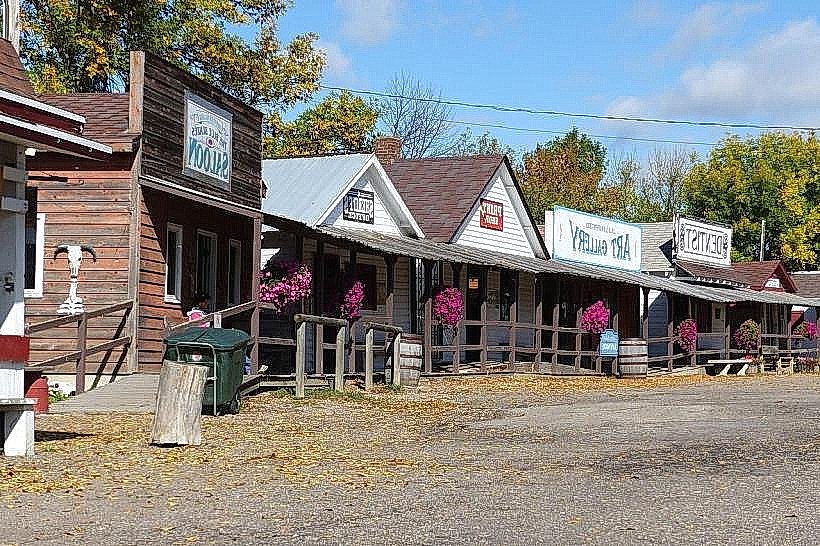
From the upper floors, the windows open onto views of downtown Jamestown, connecting the courthouse’s past role as a civic anchor with the city’s ongoing vitality. Many visitors combine their stop here with nearby landmarks such as the Frontier Village, National Buffalo Museum, and Fort Seward Historic Site.
In Essence
The Stutsman County Courthouse stands as both an architectural gem and a living classroom of North Dakota’s early history. Its blend of craftsmanship, endurance, and historical gravity reflects the civic pride of the people who built it. More than a relic of the territorial era, it remains a monument to justice and the pioneering spirit that defined the birth of a state on the windswept northern plains.