Information
Landmark: Temple of ZangbetoCity: Bohicon
Country: Benin
Continent: Africa
Temple of Zangbeto, Bohicon, Benin, Africa
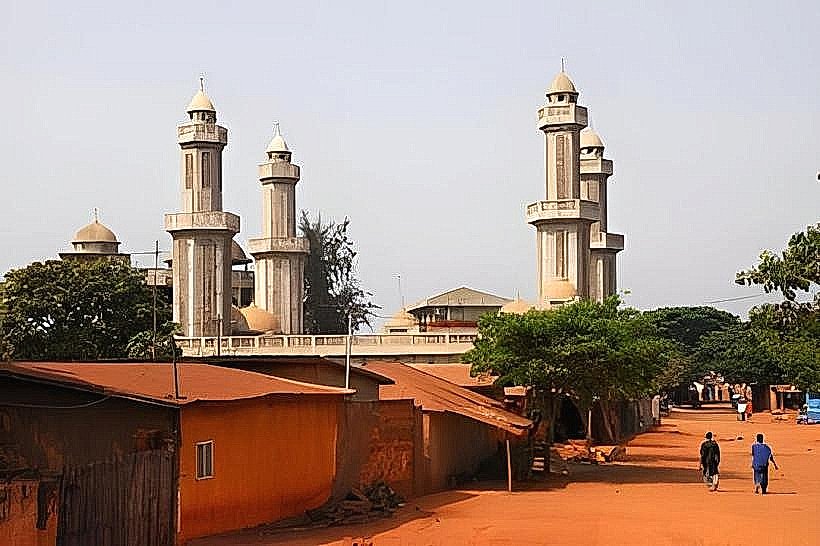
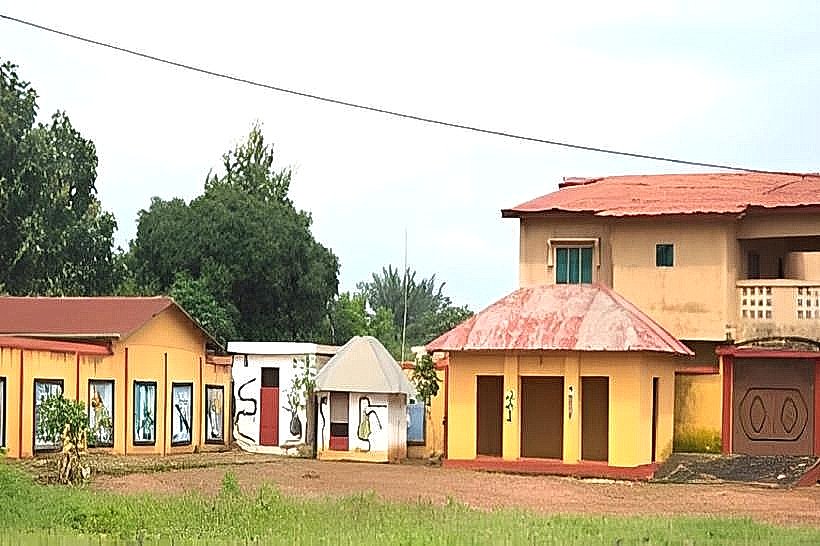
The Temple of Zangbeto is a religious site located in Bohicon, Benin. It serves as a focal point for the Zangbeto cult, a traditional Vodun practice.
Visual Characteristics
The temple structure is primarily constructed from earth and thatch. Its design is circular, with a central conical roof made of dried grass. The exterior walls are unadorned earth, typically a reddish-brown hue. The overall height is approximately 5 meters. The architectural style is vernacular, reflecting traditional building techniques of the region.
Location & Access Logistics
The Temple of Zangbeto is situated in the town of Bohicon, approximately 1.5 kilometers west of the city center. Access is via the Route Nationale 1 (RN1). Turn south onto a dirt road approximately 500 meters after the large roundabout on RN1 when approaching from Cotonou. Parking is available on-site, with unpaved areas designated for vehicles. Public transport options include local taxis and motorcycle taxis from Bohicon's central market.
Historical & Ecological Origin
The Zangbeto cult predates colonial influence in the region, with its origins rooted in indigenous spiritual beliefs. The specific construction date of the current temple structure is not precisely documented but is understood to be a continuously maintained site for generations. The purpose is to house and honor the Zangbeto spirits, which are believed to protect communities.
Key Highlights & Activities
Observation of Zangbeto performances during specific ceremonies. Visitors may witness traditional dances and rituals. Photography is permitted from designated viewing areas, but direct filming of certain sacred rites is prohibited without explicit permission. Interaction with local practitioners is possible during non-ceremonial periods.
Infrastructure & Amenities
Basic restroom facilities are available on-site. Natural shade is provided by surrounding trees. Cell phone signal (2G/3G) is generally available. No food vendors are permanently stationed at the temple; however, small stalls may operate during festival periods.
Best Time to Visit
The best time of day for visiting is during daylight hours, from 09:00 to 17:00. Specific Zangbeto performances occur on select days, often coinciding with local festivals or religious observances. The dry season, from November to April, offers more predictable weather conditions.
Facts & Legends
A local belief states that the Zangbeto spirits, when appearing in their straw costumes, are capable of levitation and can move at extreme speeds, making them invisible to the untrained eye. It is said they are guardians against malevolent forces and bringers of good fortune.
Nearby Landmarks
- Dahomey Museum (0.8km East)
- Bohicon Central Market (1.2km East)
- Palace of King Gbèhanzin (15km South-West)
- Lake Ahémé (25km South)