Information
Landmark: Tenorio VolcanoCity: Guanacaste
Country: Costa Rica
Continent: North America
Tenorio Volcano, Guanacaste, Costa Rica, North America
Overview
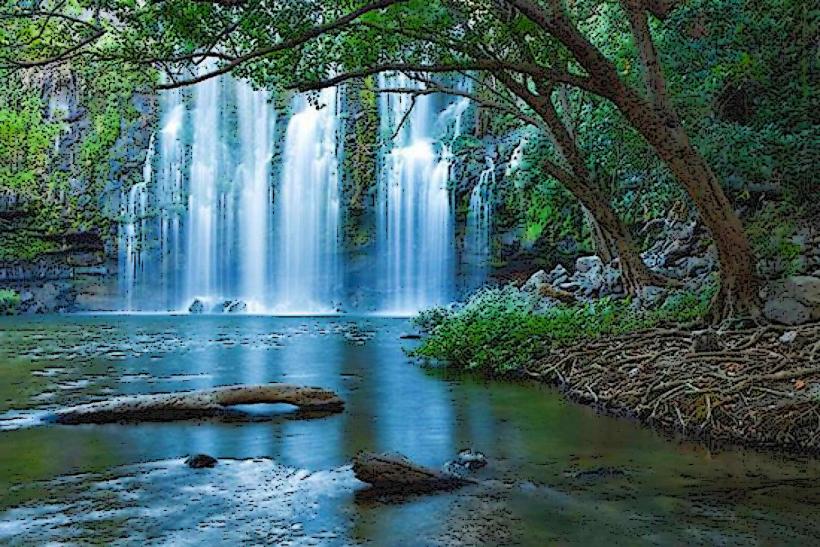
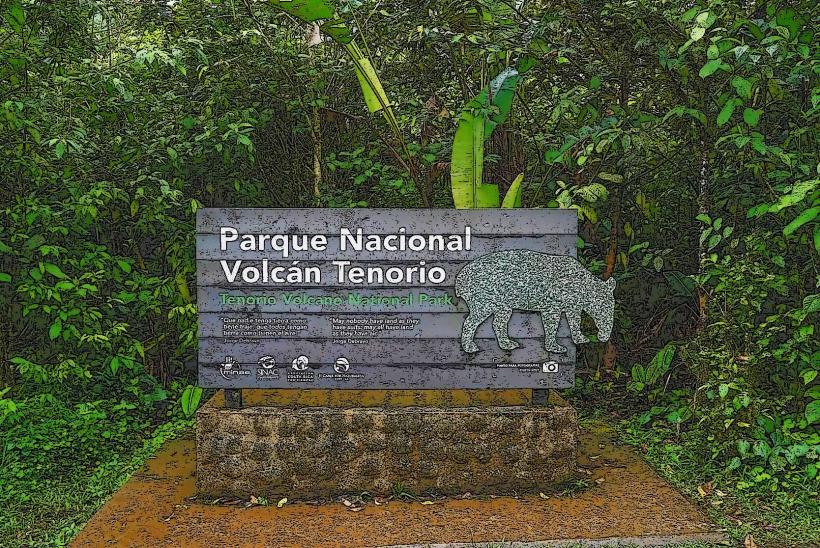
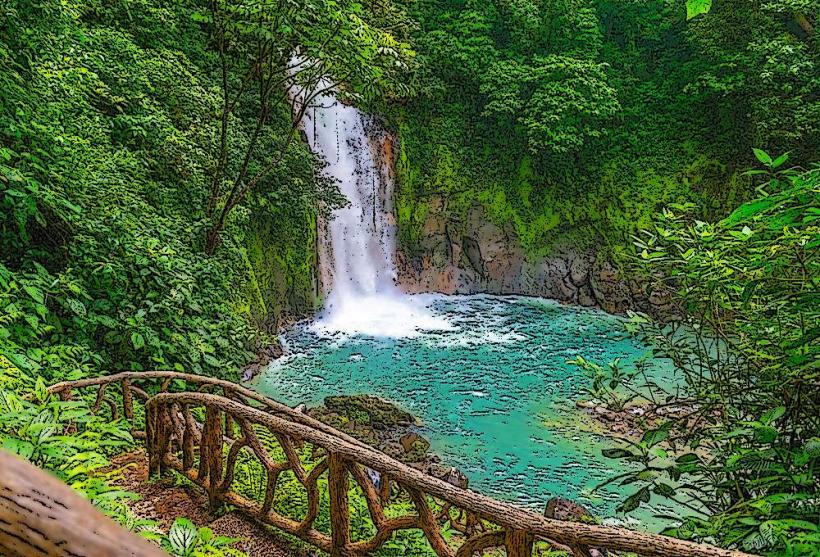
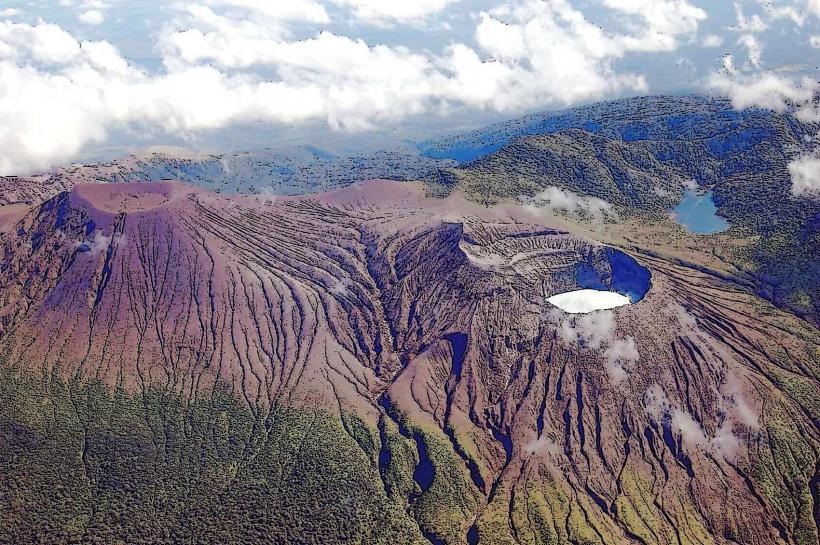
Tenorio Volcano rises in northern Costa Rica, its slopes hidden in mist inside the rugged Tenorio Volcano National Park, at the same time the volcano’s claim to fame is the vivid blue Rio Celeste, a river that winds through the park like a ribbon of paint, drawing visitors who come for the trails, the wildlife, and the sheer beauty of the venue.Tenorio Volcano rises 1,916 meters (6,286 feet) above sea level in northwestern Costa Rica’s Guanacaste Province, tucked into the Cordillera de Tilarán, as well as around it, cloud forests drift in mist, rainforests crowd the slopes, and clear rivers cut through volcanic rock and dense green undergrowth.Around Tenorio, the ground breathes heat-sizzling springs bubble, fumaroles hiss, and other volcanic wonders dot the landscape, besides the volcano itself is active, yet it usually rests in calm silence, a little In recent history, it’s only had minute eruptions-the last one happened roughly 2,000 years ago, sending a thin plume into the sky, subsequently today, Tenorio Volcano is classed as inactive, yet steam still curls from vents around its broad crater, a reminder of the heat simmering underground.In this region, you can watch steam hiss from vents and fiery springs bubble beside the trail-clear signs the volcano is still alive, furthermore one of Tenorio’s brightest gems is Rio Celeste, a turquoise river winding through the park.The river’s vivid turquoise-blue hue comes from mineral-rich volcanic waters, where heat and chemicals mingle like steam rising off a boiling spring, in addition visitors flock to this river for its striking blue-green water and the lush scenery that frames it, while the lands around Tenorio Volcano shelter everything from misty highland rainforests to dense tropical wet forests.These ecosystems teem with life, sheltering countless plants and animals-a flash of green leaves here, the rustle of wings there, then the park shelters both rainforests and misty cloud forests that climb its slopes, each brimming with a rich variety of plants, from tiny orchids to towering canopy trees, occasionally High in the mountains, you’ll detect oak and cedar standing among bromeliads and orchids clinging to the slopes, subsequently drop down into the lower valleys and the landscape shifts to dense tropical rainforest, where guanacaste, towering ceiba, and rainforest palms crowd the trails.Around the misty Rio Celeste, mosses, ferns, and epiphytes thrive on every damp surface, subsequently birdwatchers flock here too, hoping to spot the shimmering Resplendent Quetzal, along with trogons, hummingbirds, and cheerful mountain robins darting through the cloud forest.The park shelters woodpeckers, toucanets, and motmots, their calls sharp against the rustle of leaves, while the forests around Tenorio teem with howler monkeys, white-faced capuchins, spider monkeys, and curious coatis, meanwhile you might spot traces of larger mammals-pumas, ocelots, even jaguars-but catching sight of them is rare.The park teems with reptiles and amphibians, from the jewel-radiant red-eyed tree frog and delicate glass frogs to the deadly fer-de-lance and massive boa constrictors, meanwhile around Tenorio Volcano, the rainforest hums and flickers with life: butterflies drift between shafts of sunlight, beetles scuttle over damp leaves, dragonflies hover above streams, and fireflies spark in the dusk.For many visitors, the Rio Celeste Trail is the highlight, winding toward the river’s milky-blue source and opening onto sweeping views of water and deep green forest, meanwhile the hike takes two to three hours, winding past cliffside viewpoints, rushing waterfalls, and steaming natural sweltering springs.As it turns out, The Laguna Azul Trail ends at a calm, brilliantly blue lagoon resting at the foot of Tenorio Volcano, as a result the Los Teñideros Trail winds through thick, green forest, opening now and then to sweeping views of the hills, kind of It leads to the very spot where the Rio Celeste shifts to its striking blue, the result of volcanic minerals meeting the clear water, also it’s a quick hike to get here, yet it’s one of the park’s best moments-especially when you reach the Rio Celeste, the vivid turquoise river that draws most visitors to Tenorio Volcano National Park.The river glows a striking turquoise blue, the result of sulfur meeting calcium carbonate in its volcanic waters-like paint swirling in a glass jar, likewise you can hike to Los Teñideros to witness the river’s striking blue where it begins, or head to the Rio Celeste Waterfall, its white spray tumbling nearly 30 meters into a deep turquoise pool.Swimming’s off-limits because of the acidity and minerals, but the vivid water makes for unforgettable photos, while tall trees crowd around the waterfall, their leaves dripping with mist, while the river’s brilliant blue cuts through the green and makes the whole scene glow, to some extent A scenic lookout offers a trail down to the waterfall’s base, where the roar of the water fills the air, along with along the way, you’ll pass smaller falls, gentle cascades, and cool natural springs, generally In Tenorio Volcano National Park, visitors can also wander through areas alive with geothermal energy, from steaming fumaroles to soothing boiling springs, while you’ll notice these features most clearly in the park’s lower sections, where the ground still radiates volcanic heat.Tenorio Volcano National Park bursts with life, making it a prime spot for wildlife watching-listen for the flash of wings and sharp calls of sparkling-feathered birds, as a result you might spot monkeys leaping between branches, shining-feathered birds flashing past, and tiny frogs tucked under leaves-maybe even a larger mammal if luck’s on your side.For the best experience, plan your trip to Tenorio Volcano during the dry season, November through April, subsequently this time of year, the trails are easier to follow, and the river glows its brightest turquoise thanks to lighter rains.Just so you know, From May to October, the wet season paints the hills deep green and keeps crowds away, though you might find yourself squelching through mud, moreover tenorio Volcano National Park sits about an hour and a half to two hours from La Fortuna (Arenal Volcano) or Liberia.Not surprisingly, You can reach the park by car along a dusty dirt road, where a compact visitor center waits at the entrance, meanwhile tenorio Volcano National Park charges an entry fee that goes toward protecting its forests and wildlife.Fees depend on your nationality and age, with lower rates for kids and students, likewise guided tours are available-and worth taking-since a good guide can point out the park’s rare orchids and explain its striking geological formations in detail., in a sense
Author: Tourist Landmarks
Date: 2025-09-11