Information
Landmark: Thorncrown ChapelCity: Eureka Springs
Country: USA Arkansas
Continent: North America
Thorncrown Chapel, Eureka Springs, USA Arkansas, North America
The Massabesic Audubon Center is an environmental education and nature preserve located in Manchester, New Hampshire, USA.
Visual Characteristics
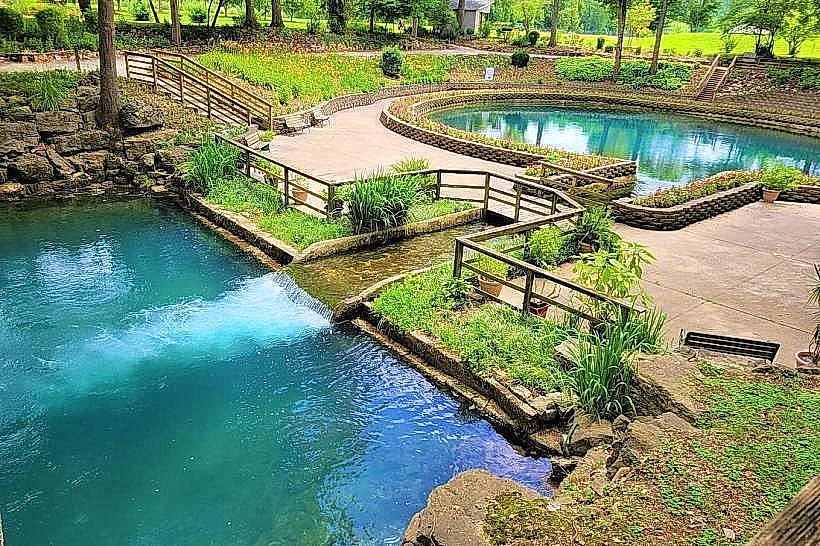
The center features a modern, 1,500-square-foot building constructed with wood and glass, designed to blend with its natural surroundings. The surrounding landscape comprises approximately 140 acres of mixed deciduous and coniferous forest, wetlands, and the shores of Lake Massabesic. Trails wind through varied terrain, offering views of water bodies and dense tree cover.
Location & Access Logistics
The Massabesic Audubon Center is situated at 200 Audubon Way, Manchester, NH 03109. It is approximately 5 miles southeast of downtown Manchester. Access is via Route 27 (Candia Road). A dedicated parking lot is available on-site. Public transportation options are limited; the closest bus routes do not directly serve the center.
Historical & Ecological Origin
The Massabesic Audubon Center is part of the Audubon Society of New Hampshire, established to protect birds and their habitats. The land itself is part of the larger Lake Massabesic watershed, a critical source of drinking water for the region. The ecological origin is a post-glacial landscape featuring varied topography and diverse plant communities supporting a range of wildlife.
Key Highlights & Activities
Activities include hiking on 5 miles of marked trails, birdwatching, wildlife observation, and educational programs. Specific trails include the Beaver Pond Trail and the Lake Shore Trail. The center building houses exhibits and a nature store. Observation decks provide vantage points over the lake and surrounding wetlands.
Infrastructure & Amenities
Restrooms are available within the main building. Limited shaded areas are present along some trails. Cell phone signal (4G/5G) is generally available but can be intermittent in denser wooded areas. No on-site food vendors are present; visitors should bring their own provisions.
Best Time to Visit
For birdwatching, early morning hours (dawn to 9 AM) are optimal, particularly during spring and fall migration. Late afternoon light offers good photographic opportunities. The best months for general visitation are May through October, offering pleasant weather and active wildlife. Lake conditions are generally accessible year-round, though winter may present icy trails.
Facts & Legends
Lake Massabesic is the second-largest lake in New Hampshire and serves as the primary water source for Manchester and several surrounding communities. A local legend speaks of a "phantom canoe" sometimes seen gliding across the lake at dusk, though this is unverified.
Nearby Landmarks
- Lake Massabesic (0.1km West)
- Massabesic Lake Boat Launch (0.8km Southwest)
- Rock Rimmon State Park (4.5km Northwest)
- Manchester City Library (5.0km West)
- Currier Museum of Art (5.2km West)