Information
Landmark: Trnava City MuseumCity: Trnava
Country: Slovakia
Continent: Europe
Trnava City Museum, Trnava, Slovakia, Europe
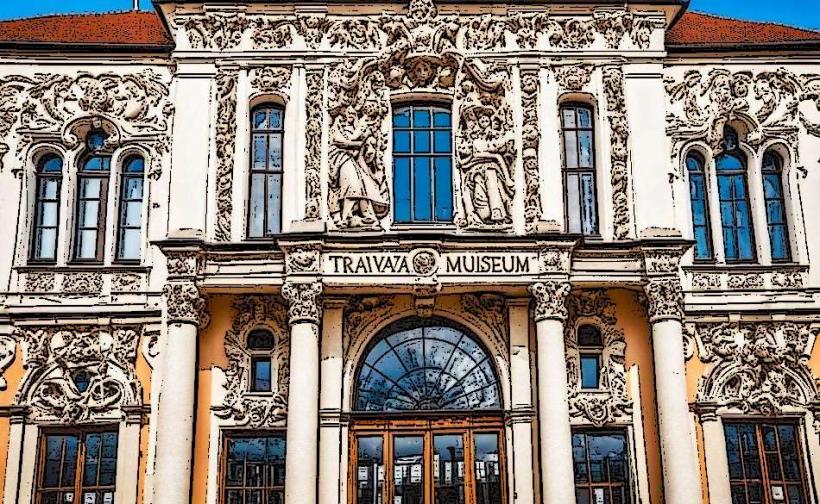
The Western Slovakia Museum (Západoslovenské múzeum) is the primary regional museum in Trnava, located in the historical center. It is one of the largest museums in Slovakia and serves as the central institution for the preservation of the cultural and natural heritage of the Trnava region.
Visual Characteristics
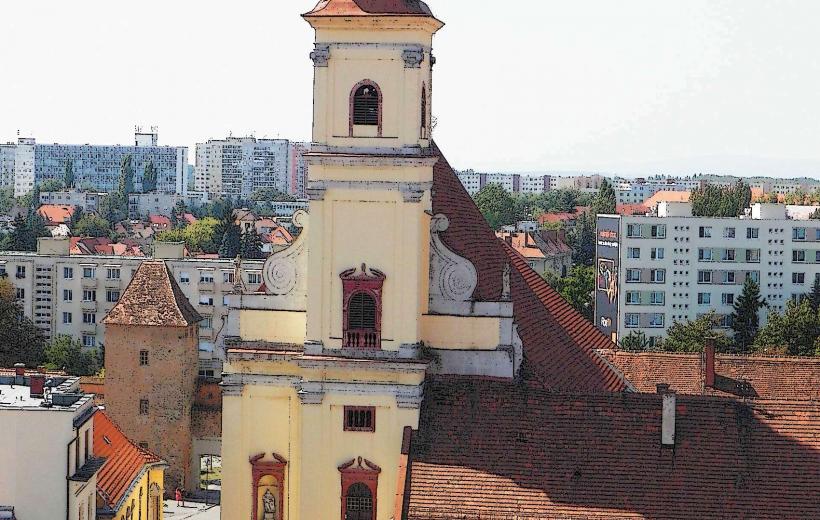
The museum is housed in the former Clarist monastery (Kláštor klarisiek), a massive four-wing complex. The exterior features a prominent reconstructed tower belonging to the Church of the Assumption of the Virgin Mary. Inside, the architecture reflects its monastic past with stone-ribbed vaults and a significant Baroque oratory. The oratory is notable for its rich stucco and relief decorations by the Italian artist Carlo Antonio Neurone.
Location & Access Logistics
The museum is located at Múzejné námestie 3. It is approximately 1.2 km from the Trnava railway and bus stations, a 15-minute walk through the city center. The nearest public transport stop is Hospodárska or Kollárova. Visitor access is via the pedestrian-friendly Museum Square. Paid parking is available at the nearby "Pekárska" surface lot or at the "City Arena" complex (900m away).
Historical & Ecological Origin
The building originated as a Gothic monastery for the Poor Clares in the 13th century. After the order was abolished in 1782, the complex served as a military hospital and barracks before being converted for museum use in 1954. Geologically, it is situated on the Trnava loess plain. The museum includes a dedicated natural science section documenting the flora, fauna, and geology of the nearby Little Carpathians (Malé Karpaty).
Key Highlights & Activities
The museum hosts over 160,000 objects across 12 permanent exhibitions. Key highlights include:
Campanology Exhibition: A unique collection of over 30 bells, with the oldest dating to 1491.
Archaeology Section: Displays Neanderthal remains (45,000 years old) and Roman artifacts from the nearby Pác station.
The Oratory: A preserved Baroque space accessible for viewing high-quality 17th-century stucco work.
Folk Culture: Extensive collections of traditional textiles, costumes, and ceramics from Western Slovakia.
Infrastructure & Amenities
The museum provides a gift shop selling local crafts and books. Public restrooms are located on the ground floor. The site has full 5G mobile coverage. While the ground floor and some exhibitions are wheelchair accessible, certain historical sections of the monastery complex may have architectural limitations.
Best Time to Visit
The museum is typically open Tuesday to Friday (8:00 AM – 5:00 PM) and Saturday to Sunday (11:00 AM – 5:00 PM). Admission is often free on the first Sunday of every month. For quiet viewing, weekday mornings are recommended.
Facts & Legends
During World War II, the monastery's thick walls and secluded spaces served as a hiding place for Allied pilots. A local legend associated with the Clarist order suggests the nuns lived in such absolute isolation that they communicated with the outside world only through a small perforated window in the "parlatorium," a space now used for exhibitions.
Nearby Landmarks
St. Nicholas Basilica – 0.4km South
Synagogue - Center of Contemporary Art – 0.3km West
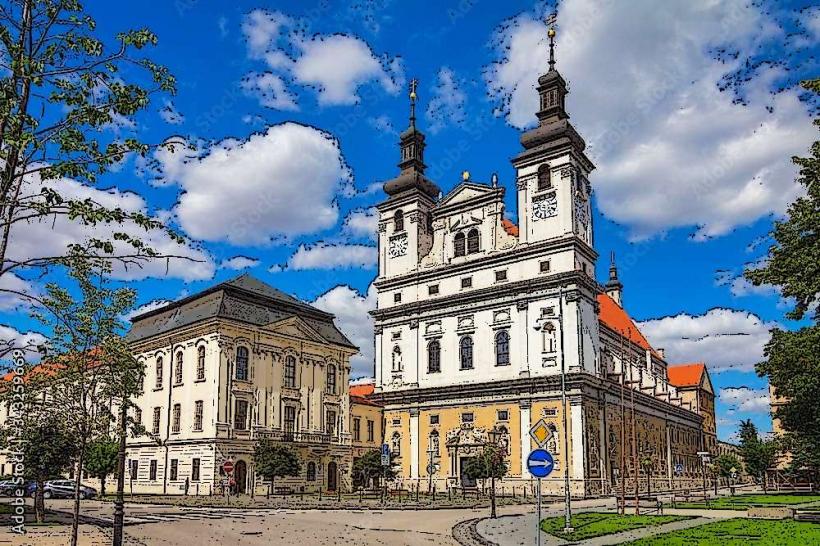
Cathedral of St. John the Baptist – 0.6km Northwest
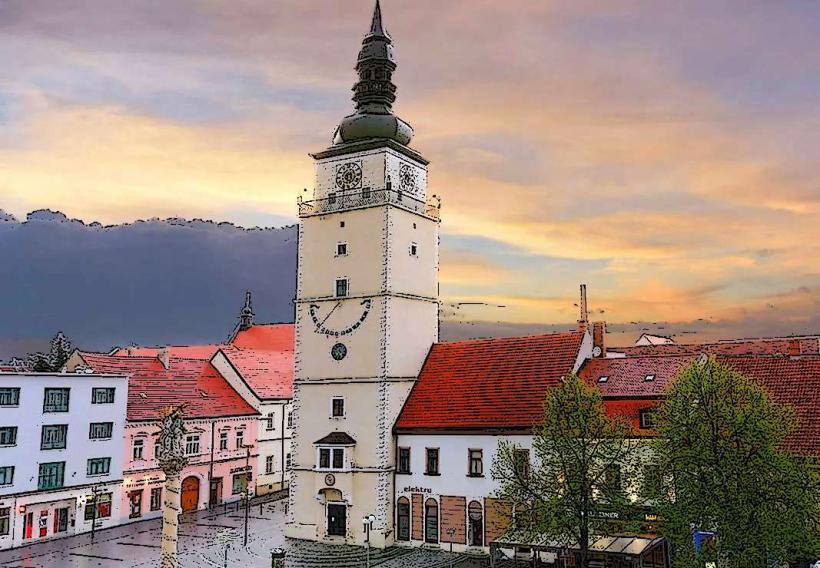
Trnava City Tower – 0.6km West
Bernolák Gate – 0.8km West