Information
Landmark: Trujillo BeachCity: Trujillo
Country: Honduras
Continent: North America
Trujillo Beach, Trujillo, Honduras, North America
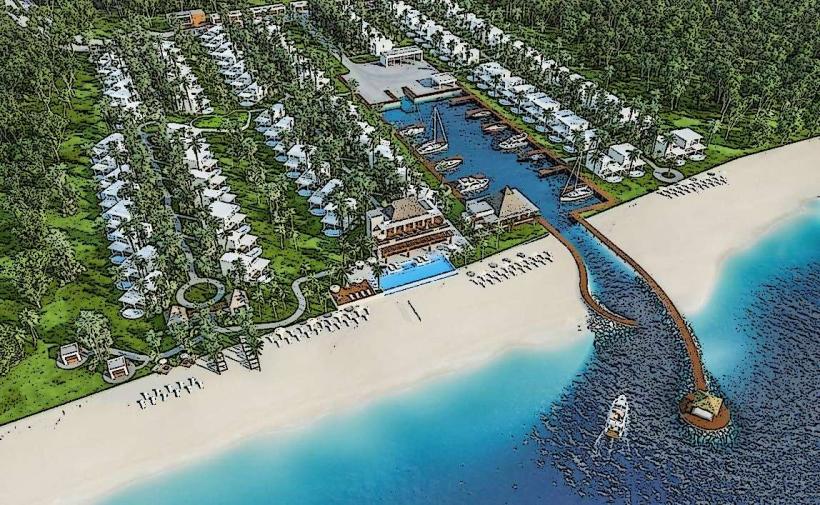
Trujillo Beach is a coastal area located in the city of Trujillo, Honduras. It is known for its sandy shoreline and proximity to the Caribbean Sea.
Visual Characteristics
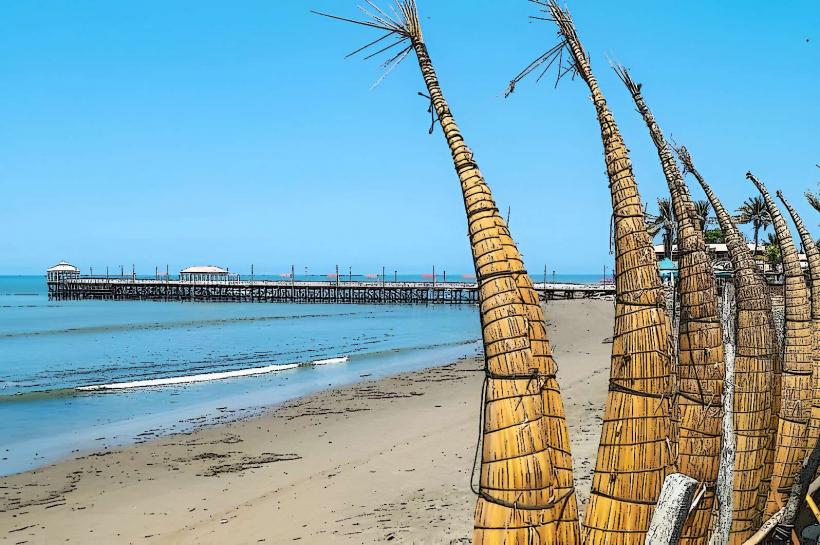
The beach consists of light brown sand. The water color ranges from turquoise to deep blue depending on depth and light conditions. The shoreline is approximately 3 kilometers long and is bordered by coconut palm trees and low-lying coastal vegetation. The terrain is predominantly flat.
Location & Access Logistics
Trujillo Beach is situated at the eastern edge of Trujillo city. Access is via the CA-13 highway, turning south onto Calle Principal towards the coast. The distance from the city center is approximately 2 kilometers. Parking is available along the beach road, with designated areas near public access points. Public transport includes local buses that run along Calle Principal, with stops within a 500-meter walk to the beach.
Historical & Ecological Origin
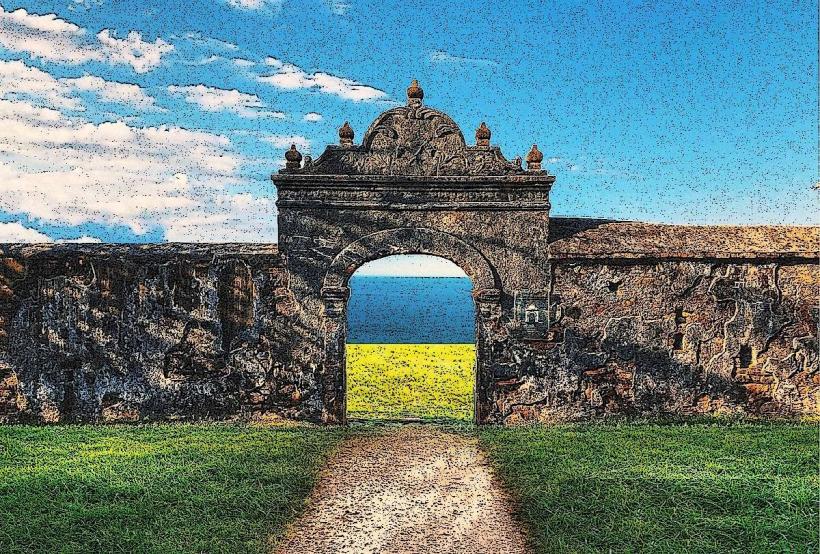
Trujillo Beach is a natural formation, part of the coastal plain of the Caribbean. Its ecological classification is a sandy beach ecosystem, influenced by marine currents and sediment deposition. The area has been historically significant as a port and settlement since the Spanish colonial era.
Key Highlights & Activities
Swimming is permitted in calm sea conditions. Sunbathing is a primary activity. Beachcombing for shells is possible. Local vendors offer boat tours for snorkeling and fishing excursions. Walking the length of the beach is a common activity.
Infrastructure & Amenities
Restrooms are available at select beach access points, often associated with local businesses. Shade is provided by natural palm trees. Cell phone signal (4G) is generally available. Food vendors and small restaurants are located along the adjacent road.
Best Time to Visit
For photography, early morning (07:00-09:00) and late afternoon (16:00-18:00) offer optimal lighting. The dry season, from December to April, provides the most consistent weather. High tide can reduce the visible sand area; low tide is preferable for maximum beach exposure.
Facts & Legends
Local lore suggests that pirate treasure is buried along this stretch of coast, though no verifiable evidence supports these claims. The bay itself was a significant anchorage for Spanish galleons in the 16th century.
Nearby Landmarks
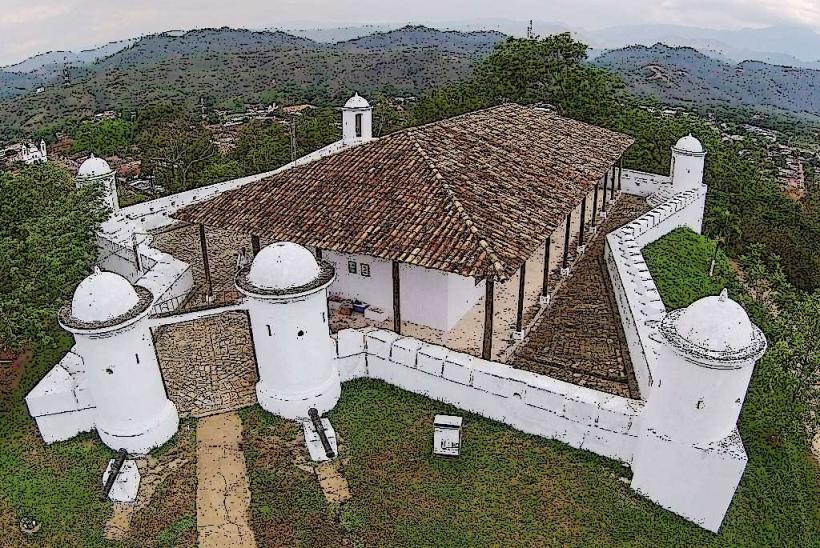
- Castillo de Santa Bárbara (1.5km West)
- Punta Castilla (4km East)
- Laguna de Alvarado (3km South)
- Parque Nacional Capiro y Calentura (5km Southeast)