Information
Landmark: Tuileries GardenCity: Paris
Country: France
Continent: Europe
Tuileries Garden, Paris, France, Europe
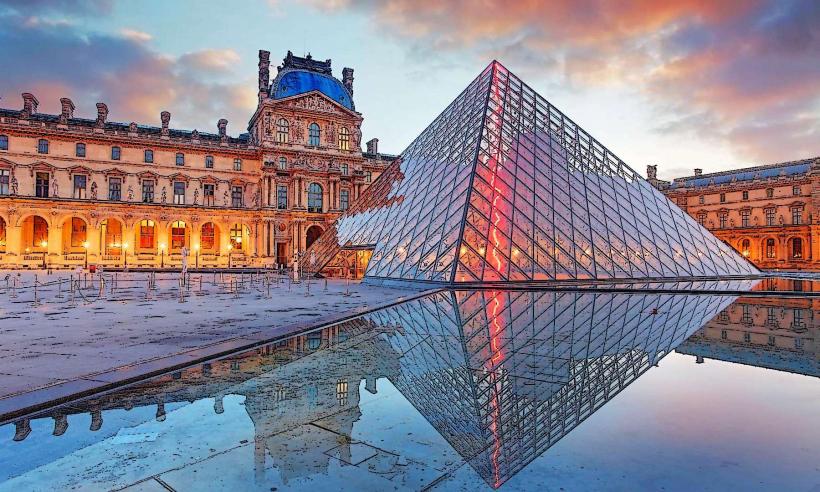
The Tuileries Garden (Jardin des Tuileries) is one of Paris's most iconic public gardens, stretching between the Louvre Museum and the Place de la Concorde along the Seine River. Originally created in 1564 for Queen Catherine de' Medici as the garden for the now-destroyed Tuileries Palace, it has evolved over the centuries into a beautifully landscaped park, a gathering place for Parisians, and a historical landmark in its own right.
1. Historical Background
Catherine de' Medici’s Vision: The garden's origins trace back to 1564 when Queen Catherine de' Medici commissioned it as part of her Tuileries Palace. The name "Tuileries" comes from the tile (tuile) factories that once occupied the area before it was transformed.
Transformation by André Le Nôtre: In the 17th century, the garden underwent a major redesign by André Le Nôtre, the famed landscape architect of Versailles. He implemented a classic French formal garden layout, with symmetrical paths, manicured lawns, and perfectly aligned trees. Le Nôtre’s design added grandeur and precision, establishing the garden as a place for promenades, social gatherings, and royal events.
Public Access and Revolution: The garden opened to the public in 1667, making it one of the first royal gardens to do so. During the French Revolution, it became a focal point for public events and political gatherings, symbolizing a new era of access and equality.
2. Design and Layout
The Tuileries Garden covers 55 acres and follows the symmetrical, formal style typical of French gardens of the era. Key design elements include:
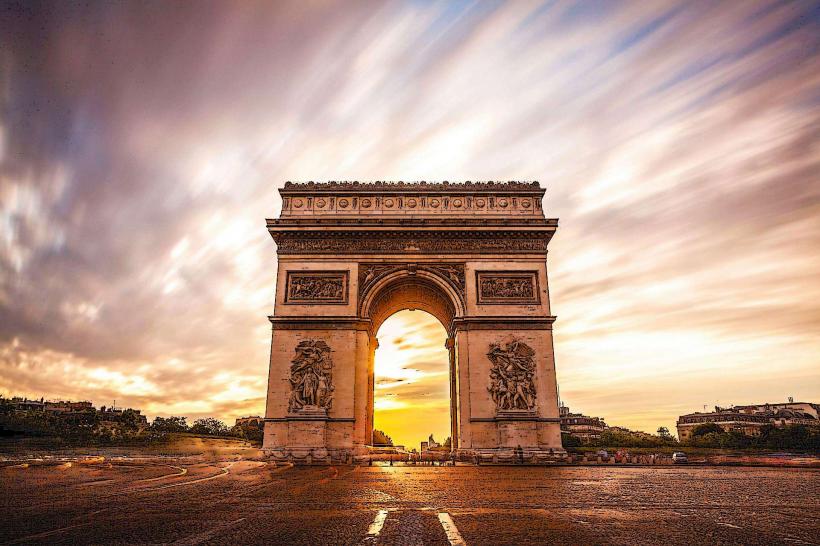
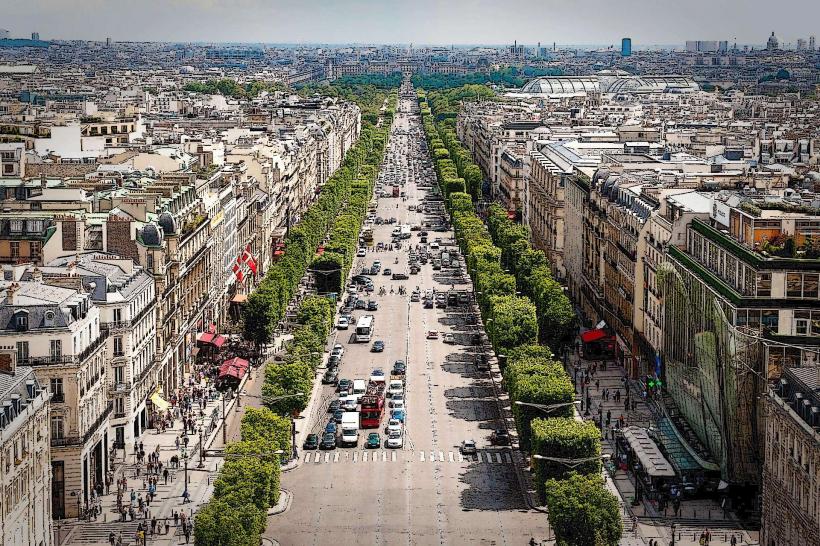
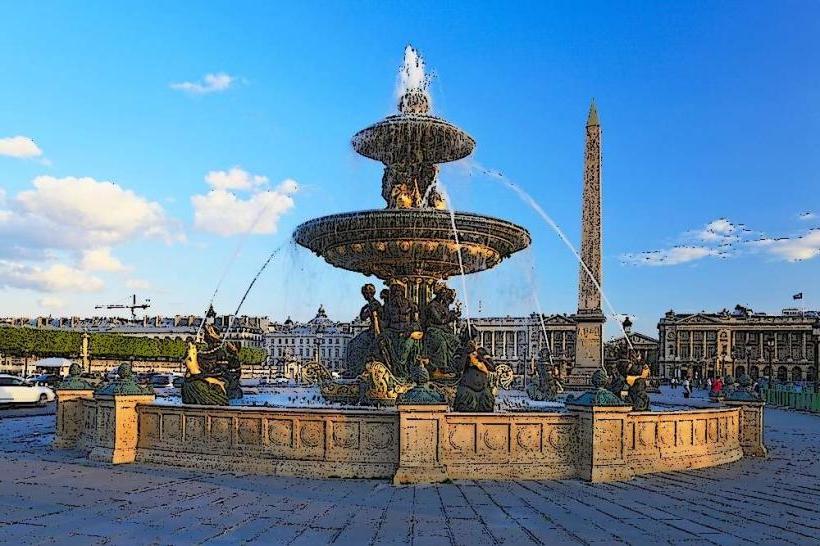
Main Axis: A wide central promenade extends from the Louvre to the Place de la Concorde, creating a visual link that aligns with the historic axis of Paris. This axis connects major landmarks, including the Arc de Triomphe and the La Défense business district.
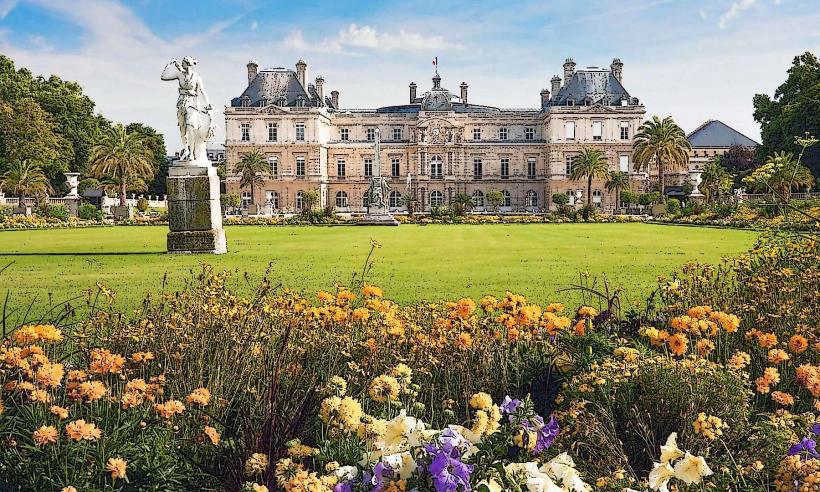
Geometric Patterns: The garden is laid out in geometric sections with parterres, flower beds, and rectangular ponds, all bordered by carefully trimmed trees and hedges.
Water Features: Two large basins, the Grand Bassin and the Petit Bassin, are popular areas where visitors can relax, enjoy the view, or sail model boats. Smaller fountains and sculptures are dispersed throughout, adding to the garden's serene ambiance.
3. Art and Sculptures
The Tuileries is known for its collection of sculptures and art installations. Over time, it has become an open-air museum featuring classic and contemporary works:
Historic Statues: The garden houses statues by artists such as Auguste Rodin, Aristide Maillol, and Jean Dubuffet. These pieces complement the garden’s classical setting, offering a harmonious blend of art and nature.
Modern Sculptures: Since the 20th century, contemporary works have been integrated into the landscape, including pieces by Henry Moore and Alberto Giacometti. These additions provide a contrast to the historic art and enhance the garden’s cultural relevance.
4. Key Landmarks within the Garden
Arc de Triomphe du Carrousel: Located at the Louvre end, this small but elaborately decorated arch was built by Napoleon to celebrate his military victories. It acts as a ceremonial entrance to the garden.
Orangerie Museum: Situated in the western section of the garden, the Musée de l'Orangerie is famed for housing Claude Monet’s Water Lilies. It’s an ideal place for art lovers and a natural complement to the outdoor sculptures in the garden.
Jeu de Paume: At the northwest corner, this building once served as an indoor tennis court and is now a museum dedicated to contemporary art and photography.
5. Flora and Seasonal Displays
The garden is renowned for its seasonal floral displays, with plantings that change throughout the year. Gardeners take great care in designing colorful displays of tulips, roses, dahlias, and other flowers that bloom in succession, ensuring vibrant scenery in all seasons. The garden also features majestic trees, including plane trees, chestnuts, and lindens, which create a shaded canopy along the promenades.
6. Activities and Attractions
The Tuileries Garden is a beloved space for leisure and recreation:
Walking and Relaxing: The garden’s benches, chairs, and lawns are ideal for relaxing. Parisians and visitors alike use it as a place to read, enjoy coffee, or have a picnic.
Model Boat Sailing: Renting and sailing small model boats on the garden's large pond is a classic activity, especially popular with children.
Carousel and Playground: The garden has a playground and a carousel for children, along with a traditional wooden merry-go-round, making it family-friendly.
Tuileries Funfair: During summer, the Tuileries hosts an annual funfair with rides, games, and food stalls, bringing a festive atmosphere to the historic grounds.
7. Events and Festivals
Throughout the year, the garden is the venue for cultural events, including art exhibits, fashion shows, and public gatherings. Fashion Week often sees pop-up installations in the Tuileries, and seasonal markets or art installations can be found, making it an ever-evolving public space.
8. Symbolic and Cultural Significance
The Tuileries Garden has witnessed centuries of French history, from royal gatherings to revolutionary assemblies, and remains a central Parisian space embodying France's art, culture, and heritage. It reflects the city’s transformation from royal monarchy to republic, offering a sense of continuity and evolution as it blends art, history, and nature.
Visiting Tips
Timing: Early mornings or evenings are usually quieter times, allowing for a more relaxed visit. Seasonal flower displays are particularly stunning in spring and summer.
Photography: With scenic views of the Louvre, Place de la Concorde, and the Eiffel Tower in the distance, the Tuileries provides excellent photography opportunities.
The Tuileries Garden stands as a testament to the beauty of French landscaping and the enduring appeal of Paris’s historic spaces. A walk through the garden offers not only a moment of tranquility but also a journey through the art and history that define Paris.