Information
Landmark: Union Station Train ShedCity: Montgomery
Country: USA Alabama
Continent: North America
Union Station Train Shed, Montgomery, USA Alabama, North America
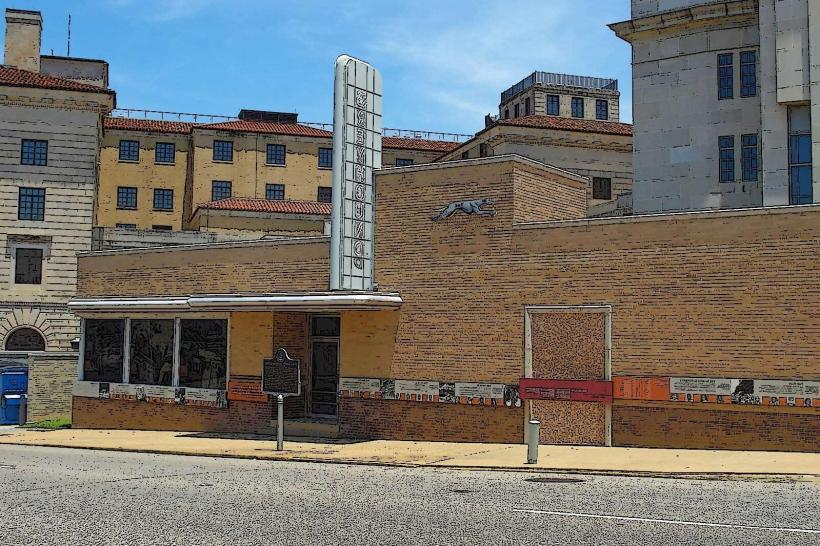
The Union Station Train Shed is a historic structure located in Montgomery, Alabama, USA. It served as a primary transportation hub for the city.
Visual Characteristics
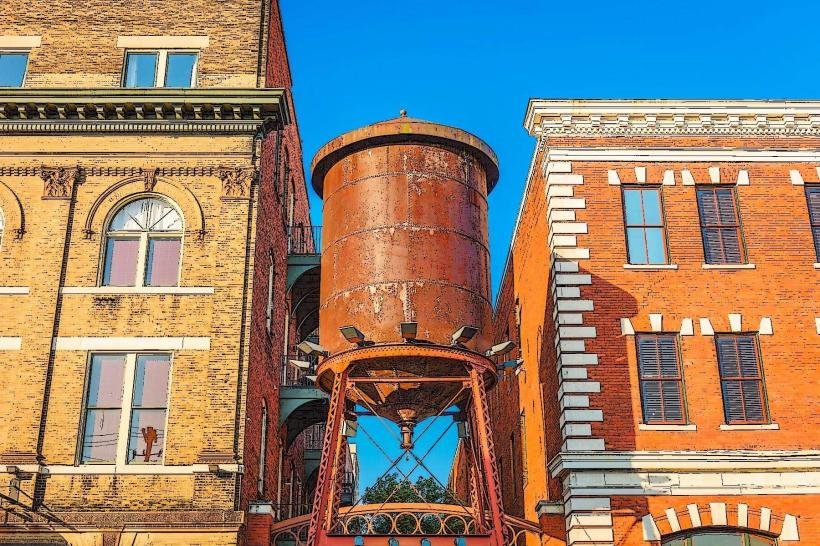
The train shed is a large, rectangular structure constructed primarily of brick. It features a distinctive arched roof supported by steel trusses. The exterior brickwork is a deep red, with lighter colored stone accents around window and door openings. The overall architectural style is industrial, reflecting its utilitarian purpose.
Location & Access Logistics
Union Station is situated at 300 Water Street, Montgomery, AL 36104. It is approximately 1.5km southwest of the Montgomery city center. Parking is available in a designated lot adjacent to the station. Public transport options include the Montgomery Area Transit System (MATS) bus lines that service the downtown area; Route 10 stops within 0.5km of the station.
Historical & Ecological Origin
Construction of the Union Station Train Shed was completed in 1907. It was designed by architect Frank P. Milburn. The original purpose was to consolidate passenger rail services for the city, serving as a gateway for travelers and commerce.
Key Highlights & Activities
Visitors can walk through the main concourse area of the train shed. Interpretive displays detailing the station's history are present. Photography of the architectural features is permitted.
Infrastructure & Amenities
Restrooms are available within the main station building. Limited shaded areas are present under the roof overhang. Cell phone signal (4G/5G) is generally good within the vicinity. Food vendors are not permanently located within the train shed itself, but several restaurants are situated within a 1km radius.
Best Time to Visit
For optimal lighting for photography of the exterior, late morning or late afternoon provides direct sunlight on the brickwork. The best months for visiting are typically March through May and September through November, offering moderate temperatures.
Facts & Legends
During the Civil Rights Movement, Union Station was a significant location for protests and demonstrations, particularly related to the Freedom Rides in 1961. It is documented that the first Freedom Riders arrived at this station and were met with violence.
Nearby Landmarks
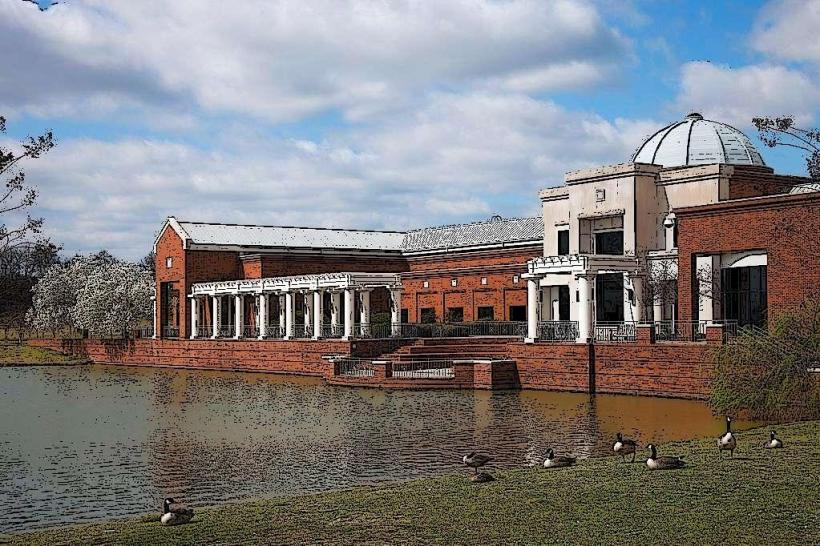
- Montgomery Museum of Fine Arts (1.2km Northeast)
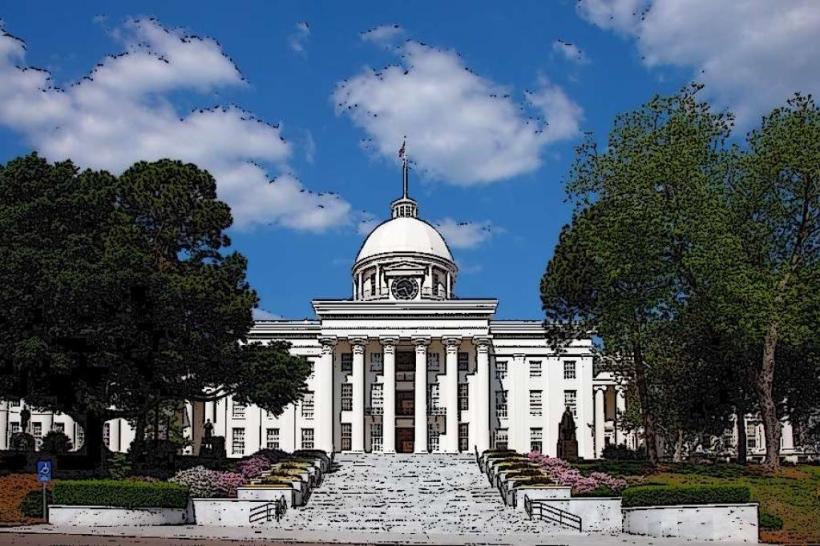
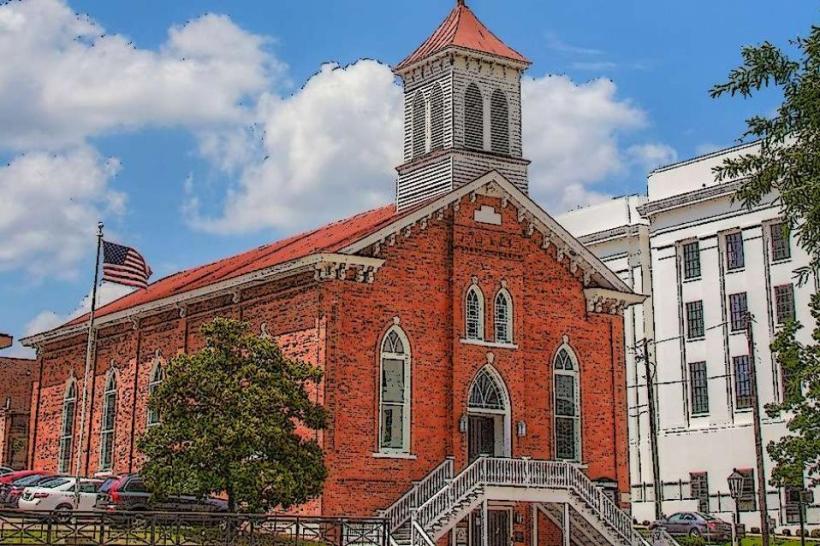
- Dexter Avenue King Memorial Baptist Church (1.8km Northeast)
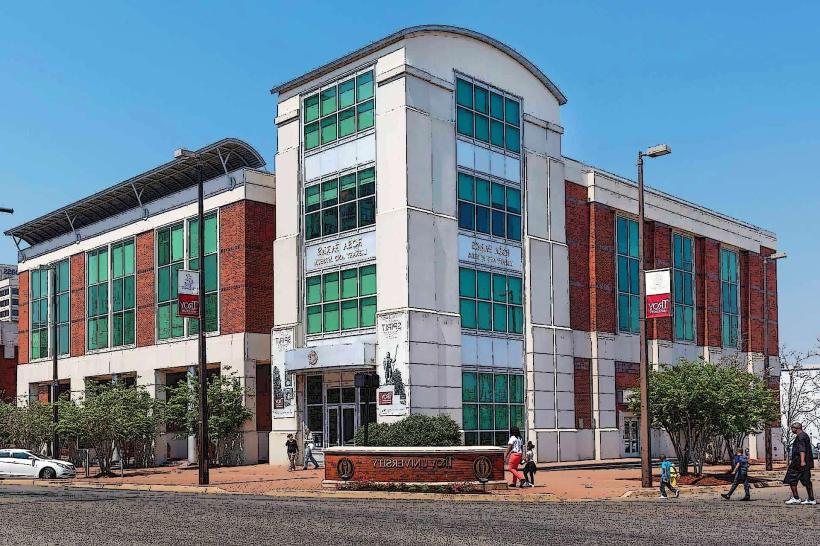
- Rosa Parks Museum (1.9km Northeast)
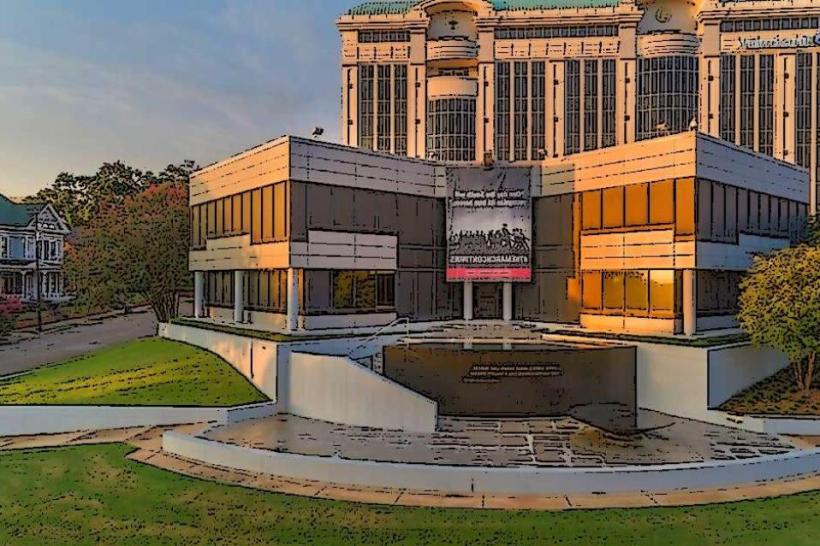
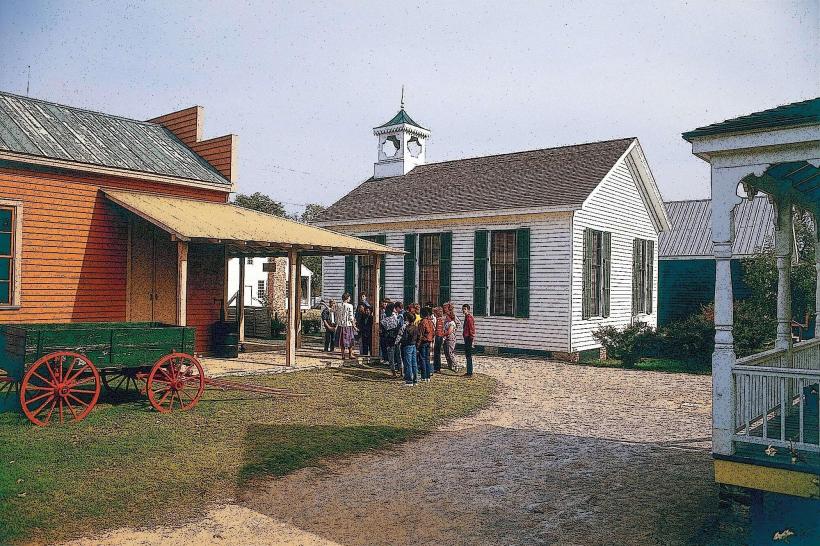
- First White House of the Confederacy (2.1km Northeast)