Information
Landmark: Valencia CathedralCity: Valencia
Country: Spain
Continent: Europe
Valencia Cathedral, Valencia, Spain, Europe
Overview
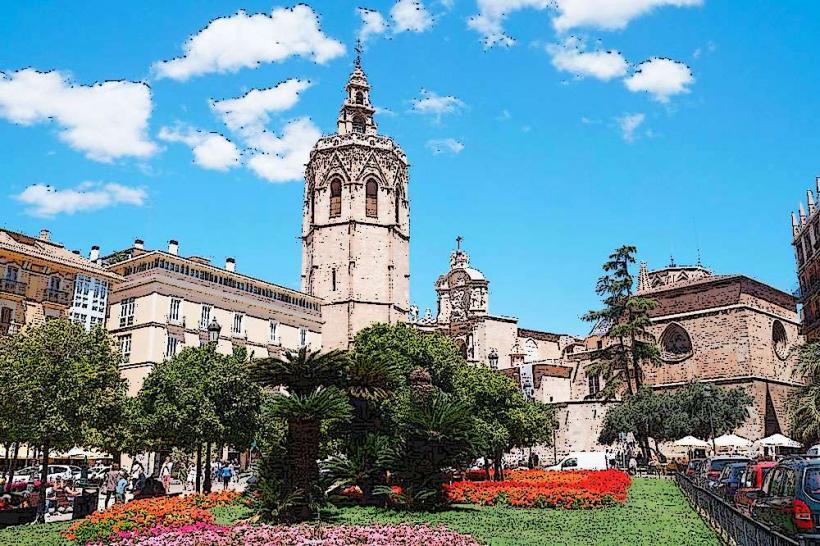
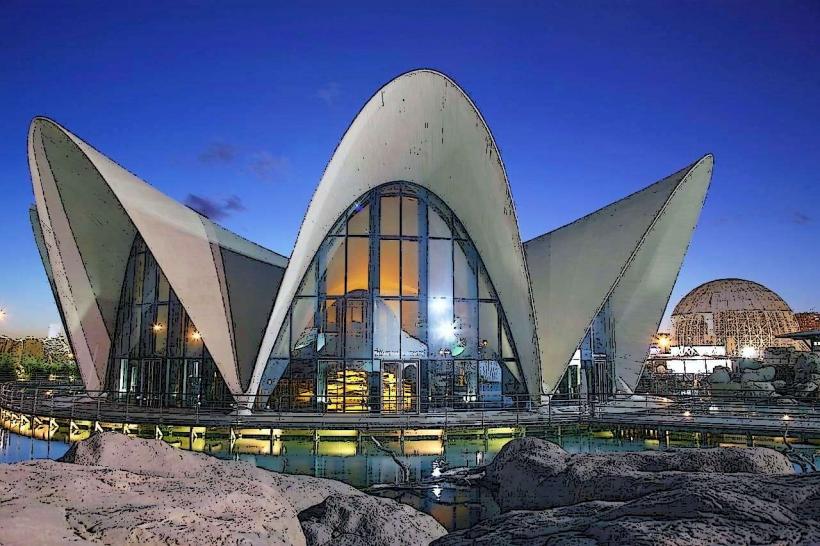
In the heart of Valencia’s historic historic Town, the Valencia Cathedral-also called the Holy Chalice Cathedral-rises in stone arches and weathered towers, a breathtaking showcase of centuries-classical architecture, not only that it’s one of the city’s defining landmarks, blending Gothic spires with Romanesque arches, Baroque curves, and the clean lines of Neoclassical design.Valencia Cathedral stands on ground once home to a Roman temple for Jupiter, later replaced by a Visigothic church whose worn stones still whisper of the past, what’s more work on the cathedral began in the 13th century, after King James I of Aragon seized the city from the Moors during the Reconquista, his banners snapping in the wind.As you can see, Built over centuries, the cathedral blends influences from many eras, while work began in 1262 and continued until 1426, with later additions and renovations layering recent details onto the vintage.Its soaring nave and quiet chapels embody the elegance of Gothic design, subsequently still, it blends touches of Romanesque, Renaissance, Baroque, and Neoclassical design.The Miguelete Tower (El Micalet) stands out most-51 meters of pale stone climbing above the cathedral, with a windswept view of Valencia waiting at the top, at the same time the Gothic bell tower was a later addition, now standing as a proud symbol of the city.Step inside the Valencia Cathedral and you’ll witness soaring stone arches, gilded Baroque altars, and Renaissance paintings glowing in the soft light, then among the highlights inside is the Chapel of the Holy Grail, where the cathedral proudly displays the cup believed to be the very chalice Christ held during the Last Supper.The Chapel of the Holy Grail draws worshippers and curious visitors alike, its stone walls echoing with centuries of stories, after that a relic of the Holy Grail rests in a golden chalice, while the cathedral’s main altar-an ornate Baroque masterpiece-honors the Assumption of the Virgin.Inside, you’ll find Goya’s rich brushstrokes and Benlliure’s vivid scenes alongside sculptures from many eras, simultaneously rising above it all, the Gothic Miguelete Tower rings out over Valencia’s rooftops.Built in the 15th century to hold the cathedral’s bells, the tower now invites visitors to climb its 207 narrow steps and take in sweeping views of the city and rolling hills beyond, standing as a proud part of the cathedral complex, as a result from the top, you can take in the whole historic city center, with the sleek white curves of the City of Arts and Sciences gleaming far off.The cathedral’s cloister offers a quiet haven, where stone columns cast cool shadows across archways and garden paths, therefore the cloister blends Romanesque arches with soaring Gothic lines, offering a quiet refuge from the clamor of the streets, while the cathedral itself rises in the heart of the bustling Plaza de la Reina, one of the city’s best-known squares.Cafes spill warm light onto the cobblestones, shops hum with chatter, and centuries-ancient facades frame the plaza, creating a lively crossroads where visitors can soak in Valencia’s soul; inside the cathedral, legend whispers that the Holy Grail-said to be the cup Jesus used at the Last Supper-rests in a quiet chapel, at the same time for centuries, people have revered this relic, now set in a golden chalice that gleams in the Chapel of the Holy Grail inside the cathedral, occasionally The Grail’s deep spiritual meaning draws pilgrims from far corners of the world, in conjunction with the cathedral, said to hold the true Holy Grail, draws pilgrims from across the Christian world, loosely Doors usually stand open from morning until evening, letting in the scent of classical stone and candle wax, on top of that the hours can change with the day or during special events like Mass or feast-day processions, and while there’s usually a fee to step inside the cathedral, you can often enter for free if a service is underway.Your ticket also gets you into the Miguelete Tower, where you can climb the worn stone steps and take in the sweeping view, besides if you want the full story behind the cathedral’s history and spiritual roots, guided tours are available, slightly often On these tours, guides share vivid stories about the cathedral’s architecture, its layered history, and its deep religious meaning-you might notice the worn grooves in the stone steps, along with the Valencia Cathedral isn’t just a setting of worship; it’s a cultural landmark that embodies the spirit of the city.It’s at the heart of Holy Week celebrations-Semana Santa’s processions with flickering candles-and takes part in other key religious events all year long, furthermore the Feast of the Virgin and the Feast of the Holy Grail draw crowds of locals and curious travelers, filling the square with music and dazzling banners.The cathedral itself stands at the heart of Valencia’s heritage, a stone witness to the city’s history, faith, and culture, furthermore the Valencia Cathedral stands as both an architectural gem and a spiritual heart, drawing pilgrims, curious travelers, and art lovers alike; step inside, and you’ll catch the faint scent of incense while tracing centuries of history carved into its stone-a spot no visitor to the city should miss, kind of Truthfully, In the heart of Valencia, the cathedral blends striking Gothic arches with Romanesque stonework, claims to guard the Holy Grail, and offers visitors a setting to learn and to feel a quiet sense of awe, therefore you might wander through its ornate chapels, climb the Miguelete Tower for a sweeping view of terracotta rooftops, or just linger in the warm buzz of the Plaza de la Reina-either way, Valencia Cathedral shines as one of the city’s true treasures.
Author: Tourist Landmarks
Date: 2025-08-18