Information
Landmark: Västerlånggatan StreetCity: Stockholm
Country: Sweden
Continent: Europe
Västerlånggatan Street, Stockholm, Sweden, Europe
Visual Characteristics
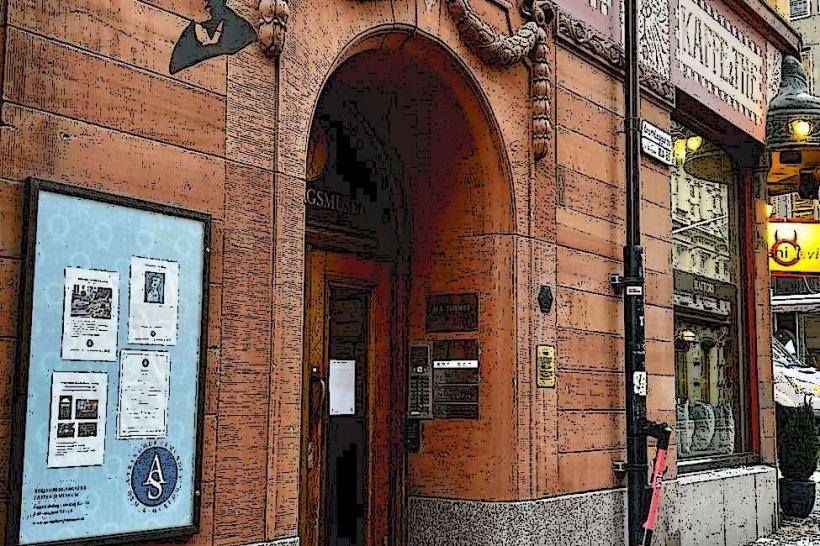
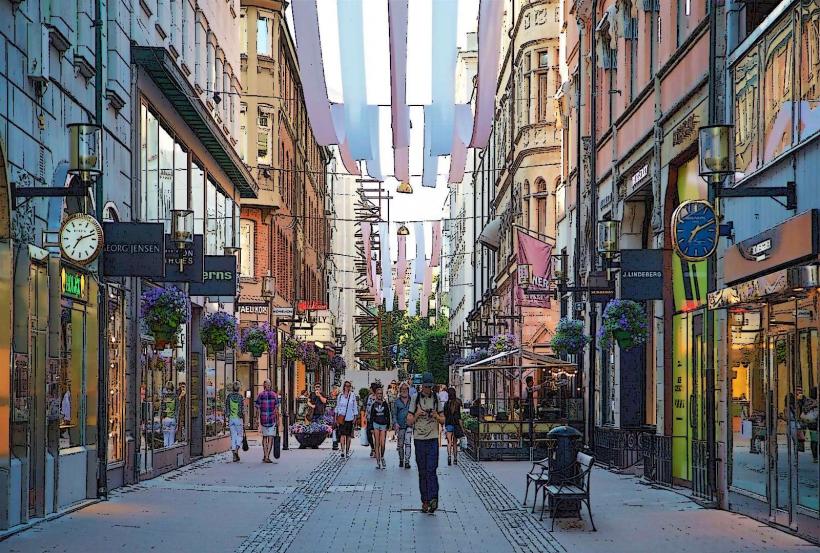
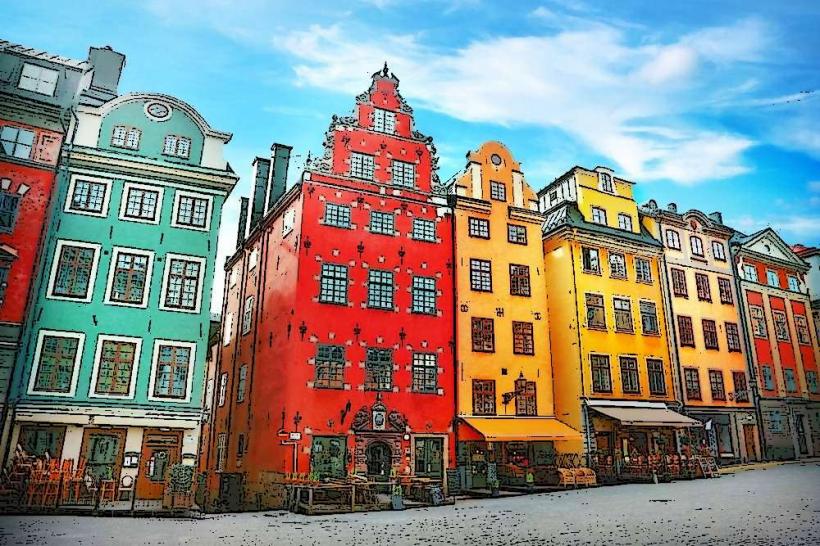
The street is characterized by its narrow width, approximately 5 to 8 meters, flanked by buildings constructed primarily from brick and stone, often rendered and painted in ochre, terracotta, and muted pastel shades. Buildings typically range from three to five stories, exhibiting a blend of medieval and 17th-century architectural styles with gabled roofs, ornate doorways, and occasional decorative ironwork. The street surface is paved with cobblestones.
Location & Access Logistics
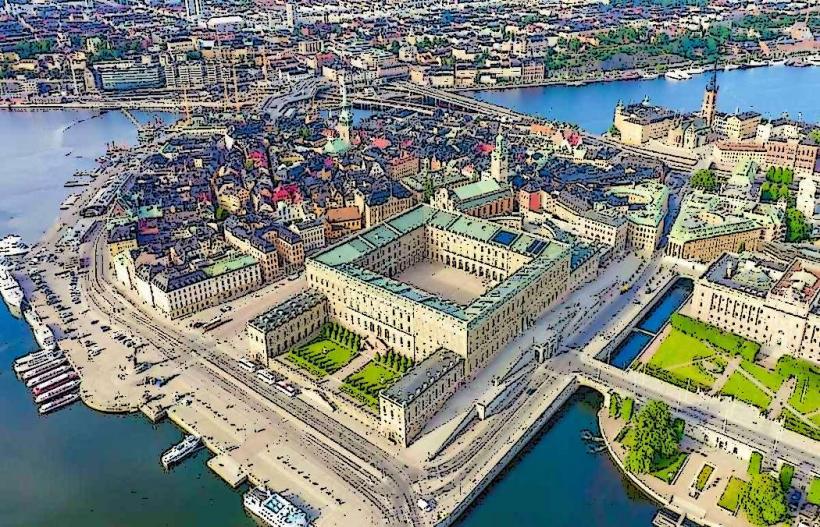
Västerlånggatan runs north-south through the center of Gamla Stan. It is approximately 0.5 km from T-Centralen, Stockholm's central station. Access is primarily pedestrian; vehicles are restricted. The nearest T-bana (subway) stations are Gamla Stan (Green and Red lines), located at the northern and southern ends of the street. Public bus lines do not directly access the street due to its pedestrian nature; the closest bus stops are on Skeppsbron, approximately 0.2 km east, served by lines 2, 53, and 55. Parking is not available directly on Västerlånggatan; the nearest public parking garages are located outside Gamla Stan, such as Gallerian (0.8 km north) or Slussen (0.7 km south).
Historical & Ecological Origin
Västerlånggatan originated as the main street outside the western city wall of Stockholm in the 13th century. Its original purpose was a commercial artery and a defensive perimeter. The street's current alignment and building structures largely date from the 17th and 18th centuries, following the city's expansion beyond its medieval fortifications and the demolition of the old city wall.
Key Highlights & Activities
The street is a primary location for retail shopping, featuring numerous souvenir shops, boutiques, and craft stores. Dining is available at various restaurants and cafes lining the street. Pedestrian exploration of the medieval architecture is a key activity. Street performers often occupy various points along the thoroughfare.
Infrastructure & Amenities
Public restrooms are available at various points within Gamla Stan, with the closest often located near Stortorget (0.1 km east). Shade is limited, provided primarily by the tall buildings themselves. Cell phone signal (4G/5G) is generally strong throughout the street. Numerous food vendors, including cafes and restaurants, are directly accessible along Västerlånggatan.
Best Time to Visit
The street is best visited during the shoulder seasons of April-May and September-October for moderate crowds and pleasant weather. Summer months (June-August) experience higher visitor density. For photography, early mornings (before 09:00) or late afternoons (after 17:00) offer softer light and fewer pedestrians. No specific tide requirements apply.
Facts & Legends
A local legend suggests that the narrowest alley leading off Västerlånggatan, Mårten Trotzigs gränd, was once a secret escape route for merchants during medieval disputes. A verified historical oddity is that many of the street's cellars extend beneath the original medieval city wall, indicating its historical position just outside the city's early fortifications.
Nearby Landmarks
- Stortorget: 0.1 km East
- Royal Palace: 0.3 km North
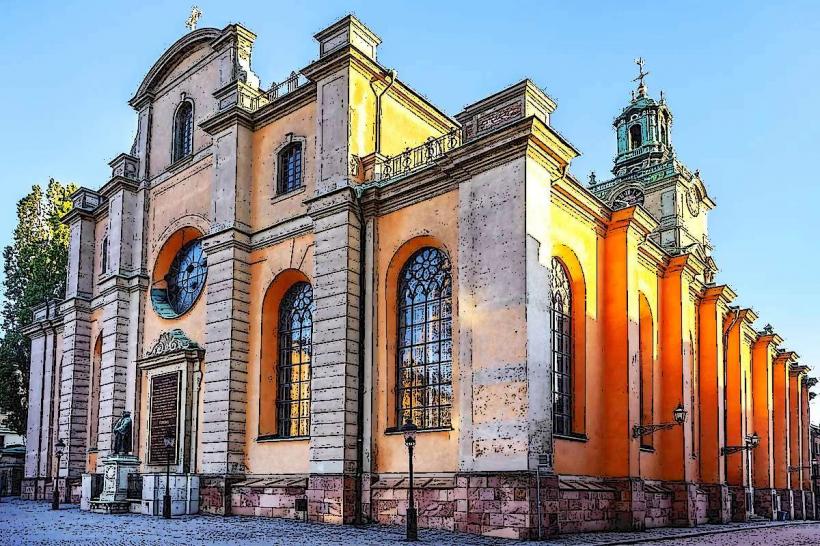
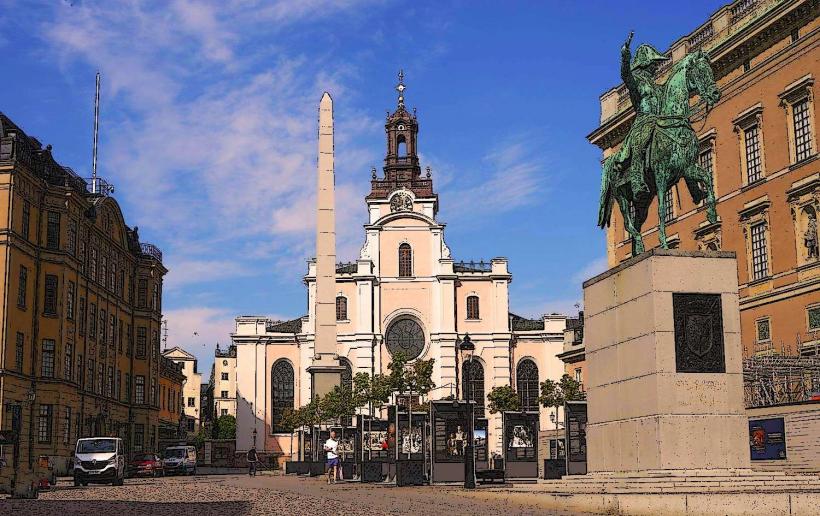
- St. Nicholas Church (Storkyrkan): 0.2 km Northeast
- Nobel Museum: 0.15 km East
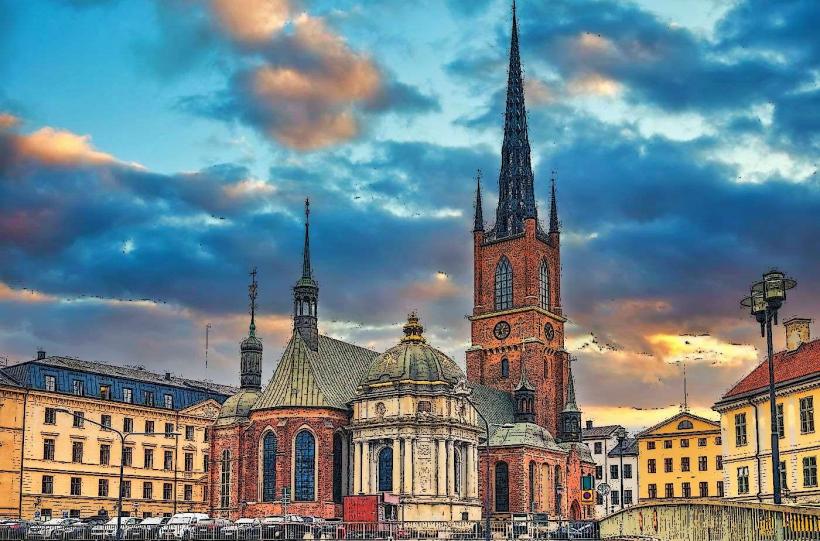
- Riddarholmen Church: 0.4 km West